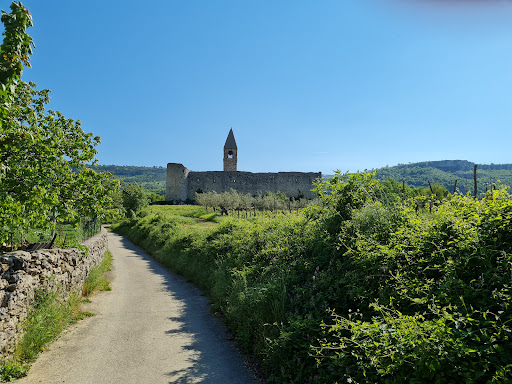
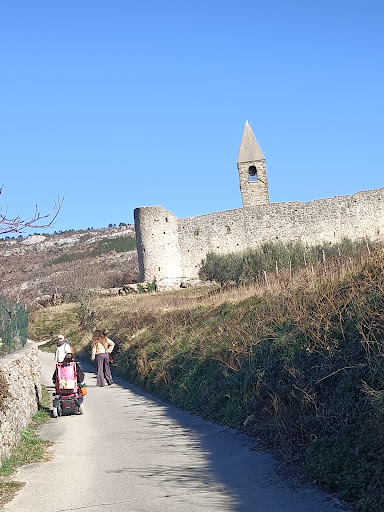
I recently had the pleasure of visiting the Church of Sv. Trojice in Hrastovlje, Slovenia, and I must say it was a truly remarkable experience. This hidden gem nestled in the heart of Slovenia offers a captivating blend of history, art, and spirituality that left me in awe.
Upon entering the church, I was greeted by a very friendly and patient man who served as our guide. His extensive knowledge of the church's history and the stories behind its intricate artwork enriched my visit immensely. His warm hospitality made me feel welcome and well-informed throughout the tour.
One of the standout features of this church is the wealth of wonderful images it houses. The interior is adorned with breathtaking artwork that tells a unique and thought-provoking story of life and death. The intricate depictions within the church are unlike anything I've seen before, and they provide a captivating insight into the cultural and artistic heritage of the region.
What makes this visit even more enticing is the availability of an audio guide in multiple languages, which allows you to delve even deeper into the rich history and symbolism of the church with the simultaneous help by the guide.
The reasonable admission fee of 5 euros is a small price to pay for the treasure trove of history and art you'll encounter within...
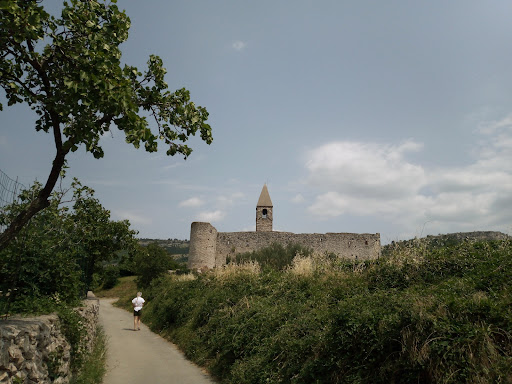
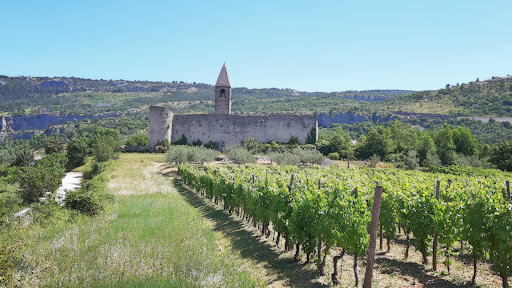
Read moreThis small peculiar, fortified church is famous for extraordinary 15th-century frescos. Though truth be told, it's one fresco in particular that made this church famous: the fresco of the 'danse macabre,' also known as the dance of death. It depicts the all-conquering and equalizing power of death. Death doesn't distinguish between a toddler, farmer, queen, or pope. When our time has finally come to leave this life behind, we are all equal.
The short audio tour costs about 3 EUR. If the church is closed, you can call the number on display, and a person will open it for you. That is, if you are willing to wait for a few minutes.
You are not allowed to take photos inside. Although not all tourists respect this request, I must add that this is to preserve the fragile medieval frescos. However, you can buy a lovely postcard, just like I did, for as little as 0,70€. Thus taking a precious memory of this hidden gem home with you.
If you don't want to take the audio tour available in many languages, you can observe the artwork for free. Nevertheless, I thought my 3 euros were well spent. It allowed me to gain a bit more insight into what was on display in this unique church.
That being said, I highly recommend this slight detour if you enjoy a bit of history...
Read moreCerkev in obzidje sta zgrajena na živi skali, zato nimata globokih temeljev. Cerkev je zidana večinoma iz kamna, tako kot je značilno za celotno Primorsko. Nikoli ni bila v celoti ometana, zato lahko vidimo kako je bila cerkev grajena. Vemo, da je bil vrh cerkve nekoč ponovno pozidan, vendar razloga za to ne poznamo. Cerkev je krita s skrilom – debelimi lomljenimi kamnitimi ploščami, ki so značilna streha za Sredozemlje oziroma »prastreha« vseh mediteranskih dežel. Oken na cerkvi ni veliko, to pa zaradi vremenskih razmer. Poleti je bil prostor z malo okni zavarovan pred pripeko, pozimi pa pred burjo. Zaradi majhnega števila oken je v notranjosti cerkve precej temačno. Leta 1896 so na severni strani cerkve prebili lino za okno, vendar so pri tem na žalost uničili nekaj stenskih poslikav. Cerkev naj bi bila nekoč kljub manjšemu številu oken bolje osvetljena kot danes, to pa zaradi mogočnega obzidja, ki ga nekoč še ni bilo. Obzidje zdaj cerkvi jemlje veliko svetlobe. Cerkev je po opredelitvi višinsko stopnjevalna cerkev. Take cerkve so na slovenskem nastajale le v gotski dobi, saj primerkov iz romanske dobe nimamo. Nastajale so na primer na Ptujski Gori, v Slovenskih goricah,... Hrastoveljska cerkev se od ostalih romarskih cerkev razlikuje po tem, da ima zvonik pozidan na zahodni strani, medtem ko imajo vse druge romarske cerkve majhne lesene stolpiče. Cerkev je dolga 11,7 metrov in široka 6,05 metra. S temi merami je ena najmanjših cerkev naokoli in ne presega niti povprečne širine in dolžine majhnih vaških podružnic. Nekateri trdijo, da je cerkev po istrsko zaokrožena različica renesančne arhitekture iz 2. polovice 15.stoletja. Izgled vzhodnih vrat v cerkev, kot ga danes poznamo, je nastal okoli leta 1776. Prvotna vhodna vrata so verjetno segala do zvonika.
ENG.
Holy Trinity Church (Slovene: cerkev sv. Trojice) is a historical building in Hrastovlje, a village in southwestern Slovenia. There are two hypotheses about its origin. According to the first, it is a Romanesque church from the 12th century. According to the second, it is an example of the Istrian variant of Early Venetian Renaissance architecture from the...
Read more