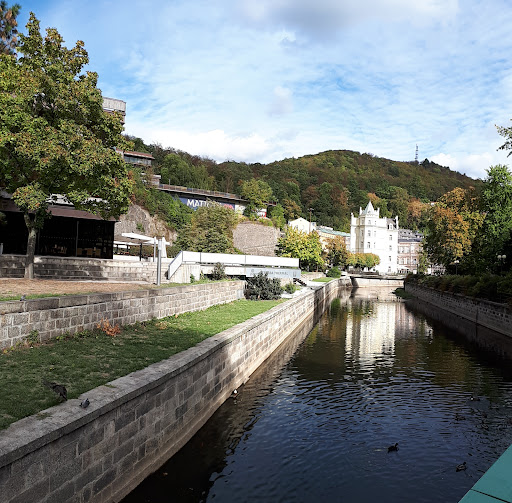
Mill Colonnade things to do, attractions, restaurants, events info and trip planning
Basic Info
Mill Colonnade
Mlýnské nábř., 360 01 Karlovy Vary 1, Czechia
4.7(6.1K)
Open until 12:00 AM
Save
spot
spot
Ratings & Description
Info
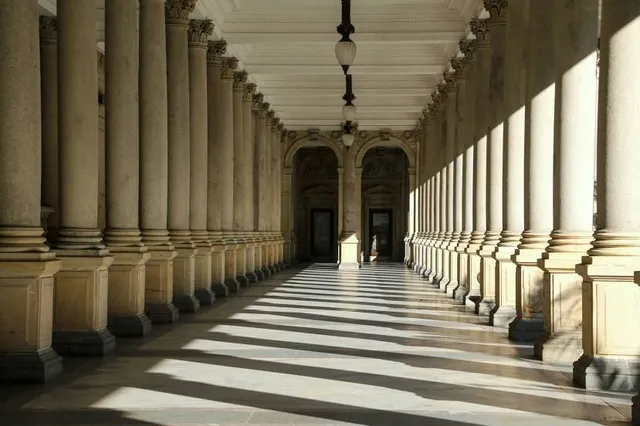
The Mill Colonnade is a large colonnade containing several hot springs in the spa town of Karlovy Vary, Czech Republic. The structure is one of the traditional symbols of the town.
Cultural
Accessibility
attractions: Karlsbad Tschechien, Nábřeží U kolonády, Park Colonnade, St. Luke - Wax Museum, Spring №11 Freedom Spring, Market Colonnade, Deer Jump Lookout, Muzeum Královna stolu Museum in Karlovy Vary, Castle Colonnade, SPA BEERLAND - The First Beer Spa Carlsbad, restaurants: Pizzeria Petr, Pizzeria Centrale, Cafe Azyl, Restaurant Kolonáda, Restaurant Romance, Goethe's Beer House - Goethova Pivnice, Restaurace Promenáda, Restaurace Tusculum, Růže Restaurant, Pizzeria Asti, local businesses: Columnata Termal, Old Carlsbad Grill, Spa Colonnade, Spring №8 Prince Wenceslas, Spring №9 Libuše, Spring №6 Mill Spring, Spring №7 Rusalka, Spring №10 Rock Spring, Lázeňský hotel Sadový Pramen, Lazne III
 Learn more insights from Wanderboat AI.
Phone
+420 355 321 176
Website
karlovyvary.cz
Open hoursSee all hours
ThuOpen 24 hoursOpen
Plan your stay

Pet-friendly Hotels in okres Karlovy Vary
Find a cozy hotel nearby and make it a full experience.

Affordable Hotels in okres Karlovy Vary
Find a cozy hotel nearby and make it a full experience.

The Coolest Hotels You Haven't Heard Of (Yet)
Find a cozy hotel nearby and make it a full experience.

Trending Stays Worth the Hype in okres Karlovy Vary
Find a cozy hotel nearby and make it a full experience.
Reviews
Live events
Explore Karlovy Vary with a local
Sat, Feb 14 • 10:00 AM
360 01, Karlovy Vary, Czechia
View details
Nearby attractions of Mill Colonnade
Karlsbad Tschechien
Nábřeží U kolonády
Park Colonnade
St. Luke - Wax Museum
Spring №11 Freedom Spring
Market Colonnade
Deer Jump Lookout
Muzeum Královna stolu Museum in Karlovy Vary
Castle Colonnade
SPA BEERLAND - The First Beer Spa Carlsbad
Karlsbad Tschechien
4.8
(137)
Closed
Click for details
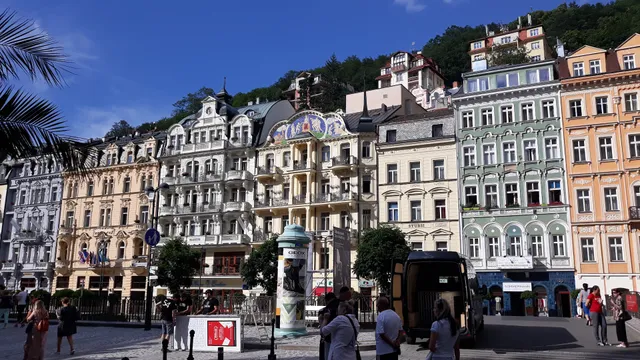
Nábřeží U kolonády
4.8
(78)
Open 24 hours
Click for details
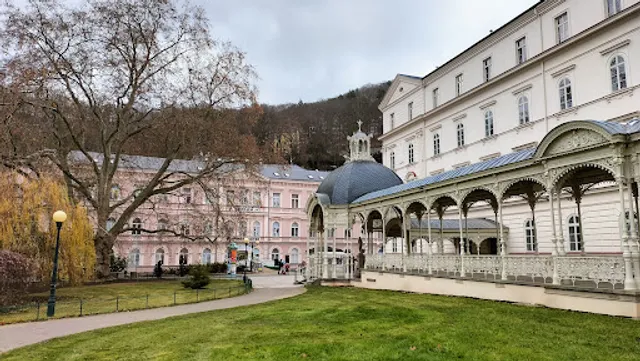
Park Colonnade
4.7
(3.2K)
Open until 12:00 AM
Click for details
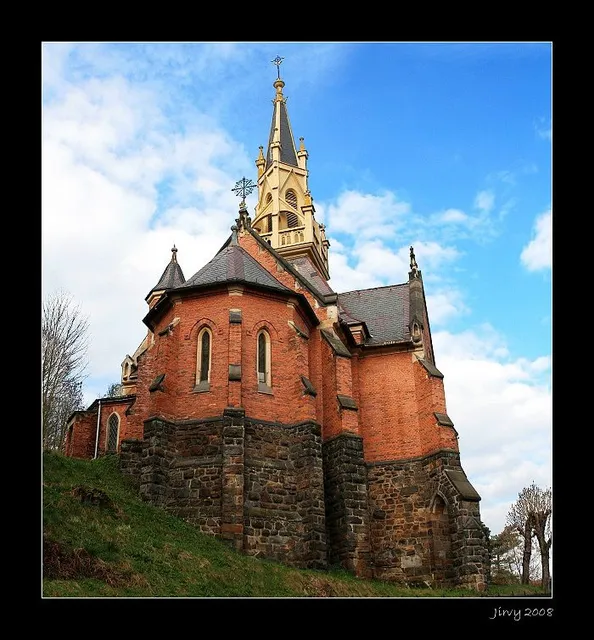
St. Luke - Wax Museum
3.4
(555)
Open until 6:00 PM
Click for details
Nearby restaurants of Mill Colonnade
Pizzeria Petr
Pizzeria Centrale
Cafe Azyl
Restaurant Kolonáda
Restaurant Romance
Goethe's Beer House - Goethova Pivnice
Restaurace Promenáda
Restaurace Tusculum
Růže Restaurant
Pizzeria Asti
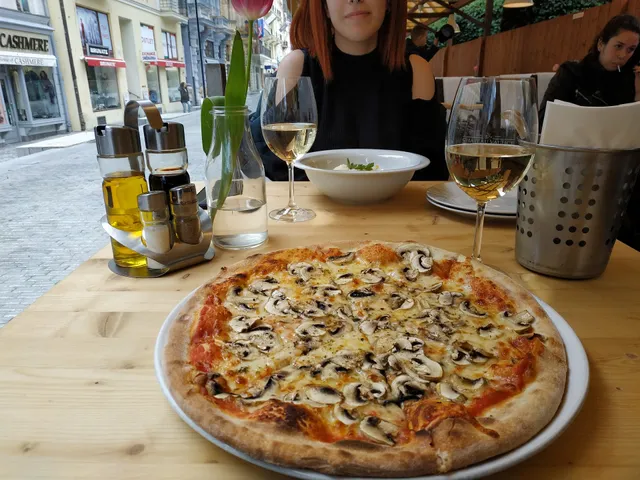
Pizzeria Petr
4.3
(535)
$$
Open until 10:00 PM
Click for details
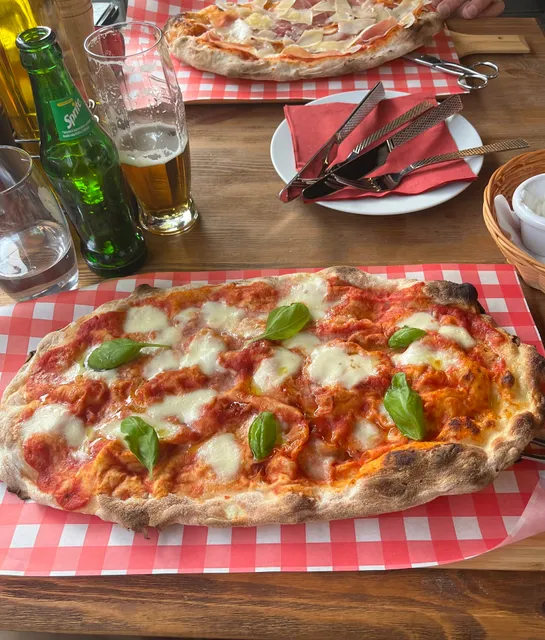
Pizzeria Centrale
4.4
(390)
Open until 10:30 PM
Click for details
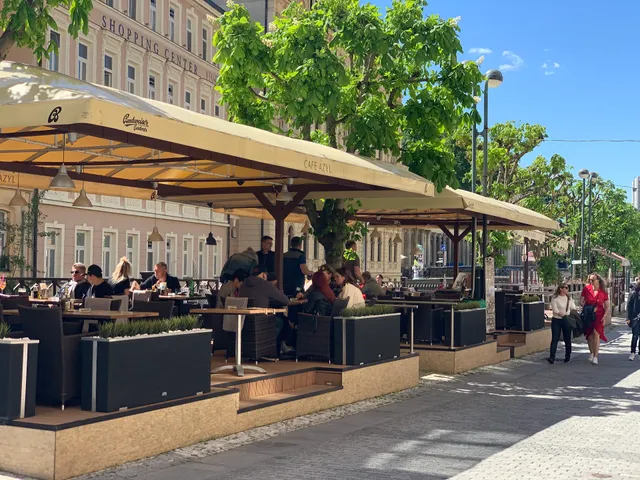
Cafe Azyl
4.2
(370)
$$
Open until 10:00 PM
Click for details
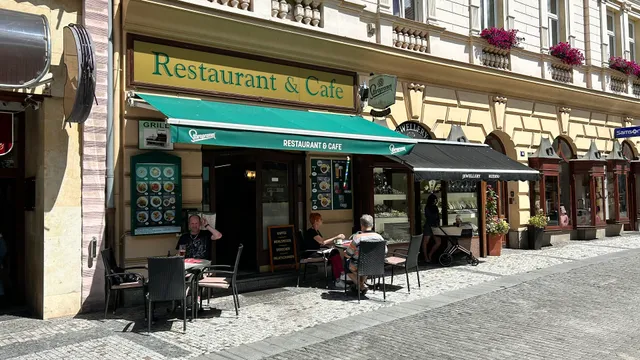
Restaurant Kolonáda
3.3
(337)
Open until 10:00 PM
Click for details
Nearby local services of Mill Colonnade
Columnata Termal
Old Carlsbad Grill
Spa Colonnade
Spring №8 Prince Wenceslas
Spring №9 Libuše
Spring №6 Mill Spring
Spring №7 Rusalka
Spring №10 Rock Spring
Lázeňský hotel Sadový Pramen
Lazne III
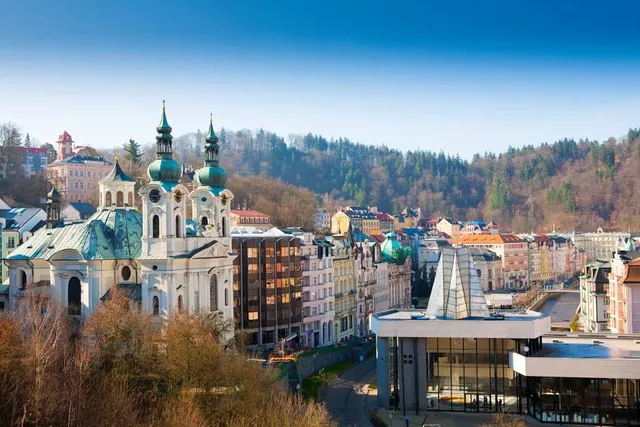
Columnata Termal
4.6
(3.9K)
Click for details
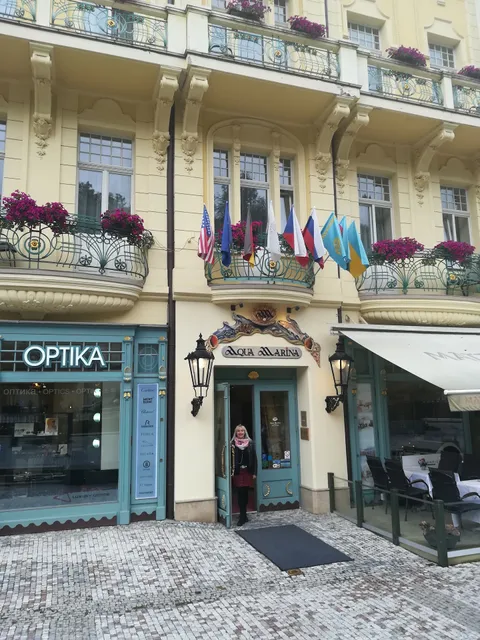
Old Carlsbad Grill
3.6
(146)
Click for details
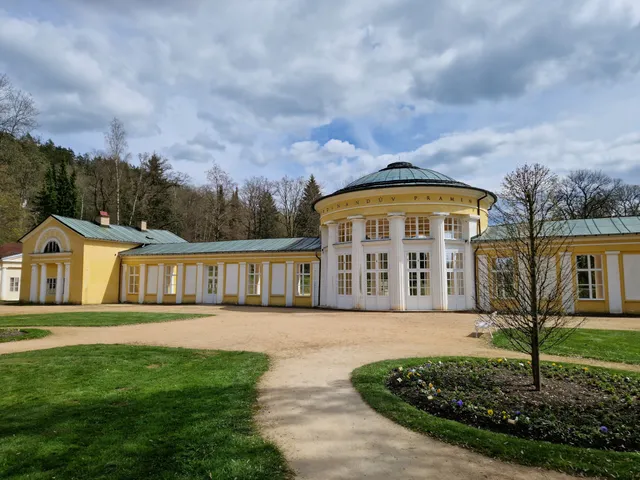
Spa Colonnade
4.7
(222)
Click for details

Spring №8 Prince Wenceslas
4.6
(18)
Click for details