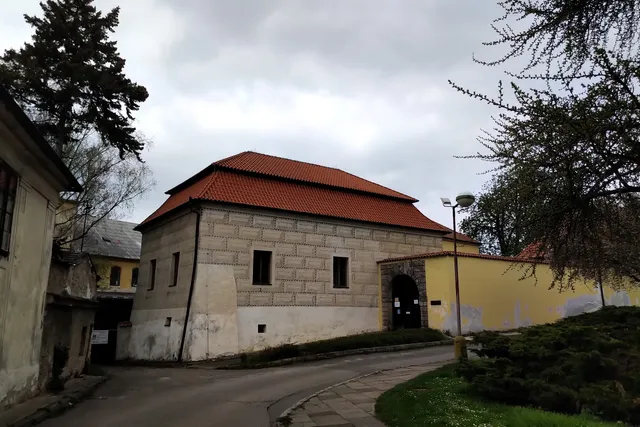
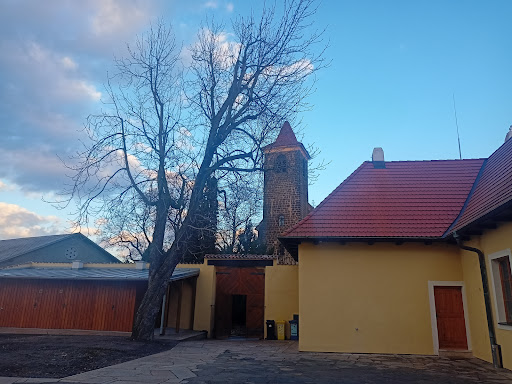
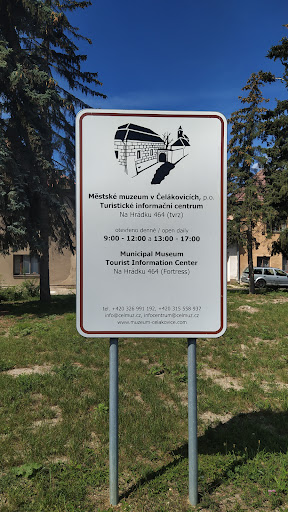
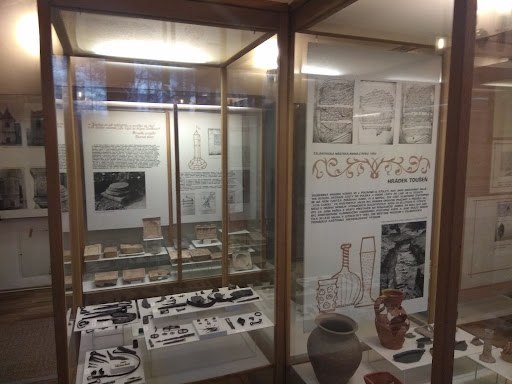
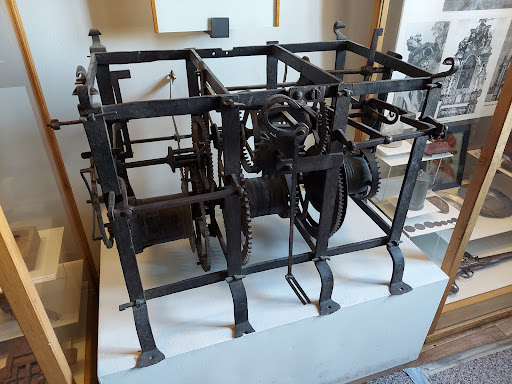
Městské muzeum - stará tvrz v bezprostředním sousedství krásného románského kostela Nanabevzetí Panny Marie - vznikla jako kamenná stavba někdy počátkem 13. století na základech předešlé dřevěné stavby. Mezi 15. a 16. století byla pozdně goticky a renesančně upravena a opevněna. terén, na kterém stavba vznikla, byl zřejmě velmi členitý, což můžeme vidět uvnitř tvrze, kde jsou jednotlivé místnosti a sály zajímavě výškově rozvrstveny. Celý komplex (spolu s přilehlým kostelem) je velmi zajímavý vně i uvnitř.
Od roku 1778 se v budově nacházel hostinec (až do poloviny 20. století), v roce 1972 započala desetiletá rekonstrukce objektu - výsledkem je její dnešní goticko-renesanční podoba. Od roku 1949 v objektu Tvrze trvale sídlí Městské muzeum. Jeho rozmanité expozice jsou dalším důvodem, proč si nenechat návštěvu ujít. Jsou rozděleny do tří oblastí - archeologie, historie a přírodověda. Najdete tu stovky zajímavých objektů živé i neživé přírody Polabí, relikty naší blízké i vzdálené historie. Jde o velmi poutavé expozice, kde si snad každý příjde na své. A to všechno pod jednou střechou architektonicky a historicky pozoruhodné stavby.
Rád bych ještě zmínil velmi příjemnou a ochotnou dámu ve zdejším turistickém infocentru. Měl jsem možnost poznat zdejší stavbu i za rámec běžných prohlídek, a dostal odpovědi na otázky kolem vývoje a historie nejen tvrze, ale i okolí Čelákovic (z archeologického hlediska jsou Čelákovice a okolí doslova zlatou studnou). Návštěva tvrze byla jedním z vrcholů víkendového putování po starých městech a místech části Polabské desky. Rozhodně můžu doporučit!
The Municipal Museum - an old fortress in the immediate vicinity of the beautiful Roman church of the Virgin Mary - was built as a stone building at the beginning of the 13th century on the basis of a previous wooden structure. Between the 15th and 16th centuries, Late Gothic and Renaissance style was modified and fortified. the terrain on which the building was built was probably very rugged, which can be seen inside the fortress where the rooms and halls are interestingly height-strung. The entire complex (along with the adjacent church) is very interesting both outside and inside.
Since 1778, the pub has been in the building (until the middle of the 20th century), and in 1972 began a ten-year reconstruction of the building - resulting in its Gothic-Renaissance style. Since 1949, the City Museum has been permanently housed in the Fortress. Its multiple expositions are another reason not to miss a visit. They are divided into three areas - archeology, history and natural sciences. You will find hundreds of interesting buildings of the lively and inanimate nature of the Polabi, relics of near and distant Czech history. It is a very engaging exposition, where everybody will come to their own. And all of it under one roof of architecturally and historically remarkable construction.
I would also like to mention a very pleasant and willing lady at the local tourist infocenter. I had the opportunity to get to know the building here and beyond the usual tours, and got answers to questions about the development and history of not only the fortress, but also the surroundings of Čelákovice (from the archaeological point of view, Čelákovice and the surroundings are literally a golden well). A visit to the fort was one of the highlights of the weekend wandering around the old towns and places of the Polabí Plate. Definitely I...
Read more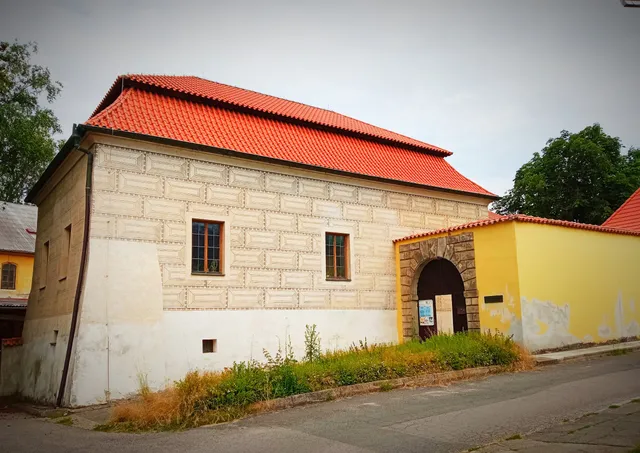
 Learn more insights from Wanderboat AI.