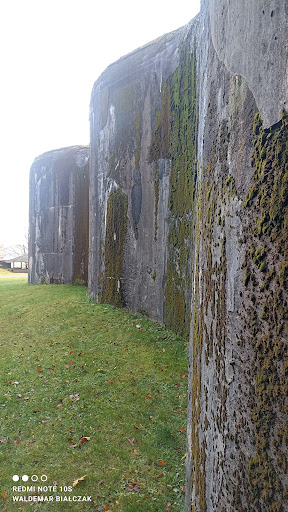
While visiting Prague for work, I added a couple days to the end of my trip to visit areas outside the city. Having a great interest in fortifications, this was top of my list, but I found that they were only open on weekends in September and beyond - I was looking to go Tuesday. Taking a chance, I emailed a couple of the contacts available on the website, asking if I would at least be able to come and look around, and if that would be worth the trip.
Instead, what I got was a response from Tomáš, one of the proprietors, offering to give me a tour. When I mentioned I was taking the train, he said he could pick me up from the train station, saving me a bus ride.
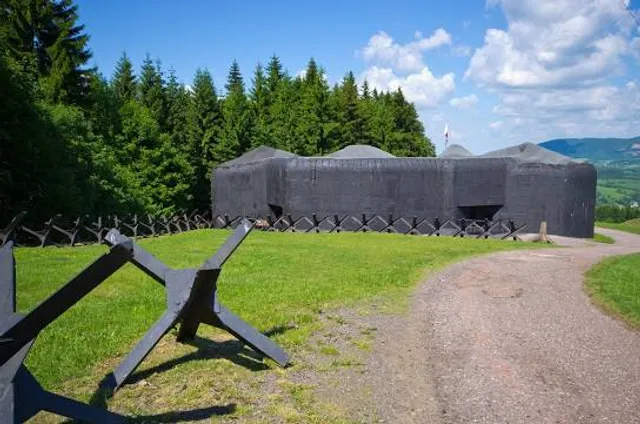
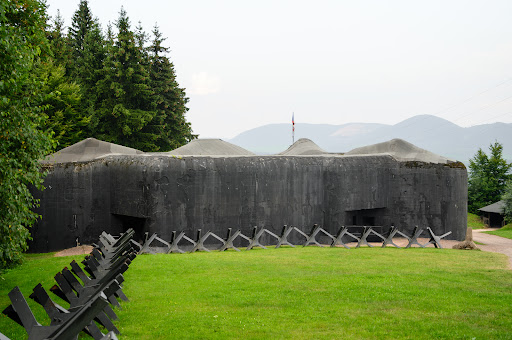
He took me into the main bunker, where they have exhibits about the (incomplete) Czech fortification system from the late 1930s, exhibits on Czech and German armies, weapons, and people, and details about this particular complex itself. Warning - the exhibits are in Czech. However, the text is clear enough that using a camera-based translation app should work.
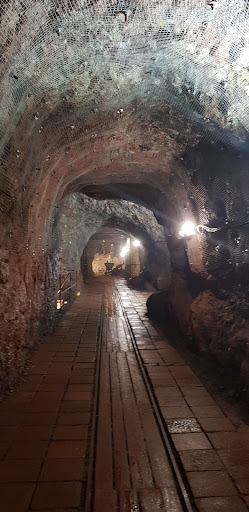
He then took me on the tour route, which goes deep (30-40+ meters) into the ground, showing me the tunnels that were completed prior to the Munich agreement, and explaining what each was to be used for. In some tunnels/halls, they had built up exhibits with mannequins showing what the room was to be used for.
He also showed me some off-tour items, and explained future plans they have for the location. He then was gracious enough to take me into the countryside a bit more, and showed me some of the first line of defense bunkers. He was also very happy to answer all of my questions about the area, Czech involvement in the war, Czech/German relations (past and present), and so-on.
The owners of the bunker got started as a hobby. They are constantly expanding the tour, and recreating and expanding the tunnels to show how the fortress was planned to look. It is a labor of love that is now in its second generation. They are funded through admission prices, donations from patrons and government/heritage organizations, and largely from their own pockets.
If you have any interest in 20th century fortifications, this is a must-see. At the time, it was planned to be one of the best fortifications in Europe - on par with Maginot. It comes with an extra bonus of learning about the rich history of the area as it relates to WWII (something that you are not likely to come across unless you seek it), and some great...
Read moreDělostřelecká tvrz Stachelberg (byl používán i český název Ježová hora) byla v letech 1937 a 1938 budována jako součást stálého československého opevnění. Nachází se na východním výběžku Krkonoš (kóta 632 Hřebínek) v blízkosti Rýchorského pralesa nad obcí Babí mezi městy Trutnov a Žacléř. Jejím úkolem bylo chránit Libavské sedlo, zemskou bránu mezi hřbetem Krkonoš a Vraními horami, kterou pravidelně v minulosti využívaly armády pro vpády do Čech i opačně (např. v roce 1866 během prusko-rakouské války 1. armádní sbor generála Adolfa von Bonina) nebo husité při spanilých jízdách do Slezska. Tvrz nebyla stavebně dokončena a dnes je v ní zřízeno vojenskohistorické muzeum.
Výstavba tvrze byla zahájena na podzim 1937 firmami Ing. Zdenko Kruliš a Konstruktiva, a.s. – Praha. Stavebně měla být dokončena na podzim roku 1939. Na stavbě tvrze pracovalo nepřetržitě ve třech směnách 1 500 dělníků. Za jeden rok stavebních prací se podařilo v podzemí vylámat všechny chodby, ubytovací sály, skladiště i prostory pro elektrárnu a další technické zázemí, vybetonovány však byly pouze některé části podzemí (celkem asi 10 %). Veškerý vytěžený materiál se používal na terénní úpravy na povrchu tvrze k zarovnání terénních nerovností, úvozů a sníženin. Tak by se stal povrch tvrze snadno přehlednou postřelovatelnou plochou, která neposkytuje útočníkům možnost úkrytu.
Pro tvrz byla plánována posádka 778 mužů (46 důstojníků, 15 rotmistrů, 717 mužů); spolu s nimi mělo být v podzemí ubytováno dalších asi 240 mužů – dvě roty pěchoty – pro boj na povrchu tvrze. Tvrz měla v případě úplného obklíčení a stálého vedení boje odolávat nepříteli až dva měsíce; na tak dlouho byly kalkulovány zásoby munice, potravin, pohonných hmot a dalšího vybavení.
Od roku 1993 funguje na tvrzi neustále rozšiřované muzeum československého opevnění, v roce 2001 bylo zpřístupněno podzemí. Postupně byl rekonstruován objekt T-S 73, kde je umístěna hlavní část expozice, a který je dnes také jediným vstupem do podzemního komplexu. Součástí prohlídkového okruhu je vyzbrojený lehký objekt vz. 37, dále pak rekonstruovaný zákopový systém, překážky a několik objektů zrekonstruovaných do různých podob. Další objekty se nachází kolem Naučné stezky Opevněné Trutnovsko, která vede od pevnosti Stachelberg až k pěchotnímu srubu...
Read moreOne of the best military structures in Czech Republic. This huge bunker has a vast array of underground tunnels, that connect nearby fortifications. Unfortunately this amazing project which has started before WW2 was never finished, because of the German occupation before the war.
We were really lucky and have got a guide only for us two. The descent to the underground is a bit scary as the stairway goes deep into the ground. Down there it is pretty cold (6°C) get an appropriate clothing. Admission is only around $8. It took us I'd guess 40 minutes to explore everything that this site has to offer.
Bunker is in a walking distance from a free parking (5mins) there is a simple food truck right next to it and you can get some...
Read more