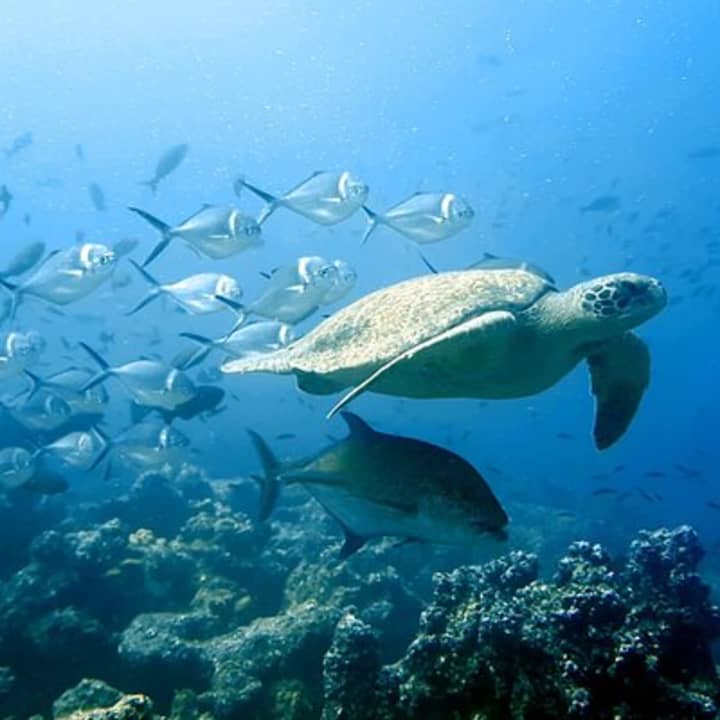
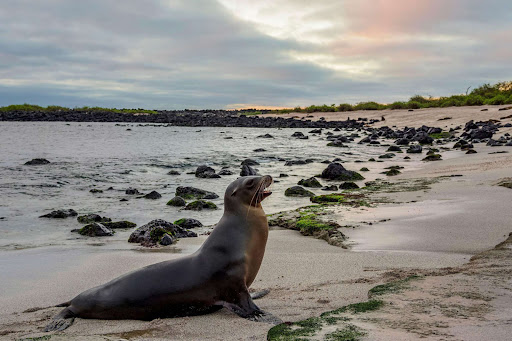
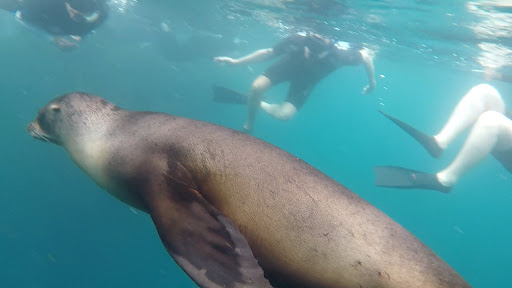
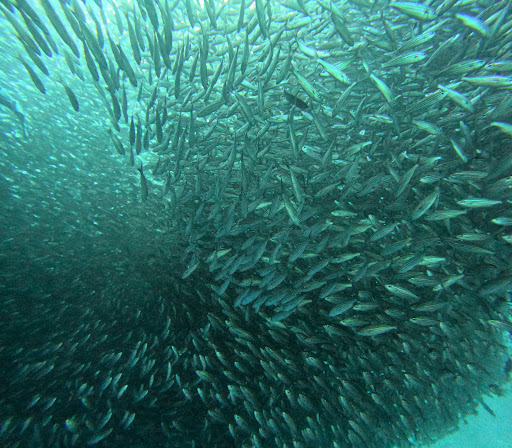
Ich bin jetzt seit einer Woche zurück und musste die Eindrücke auf den Inseln erst einmal sacken lassen. Einserseits sieht man beeindruckende Natur und vor allem die Tierwelt lässt einen sprachlos zurück. Andererseits bezahlt man als Ausländer 120$ um überhaupt auf die Inseln zu gelangen (Locals zahlen glaube ich dann 26…) und die ganze Zeit wird einem im Vorfeld (und auch während des Besuchs) was von UNESCO Weltnaturerbe und Naturschutz erzählt. Auf den Inseln zeigte sich dann leider ein deutlich anderes Bild. Massentourismus, Geldmacherei und die absolute Ignoranz oder Missachtung der Locals was Naturschutz angeht. Doch der Reihe nach. Wenn man auf dem Flughafen Baltra ankommt , begrüßen einen auf dem Rollfeld direkt Drusenköpfe, Wahnsinn. Praktischerweise (für die Locals) befindet sich der Flughafen auf einer nördlich vorgelagerten Insel vor Santa Cruz. Heißt also Bus, Fähre, Bus (oder Taxi) für teures Geld… Will man auf den Inseln etwas unternehmen gibt es einige schöne kostenlose Möglichkeiten die Natur zu erkunden. Die meisten Dinge kosten jedoch horrendes Geld (Schnorcheltouren etc.). Der größte Witz ist, dass man für viele Dinge, wie zB die Schildkrötenfarmen mittlerweile für 10$ einen Guide nehmen muss, der einem dann 30Minuten (oder weniger) lustlos erzählt was auf den Schildern steht, Schilder weil war ja mal kostenlos! (Im Übrigen sahen wir reichlich Locals die einfach kostenlos und ohne Guide unterwegs waren!) Die Touren werden bei meist etwas windigen Agenturen gebucht, handeln geht immer also ist zwischen 100-180$ für einen Tagestrip alles drin, shady! So teuer ist es meines Erachtens nur, weil mit den Agenturen noch einige Leute mitverdienen, die rein gar nichts mit den Touren zu tun haben…
Wenn man sich in den Hauptorten und den frei zugänglichen Gebieten umsieht: wirklich überall liegt oder schwimmt Müll herum. Und eins weiß ich nach 11 Monaten mit Bestimmtheit, der wurde nicht von ausländischen Touristen in die Natur geschmissen. Man sollte meinen bei 100$ für den Nationalpark würde vielleicht etwas Geld in Aufklärung der Locals, eine geordnete Müllentsorgung o.ä. investiert, scheinbar nicht, schade! Will man von einer Insel zur nächsten wechseln muss man Fähren nehmen, diese ankern aber nicht am Steg, obwohl das problemlos möglich wäre, nein, man muss 1$ Dollar Steggebühr bezahlen und dann für 1$ ein Taxiboot zur eigentlichen Fähre betreten, lächerlich! Wie gesagt, man hat bereits 100$ Eintritt für einen Nationalpark bezahlt, dann macht halt 120$, wenn das Geld nicht reicht. So entsteht lediglich der Eindruck man wolle die Touristen abzocken (Für die Insel Isabela beträgt die Steggebühr/Eintrittsgebühr übrigens nochmal 10$).
Fazit: Auf den Inseln bekommt man eine beeindruckende Tierwelt unter riesigem Druck des einsetzenden Massentourismus vorgeführt. Die Touristen werden als Geldautomaten betrachtet und es entsteht der unschöne Eindruck dass das Geld lediglich dazu da ist um einigen Locals ein einträgliches Leben zu ermöglichen, wobei die Natur komplett hinten herunterfällt. So viele und wirklich ausschließlich Locals die sich nicht an die Regeln hielten, Müll in die Natur warfen, den Tieren zu nahe kamen etc.
Dennoch hatten wir natürlich eine wunderbare Zeit und unsere Gastgeber in den Hostels waren sehr sehr freundlich. Im Nachhinein bleibt aber auch die Frage, ob wir mit unserer Reise nicht zu dem Strudel der Umweltzerstörung mit...
Read more

 Learn more insights from Wanderboat AI.