HTML SitemapExplore
logo
Find Things to DoFind The Best Restaurants

Famine Stela — Attraction in Aswan

Name
Famine Stela
Description
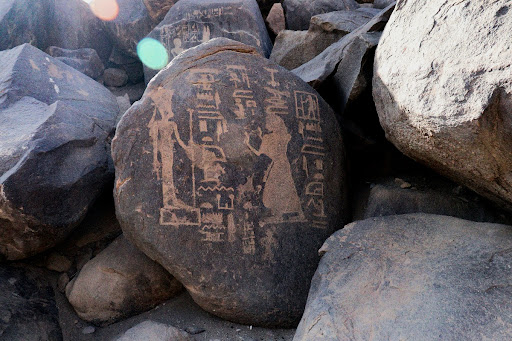
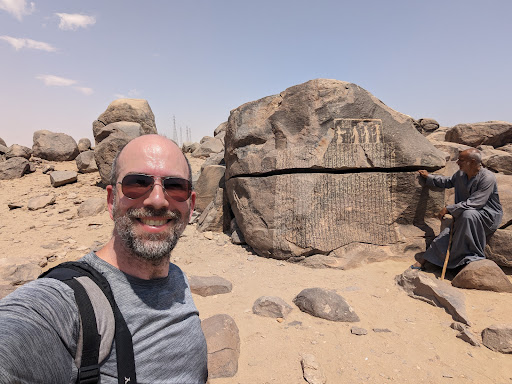
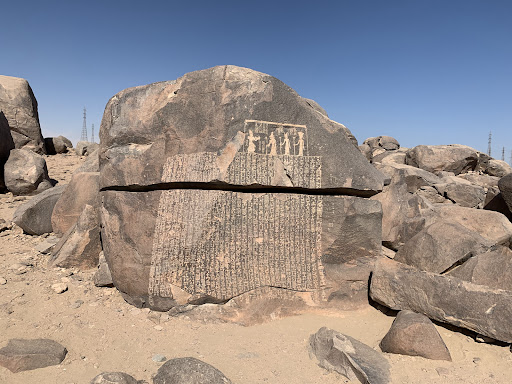
The Famine Stela is an inscription written in Egyptian hieroglyphs located on Sehel Island in the Nile near Aswan in Egypt, which tells of a seven-year period of drought and famine during the reign of pharaoh Djoser of the Third Dynasty.
Nearby attractions
Nearby restaurants
Nearby hotels
Sehel Nubian House
أمام مرسى المراكب، جزيرة سهيلل, Aswan 1, Aswan Governorate 1240717, Egypt
Nubian Cataract Hotel
Naga al mahata, Sheyakhah Thaneyah, Aswan, Aswan Governorate 1240740, Egypt
Krouma Camp & Ecolodge
3V4C+2J7 Seheil Island, Sheyakhah Thaneyah, Aswan 1, Aswan Governorate 1240710, Egypt
ACHERTOD NUBIAN HOUSE أشرتود البيت النوبي
Sheyakhah Thaneyah, Aswan 1, Aswan Governorate 81645, Egypt
Saluga Guest House بيت سالوجا
Seheil Island, Sheyakhah Thaneyah, Aswan 1, Aswan Governorate 1240728, Egypt
HoneyMoonnaka Guest House Nubian ( بيت هانى )
3V8G+H46 Seheil Island, Sheyakhah Thaneyah, Aswan 1, Aswan Governorate 81726, Egypt
Related posts
Keywords
Famine Stela tourism.Famine Stela hotels.Famine Stela bed and breakfast. flights to Famine Stela.Famine Stela attractions.Famine Stela restaurants.Famine Stela travel.Famine Stela travel guide.Famine Stela travel blog.Famine Stela pictures.Famine Stela photos.Famine Stela travel tips.Famine Stela maps.Famine Stela things to do.
Famine Stela things to do, attractions, restaurants, events info and trip planning
Famine Stela
EgyptAswanFamine Stela

Basic Info

Famine Stela

3V5F+2MG, Sheyakhah Thaneyah, Aswan 1, Aswan Governorate 1240712, Egypt
4.4(42)
Open 24 hours
Save
spot

Ratings & Description

Info

The Famine Stela is an inscription written in Egyptian hieroglyphs located on Sehel Island in the Nile near Aswan in Egypt, which tells of a seven-year period of drought and famine during the reign of pharaoh Djoser of the Third Dynasty.

Cultural
Scenic
Off the beaten path
attractions: , restaurants:
logoLearn more insights from Wanderboat AI.

Plan your stay

hotel
Pet-friendly Hotels in Aswan
Find a cozy hotel nearby and make it a full experience.

hotel
Affordable Hotels in Aswan
Find a cozy hotel nearby and make it a full experience.

hotel
The Coolest Hotels You Haven't Heard Of (Yet)
Find a cozy hotel nearby and make it a full experience.

hotel
Trending Stays Worth the Hype in Aswan
Find a cozy hotel nearby and make it a full experience.

Reviews

Things to do nearby

Live Like a Nubian - Authentic Nubian Village Tour
Sun, Dec 7 • 7:00 AM
Aswan, Aswan Governorate, 11515, Egypt
View details
Venture to the Abu Simbel temples from Aswan
Sun, Dec 7 • 3:00 AM
Aswan, Aswan Governorate, 00000, Egypt
View details

Ride camels to ancient tombs in the Nubian Desert
Sun, Dec 7 • 2:00 PM
Abu AR Rish Qebli, Aswan Governorate, 1231330, Egypt
View details
Get the Appoverlay
Get the AppOne tap to find yournext favorite spots!
Wanderboat LogoWanderboat

Your everyday Al companion for getaway ideas

CompanyAbout Us
InformationAI Trip PlannerSitemap
SocialXInstagramTiktokLinkedin
LegalTerms of ServicePrivacy Policy

Get the app

© 2025 Wanderboat. All rights reserved.
logo

Posts

Ismael KhalifaIsmael Khalifa
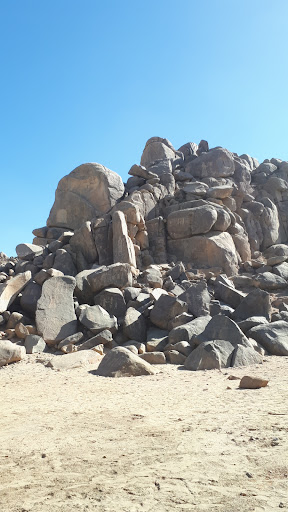
Rocky area full of ancient egyptian carvings on the rocks, located in the rarely visited Sehel Island. To reach the island, you need to walk awhile, then you get a local boat to the island dock, then 5 minutes walk to the archeological site "Famine Stela." The Famine Stela is an inscription written in Egyptian hieroglyphs located on Sehel Island in the Nile near Aswan in Egypt, which tells of a seven-year period of drought and famine during the reign of pharaoh Djoser of the Third Dynasty. It is thought that the stele was inscribed during the Ptolemaic Kingdom, which ruled from 332 to 31 BC. The Famine Stela was inscribed into a natural granite block whose surface was cut into the rectangular shape of a stela. The inscription is written in hieroglyphs and contains 32 columns. The top part of the stele depicts three Egyptian deities: Khnum, Satis, and Anuket. In front of them, Djoser faces them, carrying offerings in his outstretched hands. A broad fissure, which already existed at the time of creating the stela, runs horizontally through the middle of the rock. Some sections of the stela are damaged, making a few passages of the text unreadable.
Michael PowerMichael Power
If you're an archaeology need like me, take plenty of water, hire a falluca boat and make your way up to this hidden gem. It's peaceful, off the main tourist trail, and has stunning views when you clamber up to the top of the island where the stele is located. The first km or so is paved road; an easy walk, which I'd recommend over hiring a tuk tuk, as if you look left and right you'll see new kingdom carvings on the rocks behind the fences. The entry fee is now 60 pounds (and the guide will want a tip of course!) and the climb is moderately steep in places. There are plenty of new kingdom inscriptions on the rock opposite the ticket hut and all the way up to the famine stele. I noticed Ramses II and Merenptah, but there were plenty of others. (There are none on the way back.) The stele itself is a fascinating piece; it tells a story about Djoser (3rd dynasty king who built the step pyramid in Saqqara) ending a seven year famine by fixing up the neglected temple to the god who controlled the flooding of the river. It was written in about 200 bc, so 2,400 years or so later. That would be like us dedicating a mural to ancient Athens.
Khaled NoamanKhaled Noaman
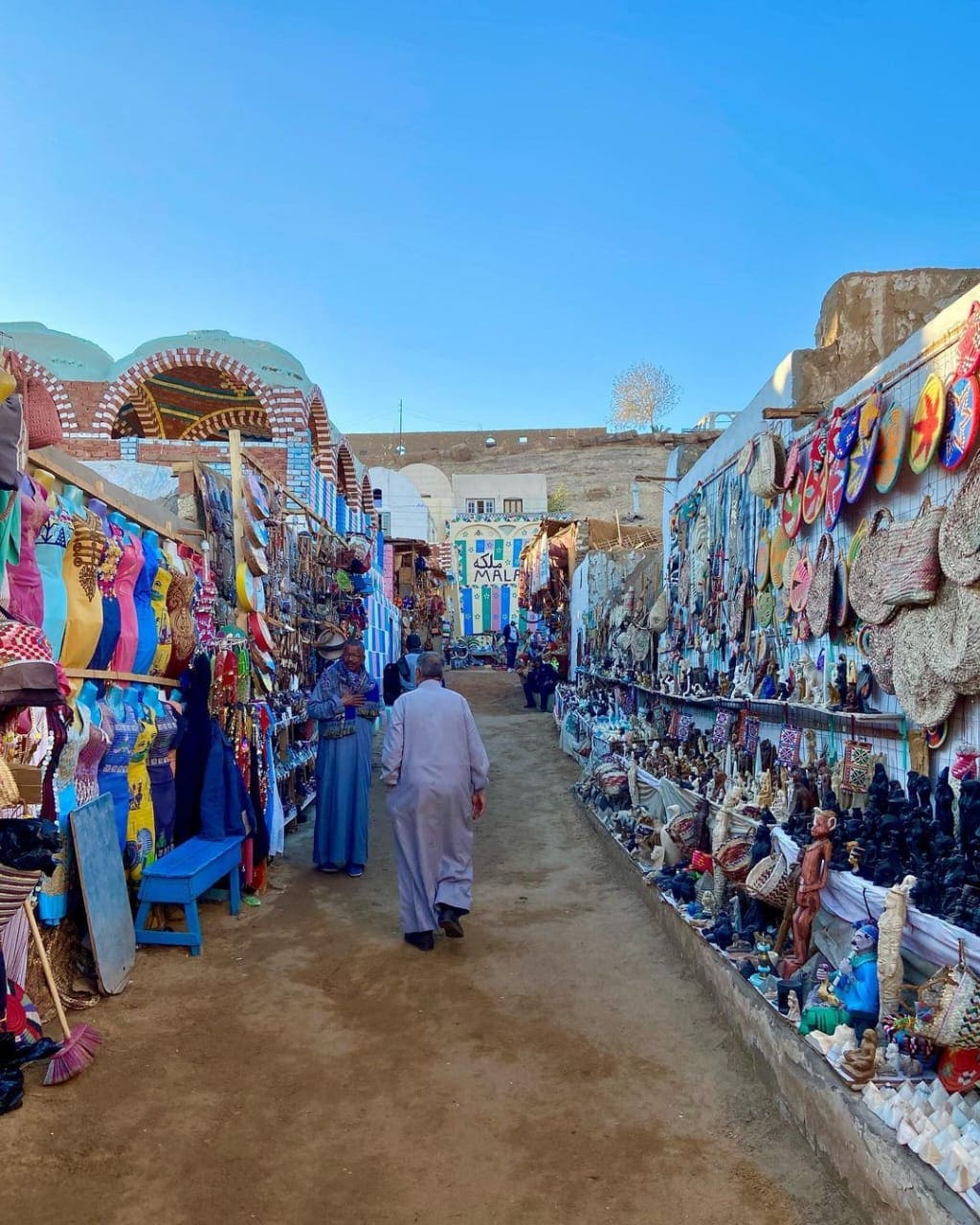
It’s a remote location on the top of a rocky hill over the island, the scripts tells of a seven-year period of drought and famine during the reign of pharaoh Djoser of the Third Dynasty. It is thought that the stele was inscribed during the Ptolemaic Kingdom, which ruled from 332 to 31 BC. However the place is has no services and it’s almost deserted except of couple of old guides and few women selling some hand made artifacts.
See more posts
See more posts
hotel
Find your stay

Pet-friendly Hotels in Aswan

Find a cozy hotel nearby and make it a full experience.

Rocky area full of ancient egyptian carvings on the rocks, located in the rarely visited Sehel Island. To reach the island, you need to walk awhile, then you get a local boat to the island dock, then 5 minutes walk to the archeological site "Famine Stela." The Famine Stela is an inscription written in Egyptian hieroglyphs located on Sehel Island in the Nile near Aswan in Egypt, which tells of a seven-year period of drought and famine during the reign of pharaoh Djoser of the Third Dynasty. It is thought that the stele was inscribed during the Ptolemaic Kingdom, which ruled from 332 to 31 BC. The Famine Stela was inscribed into a natural granite block whose surface was cut into the rectangular shape of a stela. The inscription is written in hieroglyphs and contains 32 columns. The top part of the stele depicts three Egyptian deities: Khnum, Satis, and Anuket. In front of them, Djoser faces them, carrying offerings in his outstretched hands. A broad fissure, which already existed at the time of creating the stela, runs horizontally through the middle of the rock. Some sections of the stela are damaged, making a few passages of the text unreadable.
Ismael Khalifa

Ismael Khalifa

hotel
Find your stay

Affordable Hotels in Aswan

Find a cozy hotel nearby and make it a full experience.

Get the Appoverlay
Get the AppOne tap to find yournext favorite spots!
If you're an archaeology need like me, take plenty of water, hire a falluca boat and make your way up to this hidden gem. It's peaceful, off the main tourist trail, and has stunning views when you clamber up to the top of the island where the stele is located. The first km or so is paved road; an easy walk, which I'd recommend over hiring a tuk tuk, as if you look left and right you'll see new kingdom carvings on the rocks behind the fences. The entry fee is now 60 pounds (and the guide will want a tip of course!) and the climb is moderately steep in places. There are plenty of new kingdom inscriptions on the rock opposite the ticket hut and all the way up to the famine stele. I noticed Ramses II and Merenptah, but there were plenty of others. (There are none on the way back.) The stele itself is a fascinating piece; it tells a story about Djoser (3rd dynasty king who built the step pyramid in Saqqara) ending a seven year famine by fixing up the neglected temple to the god who controlled the flooding of the river. It was written in about 200 bc, so 2,400 years or so later. That would be like us dedicating a mural to ancient Athens.
Michael Power

Michael Power

hotel
Find your stay

The Coolest Hotels You Haven't Heard Of (Yet)

Find a cozy hotel nearby and make it a full experience.

hotel
Find your stay

Trending Stays Worth the Hype in Aswan

Find a cozy hotel nearby and make it a full experience.

It’s a remote location on the top of a rocky hill over the island, the scripts tells of a seven-year period of drought and famine during the reign of pharaoh Djoser of the Third Dynasty. It is thought that the stele was inscribed during the Ptolemaic Kingdom, which ruled from 332 to 31 BC. However the place is has no services and it’s almost deserted except of couple of old guides and few women selling some hand made artifacts.
Khaled Noaman

Khaled Noaman

See more posts
See more posts

Reviews of Famine Stela

4.4
(42)
avatar
4.0
1y

Rocky area full of ancient egyptian carvings on the rocks, located in the rarely visited Sehel Island. To reach the island, you need to walk awhile, then you get a local boat to the island dock, then 5 minutes walk to the archeological site "Famine Stela." The Famine Stela is an inscription written in Egyptian hieroglyphs located on Sehel Island in the Nile near Aswan in Egypt, which tells of a seven-year period of drought and famine during the reign of pharaoh Djoser of the Third Dynasty. It is thought that the stele was inscribed during the Ptolemaic Kingdom, which ruled from 332 to 31 BC. The Famine Stela was inscribed into a natural granite block whose surface was cut into the rectangular shape of a stela. The inscription is written in hieroglyphs and contains 32 columns. The top part of the stele depicts three Egyptian deities: Khnum, Satis, and Anuket. In front of them, Djoser faces them, carrying offerings in his outstretched hands. A broad fissure, which already existed at the time of creating the stela, runs horizontally through the middle of the rock. Some sections of the stela are damaged, making a few passages of the...

   Read more
avatar
4.0
2y

If you're an archaeology need like me, take plenty of water, hire a falluca boat and make your way up to this hidden gem. It's peaceful, off the main tourist trail, and has stunning views when you clamber up to the top of the island where the stele is located. The first km or so is paved road; an easy walk, which I'd recommend over hiring a tuk tuk, as if you look left and right you'll see new kingdom carvings on the rocks behind the fences. The entry fee is now 60 pounds (and the guide will want a tip of course!) and the climb is moderately steep in places. There are plenty of new kingdom inscriptions on the rock opposite the ticket hut and all the way up to the famine stele. I noticed Ramses II and Merenptah, but there were plenty of others. (There are none on the way back.) The stele itself is a fascinating piece; it tells a story about Djoser (3rd dynasty king who built the step pyramid in Saqqara) ending a seven year famine by fixing up the neglected temple to the god who controlled the flooding of the river. It was written in about 200 bc, so 2,400 years or so later. That would be like us dedicating a mural to...

   Read more
avatar
3.0
6y

It’s a remote location on the top of a rocky hill over the island, the scripts tells of a seven-year period of drought and famine during the reign of pharaoh Djoser of the Third Dynasty. It is thought that the stele was inscribed during the Ptolemaic Kingdom, which ruled from 332 to 31 BC. However the place is has no services and it’s almost deserted except of couple of old guides and few women selling some hand...

   Read more
Page 1 of 7
Previous
Next