We spent three days here and stayed in the huts on the rim of the caldera.
During our stay we had three types of weather conditions that affected us. First of all, the most common one was when there is a breeze that goes North, slightly towards the North West.
It means the volcanic fumes are blowing away from the camp and the main viewing area on the South side of the active crater.
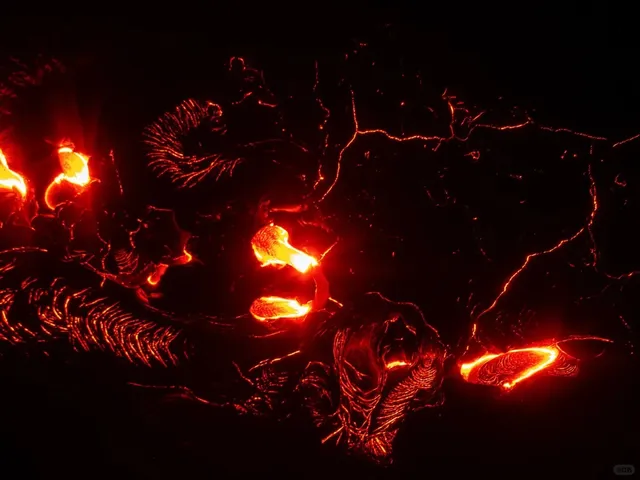
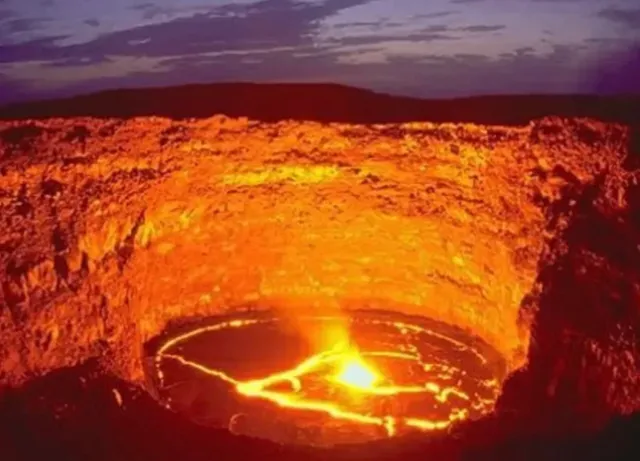
As the volcano is currently degassing, most of the time, all you see is a crater totally filled with "smoke" and at night the occasional faint glow.
On our second day, just before sunset, we got lucky when the weather changed temporarily and the column of fumes went straight up. This meant that thanks to the heat convections, we finally could see part of the crater floor and observe two active fumeroles. NO LAVA LAKE!
This window of opportunity only lasted for about an hour, before the crater was totally filled with "smoke" again, creating an horizontal plume from the summit of the volcano.
On the third day, we experienced the apparently rare situation where the wind blew towards the South West. The camp with huts was getting a full load of volcanic fumes, making it necessary to use our gass masks in the camp as well. This was not fun and we decided to leave earlier than planned.
We realized that we got very, very lucky on our second day and accepted there was nothing more to see.
As we spent a lot of time on the mountain, we had time to walk around the caldera and visit other craters. The various fissures, hornitos and other lava formations, made our visit to Erta Ale as a volcano experience more worthwhile.
After all, there are easier places in the world to see active fumeroles, since getting here and staying here was not without some level of hardship.
Sadly, the plastic bottle pollution and unhygienic conditions around the camp gave me a bitter taste about the unsustainable tourism on the mountain. They are already expanding the camp, in preparation for the new road, that will bring many more visitors. I hate to think what it will be like in the future, if these issues are not...
Read more
 Learn more insights from Wanderboat AI.