QUELQUES LACS SE RETROUVANT DANS LE RIFT VELLEY AFRICAIN
Voici quelques-uns des principaux lacs de la vallée du Rift, leurs caractéristiques et les pays auxquels ils appartiennent :
Lac Tanganyika
Caractéristiques :
Deuxième lac le plus profond du monde (environ 1 470 mètres).
Long et étroit, avec une biodiversité riche, notamment de nombreuses espèces endémiques de poissons.
Pays : Burundi, République Démocratique du Congo, Zambie, Tanzanie.
Lac Malawi (ou lac Nyasa)
Caractéristiques :
Troisième lac le plus profond d'Afrique (environ 700 mètres).
Connu pour sa biodiversité, notamment plus de 1 000 espèces de poissons, surtout des cichlidés.
Pays : Malawi, Mozambique, Tanzanie.
Lac Victoria
Caractéristiques :
Plus grand lac d'Afrique par superficie (environ 68 800 kilomètres carrés).
Important pour la pêche, mais il est menacé par la pollution et l'invasion d'espèces non indigènes.
Pays : Tanzanie, Ouganda, Kenya.
Lac Turkana
Caractéristiques :
Plus grand lac désertique au monde, avec une salinité élevée.
Connue pour ses paysages spectaculaires et ses écosystèmes uniques.
Pays : Kenya, Éthiopie.
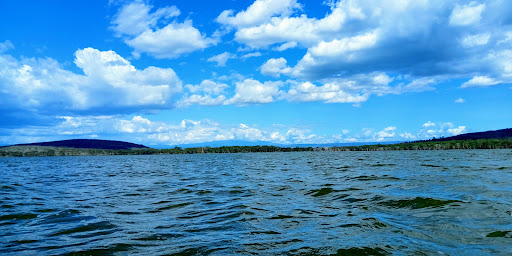
Lac Naivasha
Caractéristiques :
Un lac de superficie variable, connu pour sa population d'oiseaux migrateurs et ses activités touristiques.
Un écosystème d'eau douce important, souvent menacé par l'agriculture intensive.
Pays : Kenya.
Lac Baringo
Caractéristiques :
Un lac d'eau douce, important pour l'agriculture et la pêche.
Riche en biodiversité aviaire, avec de nombreuses espèces d'oiseaux.
Pays : Kenya.
Lac Albert
Caractéristiques :
Relativement peu profond, mais riche en biodiversité.
Environnement important pour les communautés locales en termes de pêche.
Pays : Ouganda, République Démocratique du Congo.
Lac Kivu
Caractéristiques :
Lac profond avec des gisements de gaz méthane.
Entouré de montagnes et d'un écosystème riche en biodiversité.
Pays : Rwanda, République Démocratique du Congo.
Ces lacs sont essentiels pour l'écosystème, l'économie et la culture des pays riverains. Ils jouent un rôle crucial dans la pêche, l'agriculture, le tourisme et la biodiversité de la région. Toutefois, beaucoup d'entre eux font face à des menaces telles que la pollution, le changement climatique et la...
Read more
 Learn more insights from Wanderboat AI.