Gambella National Park
Gambella National Park, located in the Gambella region of western Ethiopia, is one of the country's most unique and ecologically significant protected areas. Covering approximately 5,061 square kilometers, it is Ethiopia’s largest national park and serves as a crucial habitat for diverse wildlife, including some of Africa’s most iconic species.
Wildlife and Biodiversity
The park is home to a variety of animals, including the African elephant, buffalo, lion, leopard, and hippopotamus. One of its most remarkable features is the presence of the white-eared kob, an antelope species that migrates in large numbers between South Sudan and Ethiopia, making it the second-largest mammal migration in Africa after the Serengeti’s wildebeest migration. Other notable species include Nile lechwe, topis, warthogs, and crocodiles.
Landscape and Scenery
Gambella National Park boasts a mix of grasslands, swamps, and riverine forests, making it an ideal habitat for both terrestrial and aquatic wildlife. The Baro River, one of Ethiopia’s largest rivers, runs through the park, providing water for animals and supporting a rich ecosystem. The wetlands attract various bird species, making the park an excellent destination for birdwatching.
Tourism Experience
While the park has immense potential, tourism infrastructure is still underdeveloped. There are limited lodges, guided tours, and safari services, which makes it challenging for visitors to explore the park without local arrangements. However, for adventurers and wildlife enthusiasts seeking an off-the-beaten-path experience, Gambella National Park offers raw and untouched nature.
Challenges
The park faces several challenges, including poaching, human-wildlife conflict, and illegal settlements. The political instability in the region also affects conservation efforts and tourism development. More investment is needed to improve security, conservation strategies, and eco-tourism facilities to attract more visitors.
Conclusion
Gambella National Park is a hidden gem in Ethiopia’s wildlife conservation scene. It offers a rare opportunity to witness one of Africa’s largest migrations and explore diverse ecosystems. However, due to its remoteness and lack of tourism facilities, it is best suited for experienced travelers, researchers, and wildlife photographers. With better infrastructure and conservation efforts, the park has the potential to become a major eco-tourism destination in Africa.
Rating: 3.5/5
✅ Pros: Unique wildlife, beautiful landscapes, and Africa’s second-largest migration.
❌ Cons: Poor infrastructure, security concerns, and limited...
Read more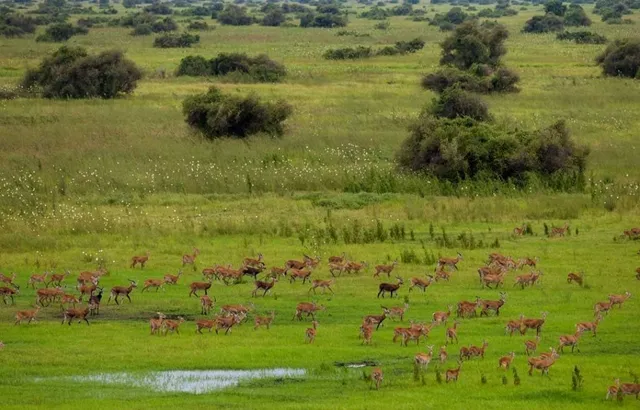
 Learn more insights from Wanderboat AI.