Visiting the underground tunnels of Naours is like stepping into a forgotten world beneath the surface of northern France. Carved out in the Middle Ages, this remarkable network of galleries served as a refuge for local populations during times of war and unrest—but surprisingly, not during the more recent global conflicts of the 20th century.
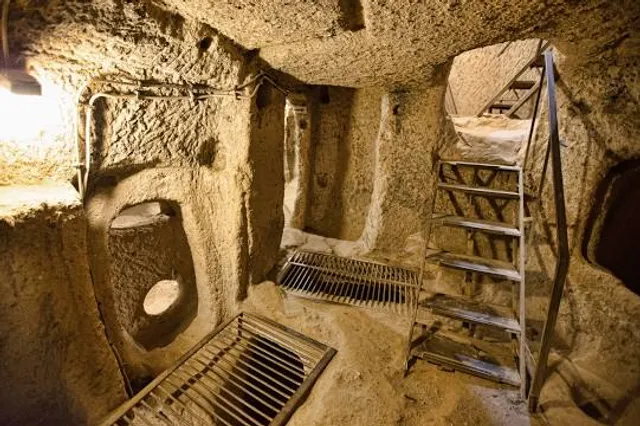
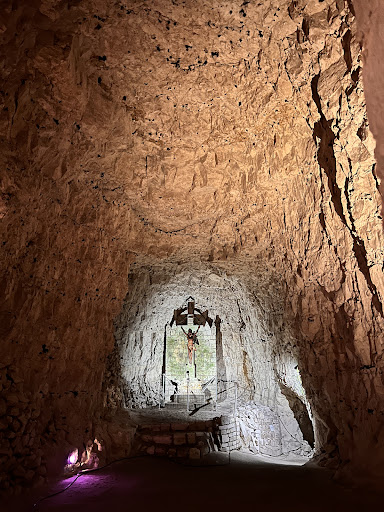
The underground city is vast, with over 300 rooms spread across nearly 2 kilometers of tunnels. As you walk through the dimly lit passageways, it’s easy to imagine the lives of those who once sought shelter here during raids and invasions centuries ago. The ingenuity of these early engineers is impressive: the tunnels include chapels, stables, wells, and ventilation shafts—an entire hidden village carved into the chalky rock.
Despite its strategic depth and size, the site was not used as a shelter during World War I or World War II. In fact, during WWI, the site became more of a curiosity than a refuge—thousands of soldiers, particularly from Australia and other parts of the British Commonwealth, visited and left their names etched into the walls, creating an extraordinary collection of graffiti that still exists today.
The visitor experience is both educational and atmospheric. Information panels and guided tours provide context about the origins of the tunnels, how they were used, and why they eventually fell out of use as a place of refuge. The story of the soldiers’ inscriptions adds a touching, human dimension to the historical narrative.
Overall, the Naours underground city is a hidden gem that offers a unique perspective on medieval life, wartime memory, and how spaces can evolve in meaning over centuries. It’s a must-see for history lovers and curious...
Read moreTHE SILENT SOLDIERS OF NAOURS
Over 2000 signatures were left on the walls of these underground limestone caves in Picardy, France - a legacy for future generations. They are located in the north of France, in Naours and inside these tunnels (300 chambers and 28 galleries) in the period of maximum splendor, 3000 people were hosted between 22 m and 30m deep The Romans built the site as a limestone quarry in the 2nd century AD. later it was used as a warehouse or place of refuge until the Middle Ages. They began to build wells, stables, bakeries and chapels. They planned things very well and the chimneys of the bakers' ovens were passed through the cottages and other existing structures on the surface, so no one would know what was going on below. In the 17th century this underground city reached its peak with a population of 3,000 inhabitants only to be abandoned and rediscovered only in 1887 by chance and become a real attraction for the time. Here is the largest collection of WWI graffiti ever discovered, while during the Second World War it was used as a headquarters by the occupation of the Nazi forces. In the graffiti remain the testimonies of hundreds of stories ... a signature left on a wall to paint pride,...
Read moreVisited here when heading back to Calais, what a great experience, the reception staff were brilliant, explaining everything in detail, the caves with the audio guide were incredible, what a story they tell, we loved our visit underground, but be prepared, lots low ceilings and uneven steps, but very manageable, however our experience was totally spoilt when we emerged into the cafe, really looking forward to a coffee, waited patently for 10mins no signs of any staff then a large group came in, with 4 very rude ladies, coming to stand at the bar, virtually pushing me to one side, then when a staff member eventually arrived I was totally ignored, very very unsatisfactory very rude and at no point was I asked if I wanted anything, eventually I gave up and left, without getting coffee, made my views clear, but think it fell on deaf ears, what a shame as everything else was fabulous, just don't expect anything from the...
Read more