Neuve Chapelle Memorial things to do, attractions, restaurants, events info and trip planning

Basic Info
Neuve Chapelle Memorial
413 Rue du Bois, 62136 Richebourg, France
4.7(128)
Open until 12:00 AM
Save
spot
spot
Ratings & Description
Info
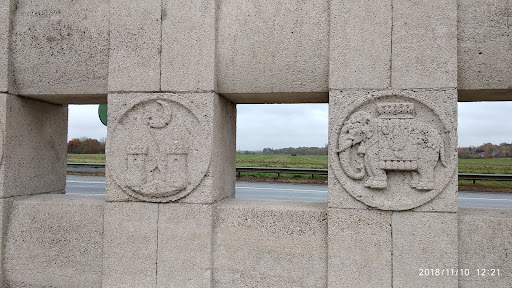
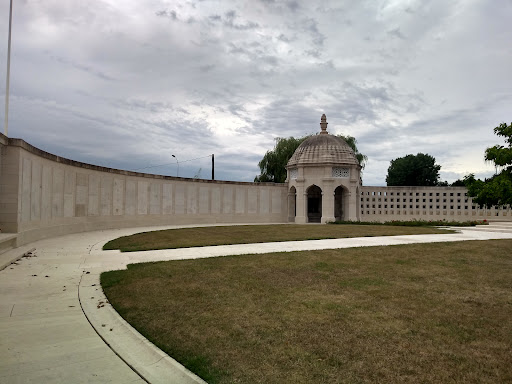
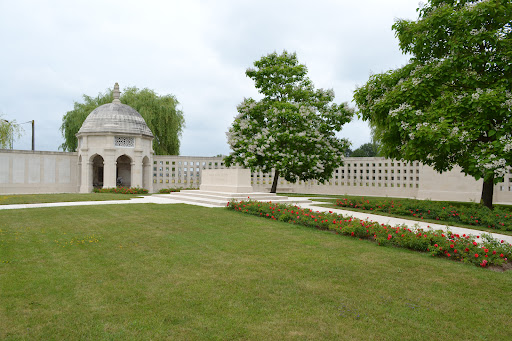
The Neuve-Chapelle Indian Memorial is a World War I memorial in France, located on the outskirts of the commune of Neuve-Chapelle, in the département of Pas-de-Calais.
Cultural
Scenic
Accessibility
attractions: , restaurants: , local businesses:
 Learn more insights from Wanderboat AI.
Phone
+33 3 21 52 50 00
Open hoursSee all hours
WedOpen 24 hoursOpen
Plan your stay

Pet-friendly Hotels in Béthune
Find a cozy hotel nearby and make it a full experience.

Affordable Hotels in Béthune
Find a cozy hotel nearby and make it a full experience.

The Coolest Hotels You Haven't Heard Of (Yet)
Find a cozy hotel nearby and make it a full experience.

Trending Stays Worth the Hype in Béthune
Find a cozy hotel nearby and make it a full experience.
Reviews
Live events
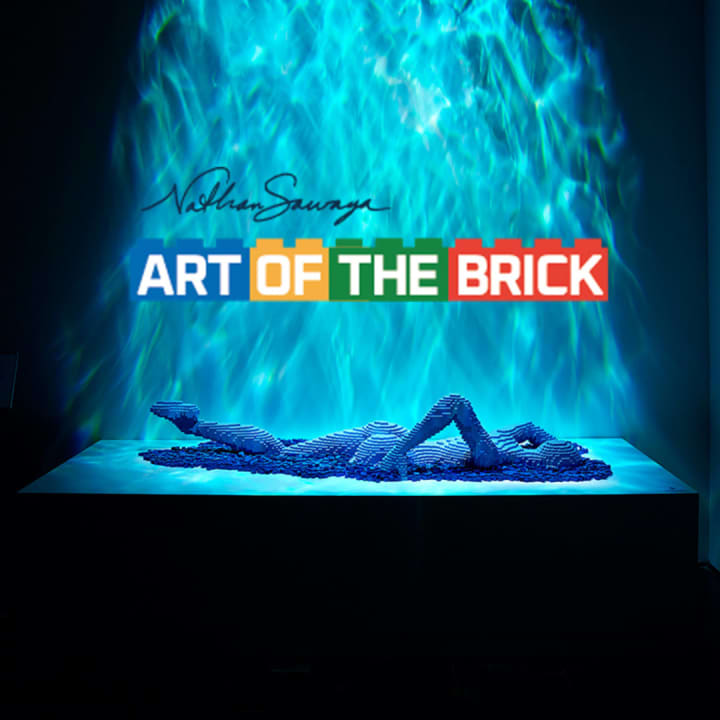
The Art of the Brick : Exposition dart en LEGO®
Wed, Feb 25 • 10:15 AM
Place de Saintignon, 165 Avenue de Bretagne, Lille, 59000
View details

Napoléon, lÉpopée Immersive - une expérience en réalité virtuelle
Wed, Feb 25 • 10:00 AM
Centre commercial les Tanneurs, 17 Rue du Sec Arembault, Lille, 59800
View details
Candlelight : Le Seigneur des Anneaux
Sat, Feb 28 • 5:00 PM
3 Rue Pierre Mauroy, Lille, 59000
View details