HTML SitemapExplore
logo
Find Things to DoFind The Best Restaurants

Longues-sur-Mer battery — Attraction in Bayeux

Name
Longues-sur-Mer battery
Description
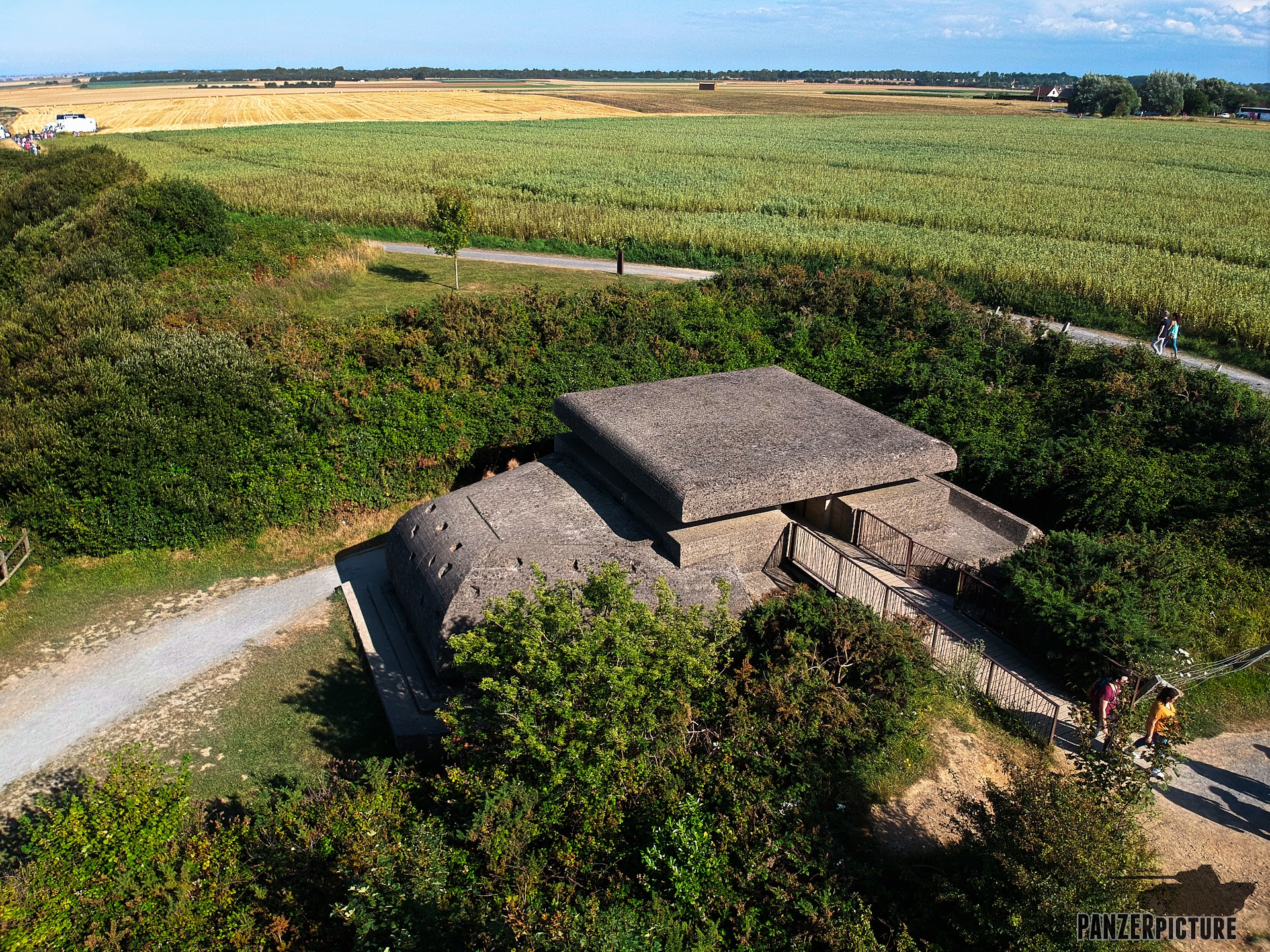
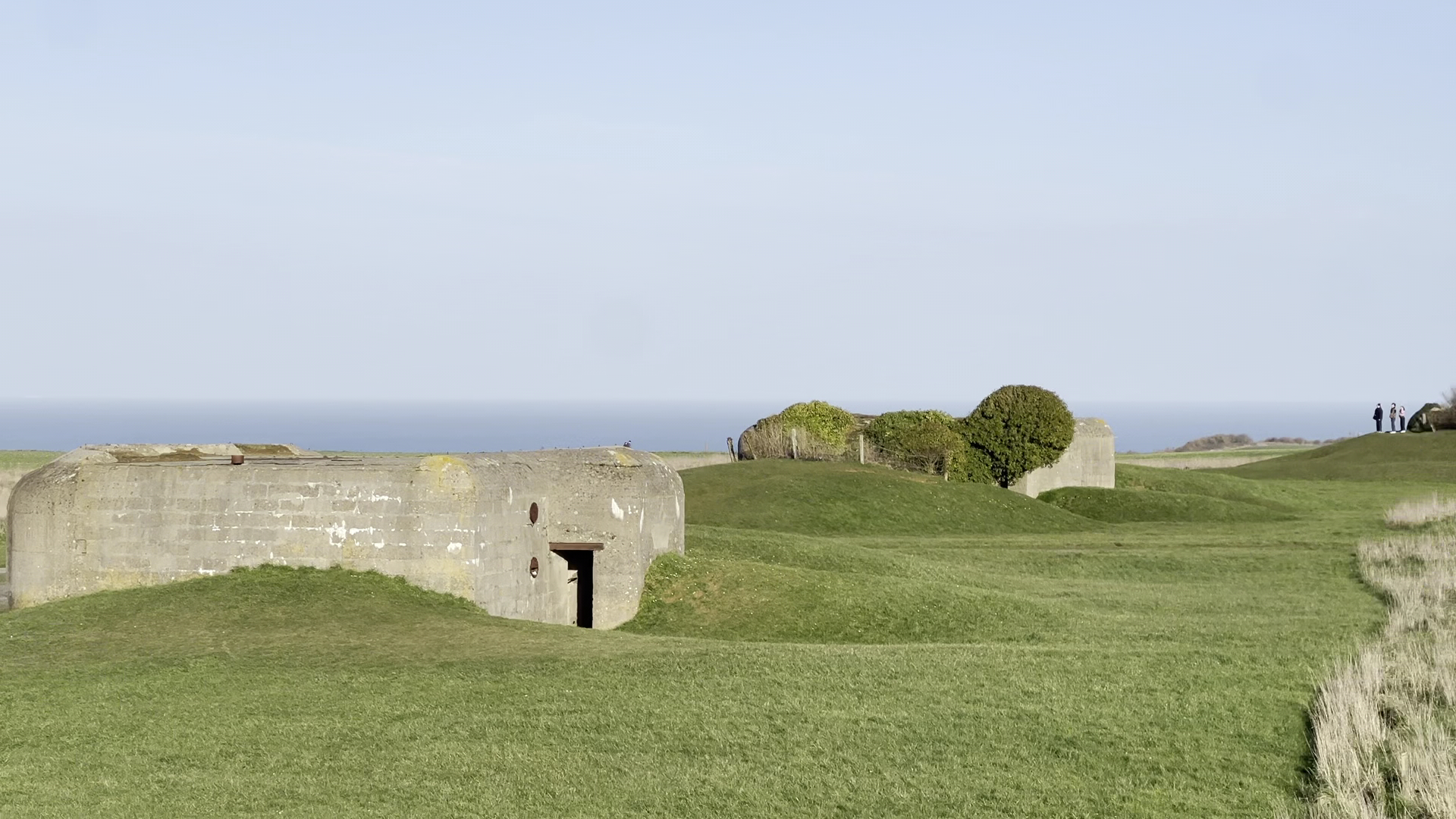
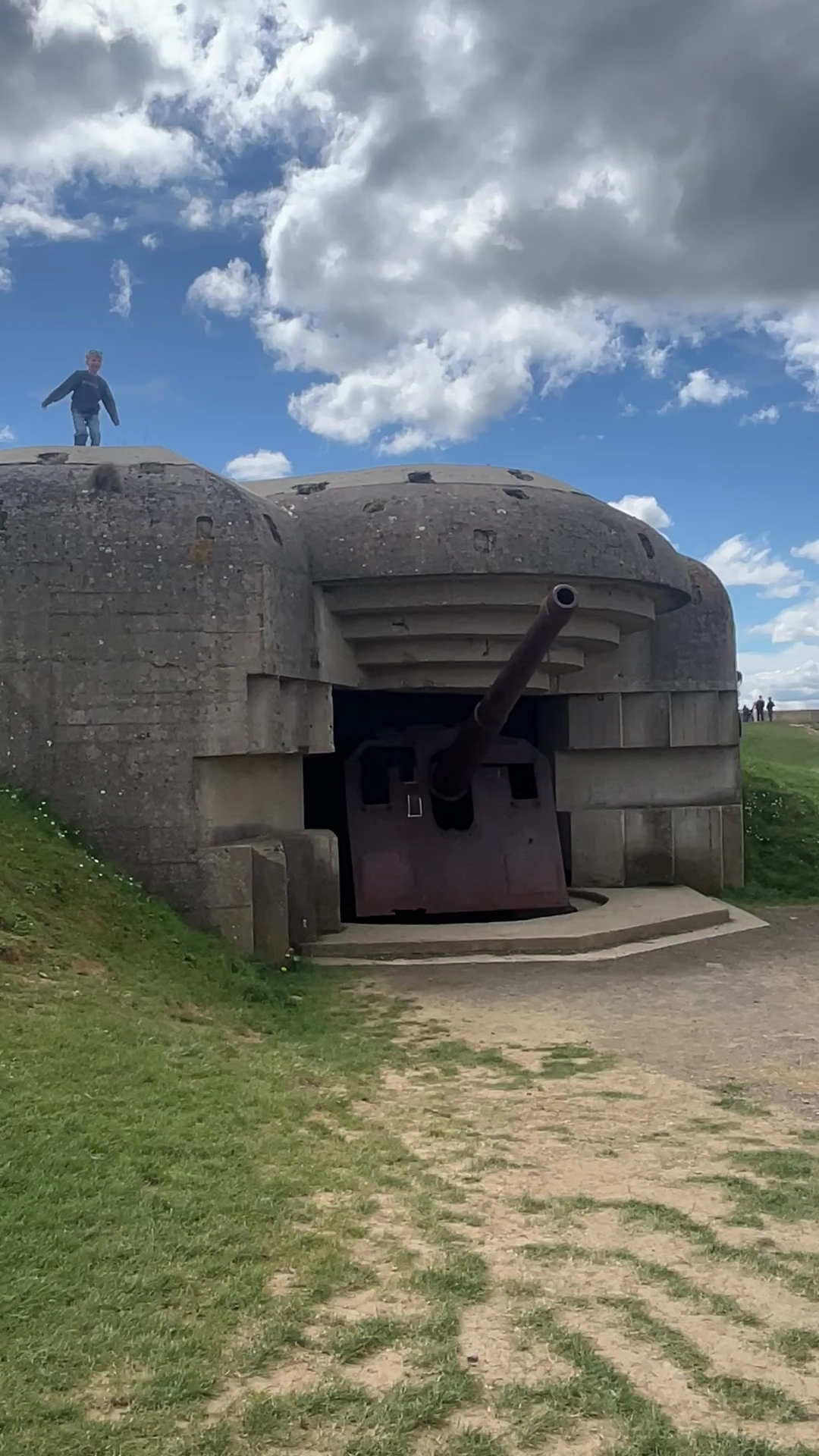
The Longues-sur-Mer battery is a World War II German coastal artillery battery approximately 1 km north of the village of Longues-sur-Mer in Normandy, France.
Nearby attractions
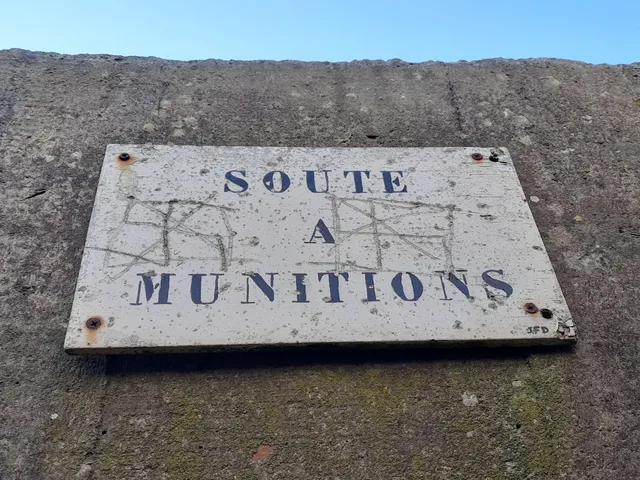
Soute à munitions de Longues-sur-Mer
D104, 14400 Longues-sur-Mer, France
Nearby restaurants
Le Chalet Gourmand
4 Chemin du Grand Champ, 14400 Longues-sur-Mer, France
Nearby hotels
la chambre ô z'amis
6 Voie au Roy, 14400 Longues-sur-Mer, France
Gîtes La Ferme de Longues : Location maisons de vacances familiales proche plage Calvados vacances à la ferme avec animaux
10 Rte d'Arromanches, 14400 Longues-sur-Mer, France
Gîte la Batterie
1 Rte d'Arromanches, 14400 Longues-sur-Mer, France
L'écho des Vagues (Gîte 14 personnes)
44 Route du Chaos, 14400 Longues-sur-Mer, France
Related posts
Keywords
Longues-sur-Mer battery tourism.Longues-sur-Mer battery hotels.Longues-sur-Mer battery bed and breakfast. flights to Longues-sur-Mer battery.Longues-sur-Mer battery attractions.Longues-sur-Mer battery restaurants.Longues-sur-Mer battery travel.Longues-sur-Mer battery travel guide.Longues-sur-Mer battery travel blog.Longues-sur-Mer battery pictures.Longues-sur-Mer battery photos.Longues-sur-Mer battery travel tips.Longues-sur-Mer battery maps.Longues-sur-Mer battery things to do.
Longues-sur-Mer battery things to do, attractions, restaurants, events info and trip planning
Longues-sur-Mer battery
FranceNormandyBayeuxLongues-sur-Mer battery

Basic Info

Longues-sur-Mer battery

39 Rue de la Mer, 14400 Longues-sur-Mer, France
4.6(4.6K)
Open until 12:00 AM
Save
spot

Ratings & Description

Info

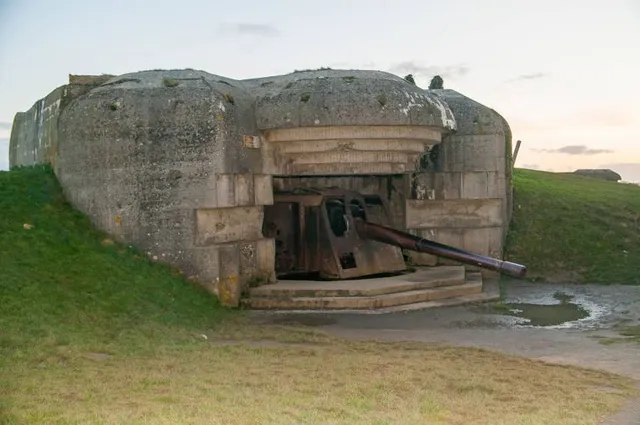
The Longues-sur-Mer battery is a World War II German coastal artillery battery approximately 1 km north of the village of Longues-sur-Mer in Normandy, France.

Cultural
Outdoor
Accessibility
attractions: Soute à munitions de Longues-sur-Mer, restaurants: Le Chalet Gourmand
logoLearn more insights from Wanderboat AI.
Phone
+33 2 31 21 46 87
Open hoursSee all hours
FriOpen 24 hoursOpen

Plan your stay

hotel
Pet-friendly Hotels in Bayeux
Find a cozy hotel nearby and make it a full experience.

hotel
Affordable Hotels in Bayeux
Find a cozy hotel nearby and make it a full experience.

hotel
The Coolest Hotels You Haven't Heard Of (Yet)
Find a cozy hotel nearby and make it a full experience.

hotel
Trending Stays Worth the Hype in Bayeux
Find a cozy hotel nearby and make it a full experience.

Reviews

Nearby attractions of Longues-sur-Mer battery

Soute à munitions de Longues-sur-Mer

Soute à munitions de Longues-sur-Mer

Soute à munitions de Longues-sur-Mer

4.1

(13)

Open 24 hours
Click for details

Things to do nearby

Omaha Beach /American Cemetery/Pointe du Hoc
Mon, Dec 8 • 1:30 PM
14710, Colleville-sur-Mer, France
View details
D-Day Tour
D-Day Tour
Mon, Dec 8 • 8:30 AM
14400, Bayeux, France
View details
Omaha beach explorers
Mon, Dec 8 • 9:30 AM
14710, Saint-Laurent-sur-Mer, France
View details
Nearby restaurants of Longues-sur-Mer battery

Le Chalet Gourmand
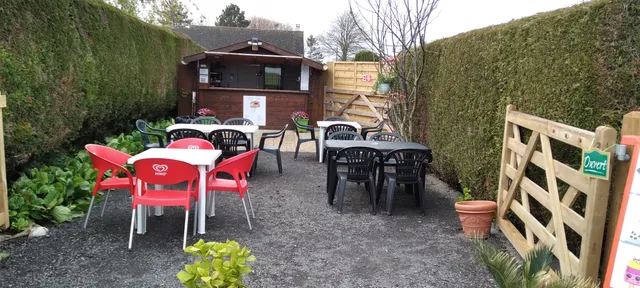
Le Chalet Gourmand

Le Chalet Gourmand

4.6

(43)

Click for details
Get the Appoverlay
Get the AppOne tap to find yournext favorite spots!
Wanderboat LogoWanderboat

Your everyday Al companion for getaway ideas

CompanyAbout Us
InformationAI Trip PlannerSitemap
SocialXInstagramTiktokLinkedin
LegalTerms of ServicePrivacy Policy

Get the app

© 2025 Wanderboat. All rights reserved.
logo

Reviews of Longues-sur-Mer battery

4.6
(4,608)
avatar
5.0
7y

The Longues-sur-Mer battery was a WW II German artillery battery constructed near the French village of Longues-sur-Mer in Normandy. The battery was sited on a 60 m cliff overlooking the sea It was build in 1943 and would have four casemates of regelbau type M272 with a 150mm TK C/36 marine gun, it would be named WN48 It was located between the Allied landing beaches of Gold and Omaha and shelled both beaches on D-Day. Fire control was managed from a regelbau type M262A two-story command post located 300m in front of the guns on the cliff edge. During the build up to D-Day the battery was attacked by aircraft on several occasions, but little damage was inflicted on the casemates. During D-Day, WN48 engaged with several warships like the British cruisers Ajax and Argonaut. The French cruisers Georges Leygues and Montcalm, assisted by USS Arkansas returned fire on the battery. The return fire knocked out one casemate and damaged two others. The battery had little impact on the Allied landings and was captured pretty easy on June 7 and played no further part in the Normandy campaign. The 15 cm TbtsK C/36 was a German medium-caliber naval gun deployed on Type 1936A destroyers during WWII. The C/36 gun was developed in 1932 after the Reichsmarine approved a new program for 1,500 tonnes destroyers. These were to have main guns of a 12.7-centimetre caliber, in order to match or exceed the firepower of other countries destroyers. The guns caused serious issues when actually placed upon ships however, as they added significant weight high up on the ships. To deal with this increase in weight, the destroyers had one gun removed, sometimes with a twin gun being used in order to keep five guns. The C/36 would see service from 1942, until the end of the war. The C/36 gun was installed in a number of static gun batteries for coastal defence. In Normandy, the Longues-sur-Mer battery had four steel-reinforced concrete casemates each with a C/36 naval gun. During D-Day 3 guns were knocked out and only the fourth gun was still active and was left undamaged. The first gun was later blown up in a ammunition explosion, which destroyed the casemate...

   Read more
avatar
5.0
40w

Fascinating and very well preserved gun battery, Wn48, at Longues-sur-Mer. All the guns in the casemates (the concrete gun positions, model M272 Regelbau, with 2m thick walls) are authentic from WW2. They are 150mm C/36 naval guns with a 20km range, covering Gold Beach. Construction began in January 1944 and mostly ended in April 1944. On the cliff edge you can find the M262 A Fire Control bunker - this position controlled the guns by armoured telephone cables, although these cables were quickly cut during the actual invasion limiting its effectiveness. The bunker was also a filming location for "The Longest Day".

There is marked trail that takes you around the site with very good information boards, covering the local geography, geology, flora and fauna as well as going into the military history in great detail.

Walking along the cliff-top to the east gives a great view of the end of Gold Beach, Arromanches and the remains of the Mulberry Harbour.

During the run up to D-day over 600 tons of bombs were dropped on the position and ships such as HMS Ajax exchanged fire with Wn48. Wn48 fired a total of 115 shells towards allied forces (the ships and beaches) during the day. Incoming fore from the French George Leygues, the Moncalm and the USS Arkansas destroyed or damaged the guns.

On 7th June there was a further air raid before the position was captured by troops from the 2nd Devonshires, with 120 POWs taken.

The destruction visible on Casemate 4 is post D-Day. The location was being used by the British RAF as ammunition storage when it accidentally ignited, killing 4 soldiers.

Nearby the position the allies built a temprary landing field, B11, that was used by several RAF, RAAF and RCAF squadrons, including aces such as P. Clostermann and J. Remlinger. The is a memorial to them on the site.

Finally there is a good looking visitor centre on site and ample...

   Read more
avatar
5.0
3y

This German artillery battery was one of the best located to oppose the landings of 6 June 1944, it was positioned directly opposite the Allied fleet and right between Omaha and Gold landing. As a part of the Atlantic Wall coastal fortifications, it was built by the German navy at the beginning of 1944 and completed in four months. It consisted of four 150mm guns in concrete bunkers, and one 120mm gun. On D-Day, the Longues-sur-Mer battery delivered a protracted duel with the Allied fleet, forcing some of the vessels to retreat in order to avoid being hit. However, the five guns of the battery were gradually silenced, some being destroyed by direct hits. Finally, British troops landing at Gold Beach took over the position on 7 June, capturing the survivors of the garrison of 180 men. Today, the site is one of the best-preserved in France and the only one where you can still see some of the original cannon, capable at the time of firing shells weighing 45kg at a...

   Read more
Page 1 of 7
Previous
Next

Posts

Richard Van santenRichard Van santen
The Longues-sur-Mer battery was a WW II German artillery battery constructed near the French village of Longues-sur-Mer in Normandy. The battery was sited on a 60 m cliff overlooking the sea It was build in 1943 and would have four casemates of regelbau type M272 with a 150mm TK C/36 marine gun, it would be named WN48 It was located between the Allied landing beaches of Gold and Omaha and shelled both beaches on D-Day. Fire control was managed from a regelbau type M262A two-story command post located 300m in front of the guns on the cliff edge. During the build up to D-Day the battery was attacked by aircraft on several occasions, but little damage was inflicted on the casemates. During D-Day, WN48 engaged with several warships like the British cruisers Ajax and Argonaut. The French cruisers Georges Leygues and Montcalm, assisted by USS Arkansas returned fire on the battery. The return fire knocked out one casemate and damaged two others. The battery had little impact on the Allied landings and was captured pretty easy on June 7 and played no further part in the Normandy campaign. The 15 cm TbtsK C/36 was a German medium-caliber naval gun deployed on Type 1936A destroyers during WWII. The C/36 gun was developed in 1932 after the Reichsmarine approved a new program for 1,500 tonnes destroyers. These were to have main guns of a 12.7-centimetre caliber, in order to match or exceed the firepower of other countries destroyers. The guns caused serious issues when actually placed upon ships however, as they added significant weight high up on the ships. To deal with this increase in weight, the destroyers had one gun removed, sometimes with a twin gun being used in order to keep five guns. The C/36 would see service from 1942, until the end of the war. The C/36 gun was installed in a number of static gun batteries for coastal defence. In Normandy, the Longues-sur-Mer battery had four steel-reinforced concrete casemates each with a C/36 naval gun. During D-Day 3 guns were knocked out and only the fourth gun was still active and was left undamaged. The first gun was later blown up in a ammunition explosion, which destroyed the casemate and the gun.
Byron FarrowByron Farrow
Fascinating and very well preserved gun battery, Wn48, at Longues-sur-Mer. All the guns in the casemates (the concrete gun positions, model M272 Regelbau, with 2m thick walls) are authentic from WW2. They are 150mm C/36 naval guns with a 20km range, covering Gold Beach. Construction began in January 1944 and mostly ended in April 1944. On the cliff edge you can find the M262 A Fire Control bunker - this position controlled the guns by armoured telephone cables, although these cables were quickly cut during the actual invasion limiting its effectiveness. The bunker was also a filming location for "The Longest Day". There is marked trail that takes you around the site with very good information boards, covering the local geography, geology, flora and fauna as well as going into the military history in great detail. Walking along the cliff-top to the east gives a great view of the end of Gold Beach, Arromanches and the remains of the Mulberry Harbour. During the run up to D-day over 600 tons of bombs were dropped on the position and ships such as HMS Ajax exchanged fire with Wn48. Wn48 fired a total of 115 shells towards allied forces (the ships and beaches) during the day. Incoming fore from the French George Leygues, the Moncalm and the USS Arkansas destroyed or damaged the guns. On 7th June there was a further air raid before the position was captured by troops from the 2nd Devonshires, with 120 POWs taken. The destruction visible on Casemate 4 is post D-Day. The location was being used by the British RAF as ammunition storage when it accidentally ignited, killing 4 soldiers. Nearby the position the allies built a temprary landing field, B11, that was used by several RAF, RAAF and RCAF squadrons, including aces such as P. Clostermann and J. Remlinger. The is a memorial to them on the site. Finally there is a good looking visitor centre on site and ample car parking.
FLnurseER1FLnurseER1
This German artillery battery was one of the best located to oppose the landings of 6 June 1944, it was positioned directly opposite the Allied fleet and right between Omaha and Gold landing. As a part of the Atlantic Wall coastal fortifications, it was built by the German navy at the beginning of 1944 and completed in four months. It consisted of four 150mm guns in concrete bunkers, and one 120mm gun. On D-Day, the Longues-sur-Mer battery delivered a protracted duel with the Allied fleet, forcing some of the vessels to retreat in order to avoid being hit. However, the five guns of the battery were gradually silenced, some being destroyed by direct hits. Finally, British troops landing at Gold Beach took over the position on 7 June, capturing the survivors of the garrison of 180 men. Today, the site is one of the best-preserved in France and the only one where you can still see some of the original cannon, capable at the time of firing shells weighing 45kg at a distance 22km.
See more posts
See more posts
hotel
Find your stay

Pet-friendly Hotels in Bayeux

Find a cozy hotel nearby and make it a full experience.

The Longues-sur-Mer battery was a WW II German artillery battery constructed near the French village of Longues-sur-Mer in Normandy. The battery was sited on a 60 m cliff overlooking the sea It was build in 1943 and would have four casemates of regelbau type M272 with a 150mm TK C/36 marine gun, it would be named WN48 It was located between the Allied landing beaches of Gold and Omaha and shelled both beaches on D-Day. Fire control was managed from a regelbau type M262A two-story command post located 300m in front of the guns on the cliff edge. During the build up to D-Day the battery was attacked by aircraft on several occasions, but little damage was inflicted on the casemates. During D-Day, WN48 engaged with several warships like the British cruisers Ajax and Argonaut. The French cruisers Georges Leygues and Montcalm, assisted by USS Arkansas returned fire on the battery. The return fire knocked out one casemate and damaged two others. The battery had little impact on the Allied landings and was captured pretty easy on June 7 and played no further part in the Normandy campaign. The 15 cm TbtsK C/36 was a German medium-caliber naval gun deployed on Type 1936A destroyers during WWII. The C/36 gun was developed in 1932 after the Reichsmarine approved a new program for 1,500 tonnes destroyers. These were to have main guns of a 12.7-centimetre caliber, in order to match or exceed the firepower of other countries destroyers. The guns caused serious issues when actually placed upon ships however, as they added significant weight high up on the ships. To deal with this increase in weight, the destroyers had one gun removed, sometimes with a twin gun being used in order to keep five guns. The C/36 would see service from 1942, until the end of the war. The C/36 gun was installed in a number of static gun batteries for coastal defence. In Normandy, the Longues-sur-Mer battery had four steel-reinforced concrete casemates each with a C/36 naval gun. During D-Day 3 guns were knocked out and only the fourth gun was still active and was left undamaged. The first gun was later blown up in a ammunition explosion, which destroyed the casemate and the gun.
Richard Van santen

Richard Van santen

hotel
Find your stay

Affordable Hotels in Bayeux

Find a cozy hotel nearby and make it a full experience.

Get the Appoverlay
Get the AppOne tap to find yournext favorite spots!
Fascinating and very well preserved gun battery, Wn48, at Longues-sur-Mer. All the guns in the casemates (the concrete gun positions, model M272 Regelbau, with 2m thick walls) are authentic from WW2. They are 150mm C/36 naval guns with a 20km range, covering Gold Beach. Construction began in January 1944 and mostly ended in April 1944. On the cliff edge you can find the M262 A Fire Control bunker - this position controlled the guns by armoured telephone cables, although these cables were quickly cut during the actual invasion limiting its effectiveness. The bunker was also a filming location for "The Longest Day". There is marked trail that takes you around the site with very good information boards, covering the local geography, geology, flora and fauna as well as going into the military history in great detail. Walking along the cliff-top to the east gives a great view of the end of Gold Beach, Arromanches and the remains of the Mulberry Harbour. During the run up to D-day over 600 tons of bombs were dropped on the position and ships such as HMS Ajax exchanged fire with Wn48. Wn48 fired a total of 115 shells towards allied forces (the ships and beaches) during the day. Incoming fore from the French George Leygues, the Moncalm and the USS Arkansas destroyed or damaged the guns. On 7th June there was a further air raid before the position was captured by troops from the 2nd Devonshires, with 120 POWs taken. The destruction visible on Casemate 4 is post D-Day. The location was being used by the British RAF as ammunition storage when it accidentally ignited, killing 4 soldiers. Nearby the position the allies built a temprary landing field, B11, that was used by several RAF, RAAF and RCAF squadrons, including aces such as P. Clostermann and J. Remlinger. The is a memorial to them on the site. Finally there is a good looking visitor centre on site and ample car parking.
Byron Farrow

Byron Farrow

hotel
Find your stay

The Coolest Hotels You Haven't Heard Of (Yet)

Find a cozy hotel nearby and make it a full experience.

hotel
Find your stay

Trending Stays Worth the Hype in Bayeux

Find a cozy hotel nearby and make it a full experience.

This German artillery battery was one of the best located to oppose the landings of 6 June 1944, it was positioned directly opposite the Allied fleet and right between Omaha and Gold landing. As a part of the Atlantic Wall coastal fortifications, it was built by the German navy at the beginning of 1944 and completed in four months. It consisted of four 150mm guns in concrete bunkers, and one 120mm gun. On D-Day, the Longues-sur-Mer battery delivered a protracted duel with the Allied fleet, forcing some of the vessels to retreat in order to avoid being hit. However, the five guns of the battery were gradually silenced, some being destroyed by direct hits. Finally, British troops landing at Gold Beach took over the position on 7 June, capturing the survivors of the garrison of 180 men. Today, the site is one of the best-preserved in France and the only one where you can still see some of the original cannon, capable at the time of firing shells weighing 45kg at a distance 22km.
FLnurseER1

FLnurseER1

See more posts
See more posts