Saint-Sauveur-le-Vicomte Castle things to do, attractions, restaurants, events info and trip planning

Basic Info
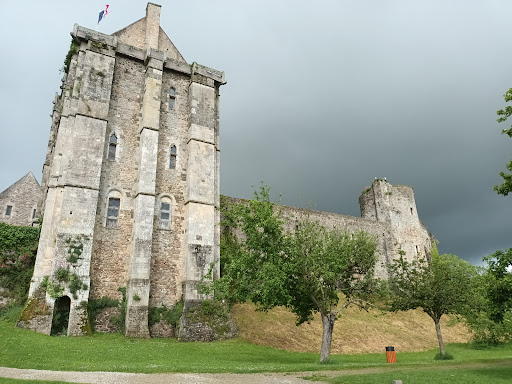
Saint-Sauveur-le-Vicomte Castle
50390 Saint-Sauveur-le-Vicomte, France
4.3(485)
Open 24 hours
Save
spot
spot
Ratings & Description
Info
The Château de Saint-Sauveur-le-Vicomte is a ruined castle in the commune of Saint-Sauveur-le-Vicomte in the Manche département of France. The castle, dating from the 11th and 12th centuries, was besieged twice during the Hundred Years' War. The remains consist of a fortified enceinte with towers and a massive keep.
Cultural
Scenic
Family friendly
Accessibility
attractions: Musée BARBEY D'AUREVILLY, restaurants: Le Nid de la Linotte, Le Rideau Cramoisi, local businesses:
 Learn more insights from Wanderboat AI.
Plan your stay

Pet-friendly Hotels in Cherbourg
Find a cozy hotel nearby and make it a full experience.

Affordable Hotels in Cherbourg
Find a cozy hotel nearby and make it a full experience.

The Coolest Hotels You Haven't Heard Of (Yet)
Find a cozy hotel nearby and make it a full experience.

Trending Stays Worth the Hype in Cherbourg
Find a cozy hotel nearby and make it a full experience.
Reviews
Live events

Utah Beach and Airborne road trip
Wed, Feb 25 • 2:00 PM
50480, Sainte-Marie-du-Mont, France
View details
Nearby attractions of Saint-Sauveur-le-Vicomte Castle
Musée BARBEY D'AUREVILLY

Musée BARBEY D'AUREVILLY
4.3
(23)
Open 24 hours
Click for details
Nearby restaurants of Saint-Sauveur-le-Vicomte Castle
Le Nid de la Linotte
Le Rideau Cramoisi

Le Nid de la Linotte
5.0
(38)
Open until 7:00 PM
Click for details

Le Rideau Cramoisi
4.4
(219)
Closed
Click for details