In the city of Fresnes, a suburb south of Paris, the eco-museum is interested in the themes that concern the local populations and the way they live on the territory (urbanization, work, television, donation, immigration , the status of women, objects and their memory)
Val de Bièvre is the westernmost part of the Val de Marne department (94).
The eco-museum works on the theme of the suburbs and its "heritage in the making". He is particularly interested in the period from 1850 to today and the memory of mutations; disappearance and appearance of patrimonies, practices, symbols. The inhabitants of Val de Bièvre are invited to be actors of their ecomuseum by proposing cultural actions, exhibition, visits, ...
History In 1976, the Mayor of Fresnes, Mr. André Villette, at the request of two Fresnois, decided to initiate a feasibility study for the creation of an ecomuseum.
1979, Ecomusée designed by Françoise Wasserman will be launched in October: creation of a resource center on local history, beginning of the collection of movable and oral heritage, realization of the first exhibition "the child and the school, yesterday and today ".
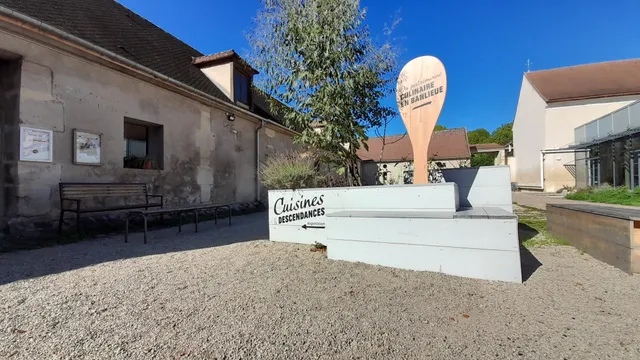
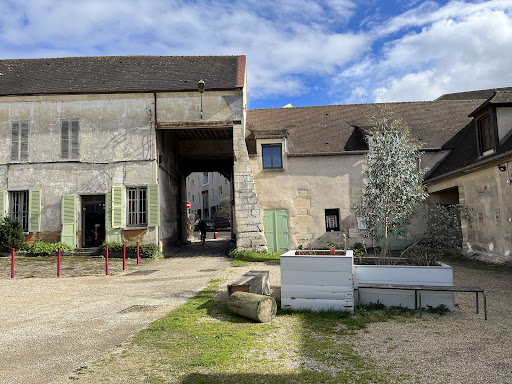
1984, inauguration of the Ecomuseum's headquarters in the Cottinville farm.
1986, creation of workshops heritage and creation, said workshops of the Imaginary.
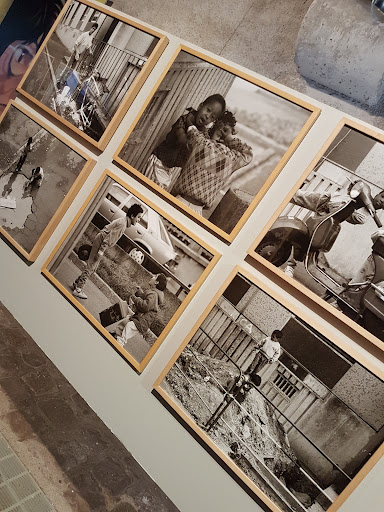
1991, exhibition on the prison and exhibition on the Hip-Hop movement.
The eco-museum decides to "give the floor to minorities, to the excluded of history and museums". The contemporary approach and themes related to the suburbs appear.
Since 1990, taking into account the recent evolution of the municipality became suburban territory.
2006, the management of the ecomuseum is transferred to the Community of Agglomeration of Val de Bièvre. It becomes an ecomuseum of Val de Bièvre. His work covers this expanded territory: Arcueil, Cachan, Fresnes, Gentilly, Kremlin-Bicêtre, Haÿ-les-Roses and Villejuif.
The research themes are increasingly focused on the history and news of the suburbs.
The territory

The territory of the Val de Bièvre extends perpendicularly to the ring road from the Paris border to the first communes still possessing rural areas (Wissous). It is a geographical unit reflecting the history of the suburbs. It is particularly interesting because it represents the evolution of a peripheral area of the capital that has evolved from "rural" to "dense suburb" through "peri-urban" and "loose suburbs". The phenomenon of urban densification is still at work.
This territory is indicative of the emergence of an area called "suburbs" which was built from the second half of the nineteenth century in an incessant game of exchanges with the capital and the regions, still in progress. From the 1930s, it is part of the "red suburb", made up of working-class cities.
All the communes of Val de Bièvre are located on the northern tip of the Longboyau plateau. Bièvre (in the west) and the Seine (in the east) by digging their bed in the sedimentary lands of Brie have made this plateau emerge. The Bièvre bordering the Val de Bièvre on its western side, is the boundary between Beauce (west) and...
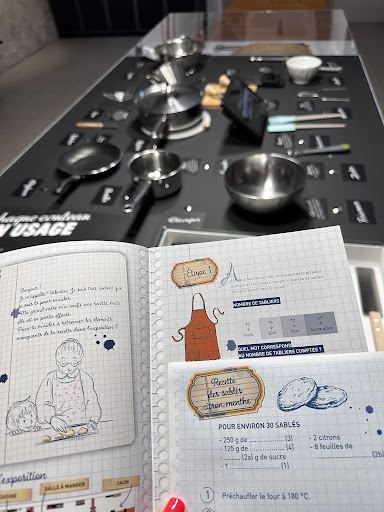
Read moreTrès bonne surprise ce musée. Exposition sur la cuisine passionnante et ludique qui met en avant des gens du coin. Et surtout un musée inclusif qui tient compte de tous les publics : un livret d'exposition facile à lire, des sièges pliables, des vidéos en langue des signes... Deux espaces pour les enfants : une petite cuisine où ils peuvent jouer et un espace de coloriages. Félicitations au personnel de ce musée pour leur travail ! En plus le musée est gratuit : que...
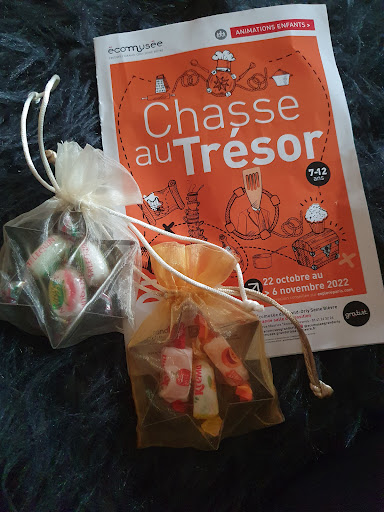
Read moreUn lieu exceptionnel. Nous ne nous attendions pas à grand chose, et quelle belle surprise: une visite ludique, très bien optimisée sur le minimum d’espace. Des explications intéressantes, un livret bien fait pour les enfants, la visite accompagnée en éveillant tous les sens: nous pouvions toucher, sentir, les enfants ont beaucoup apprécié les supports numériques… et tout cela gratuitement! Merci, nous avons adoré...
Read more