The weather during our visit was very changeable. The heavy drizzle in between created a suitable atmosphere, because life was certainly not comfortable back then.
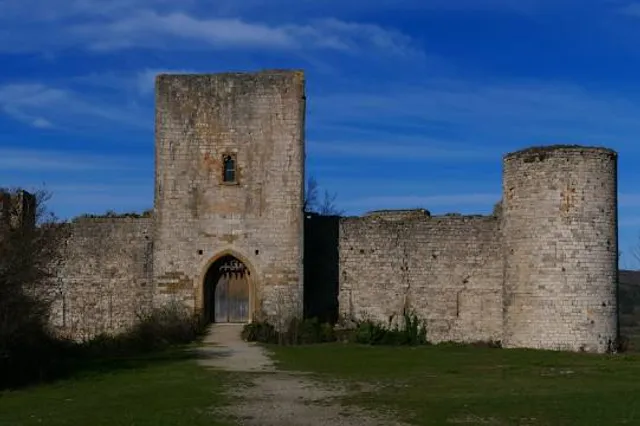
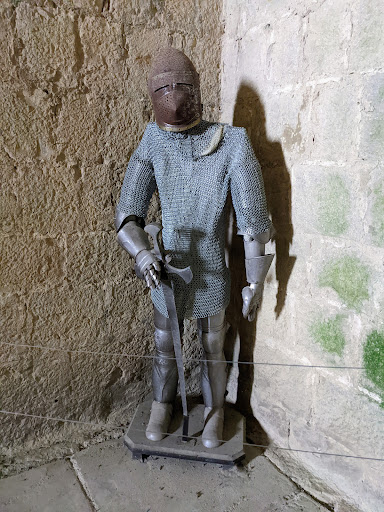
Luckily the castle is not only made of old stones - although it already looks very dilapidated - it also offers a kind of museum on four floors in one of the big towers. That way we stayed dry and were able to familiarize ourselves even better with life back then. Knight's hall, music hall and a chapel with many original props. Don't forget your flashlight at your smart phone!
Just as the driveway to the parking lot with a 12% gradient and a one-lane road is not for everyone, the castle and the stairs to the floors are guaranteed not to be barrier-free. But the view and the atmosphere were unique and fortunately there weren't that many other tourists there in this weather.
The 7€ entrance fee per person is justified, because such a castle cannot survive...
Read moreDie Burg Puivert (Château de Puivert) in der Region Okzitanien in Südfrankreich ist ein faszinierendes Ziel für alle, die sich für die Geschichte der Katharer und die mittelalterliche Kultur der Troubadoure begeistern.
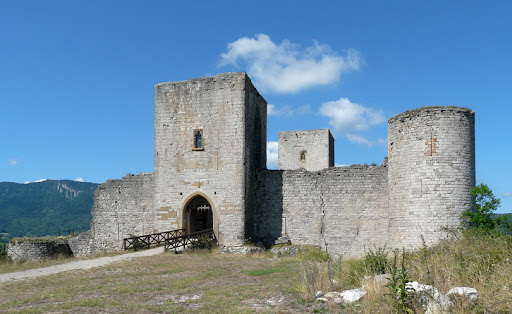
Im Vergleich zu den oft schwindelerregend auf Felsen thronenden "Adlernestern" der Katharerburgen liegt Puivert auf einer relativ sanften Anhöhe, was den Besuch angenehm macht. Die Burg ist eine der am besten erhaltenen Festungen aus dem 14. Jahrhundert in der Gegend und bietet einen tiefen Einblick in die Vergangenheit.
Highlights der Burg Der beeindruckende Bergfried (Donjon): Mit seinen rund 35 Metern Höhe dominiert der quadratische Bergfried das Gelände und ist das am besten erhaltene Element der Burg. Man kann ihn besteigen und wird mit einem spektakulären Blick über das Quercorb-Tal, den nahe gelegenen See und die schneebedeckten Pyrenäengipfel belohnt.
Die "Salle des Musiciens" (Musikersaal): Im vierten Stock des Bergfrieds befindet sich dieser einzigartige Saal. An den Gewölbeansätzen sind acht kunstvolle Skulpturen von Musikern mit ihren mittelalterlichen Instrumenten (wie Sackpfeife, Drehleier, Laute, Portativ-Orgel) zu sehen. Diese ikonografische Darstellung ist ein europaweites Juwel und erinnert an die Zeit, als Puivert ein Treffpunkt berühmter Troubadoure war.
Die Burgkapelle: Im dritten Stock des Bergfrieds untergebracht, zeugt sie mit ihren gotischen Spitzbogennischen und Verzierungen von der Baukunst der Zeit.
Das Ambiente und die Filmkulisse: Die Burg, die in einem rechteckigen Grundriss über 3.200 m² Fläche umfasst, strahlt eine besondere Ruhe und Eleganz aus. Sie diente aufgrund ihres guten Zustands bereits als Kulisse für mehrere Filme, darunter der Mystery-Thriller „Die neun Pforten“ mit Johnny Depp.
Praktische Hinweise für Ihren Besuch Geschichte erleben: Die Burg, die ursprünglich im 12. Jahrhundert erbaut, 1210 von Kreuzfahrern eingenommen und im 14. Jahrhundert in ihrer heutigen Form neu errichtet wurde, ist eng mit dem Katharismus und der provenzalischen Dichtkunst verbunden.
Musée du Quercorb: Ergänzend zur Burgbesichtigung empfiehlt sich ein Besuch des nahegelegenen Museums im Ort Puivert. Es widmet sich der regionalen Volkskunde und insbesondere der mittelalterlichen Musik und den Instrumenten der Troubadoure.
Die Burg liegt etwa 60 km südwestlich von Carcassonne und ist vom Dorf Puivert aus gut zu Fuß zu erreichen. Sie ist ein beliebter Stopp entlang des Sentier Cathare (Katharerweg).
Die Burg Puivert ist ein absolutes Muss für alle, die das Languedoc-Roussillon und das Pays Cathare bereisen. Sie vereint eine spannende katharische Geschichte mit einem einzigartigen kulturellen Erbe der Troubadoure. Der fantastisch erhaltene Bergfried und die Aussicht machen den Besuch zu einem...
Read more(Fr & En) Le château de Puivert est un ancien château fort dit cathare du XIIème siècle, ce vestige qui se dresse sur la commune française de Puivert, dans le département de l'Aude, en région Occitanie est classé au titre des monuments historiques par arrêté du 6 juillet 1907.
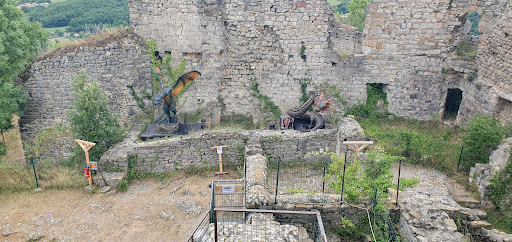
Un peu d'histoire...? 😉 La construction daterait du XIIème siècle. Les premières mentions de l'édifice remontent à 1152 et appartient alors à la famille de Congost, au moment de la croisade des albigeois. Ces seigneurs puissants du Quercorb, accueillent régulièrement les « grands », dont Aliénor d'Aquitaine. Ils pratiquent le catharisme et sont montrés comme des hérétiques. Ainsi, en novembre 1210, le château subit un siège de trois jours par l'armée de Thomas Pons de Bruyère, lieutenant de Simon de Montfort. Au début du XIVème siècle, Thomas de Bruyères et sa femme Isabelle de Melun, font reconstruire le « nouveau château », dans le prolongement du "vieux château" dont les vestiges, à l'ouest, sont toujours visibles. Depuis sa vente en 1995 par la famille de Puivert à des particuliers, la famille Mignard, le château à servi pour des tournages (La Neuvième Porte, Le Peuple migrateur, La Passion Béatrice, etc.) grâce à son donjon très bien conservé.
English -
The castle of Puivert is an old castle called Cathar of the XIIth century, this vestige which stands on the French commune of Puivert, in the department of Aude, in the Occitanie region is classified as historical monuments by decree of July 6 1907.
A little history...? 😉 The construction dates from the 12th century. The first mentions of the building date back to 1152 and then belonged to the Congost family, at the time of the Albigensian crusade. These powerful lords of Quercorb regularly welcome the "greats", including Eleanor of Aquitaine. They practice Catharism and are shown as heretics. Thus, in November 1210, the castle suffered a three-day siege by the army of Thomas Pons de Bruyère, lieutenant of Simon de Montfort. At the beginning of the 14th century, Thomas de Bruyères and his wife Isabelle de Melun had the "new castle" rebuilt, as an extension of the "old castle", the remains of which, to the west, are still visible. Since its sale in 1995 by the Puivert family to individuals, the Mignard family, the castle has been used for filming (La Ninth Porte, Le Peuple migrateur, La Passion Béatrice, etc.) thanks to its very well...
Read more