Moving...
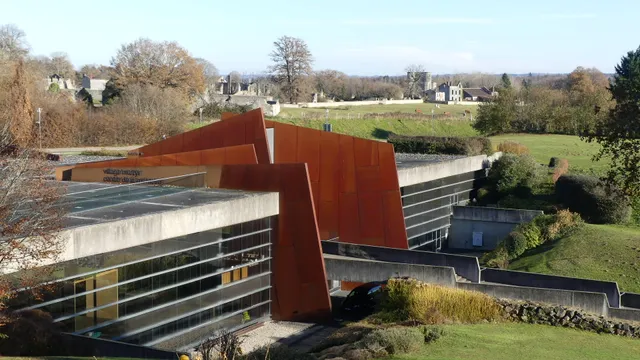
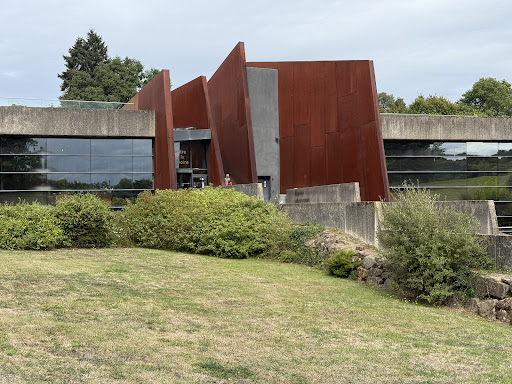
I was deeply moved by my visit here. I wanted to read everything on every wall and to listen to every word in my ear on the audio device. On the way out of the centre, there's a corridor and every victim is memorialised by a photo, if one could be found, on a porcelain tile. If a photo couldn't be found, the tile was left blank with their name inscribed. So many children, whole families, just wiped out. Seeing their faces was very emotional. I looked at each one and in my head, said, "I'll remember you" and I will. After leaving the centre, a path leads you into the old village which stands exactly as the Nazi's left it... razed to the ground and left in ruins with burned out cars left where they were parked, outside a cafe or in a garage. The place is eerie, like a ghost town. The odd pot or pan can still be seen hanging in cookery nooks. Metal bed-frames are still in bedrooms, sewing machines lie on floors, the wooden tables they were on turned to ash and blown away, bicycles lean against walls. Only stone and metal survived the massacre and some bone fragments of victims. The fragments were collected and placed in small glass coffins at the base of the tall memorial in the graveyard. I could've spent hours and hours in the old village but my companion didn't seem as interested as I was... so we left having only seen maybe half of the village.
This is not a fun day out by any means but massacres like this mustn't be forgotten, especially given the current swing to the right in Europe and the USA. I wish everyone could experience this place... it might shut some racist, xenophobic, mouths. Education is key and this place is just that. I learned a lot and was very moved by my visit. I'll never forget my time here nor the victims of...
Read moreEn Français (English below): le village vaut le détour, mais le musée est très désorganisé et ne répond pas aux questions importantes vis à vis de ce massacre. J'y ai passé pas mal de temps a lire pleins d'infos qui ne sont pas super liées à ce qu'il s'est passé là bas. Le petit film est la seule partie intéressante, même s'il répond à très peu de questions.
The village is worth visiting for sure, and if you can see the movie shown inside the museum, it's good too. However, I was not super impressed about the museum. It puts pseudo random facts in ways that don't seem linked or logical. There are 2 walls facing one another with a different timeline and facts and you're not sure why they are there or how you're supposed to follow them. In a nutshell, there is no logical flow. Ultimately, the biggest problem is that the museum gives very little information on why the germans decided to massacre everyone there, why they selected this village, why they chose do it that way, and which generals/commanders were responsible and whether they were found. I found out by asking that not everything is know, but it's much better to state what isn't known than just not...
Read moreIf you’re arriving in a vehicle more than 2.15m high you’ll need to park either in one of the designated ´payant’ places or in the car park nearest to the village as there is a height restriction. I parked about 50m up the road from the visitor centre in a ‘payant’ parking place. €4 provides for 4 hours. The preserved village is free to enter but I’d recommend doing the historical tour with an audio guide (unless you’re fluent in French) first. Entry to the Historical and ´Objects’ exhibition is just €9 for the two and very good value at that. Once you have the background history, the experience of walking around this scene of such tragic devastation some 80+ years after it happened, is beyond modern day comprehension. It is deeply moving. One can only be grateful for the relative peace and security we are fortunate enough to live in. May the 643 souls who perished at the hands of such barbarism live on forever. Viva la...
Read more