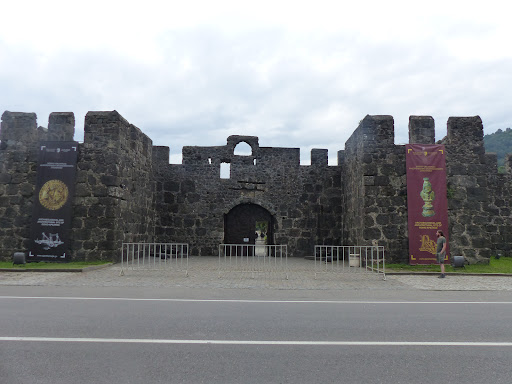
Gonio-Apsaros Fortress, located near Batumi on the picturesque Black Sea coast, is a captivating blend of history, architecture, and natural beauty. This ancient Roman fortification, dating back to the 1st century AD, serves as a vivid testament to Georgia's rich and diverse past.
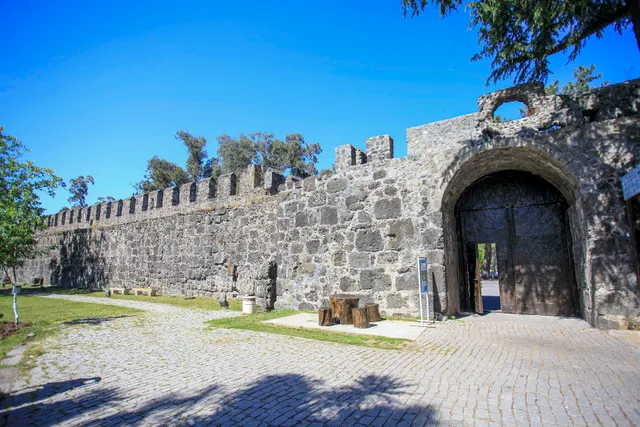
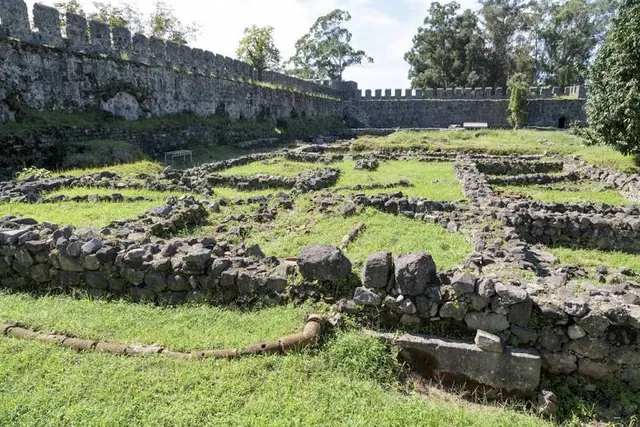
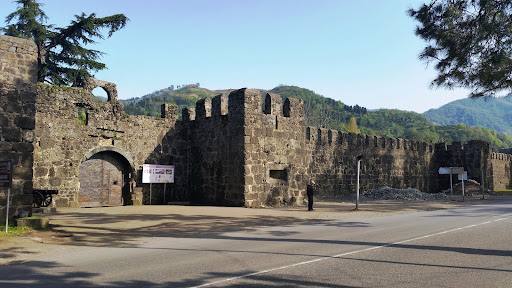
The fortress is well-preserved and surrounded by imposing stone walls that transport visitors back in time. Its strategic location, once part of the Roman and Byzantine empires, played a significant role in regional trade and military history. Inside, remnants of Roman baths, barracks, and various artifacts offer a glimpse into the lives of those who once inhabited the site. The small museum on-site provides valuable context, displaying relics unearthed during excavations.
Gonio-Apsaros is also steeped in myth and legend, believed to be the burial site of Apsaros, son of the Colchian king Aeëtes from Greek mythology. This connection adds a layer of mystique, making it a must-visit for history buffs and cultural enthusiasts alike.
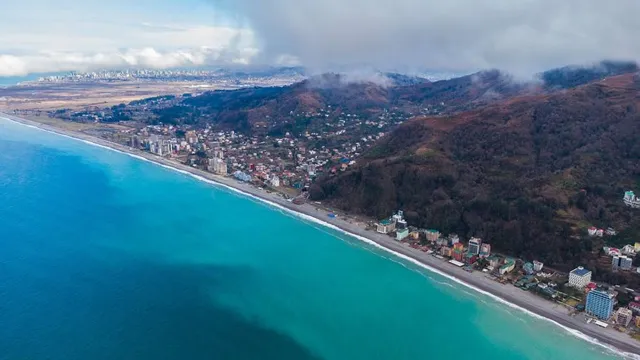
Surrounded by lush greenery and offering stunning views of the nearby mountains, the fortress is an ideal destination for photographers and nature lovers. Conveniently accessible from Batumi, it is perfect for a day trip. Gonio-Apsaros Fortress truly combines historical intrigue with scenic charm, leaving visitors both educated...
Read moreAbout 12 kilometers from the old center of Batumi, on the south side of the mouth of the Chorochi River, stands one of the best preserved structures from antiquity: the Gonio Fortress (also known as Apsaros). It is not clear when the fortress was founded, the first written mention, by Pliny the Elder, dates from the 1st century AD. Apsaros was a well-fortified city on the outskirts of the Roman Empire that even had a theater and a hippodrome. Roman rule changed to Byzantine, and the name changed to Akampsis in the 10th century. In the 12th century the city fell into the hands of Georgian kings and was given its current name Gonio in the 14th century. In 1547 the fortress fell into the hands of the Ottomans, who remained there until 1878. After the fortress fell into Russian hands, it lost its importance and fell into disuse. Within the walls of the fortress is said to be the tomb of Matthias, the apostle who took the place of Judas Iscariot after his betrayal. However, this cannot be verified as the Georgian government prohibits excavations of the graves within the fortress. All in all, the well-preserved Gonio fortress is an interesting destination, and not just for...
Read moreBest place to, enjoy ancient atmospher and full with great energy. You can go around the castle wall where soldiers were standing their watches, also you can see some technics they used in ancient times. The best Time to go there is by april there will not be that much people like in season, May till August, and the guard even didnt charge for entry which was nice surprise for us. Any way you should carry with you a student id if you are student of course for less fees which are 4x times less then adult fees. In the territory there was few dogs like in any other place, by the way dont feed them or look in to eyes, they will follow you and you can catch by contact an insects from them which may cause a scratching. Also in the territory there was small museum and toilet and it looked like unfinished restorant. In general it is really worth to go there and catch some great views and memories. Little tip go there by micro buss from batumi 88; 8 or 33 to Gonio that will cost you only 1 Lari!!! Enjoy your trip! If somthing consult me can give you anorher usefull...
Read more