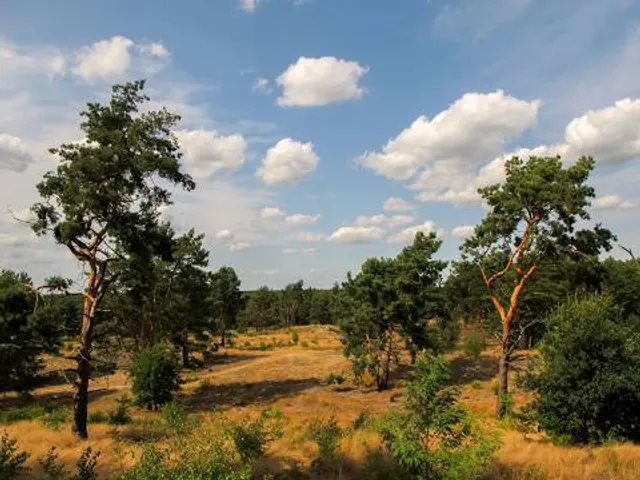
Naturepark Dahme-Heideseen is a breathtaking natural wonderland located in the heart of Germany. It boasts a sprawling 600 square kilometers of lush forests, crystal-clear lakes, and rolling hills that are perfect for hiking, cycling, and nature-watching. The park is also home to an abundance of wildlife, including rare bird species, red deer, and wild boar. Visitors can explore the park's many trails, take a dip in one of its refreshing lakes, or simply relax and soak up the natural beauty around them.
One of the highlights of Naturepark Dahme-Heideseen is the stunning Spreewald biosphere reserve. This unique landscape of waterways and wetlands is home to a diverse array of flora and fauna, and visitors can explore it on a traditional wooden punt, gliding through the tranquil canals and soaking up the peaceful atmosphere. The park is also home to several charming towns and villages, each with its own distinct character and charm. From the historic town of Lübbenau to the picturesque village of Märkisch Buchholz, there's plenty to explore and discover.
Overall, Naturepark Dahme-Heideseen is a must-visit destination for anyone who loves nature and the great outdoors. Whether you're looking for a peaceful escape from the hustle and bustle of everyday life, or an adventure-packed getaway full of hiking, cycling, and water sports, this stunning park has something for everyone. With its breathtaking natural beauty, diverse wildlife, and charming towns and villages, it's no wonder that Naturepark Dahme-Heideseen is one of Germany's most popular and beloved...
Read moreSchöner Wald zwischen Karbuschsee und Prätzer See mit Überraschungen, auf der Suche nach Steinpilzen und Rotkappen waren wir wenig erfolgreich. Aber eine uns unbekannte Pilzart, die auch die Pilz-App nicht kannte, gab es viele. Schnittstellen von bis zu 4 cm Durchmesser zeigten aber, dass andere sie mitgenommen haben. Probesammlung zu Hause recherchiert ergab: hier gab es Massenweise die sogenannte "Falsche Rotkappe" ein spannender Neuzugang in der europäischen Pilzflora. Eine invasive Art, sie wird wissenschaftlich als Aureoboletus projectellus bezeichnet und die stammt ursprünglich aus Nordamerika, hat sich aber seit etwa 2014 zunehmend in Deutschland verbreitet, besonders in Kiefernwäldern. Essbar unter Vorbehalt, weil selbst nach 10 Jahren in Deutschland noch nicht offiziell zum Verzehr freigegeben. Schmecken...
Read moreVery pleasant boat marina with a small cafe. They were very kind to me and our group of mostly young people as they took us on a boat ride...
Read more