HTML SitemapExplore
logo
Find Things to DoFind The Best Restaurants

Saint Cyriakus, Gernrode — Attraction in Quedlinburg

Name
Saint Cyriakus, Gernrode
Description
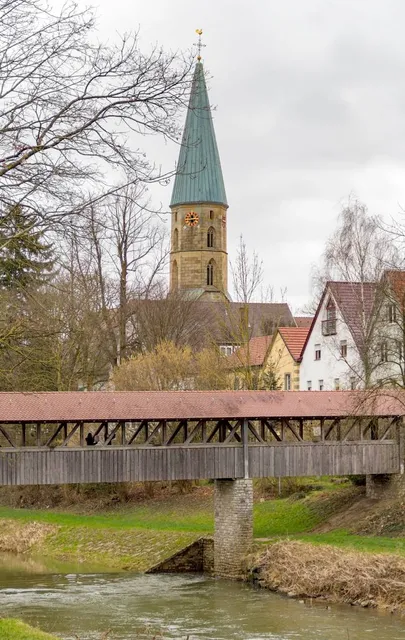
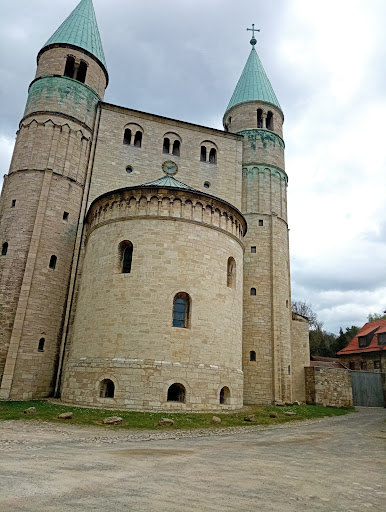
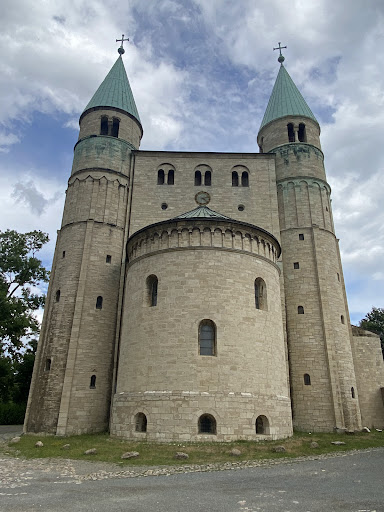
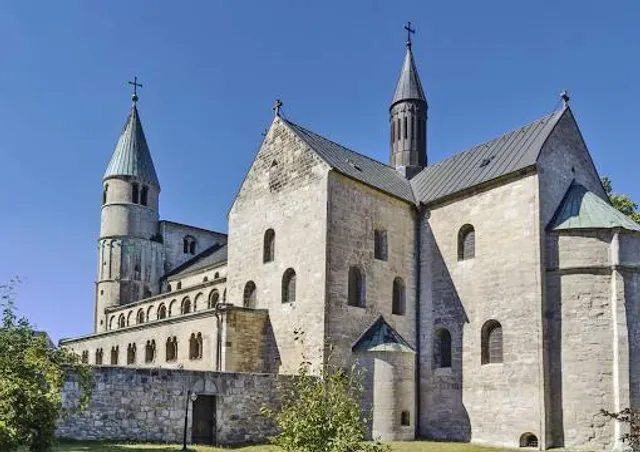
Saint Cyriakus is a medieval church in Gernrode, Saxony-Anhalt, Germany. It is one of the few surviving examples of Ottonian architecture, built in 959/960–965 by Margrave Gero, although it was restored in the 19th century.
Nearby attractions
Harzer Uhrenmuseum e.V.
Lindenstraße 7, 06485 Quedlinburg, Germany
Nearby restaurants
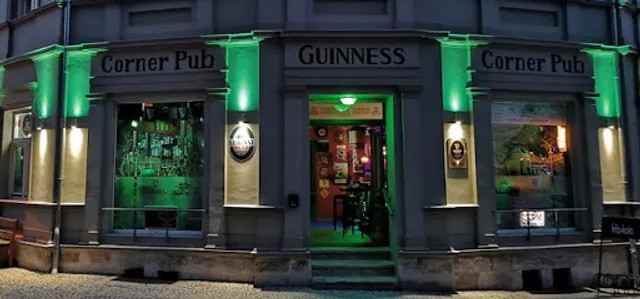
Restaurant - CORNER PUB ☘️🇮🇪🍴🍺🎯☘️
Wassertorstrasse 01 gegenüber der Stiftskirche Gernrode, 06485 Quedlinburg, Germany
Nearby hotels
Cyriakushaus Gernrode
Kirchpl. 1a, 06485 Quedlinburg, Germany
Gästehaus Sankt Cyriakus
St.-Cyriakus-Straße 8, 06485 Quedlinburg, Germany
Panoramahotel und Restaurant Stubenberg
Stubenberg 1, 06485 Quedlinburg, Germany
Harzer Feriengarten - Ferienhaus Park
Jägerstraße 22, 06485 Quedlinburg, Germany
Ferienwohnung Harzdomizil
Jahnstraße 12, 06485 Quedlinburg, Germany
Related posts
Keywords
Saint Cyriakus, Gernrode tourism.Saint Cyriakus, Gernrode hotels.Saint Cyriakus, Gernrode bed and breakfast. flights to Saint Cyriakus, Gernrode.Saint Cyriakus, Gernrode attractions.Saint Cyriakus, Gernrode restaurants.Saint Cyriakus, Gernrode travel.Saint Cyriakus, Gernrode travel guide.Saint Cyriakus, Gernrode travel blog.Saint Cyriakus, Gernrode pictures.Saint Cyriakus, Gernrode photos.Saint Cyriakus, Gernrode travel tips.Saint Cyriakus, Gernrode maps.Saint Cyriakus, Gernrode things to do.
Saint Cyriakus, Gernrode things to do, attractions, restaurants, events info and trip planning
Saint Cyriakus, Gernrode
GermanySaxony-AnhaltQuedlinburgSaint Cyriakus, Gernrode

Basic Info

Saint Cyriakus, Gernrode

Burgstraße 3, 06485 Quedlinburg, Germany
4.7(396)
Open 24 hours
Save
spot

Ratings & Description

Info

Saint Cyriakus is a medieval church in Gernrode, Saxony-Anhalt, Germany. It is one of the few surviving examples of Ottonian architecture, built in 959/960–965 by Margrave Gero, although it was restored in the 19th century.

Cultural
Accessibility
attractions: Harzer Uhrenmuseum e.V., restaurants: Restaurant - CORNER PUB ☘️🇮🇪🍴🍺🎯☘️
logoLearn more insights from Wanderboat AI.
Phone
+49 39485 275
Website
stiftskirche-gernrode.de

Plan your stay

hotel
Pet-friendly Hotels in Quedlinburg
Find a cozy hotel nearby and make it a full experience.
hotel
Affordable Hotels in Quedlinburg
Find a cozy hotel nearby and make it a full experience.
hotel
The Coolest Hotels You Haven't Heard Of (Yet)
Find a cozy hotel nearby and make it a full experience.
hotel
Trending Stays Worth the Hype in Quedlinburg
Find a cozy hotel nearby and make it a full experience.

Reviews

Nearby attractions of Saint Cyriakus, Gernrode

Harzer Uhrenmuseum e.V.

Harzer Uhrenmuseum e.V.

Harzer Uhrenmuseum e.V.

4.6

(450)

Open until 5:00 PM
Click for details

Nearby restaurants of Saint Cyriakus, Gernrode

Restaurant - CORNER PUB ☘️🇮🇪🍴🍺🎯☘️

Restaurant - CORNER PUB ☘️🇮🇪🍴🍺🎯☘️

Restaurant - CORNER PUB ☘️🇮🇪🍴🍺🎯☘️

4.8

(347)

Click for details
Get the Appoverlay
Get the AppOne tap to find yournext favorite spots!
Wanderboat LogoWanderboat

Your everyday Al companion for getaway ideas

CompanyAbout Us
InformationAI Trip PlannerSitemap
SocialXInstagramTiktokLinkedin
LegalTerms of ServicePrivacy Policy

Get the app

© 2025 Wanderboat. All rights reserved.
logo

Reviews of Saint Cyriakus, Gernrode

4.7
(396)
avatar
5.0
19w

Visited the beautiful Stiftskirche St. Cyriakus in Gernrode. This Romanesque church dates back to the 10th century and is one of the oldest and best-preserved churches of its kind in Germany. Stepping inside, you’re instantly surrounded by history – from the ancient stone arches to the peaceful crypt where relics of Saint Cyriakus are said to be kept. The atmosphere is serene and almost timeless. The church’s simplicity and symmetry are breathtaking, and the acoustics are incredible. The surrounding town of Gernrode adds to the charm, with its cobbled streets and half-timbered houses. Highly recommend a stop here if you’re...

   Read more
avatar
4.0
1y

Jest to najstarsza zachowana budowla z czasów ottońskich. Powstała w 960 roku z inicjatywy saksońskiego margrabiego Gero, stanowiąca część rozległego niegdyś kompleksu klasztoru żeńskiego. W następnym roku teren wraz z klasztorem został włączony w strefę wpływów cesarza Ottona I. Wydarzeniem który nadał klasztorowi rangę ośrodka pielgrzymkowego było sprowadzenie z Rzymu przez margrabiego relikwii ręki św. Cyriaka, wtedy kościół otrzymał nowe wezwanie (wcześniejszymi patronami byli Maria i św Piotr). W roku 965 Gero zmarł. Został pochowany na skrzyżowaniu naw kościoła (do dziś zachował się jego nagrobek). Kościół został wzniesiony w X wieku, zaś w XII w. dobudowano od strony zachodniej monumentalny dwuwieżowy westwerk. W XV wieku dobudowano przy północnym ramieniu transeptu budynek skarbca. Czasy nowożytne nie były łaskawe - w II poł. XVI wieku został rozwiązany klasztor - (w 1570 ostatnia zakonnica wyszła za mąż) i znaczenie tego miejsca upadło. Podobnie jak miasto klasztor został przejęty przez gminę luterańską, w późniejszych latach została zburzona większa część zabudowań klasztornych. W latach 1834–1874 z przerwami, kościół wraz z pozostałościami klasztoru został poddany gruntownej konserwacji. Prace prowadzili m.in. Franz Theodor Kugler i...

   Read more
avatar
5.0
2y

A showpiece of Ottonian architecture! The St. Cyriakus was built in the middle of the 10th century as the stifchurch of the Gernrode women's foundation founded by Gero the Great. The church became one of the first Protestant churches in 1521. Thanks to the thorough restoration of 1858-1866, the church looks like it was built in the 10th century. Today it is the parish church of the local Lutheran...

   Read more
Page 1 of 7
Previous
Next

Posts

Tracy ANDERSONTracy ANDERSON
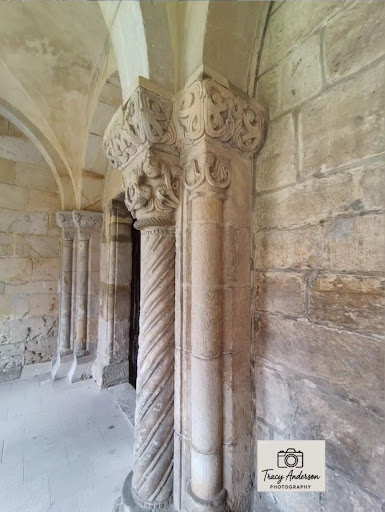
Visited the beautiful Stiftskirche St. Cyriakus in Gernrode. This Romanesque church dates back to the 10th century and is one of the oldest and best-preserved churches of its kind in Germany. Stepping inside, you’re instantly surrounded by history – from the ancient stone arches to the peaceful crypt where relics of Saint Cyriakus are said to be kept. The atmosphere is serene and almost timeless. The church’s simplicity and symmetry are breathtaking, and the acoustics are incredible. The surrounding town of Gernrode adds to the charm, with its cobbled streets and half-timbered houses. Highly recommend a stop here if you’re exploring the Harz.
ŁukaszŁukasz
Jest to najstarsza zachowana budowla z czasów ottońskich. Powstała w 960 roku z inicjatywy saksońskiego margrabiego Gero, stanowiąca część rozległego niegdyś kompleksu klasztoru żeńskiego. W następnym roku teren wraz z klasztorem został włączony w strefę wpływów cesarza Ottona I. Wydarzeniem który nadał klasztorowi rangę ośrodka pielgrzymkowego było sprowadzenie z Rzymu przez margrabiego relikwii ręki św. Cyriaka, wtedy kościół otrzymał nowe wezwanie (wcześniejszymi patronami byli Maria i św Piotr). W roku 965 Gero zmarł. Został pochowany na skrzyżowaniu naw kościoła (do dziś zachował się jego nagrobek). Kościół został wzniesiony w X wieku, zaś w XII w. dobudowano od strony zachodniej monumentalny dwuwieżowy westwerk. W XV wieku dobudowano przy północnym ramieniu transeptu budynek skarbca. Czasy nowożytne nie były łaskawe - w II poł. XVI wieku został rozwiązany klasztor - (w 1570 ostatnia zakonnica wyszła za mąż) i znaczenie tego miejsca upadło. Podobnie jak miasto klasztor został przejęty przez gminę luterańską, w późniejszych latach została zburzona większa część zabudowań klasztornych. W latach 1834–1874 z przerwami, kościół wraz z pozostałościami klasztoru został poddany gruntownej konserwacji. Prace prowadzili m.in. Franz Theodor Kugler i Ferdinand von Quast.
Dr. Hagen ReichertDr. Hagen Reichert
Ein absolutes Must-See, ein Highlight der deutschen Romanik. Zitat Wikipedia: „Die Stiftskirche St. Cyriakus in Gernrode (Landkreis Harz, Sachsen-Anhalt) ist eines der bedeutendsten ottonischen Architekturdenkmale in Deutschland. Die Kirche, die erstmals im Jahr 961 erwähnt wurde, befindet sich aufgrund der Restaurierungen im 19. Jahrhundert heute weitgehend wieder im Zustand des 10. Jahrhunderts; lediglich die westliche Apsis wurde um 1130 ergänzt. Die Kirche war die Stiftskirche des vom Markgrafen Gero gegründeten Frauenstifts Gernrode, dem bis zur Auflösung im Jahre 1616 Äbtissinnen aus den adeligen Familien der Region vorstanden. Die Kirche wurde 1521, als sich die Äbtissin Elisabeth von Weida der Reformation anschloss und ihr Stift säkularisiert wurde, protestantisch und war damit eine der ersten protestantischen Kirchen weltweit. Seit der Restaurierung nutzt sie die evangelische Kirchengemeinde Gernrode als Pfarrkirche.“
See more posts
See more posts
hotel
Find your stay

Pet-friendly Hotels in Quedlinburg

Find a cozy hotel nearby and make it a full experience.

Visited the beautiful Stiftskirche St. Cyriakus in Gernrode. This Romanesque church dates back to the 10th century and is one of the oldest and best-preserved churches of its kind in Germany. Stepping inside, you’re instantly surrounded by history – from the ancient stone arches to the peaceful crypt where relics of Saint Cyriakus are said to be kept. The atmosphere is serene and almost timeless. The church’s simplicity and symmetry are breathtaking, and the acoustics are incredible. The surrounding town of Gernrode adds to the charm, with its cobbled streets and half-timbered houses. Highly recommend a stop here if you’re exploring the Harz.
Tracy ANDERSON

Tracy ANDERSON

hotel
Find your stay

Affordable Hotels in Quedlinburg

Find a cozy hotel nearby and make it a full experience.

Get the Appoverlay
Get the AppOne tap to find yournext favorite spots!
Jest to najstarsza zachowana budowla z czasów ottońskich. Powstała w 960 roku z inicjatywy saksońskiego margrabiego Gero, stanowiąca część rozległego niegdyś kompleksu klasztoru żeńskiego. W następnym roku teren wraz z klasztorem został włączony w strefę wpływów cesarza Ottona I. Wydarzeniem który nadał klasztorowi rangę ośrodka pielgrzymkowego było sprowadzenie z Rzymu przez margrabiego relikwii ręki św. Cyriaka, wtedy kościół otrzymał nowe wezwanie (wcześniejszymi patronami byli Maria i św Piotr). W roku 965 Gero zmarł. Został pochowany na skrzyżowaniu naw kościoła (do dziś zachował się jego nagrobek). Kościół został wzniesiony w X wieku, zaś w XII w. dobudowano od strony zachodniej monumentalny dwuwieżowy westwerk. W XV wieku dobudowano przy północnym ramieniu transeptu budynek skarbca. Czasy nowożytne nie były łaskawe - w II poł. XVI wieku został rozwiązany klasztor - (w 1570 ostatnia zakonnica wyszła za mąż) i znaczenie tego miejsca upadło. Podobnie jak miasto klasztor został przejęty przez gminę luterańską, w późniejszych latach została zburzona większa część zabudowań klasztornych. W latach 1834–1874 z przerwami, kościół wraz z pozostałościami klasztoru został poddany gruntownej konserwacji. Prace prowadzili m.in. Franz Theodor Kugler i Ferdinand von Quast.
Łukasz

Łukasz

hotel
Find your stay

The Coolest Hotels You Haven't Heard Of (Yet)

Find a cozy hotel nearby and make it a full experience.

hotel
Find your stay

Trending Stays Worth the Hype in Quedlinburg

Find a cozy hotel nearby and make it a full experience.

Ein absolutes Must-See, ein Highlight der deutschen Romanik. Zitat Wikipedia: „Die Stiftskirche St. Cyriakus in Gernrode (Landkreis Harz, Sachsen-Anhalt) ist eines der bedeutendsten ottonischen Architekturdenkmale in Deutschland. Die Kirche, die erstmals im Jahr 961 erwähnt wurde, befindet sich aufgrund der Restaurierungen im 19. Jahrhundert heute weitgehend wieder im Zustand des 10. Jahrhunderts; lediglich die westliche Apsis wurde um 1130 ergänzt. Die Kirche war die Stiftskirche des vom Markgrafen Gero gegründeten Frauenstifts Gernrode, dem bis zur Auflösung im Jahre 1616 Äbtissinnen aus den adeligen Familien der Region vorstanden. Die Kirche wurde 1521, als sich die Äbtissin Elisabeth von Weida der Reformation anschloss und ihr Stift säkularisiert wurde, protestantisch und war damit eine der ersten protestantischen Kirchen weltweit. Seit der Restaurierung nutzt sie die evangelische Kirchengemeinde Gernrode als Pfarrkirche.“
Dr. Hagen Reichert

Dr. Hagen Reichert

See more posts
See more posts