In Deutsch
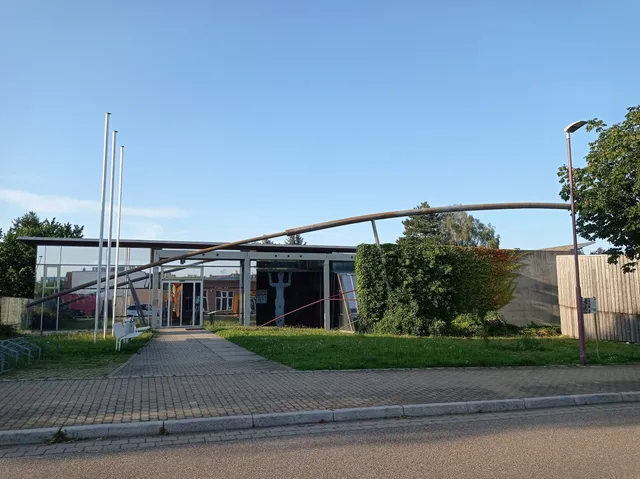
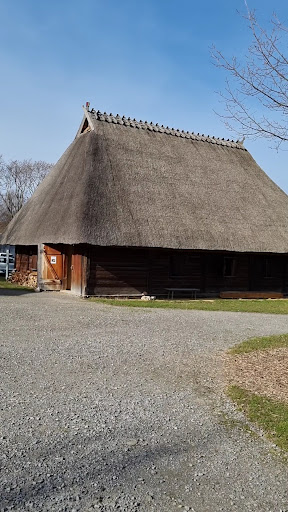
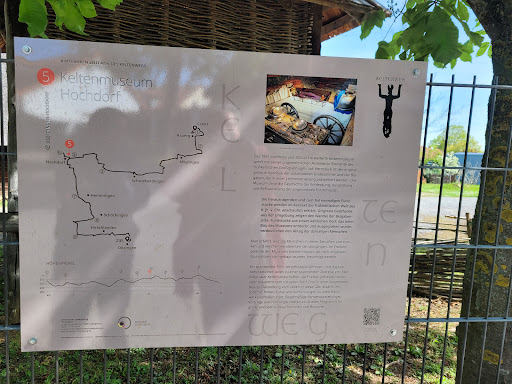
Sehr schöner und lehrreicher Ort wo mann alles über die Kelten lernen kann. Die Kelten dessen Häuser und etc erhalten sind lebten hier im Jahr 530 v. Chr. in der Hallstattkulturzeit also vor 2531 Jahren. Mann kann dort beschichtigen wie sie gelebt haben. Denn die Schwaben sind die Nachfahren der Kelten und der Alemannen die dort lebten und sich vermischten. Zwar wurden die Kelten germanisiert, aber in der DNA kann mann deren Ursprung bei mehr als die Hälfte der Schwaben finden. Die Kelten gehören wie die Gothen ( neuer Begriff für Germanen ) Slawen, Balten, Romanen, Latiner/Römer/Italiener, Hellenen/Griechen/Byzantiner, Finnische, Ugrische, Wikinger, Daker und Skythen ( Vorfahren der Magyaren ) die Einheimischen und Ureinwohner Europas. Hier gibt es Häuser, Felder und etc. der Kelten. Aber das beste ist das Grab des Häutling der über diese Gegend hier geherrscht hat. Ich kann diese Ort sehr empfehlen, vor allem für Kelten Fans hier spürt mann den keltischen Zauber wie in Wales, Irland, Schottland, England, Isle of Man ( Manx ) Cornwall und Cumbria, Frankreich und Bretange, Spanien und Austurien, Schweiz, Ungarn, Portugal, Belgien, Österreich, Tschechien, Slowakei und Deutschland wo die Kelten gelebt heute oder früher gelebt haben.
Cael hwyl yn ymweld a dysgu / auf Deutsch Viel Spaß beim Besuch und lernen in keltisch / walisisch
Magyarul
Nagyon szép és tanulságos hely, ahol mindent megtudhat a keltákról. Kr.e. 530-ban éltek itt a kelták, a hallstatti kultúra idején, 2531 évvel ezelőtt. A svábok a kelták és az alemannok leszármazottai. A kelták németesedtek, de DNS-ük a svábok több mint felében megtalálható. Akárcsak a gótok (a germán népek új kifejezése), a kelták a szlávok, baltiak, románok, latinok / rómaiak / olaszok, hellének / görögök / bizánci, finn, ugor, vikingek, dákok és szkíták (a magyarok ősei) közé tartoznak , Európa őslakosai. A legjobb a keltá főnök sírja, aki itt uralkodtot ezen a területen. Nagyon tudom ajánlani ezt a helyet, különösen a kelta rajongóknak érezhetik itt a kelta varázslatot, mint Walesben, Írországban, Skóciában, Angliában, Man-szigeten (Manx), Cornwallban és Cumbriában, Franciaországban és Bretange-ban, Spanyolországban és Austuriában, Svájcban, Magyarországon, Portugáliában, Belgiumban, Ausztriában, Csehországban, Szlovákiában és Németországban, ahol a kelták ma éltek, vagy ahol korábban éltek.
Cael hwyl yn ymweld a dysgu / magyarul Jó szórakozást a látogatáshoz, és tanulj kelta / walesi nyelven
In English
Very nice and educational place where you can learn everything about the Celts. The Celts whose houses and etc are preserved lived here in the year 530 BC. In the Hallstatt culture time 2531 years ago. You can cover there like they lived. Because the Swabians are the descendants of the Celts and the Alemanni who lived there and mixed. The Celts were Germanized, but their DNA can be found in more than half of the Swabians. Like the Goths (a new term for Germanic peoples), the Celts belong to the Slavs, Balts, Romanes, Latins / Romans / Italians, Hellenes / Greeks / Byzantines, Finnish, Ugric, Vikings, Dacians and Scythians (ancestors of the Magyars), the natives of Europe. Here there are houses, fields and etc. of the Celts. But the best is the grave of the skinned who ruled this area here. I can highly recommend this place, especially for Celt fans here you can feel the Celtic magic like in Wales, Ireland, Scotland, England, Isle of Man (Manx) Cornwall and Cumbria, France and Bretange, Spain and Austuria, Switzerland, Hungary, Portugal, Belgium, Austria, the Czech Republic, Slovakia and Germany where the Celts lived today or where they lived before.
Cael hwyl yn ymweld a dysgu / in English Have fun visiting and learn in...
Read more
 Learn more insights from Wanderboat AI.