Windsborn Crater Lake things to do, attractions, restaurants, events info and trip planning
Basic Info
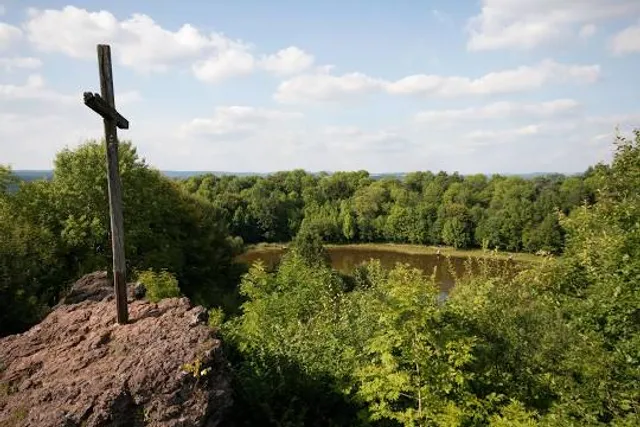
Windsborn Crater Lake
54533 Bettenfeld, Germany
4.5(22)
Open 24 hours
Save
spot
spot
Ratings & Description
Info
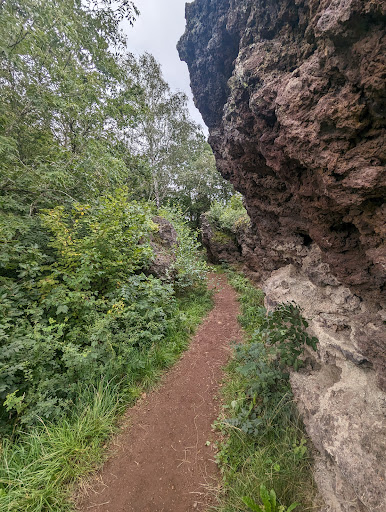
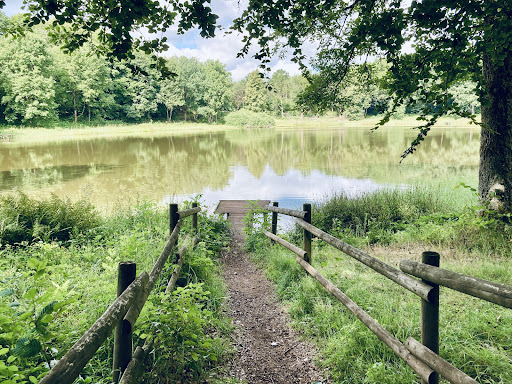
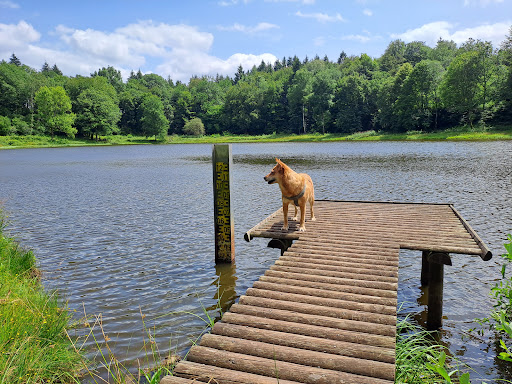
Windsborn Crater Lake is a water-filled volcanic crater in the Eifel mountains in Germany. It is located near Bettenfeld in the county of Bernkastel-Wittlich and in the state of Rhineland-Palatinate, and belongs to a group of four craters known as the Mosenberg Crater Row, named after the village of Mosenberg.
Outdoor
Scenic
Adventure
Family friendly
Pet friendly
attractions: Vulkanerlebnispark Mosenberg Bettenfeld, restaurants: , local businesses:
 Learn more insights from Wanderboat AI.
Plan your stay

Pet-friendly Hotels in Wittlich-Land
Find a cozy hotel nearby and make it a full experience.

Affordable Hotels in Wittlich-Land
Find a cozy hotel nearby and make it a full experience.

The Coolest Hotels You Haven't Heard Of (Yet)
Find a cozy hotel nearby and make it a full experience.

Trending Stays Worth the Hype in Wittlich-Land
Find a cozy hotel nearby and make it a full experience.
Reviews
Live events

Introductory pottery course on the Moselle
Sat, Feb 14 • 11:00 AM
56841, Traben-Trarbach, Germany
View details

Eifel: Führung durch Historische Wassermühle in der Vulkaneifel
Fri, Feb 13 • 11:30 AM
Mühlenstraße 1 54587 Birgel
View details

fridays for music
Fri, Feb 13 • 9:00 PM
Triniusstraße 3 54470 Bernkastel-Kues
View details
Nearby attractions of Windsborn Crater Lake
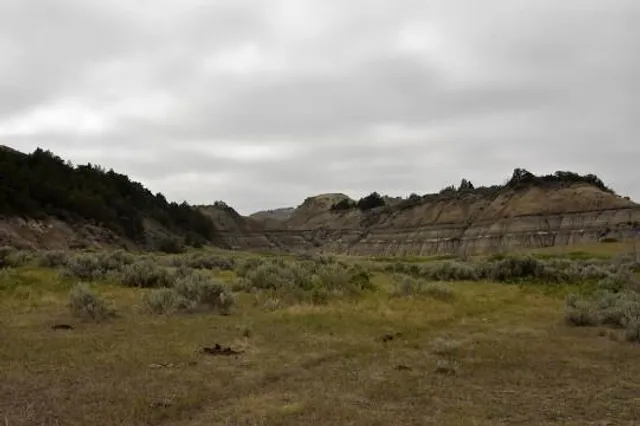
Vulkanerlebnispark Mosenberg Bettenfeld
Vulkanerlebnispark Mosenberg Bettenfeld
4.4
(97)
Open until 12:00 AM
Click for details