HTML SitemapExplore
logo
Find Things to DoFind The Best Restaurants

Digya National Park — Attraction in Bono East Region

Name
Digya National Park
Description
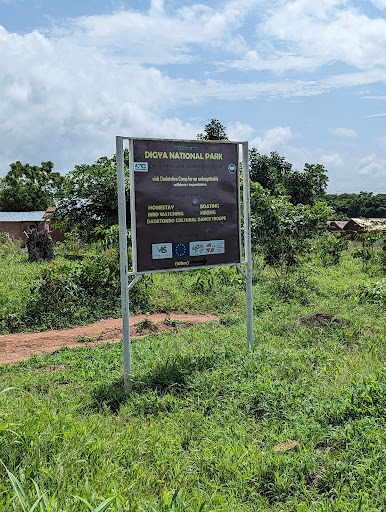
Digya National Park is the second largest national park and the oldest protected area in Ghana. It is located in the Bono East Region. It was created in 1900 and given national park status in 1971. The park is the only wildlife territory in Ghana to have Lake Volta at its borders.
Nearby attractions
Nearby restaurants
Nearby hotels
Related posts
Keywords
Digya National Park tourism.Digya National Park hotels.Digya National Park bed and breakfast. flights to Digya National Park.Digya National Park attractions.Digya National Park restaurants.Digya National Park travel.Digya National Park travel guide.Digya National Park travel blog.Digya National Park pictures.Digya National Park photos.Digya National Park travel tips.Digya National Park maps.Digya National Park things to do.
Digya National Park things to do, attractions, restaurants, events info and trip planning
Digya National Park
GhanaBono East RegionDigya National Park

Basic Info

Digya National Park

Bompoi, Ghana
4.0(37)
Open 24 hours
Save
spot

Ratings & Description

Info

Digya National Park is the second largest national park and the oldest protected area in Ghana. It is located in the Bono East Region. It was created in 1900 and given national park status in 1971. The park is the only wildlife territory in Ghana to have Lake Volta at its borders.

Outdoor
Adventure
Scenic
Family friendly
Off the beaten path
attractions: , restaurants:
logoLearn more insights from Wanderboat AI.
Website
ghanawildlife.org

Plan your stay

hotel
Pet-friendly Hotels in Bono East Region
Find a cozy hotel nearby and make it a full experience.
hotel
Affordable Hotels in Bono East Region
Find a cozy hotel nearby and make it a full experience.
hotel
The Coolest Hotels You Haven't Heard Of (Yet)
Find a cozy hotel nearby and make it a full experience.
hotel
Trending Stays Worth the Hype in Bono East Region
Find a cozy hotel nearby and make it a full experience.

Reviews

Get the Appoverlay
Get the AppOne tap to find yournext favorite spots!
Wanderboat LogoWanderboat

Your everyday Al companion for getaway ideas

CompanyAbout Us
InformationAI Trip PlannerSitemap
SocialXInstagramTiktokLinkedin
LegalTerms of ServicePrivacy Policy

Get the app

© 2025 Wanderboat. All rights reserved.
logo

Posts

Thamon Van BloklandThamon Van Blokland
Digya is an absolutely beautiful and pristine natural park and definitely one of the most amazing places in Ghana to watch wildlife. With that said, it is also one of the more adventurous parks to get to and to sleep, especially if you compare it to facilities at Mole national park. There's a lack of proper infrastructure (mainly roads) to enter the park. But don't let the hours of bumpy roads stop you from coming to Digya. Once you get there you'll know why you came all this way. If you're up for some adventure, Digya is your place to go. Before planning our trip to Digya I noticed there wasn't a lot of information online that would inform us more about what we could expect from the Park and where to enter exactly. I decided to write this review to supply some more up to date information and encourage travellers to go and visit the park. Our first mission was to get more information and a place to enter the park. Online I found out that the town of Atebubu has a Wildlife office for the park. So we decided that would be our first stop. We drove from Wiamoase, which is a 2,5 hour drive to Atebubu. On arrival we got escorted by a very friendly immigration officer to the Wildlife office. There we were invited into the office and got more information about the park, it's animals and what to expect from our trip by again a very friendly employee of the park. This is where we found out that the park actually has multiple places to enter and that the place where you decide to enter determines the kind of animals you'll see. There's a map in our photos that kind of shows you what to expect on which side of the park, but bear in mind this is a bit outdated (it shows hippo's which are currently not present at the park). There's a southwest entrance which is best reached by going through Mampong, a south entrance which can be reached through Donkorkrom and there's the entrance on the northeast side of the park at Kajaji. Because we drove far north to reach Atebubu and didn't feel like driving back south we choose to enter the park through the northeast entrance. Which meant another 3,5 hour drive over mainly bumpy dirty roads before reaching the village of Kajaji where there is a guesthouse for visitors. This is probably a good time to say that it's wise to buy a full yellow jerrycan of petrol at the Goil filling station in Atebubu. As you enter the park by boat from a small lake village close to Kajaji, you are asked to buy fuel for this boat to take you into the park and to go bird watching with that same boat. The employee of the wildlife office at Atebubu told us that we could decide in Kajiji how much petrol we wanted to buy at the local filling station. This was true, the only problem was that as we woke up before sunrise to go into the park early, the lights were of in Kajiji and the filling station wasn't able to pump petrol for the whole village. We had to wait for at least two hours for the lights to go back on and fill our jerrycan with petrol. Therefore my advice would be to get petrol for the boat at Atebubu. The drive from Atebubu to the next wildlife office in Kwame Danso is probably the worst part of the trip as the road is 90% dirt road with a lot of bumps. But the office in Atebubu already informed the next office in Kwame Danso of our arrival and we were welcomed there by two very helpful and friendly officers. We exchanged numbers, were connected with the rangers that would pick us up from our guesthouse in Kajiji and we were ready for the next stage of our journey. Kwame Danso is also a good place to get some groceries, snacks or other amenities you think you'll need on your trip. The drive from Kwame Danso to Kajaji is much better as the first part consists of an unbelievable smooth road. But don't get to comfortable, this road goes about halfway before it transforms into a bumpy dirt road again. When you enter the town of Kajaji the guesthouse is on your left hand side, it's a two story building and has great accomodations facilities. I'll continue the story in my next review
Alasane DialloAlasane Diallo
This national parc is bit "underground" no clear informations and tough road to get there but totaly worth it. First go to the office at Atebubu, ladies welcome you but don't really know the process, just get a ranger phone number there and deal with him. Main entrance is at Kwadjokrom to reach the 'camp' wich is across the lake, take 2.5-4h from Atebubu depend on you vehicle and driving skills. (Last 2/3km are very sandy) The camp is quiet place with everything you need, from there you can choose to explore the parc on boat or hiking. There is no guarantee to observe wild animals but the view is nice and the feeling to be isolated in nature enough for a 24h to 48h good time. The fees for the guards count when you're are on expedition, the camp is 'free to stay'. Well the food is bit overpriced but fair for this access situation, nicely cooked with big portions. I suggest to cross back the lake by swimming if you feel it, no crurents, about 1500m my best moment there !
Stephen NaduStephen Nadu
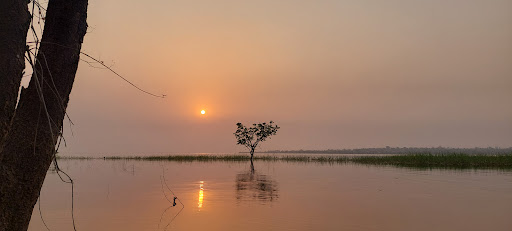
A real paradise with marvelous scenic views across the Volta Lake
hotel
Find your stay

Pet-friendly Hotels in Bono East Region

Find a cozy hotel nearby and make it a full experience.

Digya is an absolutely beautiful and pristine natural park and definitely one of the most amazing places in Ghana to watch wildlife. With that said, it is also one of the more adventurous parks to get to and to sleep, especially if you compare it to facilities at Mole national park. There's a lack of proper infrastructure (mainly roads) to enter the park. But don't let the hours of bumpy roads stop you from coming to Digya. Once you get there you'll know why you came all this way. If you're up for some adventure, Digya is your place to go. Before planning our trip to Digya I noticed there wasn't a lot of information online that would inform us more about what we could expect from the Park and where to enter exactly. I decided to write this review to supply some more up to date information and encourage travellers to go and visit the park. Our first mission was to get more information and a place to enter the park. Online I found out that the town of Atebubu has a Wildlife office for the park. So we decided that would be our first stop. We drove from Wiamoase, which is a 2,5 hour drive to Atebubu. On arrival we got escorted by a very friendly immigration officer to the Wildlife office. There we were invited into the office and got more information about the park, it's animals and what to expect from our trip by again a very friendly employee of the park. This is where we found out that the park actually has multiple places to enter and that the place where you decide to enter determines the kind of animals you'll see. There's a map in our photos that kind of shows you what to expect on which side of the park, but bear in mind this is a bit outdated (it shows hippo's which are currently not present at the park). There's a southwest entrance which is best reached by going through Mampong, a south entrance which can be reached through Donkorkrom and there's the entrance on the northeast side of the park at Kajaji. Because we drove far north to reach Atebubu and didn't feel like driving back south we choose to enter the park through the northeast entrance. Which meant another 3,5 hour drive over mainly bumpy dirty roads before reaching the village of Kajaji where there is a guesthouse for visitors. This is probably a good time to say that it's wise to buy a full yellow jerrycan of petrol at the Goil filling station in Atebubu. As you enter the park by boat from a small lake village close to Kajaji, you are asked to buy fuel for this boat to take you into the park and to go bird watching with that same boat. The employee of the wildlife office at Atebubu told us that we could decide in Kajiji how much petrol we wanted to buy at the local filling station. This was true, the only problem was that as we woke up before sunrise to go into the park early, the lights were of in Kajiji and the filling station wasn't able to pump petrol for the whole village. We had to wait for at least two hours for the lights to go back on and fill our jerrycan with petrol. Therefore my advice would be to get petrol for the boat at Atebubu. The drive from Atebubu to the next wildlife office in Kwame Danso is probably the worst part of the trip as the road is 90% dirt road with a lot of bumps. But the office in Atebubu already informed the next office in Kwame Danso of our arrival and we were welcomed there by two very helpful and friendly officers. We exchanged numbers, were connected with the rangers that would pick us up from our guesthouse in Kajiji and we were ready for the next stage of our journey. Kwame Danso is also a good place to get some groceries, snacks or other amenities you think you'll need on your trip. The drive from Kwame Danso to Kajaji is much better as the first part consists of an unbelievable smooth road. But don't get to comfortable, this road goes about halfway before it transforms into a bumpy dirt road again. When you enter the town of Kajaji the guesthouse is on your left hand side, it's a two story building and has great accomodations facilities. I'll continue the story in my next review
Thamon Van Blokland

Thamon Van Blokland

hotel
Find your stay

Affordable Hotels in Bono East Region

Find a cozy hotel nearby and make it a full experience.

Get the Appoverlay
Get the AppOne tap to find yournext favorite spots!
This national parc is bit "underground" no clear informations and tough road to get there but totaly worth it. First go to the office at Atebubu, ladies welcome you but don't really know the process, just get a ranger phone number there and deal with him. Main entrance is at Kwadjokrom to reach the 'camp' wich is across the lake, take 2.5-4h from Atebubu depend on you vehicle and driving skills. (Last 2/3km are very sandy) The camp is quiet place with everything you need, from there you can choose to explore the parc on boat or hiking. There is no guarantee to observe wild animals but the view is nice and the feeling to be isolated in nature enough for a 24h to 48h good time. The fees for the guards count when you're are on expedition, the camp is 'free to stay'. Well the food is bit overpriced but fair for this access situation, nicely cooked with big portions. I suggest to cross back the lake by swimming if you feel it, no crurents, about 1500m my best moment there !
Alasane Diallo

Alasane Diallo

hotel
Find your stay

The Coolest Hotels You Haven't Heard Of (Yet)

Find a cozy hotel nearby and make it a full experience.

hotel
Find your stay

Trending Stays Worth the Hype in Bono East Region

Find a cozy hotel nearby and make it a full experience.

A real paradise with marvelous scenic views across the Volta Lake
Stephen Nadu

Stephen Nadu

create-post
Turn your ideas into a post and inspire others!
Create

Reviews of Digya National Park

4.0
(37)
avatar
4.0
2y

Digya is an absolutely beautiful and pristine natural park and definitely one of the most amazing places in Ghana to watch wildlife. With that said, it is also one of the more adventurous parks to get to and to sleep, especially if you compare it to facilities at Mole national park. There's a lack of proper infrastructure (mainly roads) to enter the park. But don't let the hours of bumpy roads stop you from coming to Digya. Once you get there you'll know why you came all this way. If you're up for some adventure, Digya is your place to go.

Before planning our trip to Digya I noticed there wasn't a lot of information online that would inform us more about what we could expect from the Park and where to enter exactly. I decided to write this review to supply some more up to date information and encourage travellers to go and visit the park.

Our first mission was to get more information and a place to enter the park. Online I found out that the town of Atebubu has a Wildlife office for the park. So we decided that would be our first stop. We drove from Wiamoase, which is a 2,5 hour drive to Atebubu. On arrival we got escorted by a very friendly immigration officer to the Wildlife office. There we were invited into the office and got more information about the park, it's animals and what to expect from our trip by again a very friendly employee of the park.

This is where we found out that the park actually has multiple places to enter and that the place where you decide to enter determines the kind of animals you'll see. There's a map in our photos that kind of shows you what to expect on which side of the park, but bear in mind this is a bit outdated (it shows hippo's which are currently not present at the park). There's a southwest entrance which is best reached by going through Mampong, a south entrance which can be reached through Donkorkrom and there's the entrance on the northeast side of the park at Kajaji. Because we drove far north to reach Atebubu and didn't feel like driving back south we choose to enter the park through the northeast entrance. Which meant another 3,5 hour drive over mainly bumpy dirty roads before reaching the village of Kajaji where there is a guesthouse for visitors.

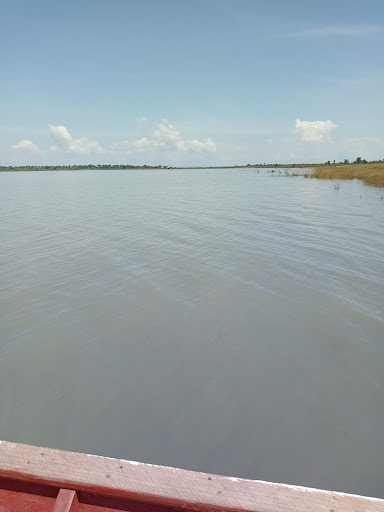
This is probably a good time to say that it's wise to buy a full yellow jerrycan of petrol at the Goil filling station in Atebubu. As you enter the park by boat from a small lake village close to Kajaji, you are asked to buy fuel for this boat to take you into the park and to go bird watching with that same boat. The employee of the wildlife office at Atebubu told us that we could decide in Kajiji how much petrol we wanted to buy at the local filling station. This was true, the only problem was that as we woke up before sunrise to go into the park early, the lights were of in Kajiji and the filling station wasn't able to pump petrol for the whole village. We had to wait for at least two hours for the lights to go back on and fill our jerrycan with petrol. Therefore my advice would be to get petrol for the boat at Atebubu.

The drive from Atebubu to the next wildlife office in Kwame Danso is probably the worst part of the trip as the road is 90% dirt road with a lot of bumps. But the office in Atebubu already informed the next office in Kwame Danso of our arrival and we were welcomed there by two very helpful and friendly officers. We exchanged numbers, were connected with the rangers that would pick us up from our guesthouse in Kajiji and we were ready for the next stage of our journey. Kwame Danso is also a good place to get some groceries, snacks or other amenities you think you'll need on your trip.

The drive from Kwame Danso to Kajaji is much better as the first part consists of an unbelievable smooth road. But don't get to comfortable, this road goes about halfway before it transforms into a bumpy dirt road again. When you enter the town of Kajaji the guesthouse is on your left hand side, it's a two story building and has great accomodations facilities. I'll continue the story in...

   Read more

avatar
5.0
1y

This national parc is bit "underground" no clear informations and tough road to get there but totaly worth it. First go to the office at Atebubu, ladies welcome you but don't really know the process, just get a ranger phone number there and deal with him. Main entrance is at Kwadjokrom to reach the 'camp' wich is across the lake, take 2.5-4h from Atebubu depend on you vehicle and driving skills. (Last 2/3km are very sandy) The camp is quiet place with everything you need, from there you can choose to explore the parc on boat or hiking. There is no guarantee to observe wild animals but the view is nice and the feeling to be isolated in nature enough for a 24h to 48h good time. The fees for the guards count when you're are on expedition, the camp is 'free to stay'. Well the food is bit overpriced but fair for this access situation, nicely cooked with big portions. I suggest to cross back the lake by swimming if you feel it, no crurents, about 1500m my best...

   Read more
avatar
4.0
2y

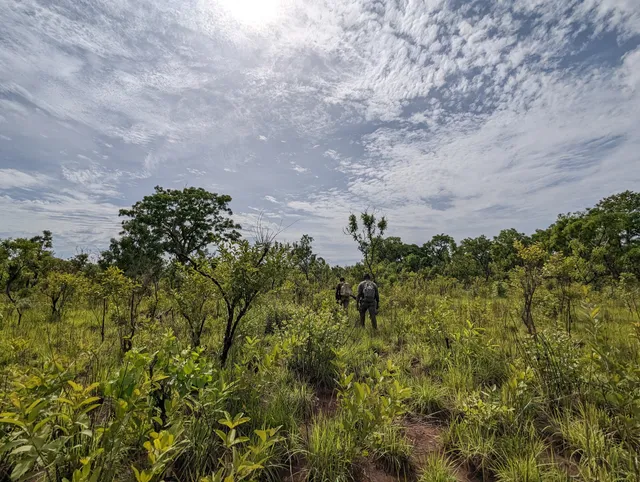
Ghana's oldest Protected Area and arguably the least developed in terms of tourism . Not to say some do not exist . Most parts of the park are bordered by water and the canoe/ boat rides into the reserve can be fun if you like rides on the water 😅. Vegetation is mostly transition between forest and savannah. Most areas are grassy with trees but a few areas have tall emergents and some.portions with dry forest. Species include elephants ! Primates and several duikers species. Manatees have been reported in some fishing communities around the park. If you like a good hike then Digya can be fun. Kettle access routes in the park so most movement will have to be on foot once you enter the reserve . Good bird species including some water birds. Friendly staff too. It has huge potential for tourism and from an ecological perspective, it presents an important ecological zone...

   Read more
Page 1 of 6
Previous
Next