Located in the central of Keta township but seen very little patronage due to lack commercial activities in that part of the region,no jobs, citizens mostly the young ones migrate to the big towns and cities in search of greener pastures leaving the town with only old men and women. Even with the construction of the Keta sea defense wall very little development is seen in the area of tourism meanwhile the area has a lot of potentials be it the clean white Beach? Or the biggest lagoon and many historical sites, the only Catholic church that survived the destruction of the sea over the years and still stands a church our former President Jerry John Rawlings worshiped in as a child. Town that used to be the Regional Capital of the Volta Region shouldn't be left in this state. I am appealing to all sons and daughters of the area to returned/visit home and help developed and bring back life in to the town. Since the saying goes "you do not/ must not points one's(your) left finger at...
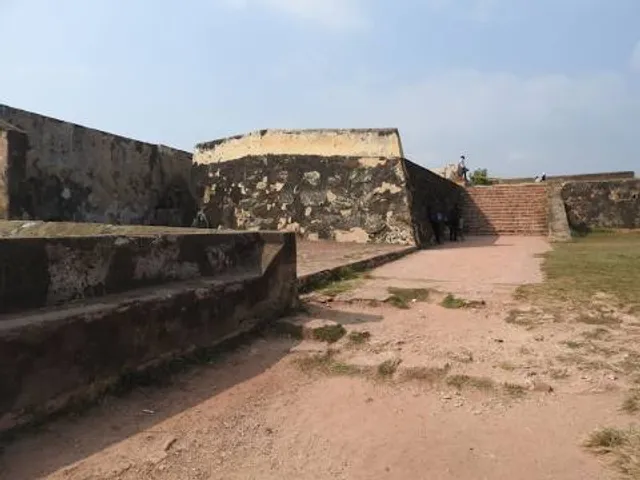
Read moreFort Prinzentein is located at the main Keta township close to the former Presbyterian church and the market square. It was built in 1784 by the Danish. It was purposely built for trading slaves.
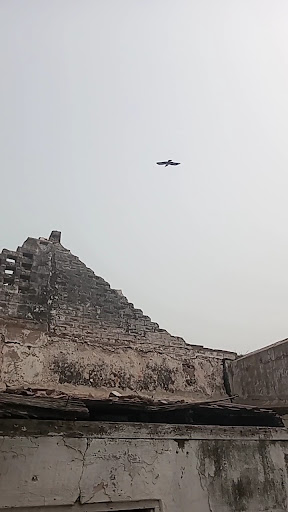
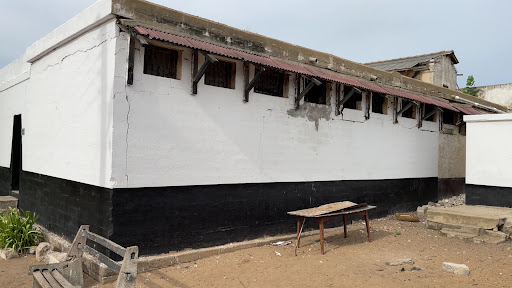
The remaining portion of Fort Prinzentein after the sea destroyed the larger parts (the male prisons and officers areas) are to be the female prisons, kitchen and their bathing side.
When you arrive, the tour guide takes you around and tells you the history of the fort and how it used to serve as the slaves final destination before they are taken away overseas.
You will also see the guns, chains, and other weapons the slave masters used in those days.
Apart from that, there are pictures of some old folks who were traded.
Fort Prinzentein is a place to be due to the sirene sea shores and the breeze that you enjoy as you tour the...
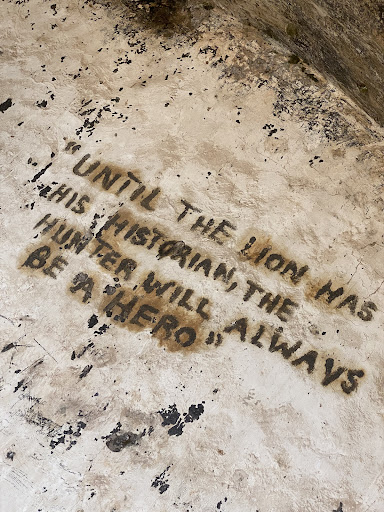
Read moreFort Prinzestein is one of the many slave trading forts built by the Europeans by the coasts of Ghana. This one was built by the Danes in 1784. Part of the fort has been washed away by the sea in the 1980s. Inside the fort you can still find artifacts of the slave masters, including traditional stools and other valuables seized from the locals. The office of the slave masters are still intact, and the dungeons too. There's always a historian around the place to take you round to tour the inside and outside of the fort and give you detailed history about the place.
Hit the LIKE 👍🏽 button below for...
Read more