Southport Gates things to do, attractions, restaurants, events info and trip planning
Basic Info
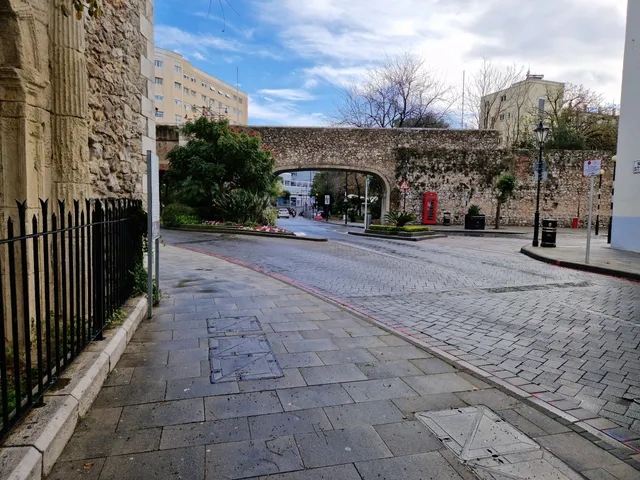
Southport Gates
Gibraltar GX11 1AA, Gibraltar
4.4(15)
Open until 12:00 AM
Save
spot
spot
Ratings & Description
Info
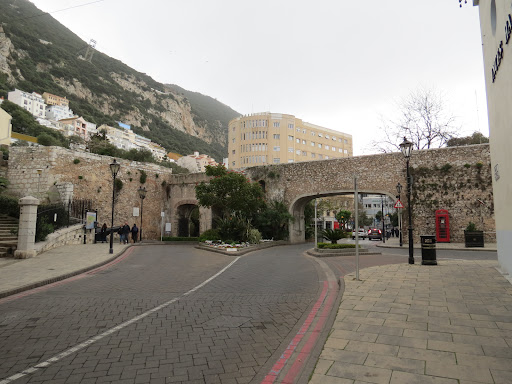
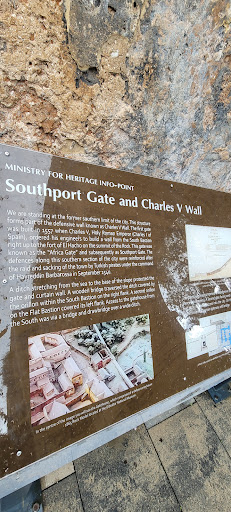
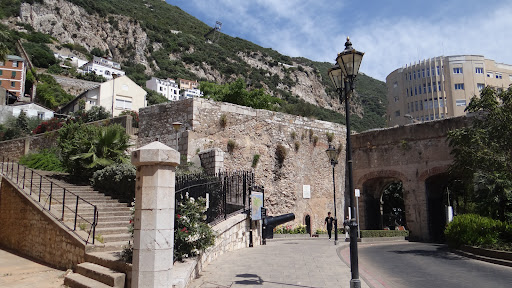
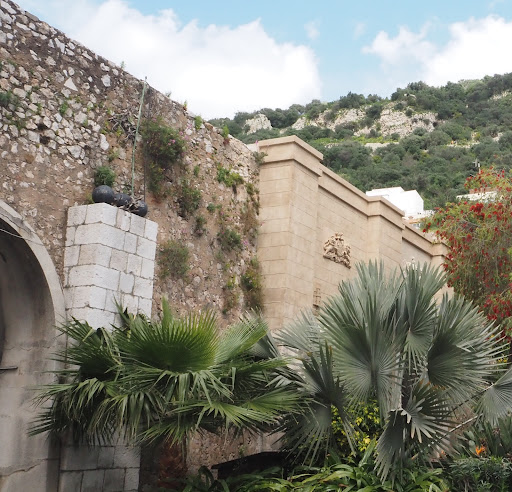
The Southport Gates are three city gates in the British Overseas Territory of Gibraltar. They are located in the Charles V Wall, one of the 16th century fortifications of Gibraltar. The gates are clustered together, with the South Bastion to the west, and the Trafalgar Cemetery to the east.
Cultural
Scenic
Family friendly
Accessibility
attractions: Trafalgar Cemetery, Gibraltar Cable Car, John Mackintosh Hall, South Bastion, Apes Den, Commonwealth Park, Devil's Gap Battery, The Gibraltar National Museum, Cathedral of St Mary the Crowned, Union Jack Steps, restaurants: Mamma Mia - Pizzeria & Pasta House, Restaurant Casa Pepe, 4 Stagioni, Gela’ ti amo, El Kasbah, Tapas by Gauchos, local businesses: Port of Gibraltar, The Gibraltar Garrison Library, King's Bowl
 Learn more insights from Wanderboat AI.
Open hoursSee all hours
MonOpen 24 hoursOpen
Plan your stay

Pet-friendly Hotels in Gibraltar
Find a cozy hotel nearby and make it a full experience.

Affordable Hotels in Gibraltar
Find a cozy hotel nearby and make it a full experience.

The Coolest Hotels You Haven't Heard Of (Yet)
Find a cozy hotel nearby and make it a full experience.

Trending Stays Worth the Hype in Gibraltar
Find a cozy hotel nearby and make it a full experience.
Reviews
Live events
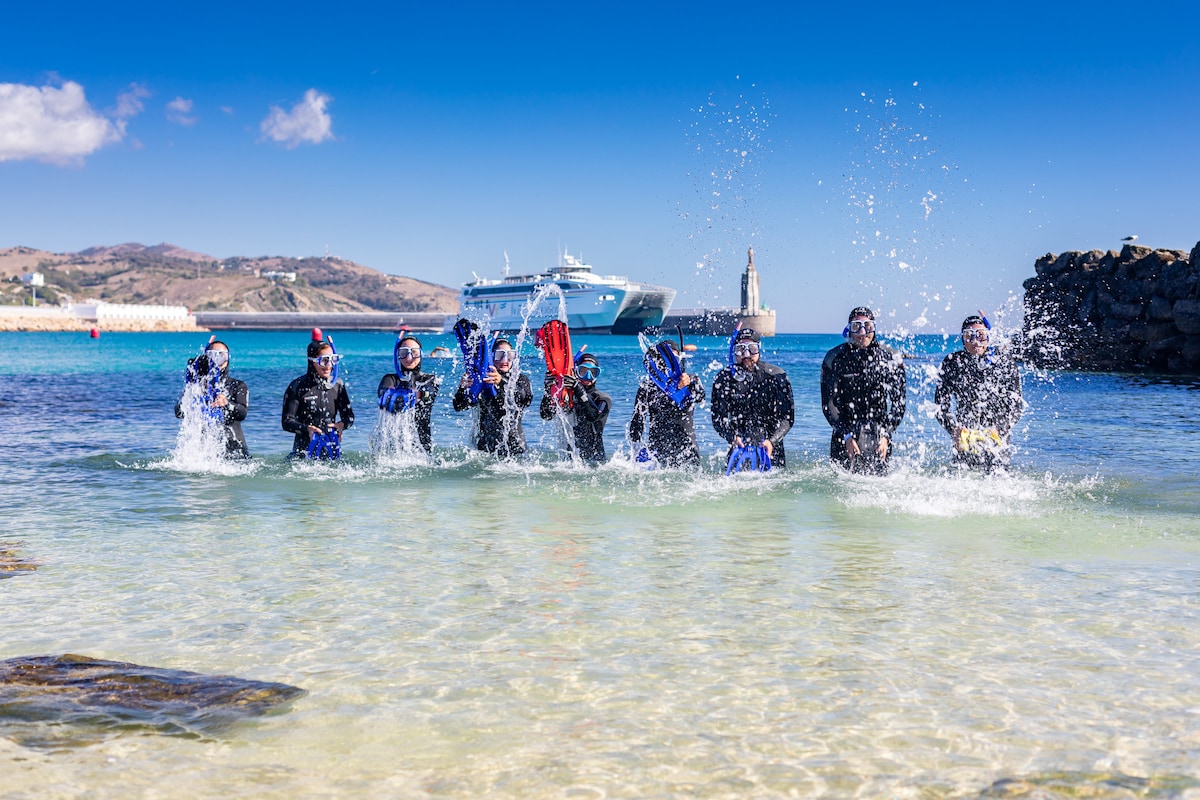
Snorkel in the Estrecho Natural Park
Mon, Jan 26 • 10:00 AM
11380, Tarifa, Andalusia, Spain
View details

Algeciras Murder Mystery: Solve the case!
Thu, Jan 15 • 12:00 AM
C. Alfonso XI, 30, Algeciras, 11201
View details

ISTQB® Advanced Level Test Manager Training Course (in English) - Gibraltar
Mon, Feb 2 • 9:00 AM
regus, GX11 1AA Gibraltar
View details
Nearby attractions of Southport Gates
Trafalgar Cemetery
Gibraltar Cable Car
John Mackintosh Hall
South Bastion
Apes Den
Commonwealth Park
Devil's Gap Battery
The Gibraltar National Museum
Cathedral of St Mary the Crowned
Union Jack Steps
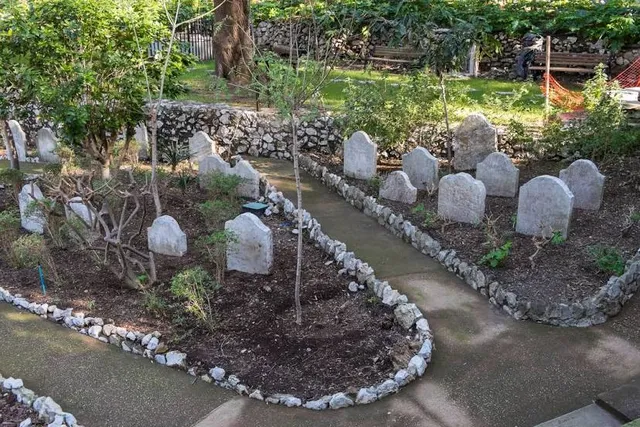
Trafalgar Cemetery
4.3
(275)
Open until 5:00 PM
Click for details
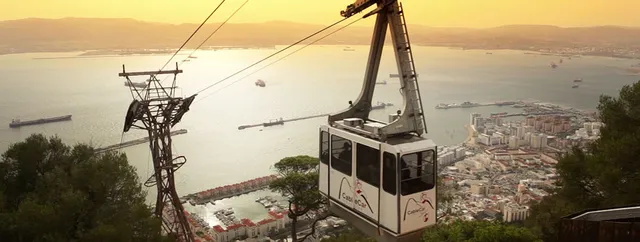
Gibraltar Cable Car
3.9
(5.5K)
Open 24 hours
Click for details
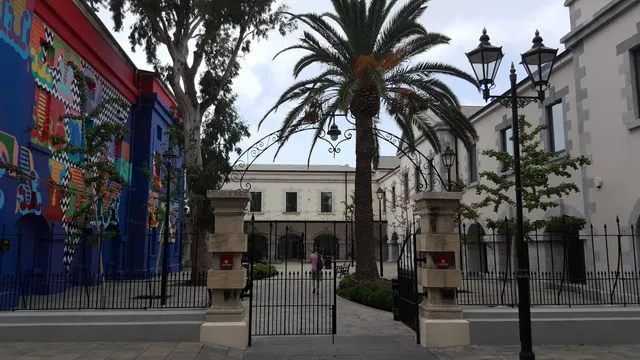
John Mackintosh Hall
4.2
(92)
Open 24 hours
Click for details
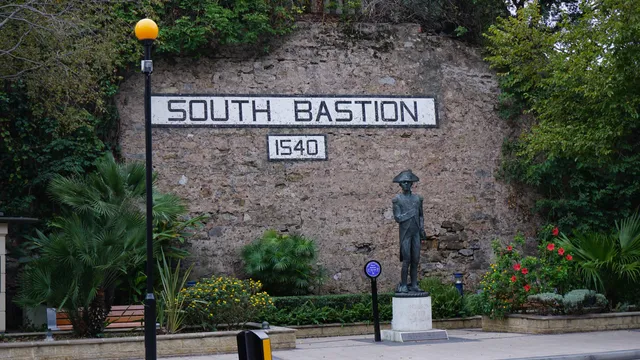
South Bastion
4.1
(11)
Open 24 hours
Click for details
Nearby restaurants of Southport Gates
Mamma Mia - Pizzeria & Pasta House
Restaurant Casa Pepe
4 Stagioni
Gela’ ti amo
El Kasbah
Tapas by Gauchos
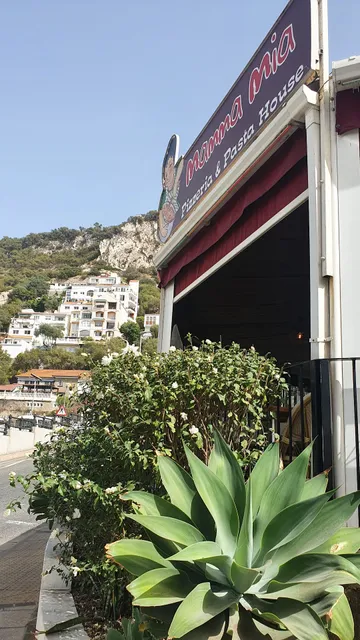
Mamma Mia - Pizzeria & Pasta House
4.0
(524)
$$
Closed
Click for details
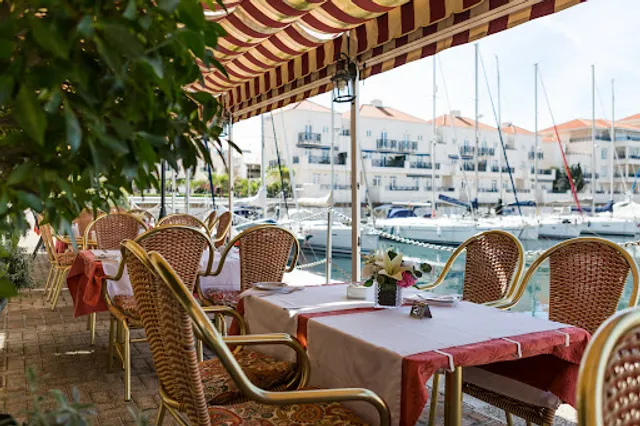
Restaurant Casa Pepe
4.0
(105)
Open until 12:00 AM
Click for details
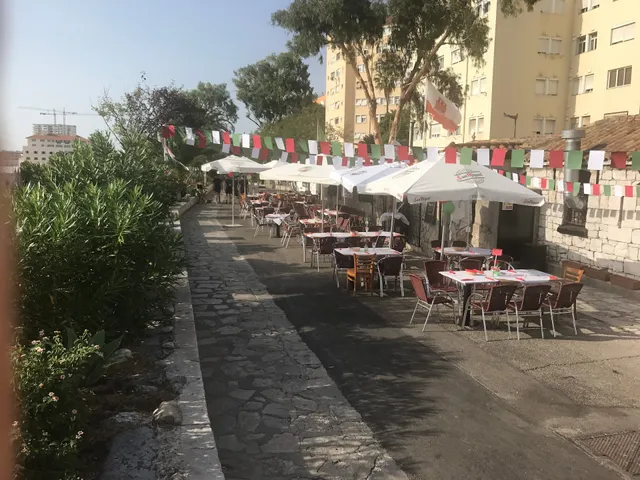
4 Stagioni
4.6
(188)
$$
Open until 12:00 AM
Click for details
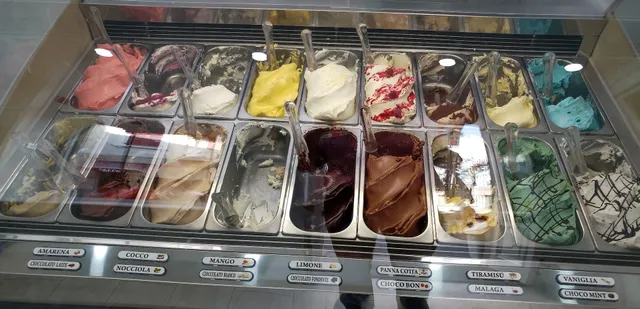
Gela’ ti amo
4.8
(85)
Open until 12:00 AM
Click for details
Nearby local services of Southport Gates
Port of Gibraltar
The Gibraltar Garrison Library
King's Bowl
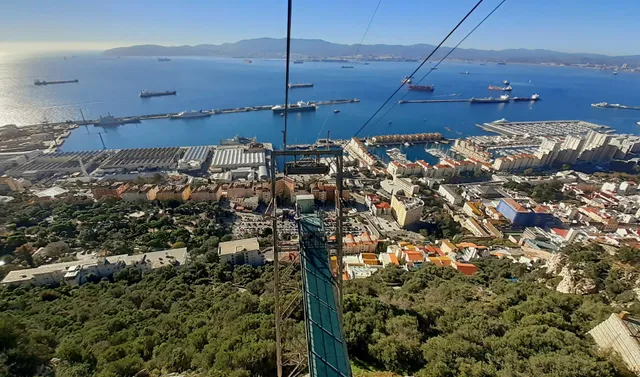
Port of Gibraltar
4.4
(73)
Click for details
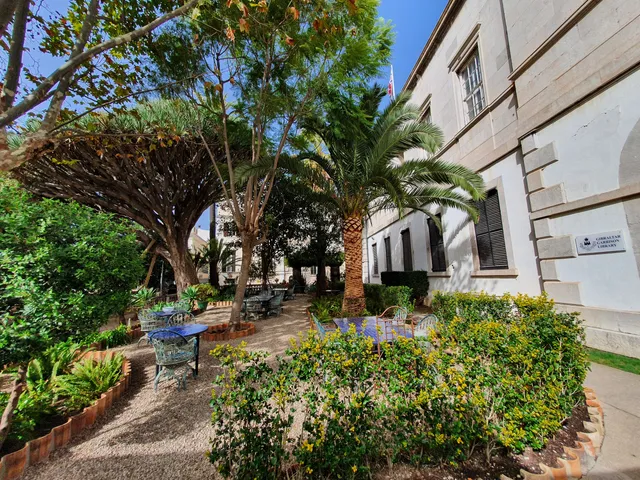
The Gibraltar Garrison Library
4.4
(15)
Click for details
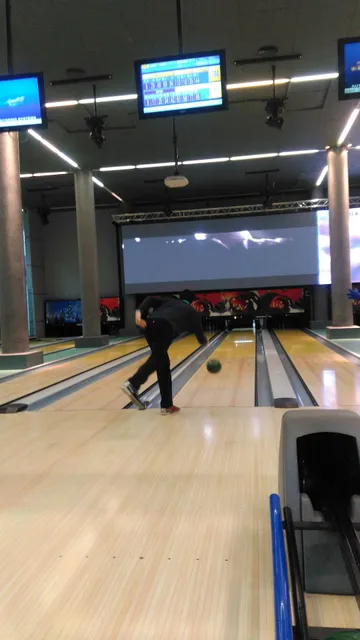
King's Bowl
4.4
(38)
Click for details