HTML SitemapExplore
Find Things to DoFind The Best Restaurants

Castle of Didymoteicho — Attraction in Didymoticho Municipality

Name
Castle of Didymoteicho
Description
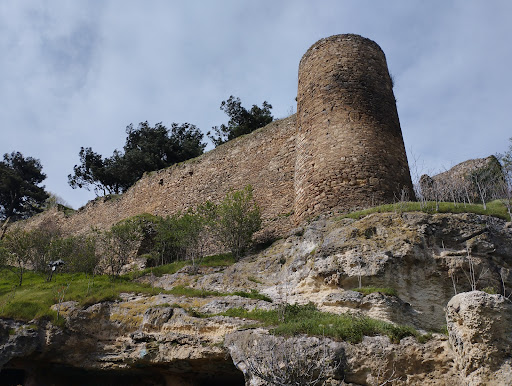
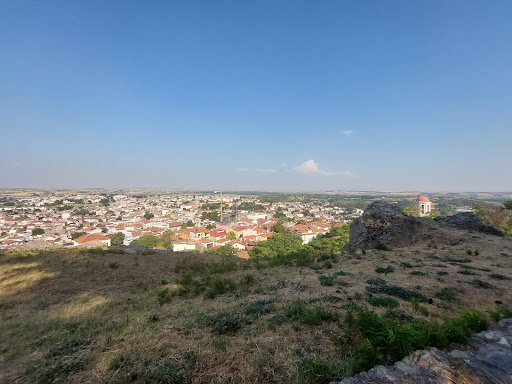
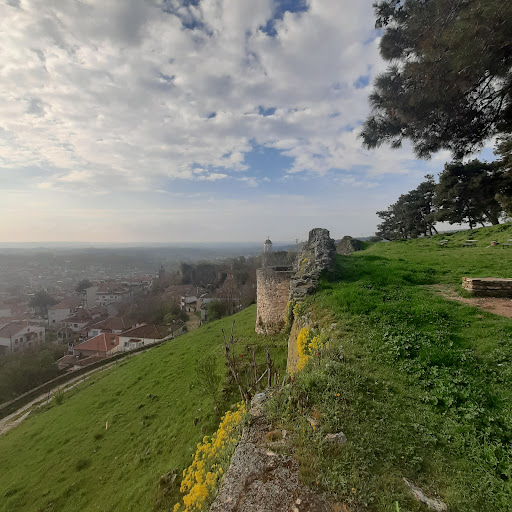
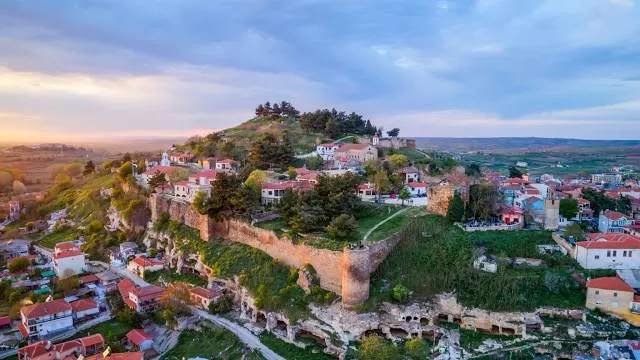
The Didymoteicho Fortress or Castle, is an ancient and medieval hilltop citadel complex in the town of Didymoteicho, Eastern Macedonia and Thrace, Greece. It has been an important landmark since ancient times due to the strong fortification surrounding it.
Nearby attractions
Folklore Museum of Didymoteicho
Kolokotroni 22, Didimoticho 683 00, Greece
Military Museum of Didymoteicho
Vasileos Alexandrou 131, Didimoticho 683 00, Greece
Nearby restaurants
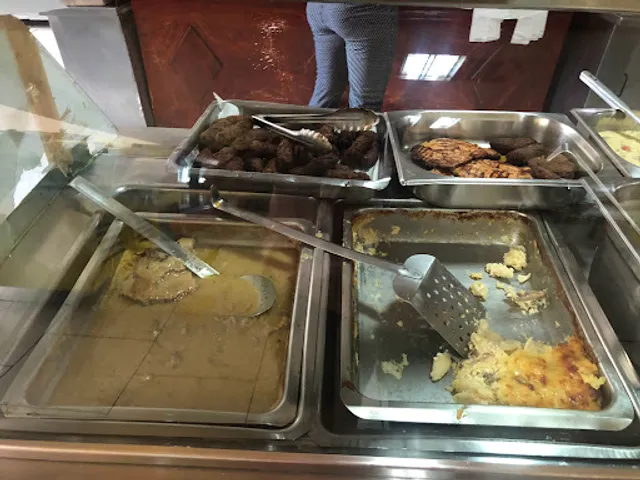
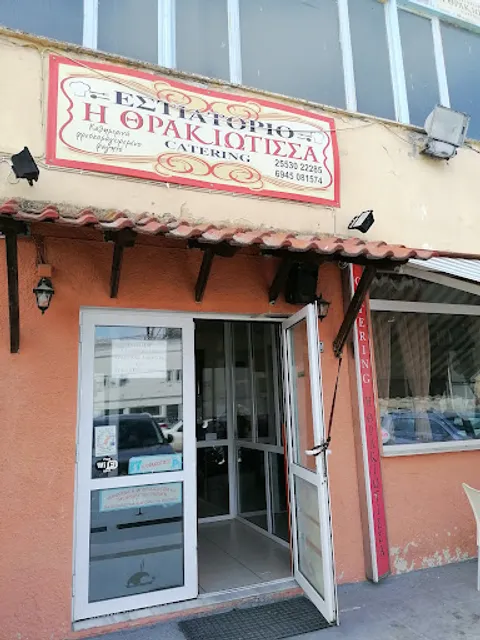
Η Θρακιώτισσα
28is Maiou 11, Didimoticho 683 00, Greece
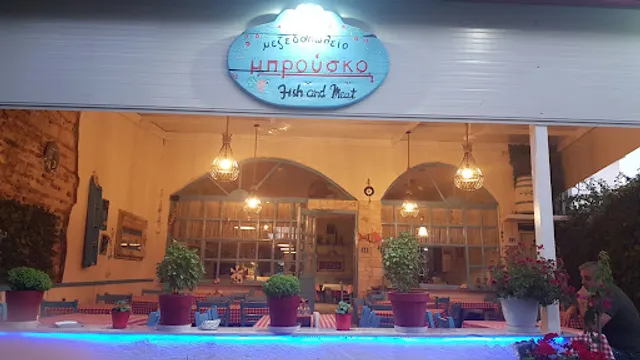
MPROUSKO
Germanou, Didimoticho 683 00, Greece
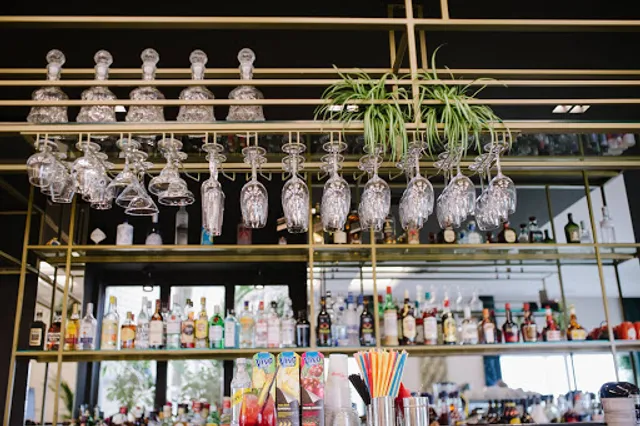
Music Cafe Nostos
Riga Fereou 41, Didimoticho 683 00, Greece
I Thrakiotisa
El. Venizelou 59, Didimoticho 683 00, Greece
Nearby hotels
Related posts
Keywords
Castle of Didymoteicho tourism.Castle of Didymoteicho hotels.Castle of Didymoteicho bed and breakfast. flights to Castle of Didymoteicho.Castle of Didymoteicho attractions.Castle of Didymoteicho restaurants.Castle of Didymoteicho travel.Castle of Didymoteicho travel guide.Castle of Didymoteicho travel blog.Castle of Didymoteicho pictures.Castle of Didymoteicho photos.Castle of Didymoteicho travel tips.Castle of Didymoteicho maps.Castle of Didymoteicho things to do.
Castle of Didymoteicho things to do, attractions, restaurants, events info and trip planning
Castle of Didymoteicho
GreeceMacedonia and ThraceDidymoticho MunicipalityCastle of Didymoteicho

Basic Info

Castle of Didymoteicho

Patriarchou Dionisiou 24, Didimoticho 683 00, Greece
4.4(258)
Open 24 hours
Save
spot

Ratings & Description

Info

The Didymoteicho Fortress or Castle, is an ancient and medieval hilltop citadel complex in the town of Didymoteicho, Eastern Macedonia and Thrace, Greece. It has been an important landmark since ancient times due to the strong fortification surrounding it.

Cultural
Scenic
Outdoor
Family friendly
attractions: Folklore Museum of Didymoteicho, Military Museum of Didymoteicho, restaurants: Η Θρακιώτισσα, MPROUSKO, Music Cafe Nostos, I Thrakiotisa
logoLearn more insights from Wanderboat AI.
Website
kastra.eu

Plan your stay

hotel
Pet-friendly Hotels in Didymoticho Municipality
Find a cozy hotel nearby and make it a full experience.

hotel
Affordable Hotels in Didymoticho Municipality
Find a cozy hotel nearby and make it a full experience.

hotel
The Coolest Hotels You Haven't Heard Of (Yet)
Find a cozy hotel nearby and make it a full experience.

hotel
Trending Stays Worth the Hype in Didymoticho Municipality
Find a cozy hotel nearby and make it a full experience.

Reviews

Nearby attractions of Castle of Didymoteicho

Folklore Museum of Didymoteicho

Military Museum of Didymoteicho
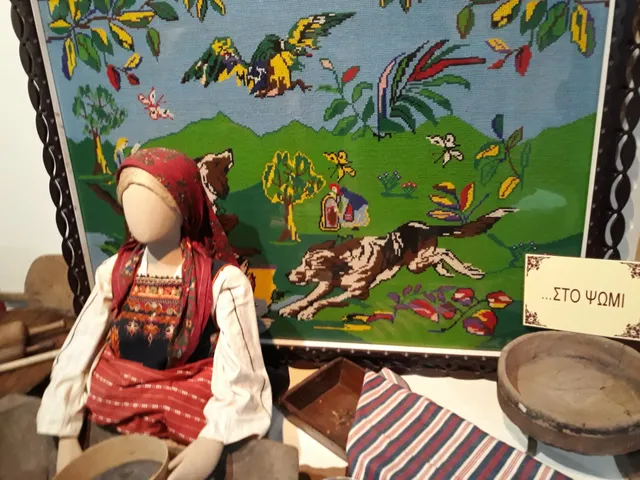
Folklore Museum of Didymoteicho

Folklore Museum of Didymoteicho

4.8

(62)

Open 24 hours
Click for details
Military Museum of Didymoteicho

Military Museum of Didymoteicho

4.7

(108)

Closed
Click for details

Nearby restaurants of Castle of Didymoteicho

Η Θρακιώτισσα

MPROUSKO

Music Cafe Nostos

I Thrakiotisa

Η Θρακιώτισσα

Η Θρακιώτισσα

4.5

(124)

Click for details
MPROUSKO

MPROUSKO

4.6

(256)

Click for details
Music Cafe Nostos

Music Cafe Nostos

4.5

(315)

Click for details
I Thrakiotisa

I Thrakiotisa

4.5

(10)

Click for details
Get the Appoverlay
Get the AppOne tap to find yournext favorite spots!
Wanderboat LogoWanderboat

Your everyday Al companion for getaway ideas

CompanyAbout Us
InformationAI Trip PlannerSitemap
SocialXInstagramTiktokLinkedin
LegalTerms of ServicePrivacy Policy

Get the app

© 2025 Wanderboat. All rights reserved.

Posts

Ivan RadnevIvan Radnev
Dimotika is a unique place called by someone a living observatory of Balkan culture. The walls of the medieval citadel are preserved and have a length of one kilometer and are reinforced with 26 towers, which are also preserved. At the top of the hill are the remains of the so-called "Byzantine palaces". The locals call this place "The Forty Chambers". The name probably comes from the hundreds of rooms carved into the rocks, scattered in a dense network throughout the elevation. Sometimes they have several rooms and are comfortable dwellings, workshops and farm parts. Clay jars for storing food supplies, wine and olive oil can be found inside and near them. The two medieval stone troughs for wine production, carved straight into the rock and completely preserved, make a great impression. Streets and staircases are formed between the carved buildings. There is no doubt that this unique town planning existed during the Byzantine period. According to the archaeologist Gouridis, however, the data points to an earlier origin of the rock architecture. He believes that the first excavations were made by the Thracians, whose ceramics were found on the hill. The Greek name of the city means twin walls and comes from the single city that existed before the barbarian invasions, located on the neighboring lower hill. Subsequently, the two cities merged. In 813, the city became part of Bulgaria, for which a memorial column was erected in the capital Pliska, which is now preserved in the Archaeological Museum in Sofia. In the 11th century, Byzantium regained possession of Dimotica. At the beginning of the 13th century, the Crusaders took control of the city. A little later, King Kaloyan recaptured the city and made it part of Bulgaria. In 1352, the decisive battle of Pythion took place here between the allied Bulgarians, Serbs and Byzantines and the Turks. The victory is Ottoman. In 1361 Dimotika fell under Ottoman rule and became the first Ottoman capital in European lands. In February 1713, the King of Sweden, Karl XII, after the defeat at Poltava, stayed for some time in the castle of Dimotica.
Sophia TsivitziSophia Tsivitzi
Beautiful little fort, with five (or more) World War bunkers, a small church and a sacred well. Could be much more reserved and with some more informative signs. Beautiful town overview.
OrhanOrhan
Kalenin bulunduğu tepe çok güzel bir manzaraya sahip. Manzara için çıkmayı düşünürseniz öneririm ancak tepeye çıktığınızda ne yazık ki bütünlüğünü koruyan bir kale ile karşılaşmayacaksınız. Uzaktan çok daha heybetli bir görünümü var. Kalenin bulunduğu alana dar bir sokaktan çıkılıyor. Sokağın sonunda genişçe bir alan var. Patika bir yoldan kaleye ulaşılıyor. Kalenin girişi ücretsiz, aslında kalenin net bir girişi de yok. Bodrum, Kars, Kastamonu kaleleri gibi bütünlük arz eden bir yapı beklemeyin.
See more posts
See more posts
hotel
Find your stay

Pet-friendly Hotels in Didymoticho Municipality

Find a cozy hotel nearby and make it a full experience.

Dimotika is a unique place called by someone a living observatory of Balkan culture. The walls of the medieval citadel are preserved and have a length of one kilometer and are reinforced with 26 towers, which are also preserved. At the top of the hill are the remains of the so-called "Byzantine palaces". The locals call this place "The Forty Chambers". The name probably comes from the hundreds of rooms carved into the rocks, scattered in a dense network throughout the elevation. Sometimes they have several rooms and are comfortable dwellings, workshops and farm parts. Clay jars for storing food supplies, wine and olive oil can be found inside and near them. The two medieval stone troughs for wine production, carved straight into the rock and completely preserved, make a great impression. Streets and staircases are formed between the carved buildings. There is no doubt that this unique town planning existed during the Byzantine period. According to the archaeologist Gouridis, however, the data points to an earlier origin of the rock architecture. He believes that the first excavations were made by the Thracians, whose ceramics were found on the hill. The Greek name of the city means twin walls and comes from the single city that existed before the barbarian invasions, located on the neighboring lower hill. Subsequently, the two cities merged. In 813, the city became part of Bulgaria, for which a memorial column was erected in the capital Pliska, which is now preserved in the Archaeological Museum in Sofia. In the 11th century, Byzantium regained possession of Dimotica. At the beginning of the 13th century, the Crusaders took control of the city. A little later, King Kaloyan recaptured the city and made it part of Bulgaria. In 1352, the decisive battle of Pythion took place here between the allied Bulgarians, Serbs and Byzantines and the Turks. The victory is Ottoman. In 1361 Dimotika fell under Ottoman rule and became the first Ottoman capital in European lands. In February 1713, the King of Sweden, Karl XII, after the defeat at Poltava, stayed for some time in the castle of Dimotica.
Ivan Radnev

Ivan Radnev

hotel
Find your stay

Affordable Hotels in Didymoticho Municipality

Find a cozy hotel nearby and make it a full experience.

Get the Appoverlay
Get the AppOne tap to find yournext favorite spots!
Beautiful little fort, with five (or more) World War bunkers, a small church and a sacred well. Could be much more reserved and with some more informative signs. Beautiful town overview.
Sophia Tsivitzi

Sophia Tsivitzi

hotel
Find your stay

The Coolest Hotels You Haven't Heard Of (Yet)

Find a cozy hotel nearby and make it a full experience.

hotel
Find your stay

Trending Stays Worth the Hype in Didymoticho Municipality

Find a cozy hotel nearby and make it a full experience.

Kalenin bulunduğu tepe çok güzel bir manzaraya sahip. Manzara için çıkmayı düşünürseniz öneririm ancak tepeye çıktığınızda ne yazık ki bütünlüğünü koruyan bir kale ile karşılaşmayacaksınız. Uzaktan çok daha heybetli bir görünümü var. Kalenin bulunduğu alana dar bir sokaktan çıkılıyor. Sokağın sonunda genişçe bir alan var. Patika bir yoldan kaleye ulaşılıyor. Kalenin girişi ücretsiz, aslında kalenin net bir girişi de yok. Bodrum, Kars, Kastamonu kaleleri gibi bütünlük arz eden bir yapı beklemeyin.
Orhan

Orhan

See more posts
See more posts

Reviews of Castle of Didymoteicho

4.4
(258)
avatar
5.0
1y

Dimotika is a unique place called by someone a living observatory of Balkan culture. The walls of the medieval citadel are preserved and have a length of one kilometer and are reinforced with 26 towers, which are also preserved. At the top of the hill are the remains of the so-called "Byzantine palaces". The locals call this place "The Forty Chambers". The name probably comes from the hundreds of rooms carved into the rocks, scattered in a dense network throughout the elevation. Sometimes they have several rooms and are comfortable dwellings, workshops and farm parts. Clay jars for storing food supplies, wine and olive oil can be found inside and near them. The two medieval stone troughs for wine production, carved straight into the rock and completely preserved, make a great impression. Streets and staircases are formed between the carved buildings. There is no doubt that this unique town planning existed during the Byzantine period. According to the archaeologist Gouridis, however, the data points to an earlier origin of the rock architecture. He believes that the first excavations were made by the Thracians, whose ceramics were found on the hill. The Greek name of the city means twin walls and comes from the single city that existed before the barbarian invasions, located on the neighboring lower hill. Subsequently, the two cities merged. In 813, the city became part of Bulgaria, for which a memorial column was erected in the capital Pliska, which is now preserved in the Archaeological Museum in Sofia. In the 11th century, Byzantium regained possession of Dimotica. At the beginning of the 13th century, the Crusaders took control of the city. A little later, King Kaloyan recaptured the city and made it part of Bulgaria. In 1352, the decisive battle of Pythion took place here between the allied Bulgarians, Serbs and Byzantines and the Turks. The victory is Ottoman. In 1361 Dimotika fell under Ottoman rule and became the first Ottoman capital in European lands. In February 1713, the King of Sweden, Karl XII, after the defeat at Poltava, stayed for some time in the castle...

   Read more
avatar
5.0
7y

To Κάστρο του Διδυμοτείχου βρίσκεται επάνω στην κορυφή του λόφου και είναι ένα από τα πιο σημαντικά κάστρα των Βαλκανίων. Αποτελούσε σημαντικό ορόσημο από τους αρχαίους χρόνους λόγω της γεωστρατηγικής του θέσης και του ισχυρότατου οχυρωματικού περιβόλου που το περιέβαλλε.

Υπολείμματα του βυζαντινού τείχους του Κάστρου του Διδυμοτείχου. Tο κάστρο διατηρείται στο μεγαλύτερο μήκος του, τα βυζαντινά τείχη του, έχουν μήκος 1 χ.λ.μ και το ύψος τους φτάνει τα 12 μέτρα, με τους πύργους του 24 στο σύνολο, κάποιοι από τους οποίους φέρουν μονογράμματα βυζαντινών προσωπικοτήτων ή διακοσμητικά και συμβολικά μοτίβα.

Μέσα στο κάστρο υπάρχουν διασκορπισμένες λαξευμένες σπηλιές οι οποίες χρησιμοποιούνταν ως τμήματα κατοικιών. Κατά τον ιστορικό Προκόπιο, η ανακατασκευή των τειχών του Διδυμοτείχου έγινε επί Ιουστινιανού και η μετέπειτα ενίσχυσή τους, επί Κωνσταντίνου Ε’ το 751. Ο Κωνσταντίνος Ταρχανειώτης, ενίσχυσε εκ' νέου τα τείχη το 1303.

Ο Πύργος της Βασιλοπούλας.

Τμήμα του Κάστρου του Διδυμοτείχου και ο ορθόδοξος ναός του Σωτήρος Χριστού. Στο Κάστρο διατηρούνται σήμερα 24 πύργοι και μεταβυζαντινοί ναοί. Σε κάποιος πύργους υπάρχουν μονογράμματα Bυζαντινών Aυτοκρατόρων και διακοσμητικά μοτίβα. Μέσα στο κάστρο υπάρχουν διασκορπισμένες λαξευμένες σπηλιές οι οποίες χρησιμοποιούνταν ως τμήματα κατοικιών. [1]

Το κάστρο συνοδεύουν αρκετοί μύθοι, ένας από τους πιο ξακουστούς είναι αυτός των...

   Read more
avatar
5.0
3y

To Κάστρο του Διδυμοτείχου βρίσκεται επάνω στην κορυφή του λόφου και είναι ένα από τα πιο σημαντικά κάστρα των Βαλκανίων. Αποτελούσε σημαντικό ορόσημο από τους αρχαίους χρόνους λόγω της γεωστρατηγικής του θέσης και του ισχυρότατου οχυρωματικού περιβόλου που το περιέβαλλε. Το κάστρο διατηρείται στο μεγαλύτερο μήκος του, τα βυζαντινά τείχη του, έχουν μήκος 1 χ.λ.μ και το ύψος τους φτάνει τα 12 μέτρα, με τους πύργους του 24 στο σύνολο, κάποιοι από τους οποίους φέρουν μονογράμματα βυζαντινών προσωπικοτήτων ή διακοσμητικά και συμβολικά μοτίβα.

Μέσα στο κάστρο υπάρχουν διασκορπισμένες λαξευμένες σπηλιές οι οποίες χρησιμοποιούνταν ως τμήματα κατοικιών. Κατά τον ιστορικό Προκόπιο, η ανακατασκευή των τειχών του Διδυμοτείχου έγινε επί Ιουστινιανού και η μετέπειτα ενίσχυσή τους, επί Κωνσταντίνου Ε’ το 751. Ο Κωνσταντίνος Ταρχανειώτης, ενίσχυσε εκ' νέου τα τείχη το 1303.

Στο Κάστρο διατηρούνται σήμερα 24 πύργοι και μεταβυζαντινοί ναοί. Σε κάποιος πύργους υπάρχουν μονογράμματα Βυζαντινών Αυτοκρατόρων και διακοσμητικά μοτίβα. Μέσα στο κάστρο υπάρχουν διασκορπισμένες λαξευμένες σπηλιές οι οποίες χρησιμοποιούνταν ως τμήματα κατοικιών.

Το διάστημα από το 1713 ως το 1714, στο Κάστρο του Διδυμοτείχου διέμενε σε κατάσταση ημιαιχμαλωσίας ο βασιλιάς της Σουηδίας Κάρολος ο ΙΒ΄.

Το κάστρο συνοδεύουν αρκετοί μύθοι, ένας από τους πιο ξακουστούς είναι αυτός των...

   Read more
Page 1 of 7
Previous
Next