HTML SitemapExplore
logo
Find Things to DoFind The Best Restaurants

Ancient Theatre of Philippi — Attraction in Kavala Municipality

Name
Ancient Theatre of Philippi
Description
Nearby attractions
Basilica B of Philippi
Philippi 640 03, Greece
Nearby restaurants
Nearby hotels
Related posts
Keywords
Ancient Theatre of Philippi tourism.Ancient Theatre of Philippi hotels.Ancient Theatre of Philippi bed and breakfast. flights to Ancient Theatre of Philippi.Ancient Theatre of Philippi attractions.Ancient Theatre of Philippi restaurants.Ancient Theatre of Philippi travel.Ancient Theatre of Philippi travel guide.Ancient Theatre of Philippi travel blog.Ancient Theatre of Philippi pictures.Ancient Theatre of Philippi photos.Ancient Theatre of Philippi travel tips.Ancient Theatre of Philippi maps.Ancient Theatre of Philippi things to do.
Ancient Theatre of Philippi things to do, attractions, restaurants, events info and trip planning
Ancient Theatre of Philippi
GreeceMacedonia and ThraceKavala MunicipalityAncient Theatre of Philippi

Basic Info

Ancient Theatre of Philippi

Philippi 640 03, Greece
4.8(1.7K)
Closed
Save
spot

Ratings & Description

Info

Cultural
Outdoor
Family friendly
attractions: Basilica B of Philippi, restaurants:
logoLearn more insights from Wanderboat AI.
Phone
+30 251 051 6251
Website
odysseus.culture.gr
Open hoursSee all hours
Mon8 AM - 8 PMClosed

Plan your stay

hotel
Pet-friendly Hotels in Kavala Municipality
Find a cozy hotel nearby and make it a full experience.
hotel
Affordable Hotels in Kavala Municipality
Find a cozy hotel nearby and make it a full experience.
hotel
The Coolest Hotels You Haven't Heard Of (Yet)
Find a cozy hotel nearby and make it a full experience.
hotel
Trending Stays Worth the Hype in Kavala Municipality
Find a cozy hotel nearby and make it a full experience.

Reviews

Nearby attractions of Ancient Theatre of Philippi

Basilica B of Philippi

Basilica B of Philippi

Basilica B of Philippi

4.6

(15)

Open 24 hours
Click for details

Things to do nearby

Dine in a dreamy rural setting with a vegan chef
Tue, Dec 9 • 6:30 PM
640 03, Korifes, Greece
View details
Get the Appoverlay
Get the AppOne tap to find yournext favorite spots!
Wanderboat LogoWanderboat

Your everyday Al companion for getaway ideas

CompanyAbout Us
InformationAI Trip PlannerSitemap
SocialXInstagramTiktokLinkedin
LegalTerms of ServicePrivacy Policy

Get the app

© 2025 Wanderboat. All rights reserved.
logo

Reviews of Ancient Theatre of Philippi

4.8
(1,697)
avatar
5.0
1y

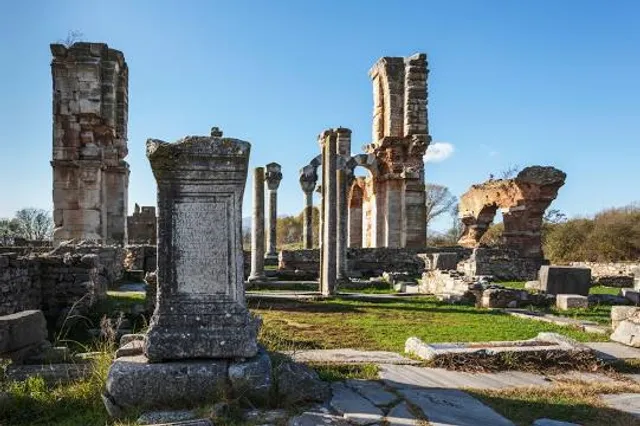
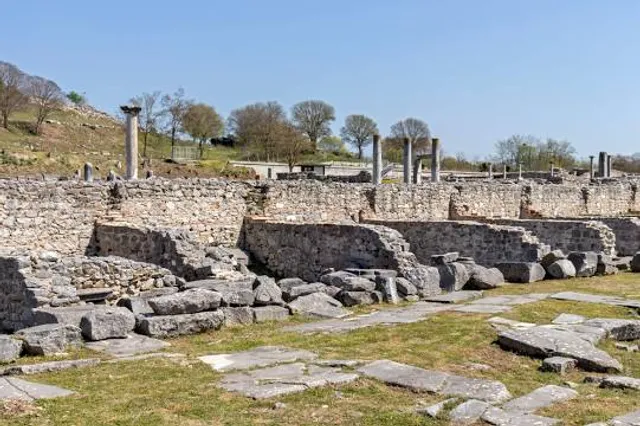
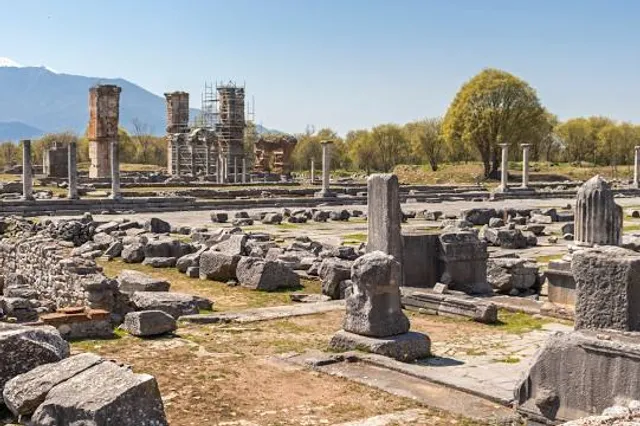
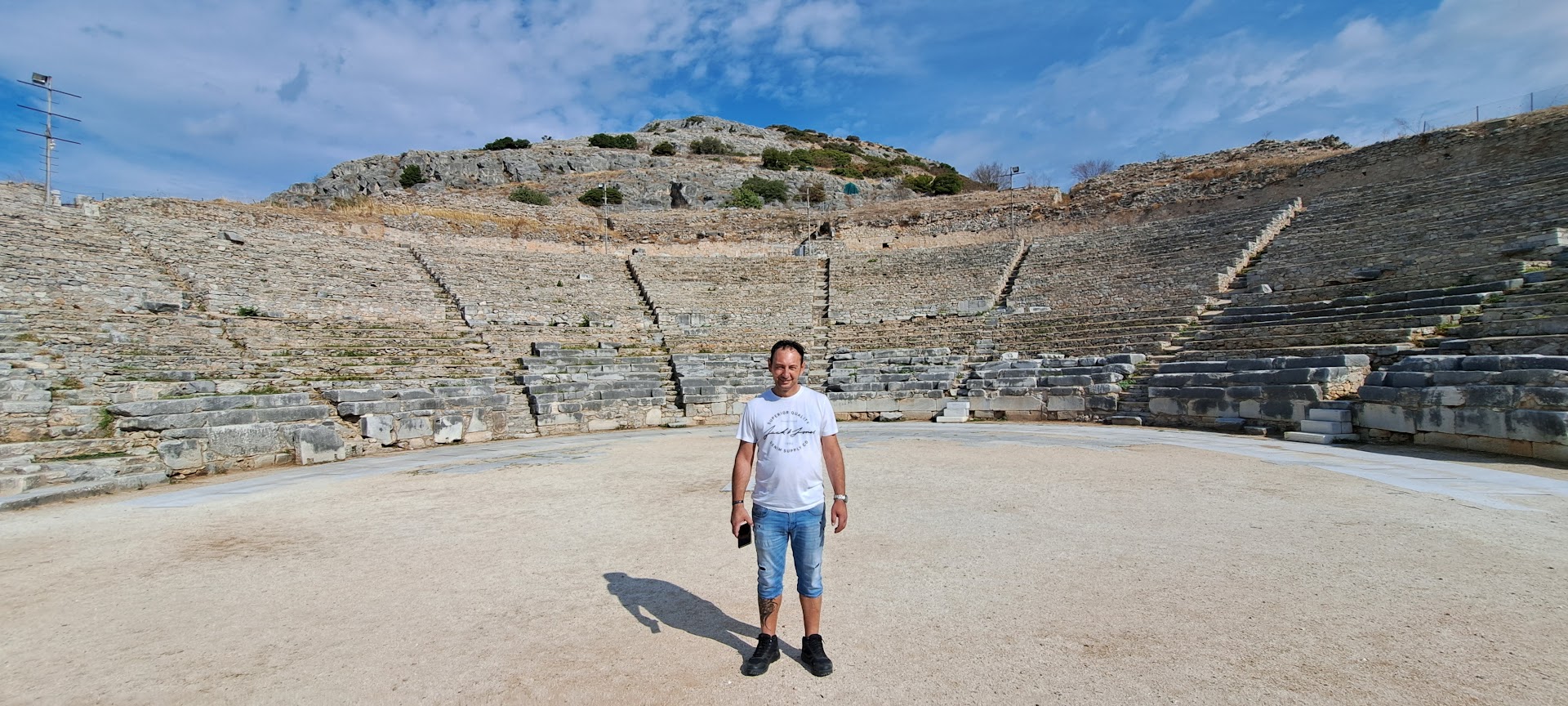
The Ancient Theatre of Philippi (Αρχαίο Θέατρο Φιλίππων) is one of the most remarkable historical landmarks in northern Greece, located within the archaeological site of Philippi. Originally constructed in the 4th century BC during the reign of King Philip II of Macedon, the theatre was an important cultural center for the ancient city, hosting theatrical performances, gatherings, and, later during Roman times, gladiatorial contests.

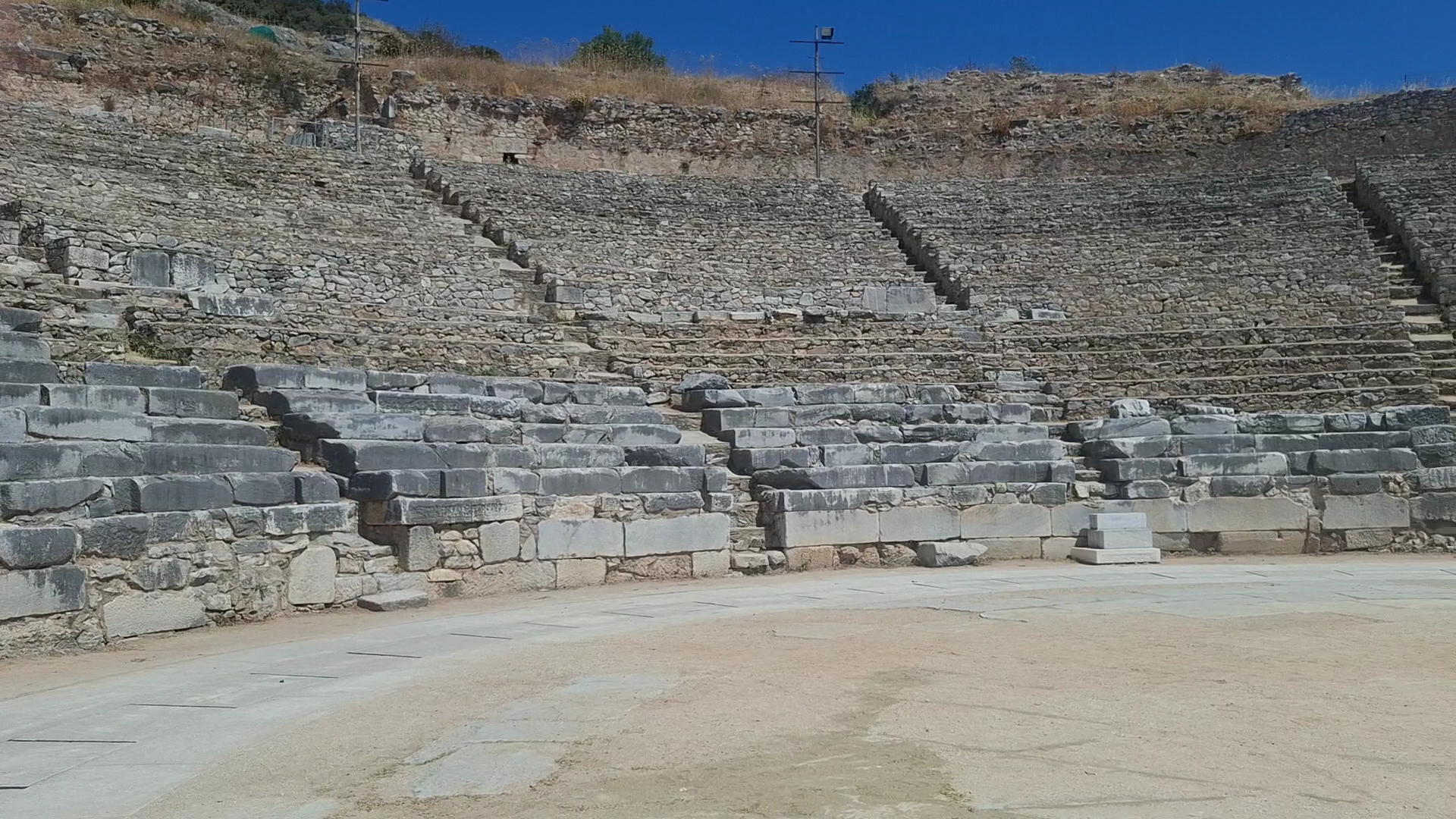
The theatre is set against the backdrop of the impressive acropolis of Philippi, giving visitors a breathtaking view of both the structure and the surrounding landscape. Though the theatre has undergone several modifications over the centuries, especially during the Roman period, much of its original design has been preserved. The semi-circular seating area (cavea), orchestra, and stage are well-maintained, allowing visitors to imagine the grandeur of performances that once took place here.

In recent years, the theatre has been partially restored and continues to serve as a venue for cultural events, particularly during the annual Philippi Festival, which features ancient Greek plays, concerts, and other performances. This modern use of the theatre bridges ancient and contemporary cultural experiences, making it a living monument.

The Ancient Theatre of Philippi is not only an architectural marvel but also a symbol of the city's rich cultural legacy. Its historical significance and continued use make it a must-visit site for anyone exploring the history and...

   Read more
avatar
4.0
2y

Take a bottle of water inside and a hat if you visit the place during the summer.

I gave 4 stars because of 2 reasons: First we arrived in Philippi village after Google Maps photos of Archelogical Site. The site in NOT in Philippi, is at about 9 km in a village called Kinides. Why? Brcause the photos of ancient theatre are present in Philippi village. Those photos are misleading and should be removed.

The Archelogical Site has 2 entrances at 2,6km distance. It is not speciffied. We arrived in a small parking were you have to climb a lot (not suited if you have walking problems), and enter through the museum. And then walk a lot to the site. Our friends arrived at the other entrance, where is a big parking and you enter easier in the site.

The site is big, the theatre was preparing for performance which I appreciated. You visit a Forum and a Basilica and read a few things about the history of the place that goes back until 40 BC with some clues that the place was lived since prehistoric ages.

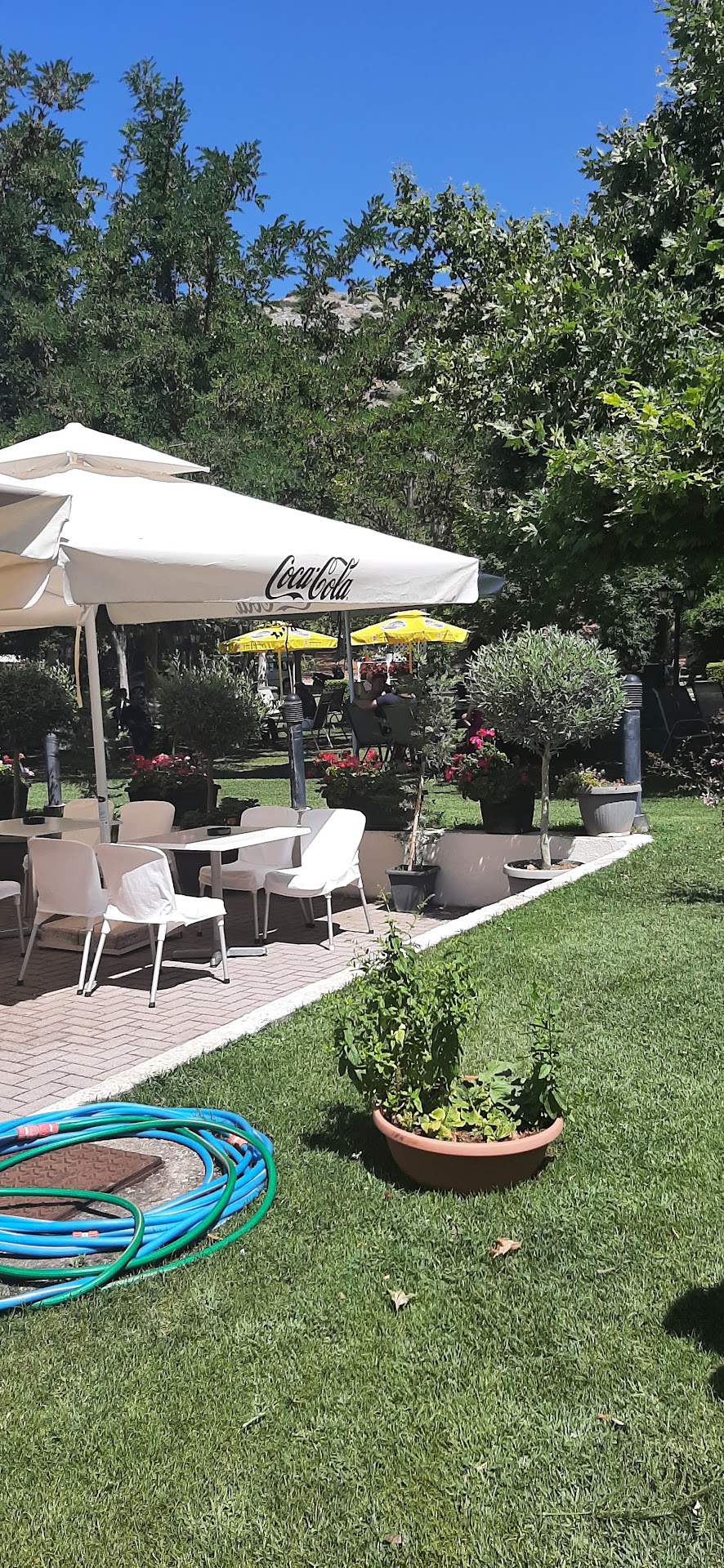
At the main entrance (with a big parking) you'll find: the coffee and the souvenir shops which are a nice stop under the shadow of the trees. You can have a Frappe or an ice cream in a pleaseant place or buy some nice stuff to...

   Read more
avatar
5.0
2y

Το αρχαίο θέατρο των Φιλίππων χτίστηκε στα μέσα του 4ου αι. π.Χ. και είναι ένα από τα πρωιμότερα λίθινα θεατρικά οικοδομήματα. Είναι τοποθετημένο στους πρόποδες της ακρόπολης, θέλοντας να επωφεληθεί την κλίση του λόφου της ακρόπολης. Το αρχαίο θέατρο είχε προσανατολισμό προς το νότο με σκοπό να εξασφαλίζει πανοραμική θέα της πόλης στους αρχαίους θεατές.[2] Το μνημείο ήταν κατασκευασμένο από μάρμαρο.

Από το θεατρικό οικοδόμημα των Ύστερων Κλασικών και Ελληνιστικών χρόνων, σώζονται αποσπασματικά στοιχεία. Σε αυτήν την περίοδο χρονολογούνται οι σωζόμενοι αναλημματικοί τοίχοι του κοίλου που το στήριζαν ανατολικά, δυτικά και νότια.

Ορατή ήταν και η παρειά των παρόδων του υστεροελλαδικού θεάτρου, κτισμένη με βάση το ισοδομικό σύστημα. Το άκρο των υστεροελλαδικών παρόδων προς το τμήμα της ορχήστρας εμφάνιζε ιδιαίτερα επιμελημένη λάξευση. Πρόσφατα αποκαλύφθηκε η ύπαρξη αποχετευτικού αγωγού για την απομάκρυνση των όμβριων υδάτων, ο οποίος ήταν τοποθετημένος περιμετρικά της πλακόστρωτης ορχήστρας των ρωμαϊκών χρόνων.

Για το κτίσμα της σκηνής των Υστεροκλασικών και Ελληνιστικών χρόνων δε διαθέτουμε κανένα στοιχείο. Παρά την ύπαρξη αρκετών λιθόκτιστων κτιρίων στα θέατρα της περιοχής, δεν αποκλείεται το θέατρο των Φιλίππων να διέθετε ξύλινο κτίσμα σκηνής.

Κατά τα ρωμαϊκά χρόνια, η αλλαγή της ελληνιστικής πόλης σε ρωμαϊκή αποτυπώθηκε και στο θέατρο της πόλης, το οποίο χρησιμοποιήθηκε ως χώρος πολιτικής δραστηριότητας και προβολής του Ρωμαίου Αυτοκράτορα, αλλά και δημόσιων και θρησκευτικών σκοπών.

Το 2ο αι. μ.Χ. κτίστηκε ένα λαμπρό τριώροφο κτίριο σκηνής που διέθετε ξύλινο προσκήνιο. Η ορχήστρα διευρύνθηκε, ομοίως και το κοίλο πάνω από τις παρόδους. Τα έδρανα επεκτάθηκαν και πάνω από τις παρόδους, οι οποίες καλύφθηκαν με καμάρες. Στο γλυπτό διάκοσμο της σκηνής ήταν ορατή η παρουσία διονυσιακών θεμάτων, τονίζοντας τη σχέση του θεάτρου με το Διόνυσο.

Στα νότια της σκηνής υπήρχε μια πλακόστρωτης πλατείας, η οποία καλύφθηκε από νεότερα κτίρια Παλαιοχριστιανικών Χρόνων.

Η αγάπη και η προτίμηση των Ρωμαίων για τις ιπποδρομίες και τις μονομαχίες, οδήγησε αργότερα στην αλλαγή του ρωμαϊκού θεάτρου σε αρένα και στη γέννηση ενός νέου αρχιτεκτονικού τύπου θεάτρου, του αμφιθέατρου. Με τα θεάματα της αρένας συνδέθηκε και το Θέατρο των Φιλίππων. Το θέατρο μετατρέπεται σε αρένα με την κατεδάφιση του προσκηνίου, την ύψωση του δαπέδου του υποσκηνίου και τη μετατροπή της ορχήστρας σε κυκλική, την αφαίρεση των δύο πρώτων σειρών καθισμάτων του κοίλου και την κατασκευή λίθινου στηθαίου και κιγκλιδωμάτων, για την προστασία των θεατών. Η φάση αυτή χρονολογείται στο 2ο αι. μ.Χ. ή στις αρχές του 3ου αι μ.Χ.[3]

Στη μεγαλύτερη έκτασή του το κοίλο έχει διαμορφωμένα καθίσματα και κλίμακες από αργολιθοδομή με επικάλυψη από τσιμεντοκονία. Το διάζωμα χωρίζει το κοίλο σε δύο τμήματα, που το καθένα διαιρείται σε 8 κερκίδες. Το κάτω τμήμα διαθέτει δέκα σειρές εδωλίων, ενώ το πάνω υπολογίζεται ότι διέθετε δέκα-δώδεκα σειρές.

Μετά την τρίτη φάση των κτιριακών επεμβάσεων στο Θέατρο των Φιλίππων, χρονολογείται στο δεύτερο μισό του 3ου αι. μ.Χ.. Για το στατικό πρόβλημα στήριξης που είχε προκύψει στον αναλημματικό τοίχο του κοίλου και της δυτικής παρόδου κατασκευάστηκαν δύο τόξα...

   Read more
Page 1 of 7
Previous
Next

Posts

Nikola PanchevskiNikola Panchevski
The Ancient Theatre of Philippi (Αρχαίο Θέατρο Φιλίππων) is one of the most remarkable historical landmarks in northern Greece, located within the archaeological site of Philippi. Originally constructed in the 4th century BC during the reign of King Philip II of Macedon, the theatre was an important cultural center for the ancient city, hosting theatrical performances, gatherings, and, later during Roman times, gladiatorial contests. The theatre is set against the backdrop of the impressive acropolis of Philippi, giving visitors a breathtaking view of both the structure and the surrounding landscape. Though the theatre has undergone several modifications over the centuries, especially during the Roman period, much of its original design has been preserved. The semi-circular seating area (cavea), orchestra, and stage are well-maintained, allowing visitors to imagine the grandeur of performances that once took place here. In recent years, the theatre has been partially restored and continues to serve as a venue for cultural events, particularly during the annual Philippi Festival, which features ancient Greek plays, concerts, and other performances. This modern use of the theatre bridges ancient and contemporary cultural experiences, making it a living monument. The Ancient Theatre of Philippi is not only an architectural marvel but also a symbol of the city's rich cultural legacy. Its historical significance and continued use make it a must-visit site for anyone exploring the history and culture of Greece.
Anca PatrascuAnca Patrascu
Take a bottle of water inside and a hat if you visit the place during the summer. I gave 4 stars because of 2 reasons: 1. First we arrived in Philippi village after Google Maps photos of Archelogical Site. The site in NOT in Philippi, is at about 9 km in a village called Kinides. Why? Brcause the photos of ancient theatre are present in Philippi village. Those photos are misleading and should be removed. 2. The Archelogical Site has 2 entrances at 2,6km distance. It is not speciffied. We arrived in a small parking were you have to climb a lot (not suited if you have walking problems), and enter through the museum. And then walk a lot to the site. Our friends arrived at the other entrance, where is a big parking and you enter easier in the site. The site is big, the theatre was preparing for performance which I appreciated. You visit a Forum and a Basilica and read a few things about the history of the place that goes back until 40 BC with some clues that the place was lived since prehistoric ages. At the main entrance (with a big parking) you'll find: the coffee and the souvenir shops which are a nice stop under the shadow of the trees. You can have a Frappe or an ice cream in a pleaseant place or buy some nice stuff to remember your visit.
Brian JeongBrian Jeong
Filippoi (Greek: Φίλιπποι, Philippi), is a village and a former municipality in the Kavala regional unit, East Macedonia and Thrace, Greece. Since the 2011 local government reform it is part of the municipality Kavala, of which it is a municipal unit. The municipal unit has an area of 238.751 km2.[3] The 2011 census reported a population of 11,711 for the municipal unit and 894 for the village. The ruins of ancient Philippi are located in the municipal unit. The most important cultural event of the town is its annual festival, held since 1957. It takes place in the Ancient Theatre of Filippoi during the high season with ancient and modern performances, ballets and concerts by theatrical troupes, orchestras and bands. This ancient Greek theatre dates to 357 B.C. It was first restored in 1957 by Dimitris Lazaridis with a view of holding the festival.
See more posts
See more posts
hotel
Find your stay

Pet-friendly Hotels in Kavala Municipality

Find a cozy hotel nearby and make it a full experience.

The Ancient Theatre of Philippi (Αρχαίο Θέατρο Φιλίππων) is one of the most remarkable historical landmarks in northern Greece, located within the archaeological site of Philippi. Originally constructed in the 4th century BC during the reign of King Philip II of Macedon, the theatre was an important cultural center for the ancient city, hosting theatrical performances, gatherings, and, later during Roman times, gladiatorial contests. The theatre is set against the backdrop of the impressive acropolis of Philippi, giving visitors a breathtaking view of both the structure and the surrounding landscape. Though the theatre has undergone several modifications over the centuries, especially during the Roman period, much of its original design has been preserved. The semi-circular seating area (cavea), orchestra, and stage are well-maintained, allowing visitors to imagine the grandeur of performances that once took place here. In recent years, the theatre has been partially restored and continues to serve as a venue for cultural events, particularly during the annual Philippi Festival, which features ancient Greek plays, concerts, and other performances. This modern use of the theatre bridges ancient and contemporary cultural experiences, making it a living monument. The Ancient Theatre of Philippi is not only an architectural marvel but also a symbol of the city's rich cultural legacy. Its historical significance and continued use make it a must-visit site for anyone exploring the history and culture of Greece.
Nikola Panchevski

Nikola Panchevski

hotel
Find your stay

Affordable Hotels in Kavala Municipality

Find a cozy hotel nearby and make it a full experience.

Get the Appoverlay
Get the AppOne tap to find yournext favorite spots!
Take a bottle of water inside and a hat if you visit the place during the summer. I gave 4 stars because of 2 reasons: 1. First we arrived in Philippi village after Google Maps photos of Archelogical Site. The site in NOT in Philippi, is at about 9 km in a village called Kinides. Why? Brcause the photos of ancient theatre are present in Philippi village. Those photos are misleading and should be removed. 2. The Archelogical Site has 2 entrances at 2,6km distance. It is not speciffied. We arrived in a small parking were you have to climb a lot (not suited if you have walking problems), and enter through the museum. And then walk a lot to the site. Our friends arrived at the other entrance, where is a big parking and you enter easier in the site. The site is big, the theatre was preparing for performance which I appreciated. You visit a Forum and a Basilica and read a few things about the history of the place that goes back until 40 BC with some clues that the place was lived since prehistoric ages. At the main entrance (with a big parking) you'll find: the coffee and the souvenir shops which are a nice stop under the shadow of the trees. You can have a Frappe or an ice cream in a pleaseant place or buy some nice stuff to remember your visit.
Anca Patrascu

Anca Patrascu

hotel
Find your stay

The Coolest Hotels You Haven't Heard Of (Yet)

Find a cozy hotel nearby and make it a full experience.

hotel
Find your stay

Trending Stays Worth the Hype in Kavala Municipality

Find a cozy hotel nearby and make it a full experience.

Filippoi (Greek: Φίλιπποι, Philippi), is a village and a former municipality in the Kavala regional unit, East Macedonia and Thrace, Greece. Since the 2011 local government reform it is part of the municipality Kavala, of which it is a municipal unit. The municipal unit has an area of 238.751 km2.[3] The 2011 census reported a population of 11,711 for the municipal unit and 894 for the village. The ruins of ancient Philippi are located in the municipal unit. The most important cultural event of the town is its annual festival, held since 1957. It takes place in the Ancient Theatre of Filippoi during the high season with ancient and modern performances, ballets and concerts by theatrical troupes, orchestras and bands. This ancient Greek theatre dates to 357 B.C. It was first restored in 1957 by Dimitris Lazaridis with a view of holding the festival.
Brian Jeong

Brian Jeong

See more posts
See more posts