Imagine a land where ancient myths blend seamlessly with stunning landscapes and warm, welcoming people. That's Crete for you, a paradise on Earth that I was fortunate enough to visit, and a place that I now hold as my favorite destination.
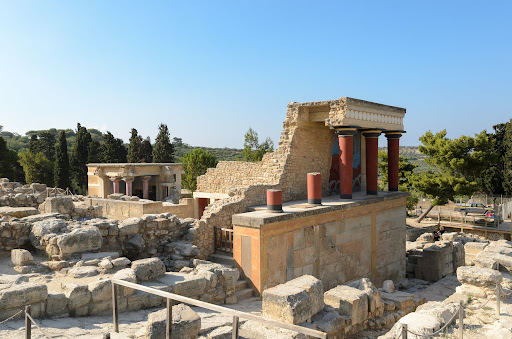
First and foremost, what struck me about Crete was its rich tapestry of history. Walking amidst the ruins of the Minoan Palace of Kato Zakros, I felt an inexplicable connection with them, an ancient civilization that once called this island home. The remnants of their majestic palace spoke of an advanced society, and I found myself marveling at the ingenuity of humanity across centuries.
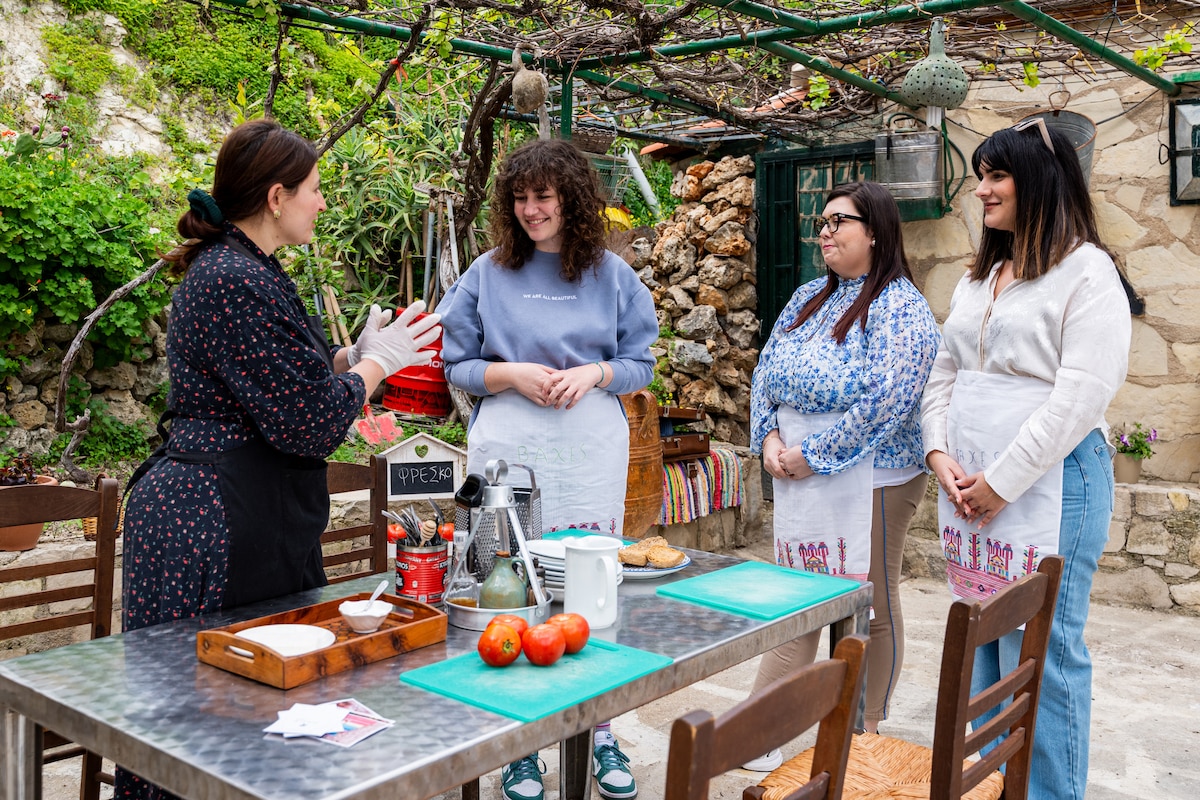
But it wasn’t just the historical sites that stole my heart; it was the warmth of the Cretan people. Their hospitality is unparalleled. I was invited to share meals that tasted like a slice of heaven, and regaled with stories of their land. It’s in the genuine smiles of the locals that I found the true essence of Crete – a place where strangers become friends in the blink of an eye.
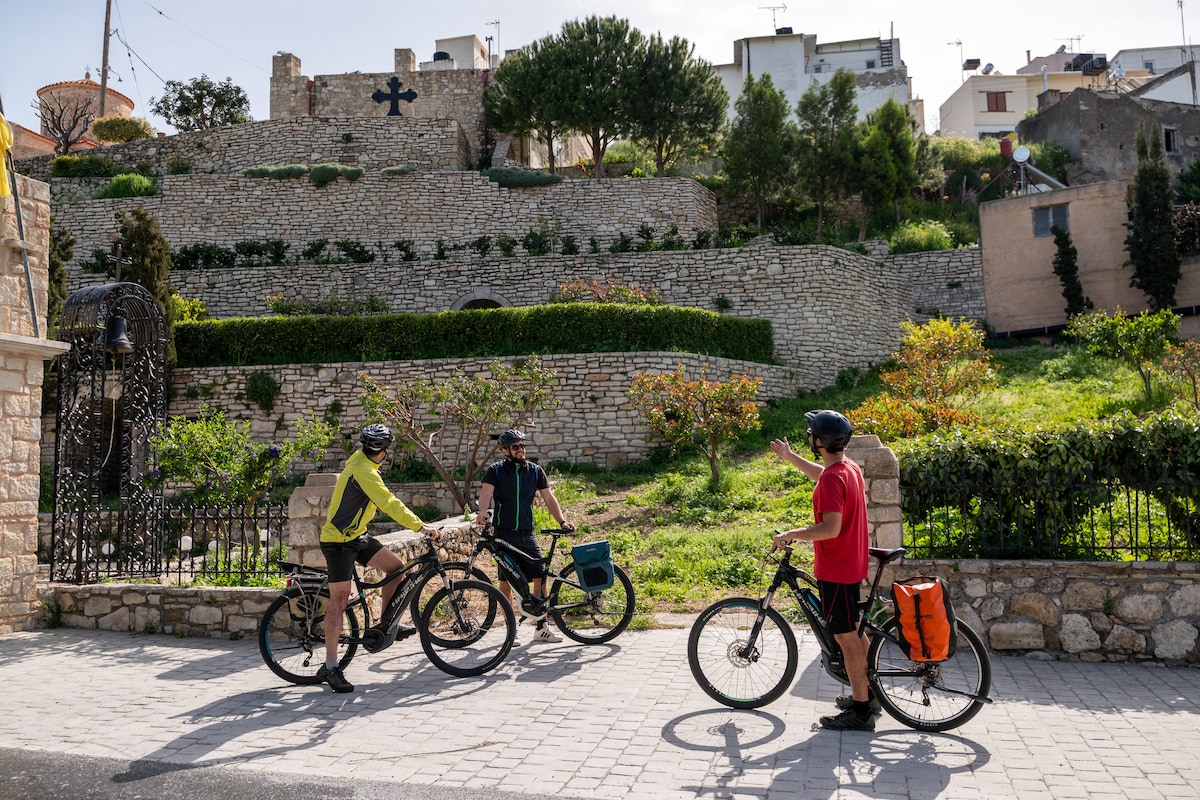
Then, there's the mesmerizing landscape of Crete. From the rugged beauty of the Gorge of The Dead, to the pristine beaches with crystal-clear waters, every corner of this island is a painting waiting to be admired. I trekked through olive groves that seemed to stretch out endlessly, and stood in awe of the grandeur of the White Mountains. Each sunset, painting the sky in hues of orange and pink, felt like a personal masterpiece crafted just for me.
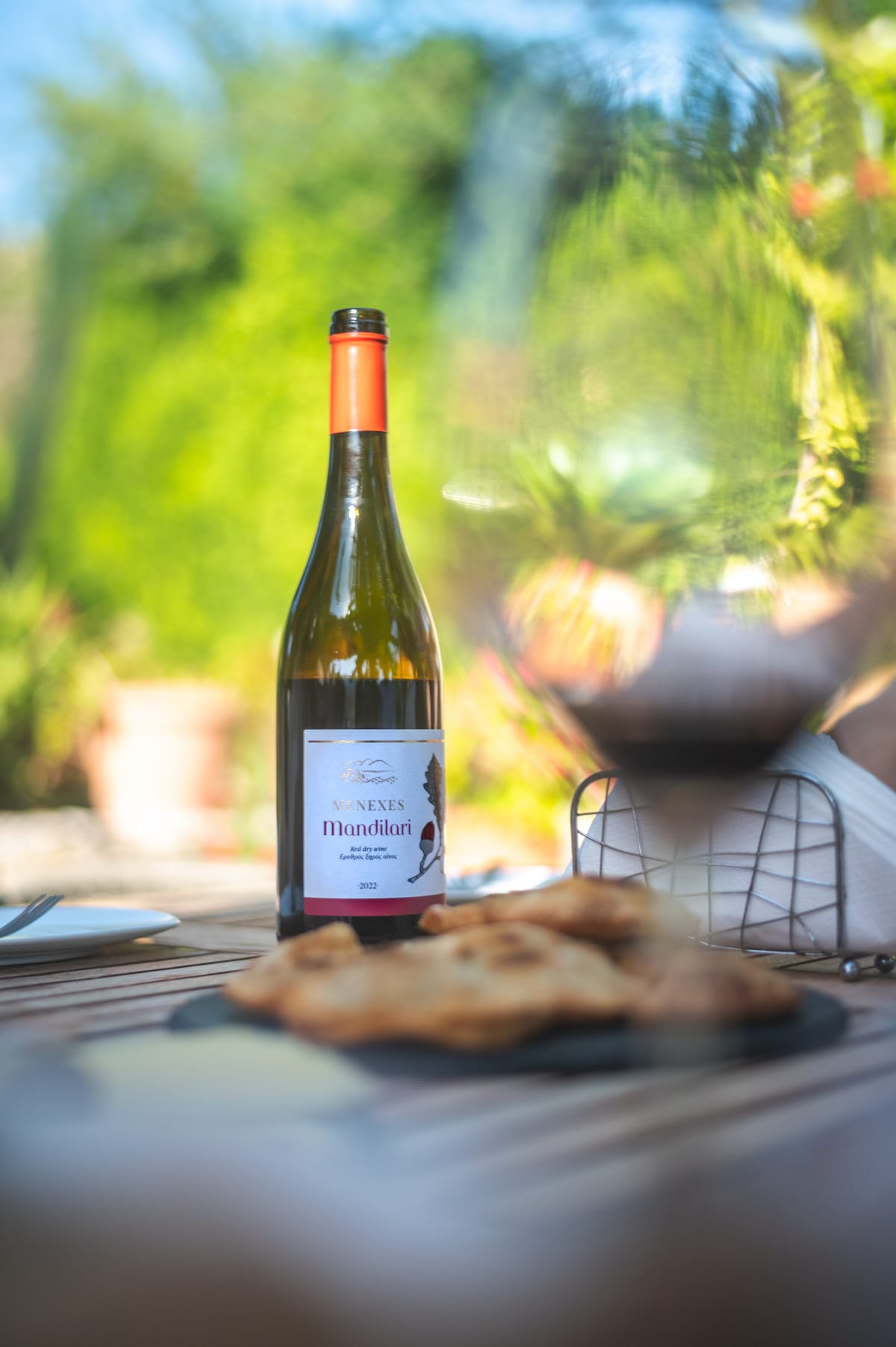
What truly endeared Crete to me was its culinary marvels. The Cretan cuisine is a celebration of flavors and tradition. I indulged in dishes made from locally sourced ingredients - olives, cheese, fresh seafood, and aromatic herbs. Each bite was a tribute to the island’s terroir (environmental factors that affect a crop's taste), a burst of authenticity that tantalized my taste buds and left me craving for more.
But beyond the history, the people, the landscapes, and the food, what I loved most about Crete was the sense of serenity it provided me. In a world that often moves too fast, Crete allowed me to slow down, to breathe in the salty sea air, and to savor the simple pleasures of life. It taught me the beauty of embracing the present moment and appreciating the world in its purest form.
In closing, Crete isn’t just a place I visited; it's a piece of my heart that I carry with me wherever I go. It’s a reminder that in this vast world, there are places that can make you feel alive, places where you discover not only the world but also yourself. Crete, with its history, its people, its landscapes, its food, and its tranquility, is my sanctuary, my favorite place, and I will forever cherish the memories...
Read moreWith an an area of 8,336 Sq.km and a coastline of 1,046 km long, Crete is the largest of the Greek islands, eightyeighth largest island in the world and fifth largest island in the Mediterranean Sea,after Sicily, Sardinia, Cyprus and Corsica. From the south of the Greek mainland Crete is approximately 160km away. History of Crete is very old and interesting. Oldest times starts with the fossil footprints left by ancient human relatives 5,600,000 years ago discovered by the paleontologist Gerard Gierlinski In 2002.The first human settlement in Crete dates before 130,000 years ago, during the Paleolithic age. Crete and a number of surrounding islands and islets constitute the region of Crete. Crete is known for its varied landscape, from fine-sand beaches at Elafonisi to the White Mountains. Mt. Ida is the highest and is home to the Ideon Cave, which was the birthplace of Zeus, according to Greek mythology. The renowned Heraklion Archaeological Museum, housing Minoan artifacts, and Knossos, a Bronze Age settlement is located in Heraklion, the Capital of Crete. Crete was the centre of Europe's first advanced civilization, the Minoans, from 2700 to 1420 BC succeeded by the Mycenaean civilization. Later Crete came under Roman rule, then the Byzantine Empire, Andalusian Arabs, the Venetian Republic, and the Ottoman Empire successively ruled Crete. The Cretan people achieved independence from the Ottomans in 1898 as the Cretan State and became part of Greece in December 1913.
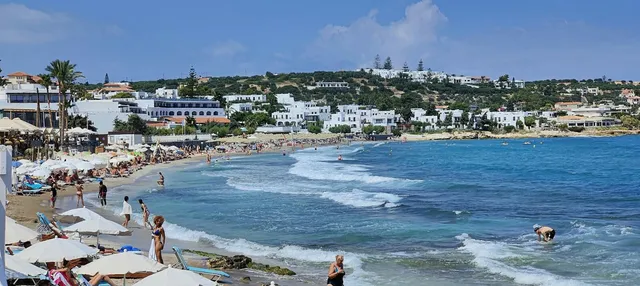
Archaeological sites of the Minoan civilisation, the Venetian old city and port of Chania, the Venetian castle at Rethymno, the gorge of Samaria, the islands of Chrysi, Elafonisi, Gramvousa, Spinalonga and the Palm Beach of Vai, which is the largest natural palm forest in Europe are the main places of tourist attraction in...
Read moreI lived there for 3 years. It's a beautiful place full of history. BUT. You need to study the area you are visiting and the laws. If you don't get a receipt. You may be getting ripped off. They say the Greek national sport is to avoid paying taxes. Well the game there just as good at is ripping off tourist. And the thing I tell everyone who visits "If you can't see them make your food. Don't eat it". Because you may well be getting the food from the people before you.. Side note. The law is, if you don't get a receipt with what ever you buy. You don't have to pay. And keep your receipts. You could be stoped and asked for it by the tax people. Definitely try to take one of the trips to santarini. Make sure to take the two day trip and use the slow boat. It's only an hour slower, but they feed you. The prices at the travel places are all pretty close to each other... But check a few because... Greece.
There are migrants around and they do steal things, and the police will be little to no help. So be sure to follow good travel awareness. Tip. If the flower or balloon kids selling stuff approach you. Be careful. They will surround you and pick your pocket. We heard tons of stories about that. The day trips are safe. But the ones sold in the resorts are the same as the ones sold in the street for half the price. Drinks in the bars are expensive. If your young and wanting to club. Check with the locals for a safe club. The bad clubs are known to mix cheap alcohol with methinal and make kids very sick. But if your careful you will have...
Read more