A must visit site for everyone! Olynthos is one of the biggest cities of ancient Greece with its history starting even from the neolithic period. And it was truly magnificent checking the ruins and the interactive exhibition was so well made!
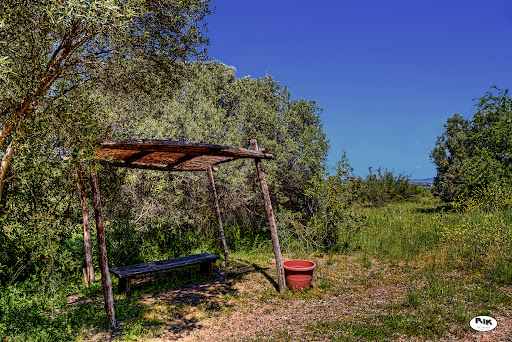
If you visit during summer time it's better to go earlier as after 10:00 the sun is scorching but thankfully there are plenty of rest areas with benches under a shade. We were also lucky as it was a bit windy, making the heat more tolerable.
There is a carpark at the bottom of the hill with plenty of trees for shade. You go through the entrance and pay your ticket (cards acceptable!) and then you can download a mini pdf using the QR code by the cashier. There are also 2 more apps you can download that will help you touring the place but also come with plenty of info for other archaeological sites around Chalkidiki!
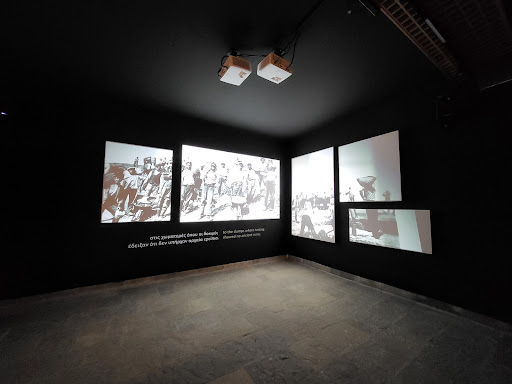
Walk about 100m up and there is a small building on your left with some ancients around and plenty of trees. Toilets are located here along with a chilled drinking fountain. This is where the interactive exhibition takes place and the whole room is air conditioned. There are 2 touchscreens with interactive maps about the various locations and parts of the site and interactive 3D models of buildings, mosaics and artifacts they found. 2 more touchscreens with a list of various artifacts 3D modelled also interactive. Bit further in the room there are benches to sit down and enjoy a 20 minute animated presentation about the history, the various chronological periods, the artifacts they found, and other information about the site. There are multiple screens and projectors used and make the whole show really interesting. The various animations presented were really well made and there were both Greek and English subtitles. Most of the audio is in Greek except one video that was specifically in English.
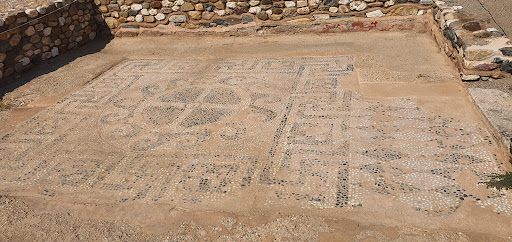
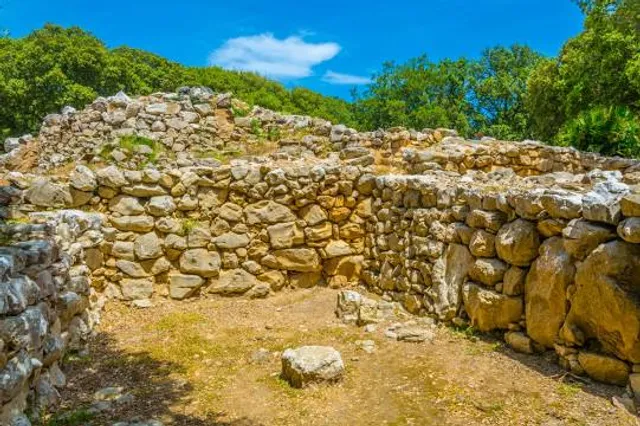
Then it is a walk up the hill for about 700m, with 3 shaded rest stops along the way and plenty of trees and greenery. Might be a it difficult for the elderly to go up as the road is just soil and rocks (but they plan to make a cemented pathway in the near future). At the top there is maginificent view not only from the ruins but also you can see all the way to the village and neighbouring hills. You can walk around the ancients freely with no barriers blocking you and there are some signs with more info and pictures about some specific buildings. QR codes are also located on those signs to scan and use with the apps providing extra info and audio tours. Look for the mosaics around the site, they are trully beautiful and so detailed!
Really hope they get to advertise the place more, it was our first time visiting and enjoyed every minute of it. It's really a shame no new excavations have been made in the past 80+ years, as only 10% of the city is exhibited. There are plenty of new technologies that could be used and so many more things could be found. All the artifacts and the mosaics were magnificent!
They have plans to open a coffee shop and make it more accessibility friendly for everyone, but you know how slow things are with the Greek government...
Read moreThe ruins that clearly show almost compulsive town planning in the 5th century BC are mildly interesting, and the views of a sea of olive orchards are nice though not spectacular. What disappointed us is that only half of the site described in our Bradt Guide and on depicted on the map in the brochure you're given at the entrance- is actually visitable. You see the city on the north hill, with a few dull fragments of mosaics and one rather amazing ancient bathtub. Then you look at your map and there is the city on the south hill with numbered features just like on the north hill, and several numbered sites on the east side which sound highly interesting: the "Villa of the Actor", one of the "Bronzes" and especially the highlight of the entire site, the Villa of Good Fortune which contains, according to both Bradt and the brochure, the "oldest floor mosaics ever found", which the visitor presumes are the spectacular ones depicted on the cover of the brochure. You.assume that since these features are highlighted in both sources- which are both supposedly there to guide visitors- that they must be visitable!!!!! After all, there they are on the map with location numbers like everything else! Nothing to indicate that they are any different. So you search for a direction sign, path, anything. Finally you make the long steep hike back to the ticket booth and find that only the north hill ruins are visitable and ever have been. Everything else was apparently covered back up many years ago. The ticket seller will claim that he told you that some things were not accessible, but his words were so vague we had not understood, and probably no other visitors had either. ( He also seemed amused and said he'd love to be able to see them himself,and that they do get similar complaints from some visitors.) In any case the sources on the sight were also vague and misleading to say the least. There is actually a sign at the top of the hill pointing to the left saying "mosaics". A word to the wise: if you're interested in town planning and ancient bathtubs, the steep climb and 4 euros will be worth it. If you're here for spectacular mosaics, the "oldest ever"- save your money and effort for some place more rewarding, with more honest and trustworthy sources.
Also-ignore the misleading direction for the last 700m on Google Maps-unless you wish to explore dirt paths through a gigantic (and beautiful in cooler weather)...
Read moreI have been to this site a few times over the years, more so to see when I visit if anything else has been discovered, new excavations etc. Would also love to see the South Hill opened up a little more, although I can appreciate there is still so much to find on North Hill. First of all though for anyone that has any walking problems, ill health or disability this may not be the the place for you, to access the site you have to walk a medium grade gravel path up quite a steep slope, luckily there are a couple of stop off points to take a breather if need be. In the spring/summer months TAKE WATER, you will need it as it gets hot up there. For anyone looking for any fancy 21st century gizmo's , forget it, this is an ancient archaeological site full of history and facts and pre-dates the Roman era by many many years. Observe closely the building and street infrastructure as well as drainage etc, you can see where the Romans got there ideas from, and the mosaics, in situ and the original stones, not tiles. The site in antiquity was a lot closer to the sea and was a major city with a lot of power, so much it became a concern to King Phillip of Macedonia who eventually sacked the city and it was left to ruin. The small museum shop also has pictures displayed of the original excavations as well as offering cheap food and drink (Pre Covid times). If you are lucky enough to be close by during spring take a look, it is an inexpensive way to learn some real history and you might also be lucky enough to see the Olynthos river in full flow prior to it drying out for the summer months. I love the place and am looking forward to returning in the not so...
Read more