The Museum of the Royal Tombs at Aigai is an unparalleled gem of historical and archaeological significance, offering visitors a profound and immersive experience into the ancient world. Located in Vergina, Greece, this museum stands as a testament to the grandeur of Macedonian civilization and its influential role in history.
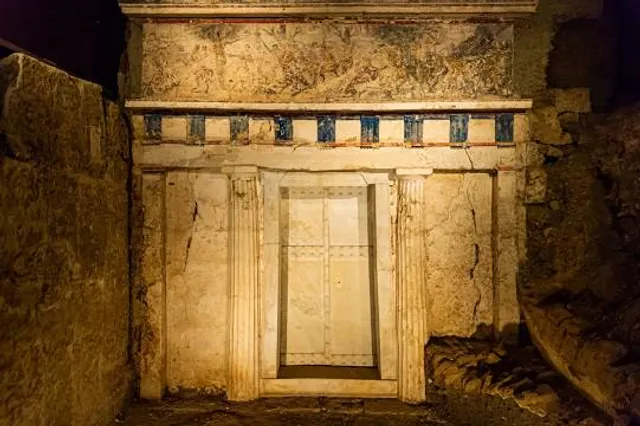
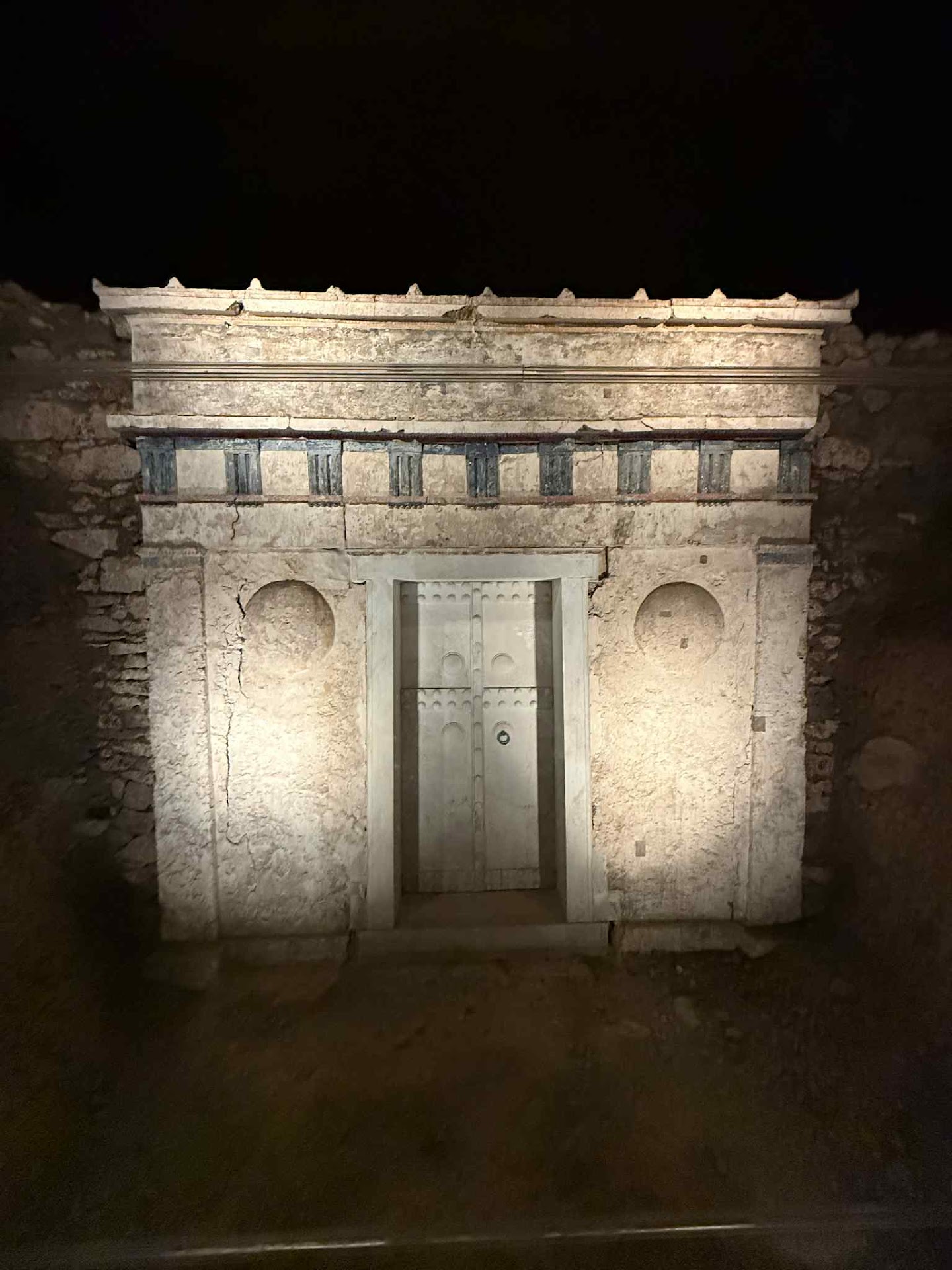
From the moment you step into the museum, you are greeted with a meticulously curated collection that showcases the rich cultural heritage of the ancient kingdom of Macedonia. The centerpiece of the museum is the royal tomb of Philip II, the father of Alexander the Great. The tomb itself is a marvel, with its intricate architectural design and well-preserved artifacts, offering a glimpse into the opulent lifestyle and sophisticated craftsmanship of the era.
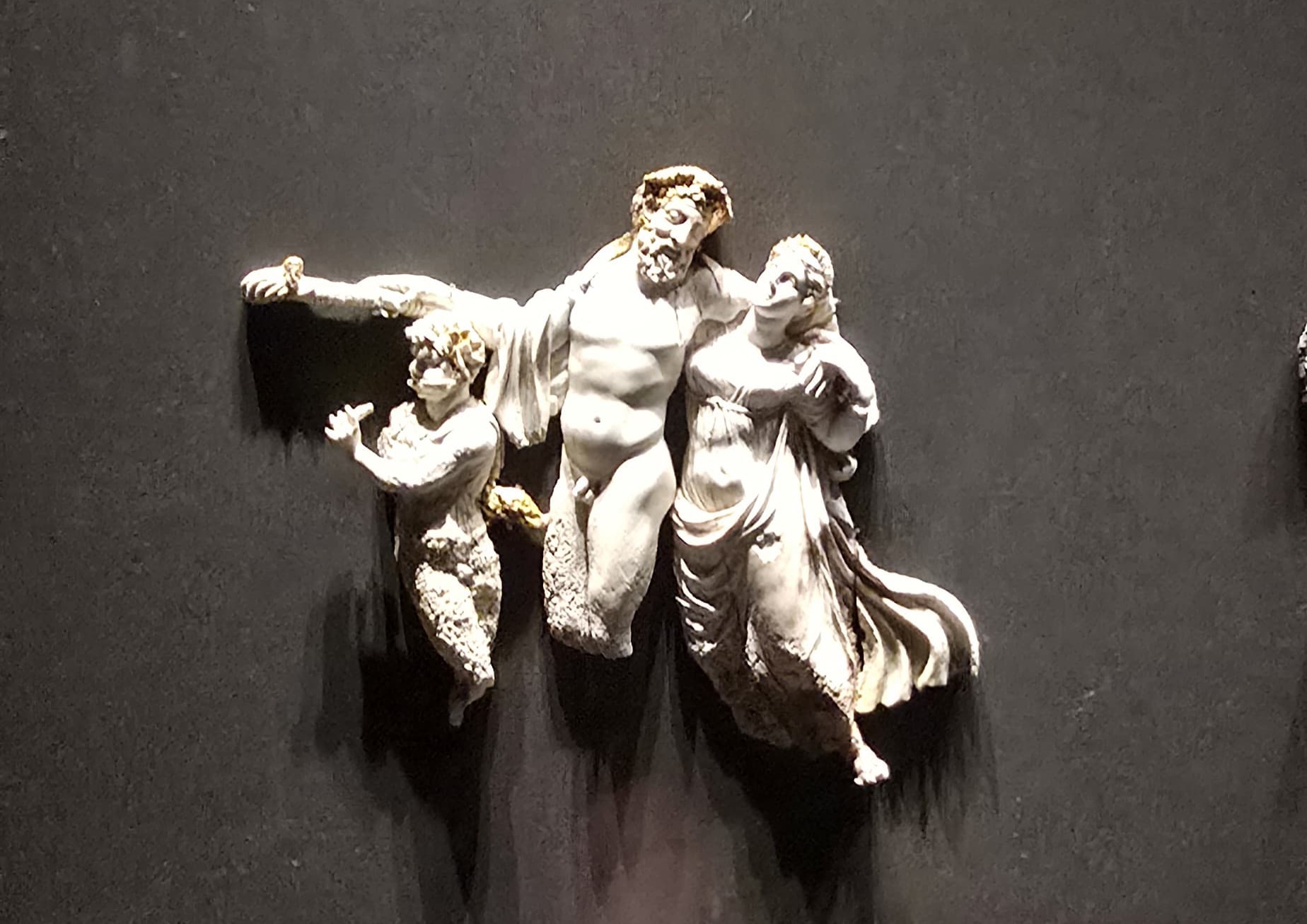
The museum's exhibits are displayed with a keen eye for detail, allowing visitors to appreciate the artistry and historical context of each artifact. The golden diadems, ceremonial shields, exquisite jewelry, and intricately crafted weapons speak volumes about the skill and sophistication of Macedonian artisans. The artifacts are accompanied by comprehensive descriptions and multimedia presentations, enhancing the educational aspect of the visit.
The museum's ambiance is both awe-inspiring and contemplative, with dim lighting and thoughtful layout creating a respectful and solemn atmosphere befitting the significance of the royal tombs. The staff are knowledgeable and passionate, eager to share their insights and answer any questions, further enriching the visitor experience.
In addition to its historical and educational offerings, the Museum of the Royal Tombs at Aigai also provides practical amenities to ensure a comfortable visit. The museum is well-organized, with clear signage and accessible facilities. There is a gift shop offering high-quality souvenirs, books, and replicas, allowing visitors to take a piece of history home with them.
In summary, the Museum of the Royal Tombs at Aigai is a must-visit destination for anyone interested in ancient history, archaeology, or the legacy of the Macedonian empire. It offers an unforgettable journey through time, providing a unique and enriching experience that leaves a lasting impression. This museum not only preserves the past but also brings it vividly to life, making it an invaluable...
Read moreVisiting the Royal Tombs of Aigai in Vergina was an unforgettable experience. The most powerful moment was seeing the real personal items of Philip II, the father of Alexander the Great. His golden chest, weapons, armor, and jewelry are all there, and it’s incredible to realize these objects once belonged to such an important figure in history.
The museum is underground and built right around the tombs themselves. It’s dark inside, but the lighting is set up so every detail of the treasures stands out. The famous wall painting of Persephone’s abduction is especially impressive and shows how skilled Macedonian artists were in the 4th century BCE.
I spent over an hour exploring the tombs and then visited the Polycentric Museum of Aigai, which is included in the same ticket (20 euros for adults, free for under-18s). The second museum is just a short drive away and adds more context with multimedia displays and reconstructions. The path is easy to follow, signs are in several languages, and the whole place is very clean and well-maintained.
What surprised me most was how quiet it was. At times it felt like I had the site almost to myself, which made the visit even more powerful. The tomb was only discovered in 1977 by archaeologist Manolis Andronikos, and it’s amazing how well it has been preserved and presented.
For anyone interested in history, archaeology, or the story of Alexander the Great, this is a must-see. To stand in front of the actual belongings of Philip II is a...
Read moreMy visit to the Tomb of Philip II outside Thessaloniki was one of the most unforgettable experiences of my travels. The archaeological site and museum at Vergina (ancient Aigai) are brilliantly curated and truly bring the grandeur of ancient Macedonia to life.
The armour collection is simply stunning, showcasing Philip II’s intricate cuirass, beautifully crafted helmets, and the gleaming swords. Each piece feels alive with history, testifying to the skill of ancient craftsmen and the might of the Macedonian army.
The absolute showstoppers are the two magnificent golden larnakes, a type of coffin, found within Philip’s tomb. These exquisite pieces, believed to have held the cremated remains of Philip II and his wife Meda of Odessos, are richly decorated with the iconic sixteen-rayed star of the Macedonian royal family. Accompanying the larnakes are breathtaking golden wreaths, crafted with incredible detail and artistry, symbolising royalty and eternal glory.
Equally fascinating is the tomb of Alexander the Great’s son, Alexander IV, located within the same royal necropolis. Standing there, knowing that both the father who paved the way for an empire and the son who was born into its legacy rest in the same sacred ground, is deeply moving.
This museum and tomb complex is a masterpiece of historical preservation and storytelling. For anyone passionate about ancient history, archaeology, or the legacy of Alexander the Great, Vergina is a must-see. 5...
Read more