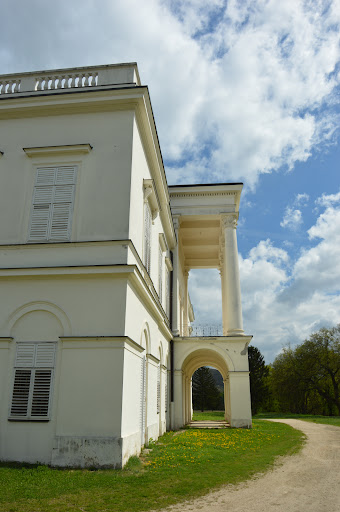
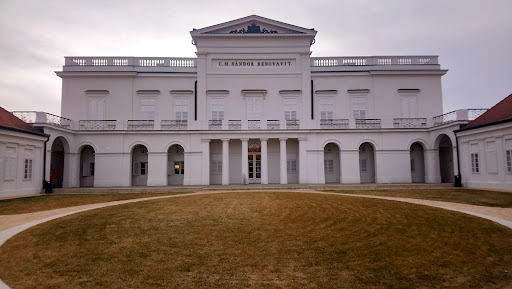
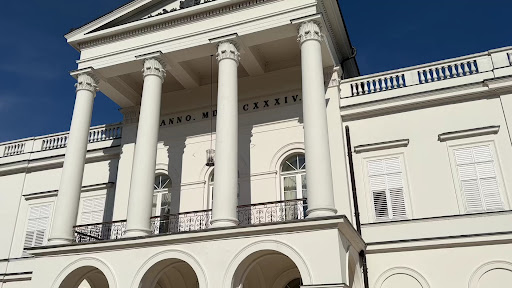
A falu a XII. században már a Sándor családé, a török kiűzése után 1696-ban szerzik meg. A Sándor család a trencsén megyei Szlavnica városból származik. Sándor Menyhért – Mihály (1692-1773) – Vincze – Móric az "Ördöglovas" (1805-1878). Sándor Mihály 1750 körül Bajnán barokk stílusú kastélyt építtetett. 1776-ban feljegyzik, hogy benne külön kápolna építésére Batthyány prímás adott engedélyt. A kastélyhoz lényegesen csak dédunokája, Sándor Móricz nyúlt. Móricz 1834-ben a kastélyt felesége, Metternich Leontina tiszteletére korának egyik legkiemelkedőbb építészével Hild Józseffel csaknem teljesen átterveztette, és újra építtette klasszicista stílusban. Sándor gróf a 19. század harmincas éveiben élt, öntörvényű, hirtelen haragú embernek tartották, aki fogadásból még a kastély erkélyéről is leugratott a lovával. A mutatványba lova belepusztult, Sándort viszont még most is ördöglovasként emlegetik a bajnaiak. Az épület aranykorában gazdag freskókkal, tükrökkel, aranyozott díszekkel volt berendezve. A kastélyhoz tartozó uradalmi istálló, Sándor gróf világhírűvé vált ménesének szálláshelye volt. Az egykor pompázó szépségű, húszholdas parkra ma már csak néhány szétszórtan álló idős fa emlékeztet. A kastély jelenleg a Magyar Államkincstár tulajdona (KVI -Tatabánya)., felújításra vár, előzetes engedély kérés alapján látogatható. A bajnai kastély helyén eredetileg a korábbi birtokos, a Both család udvarháza állhatott, melynek helyén. Sándor Menyhért Esztergom vármegye alispánka és országgyűlési képviselője volt. Az első kastélyépületet Sándor (II) Mihály alakíttatta ki valamikor az 1740-es évek elején a vadászkastély kibővítésével (ismert adat, hogy a kúria házikápolnáját 1742-ben szentelték fel). Sándor Móric édesapja halálakor -1822-ben- örökölte meg a bajna-biai uradalmat. Sándor Móric Metternich kancellár lányát, Metternich-Winneburg Leontine hercegnőt vette feleségül, és a kastélyt jelentős mértékben át kellett alakíttatnia, hogy méltó otthona legyen párjának. Sándor gróf Hild József-et bízta meg az átalakítás terveinek elkészítésével. A kastély épülete egyemeletes, téglalap alaprajzú. Négyoszlopos portikusza az emeletre került, hogy a terep adottságai mellett jobban érvényesülhessen (tisztán látható legyen). A középrizalit feletti timpanonban egykor a Metternich-Sándor hercegi címer volt látható. Földszintjén az ebédlőterem, a biliárdterem, a dohányzó, a kártyaszoba, a télikert és a házikápolna kapott helyett, míg emeletén a grófi és a grófnői lakosztályokat alakították ki. Itt kapott helyet a kastély urának és úrnőjének nappali és hálószobái, és itt helyezték el a gróf fegyver- és képgyűjteményét, könyvtárát és vadásztrófeáit. A kastély belső termeinek díszítését és a berendezési tárgyakat a milánói Scala díszlettervezője, Alessandro Sanquirico készítette. A belső terekben a fehér és az égszínkék szín volt a meghatározó. A halvány színekkel megfestett termek között -a falfestés és a bútorok stílusa alapján- volt „etruszk, „pompeji”, és „scala raffaelesca” is, melynek falfestményeihez Raffaello képei adták a mintát. A kastély bútorait részben az olasz mester tervezte, részben pedig Londonból rendelte meg Sándor Móric. A kastély körül virágoskertet és tájképi kertet alakítottak ki. A vendégszobákat a főépület mögötti díszudvart övező épület északi oldalszárnyában...
Read more

 Learn more insights from Wanderboat AI.