Tomb of Itimad ud Daulah
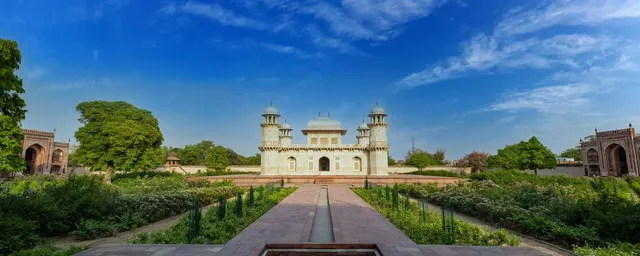
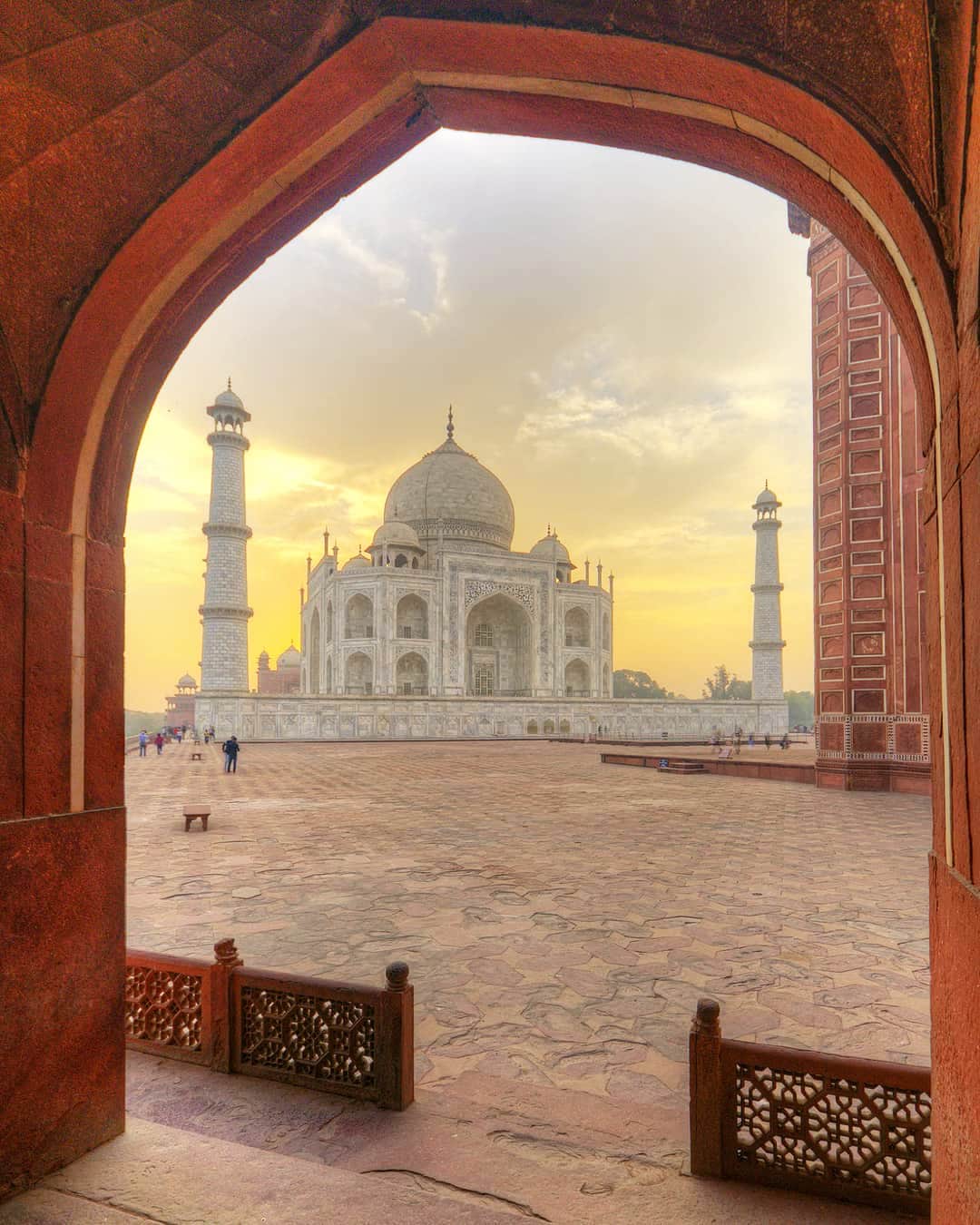
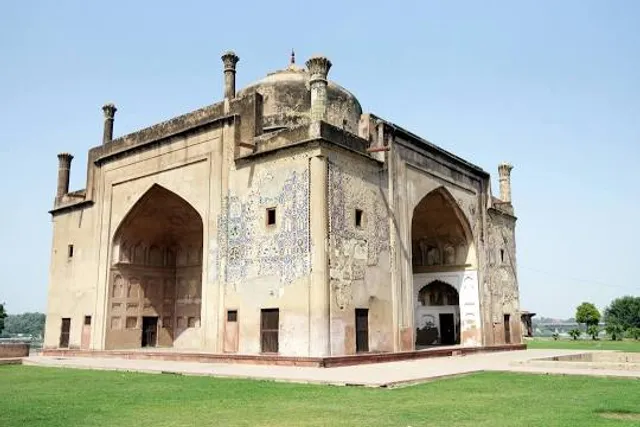
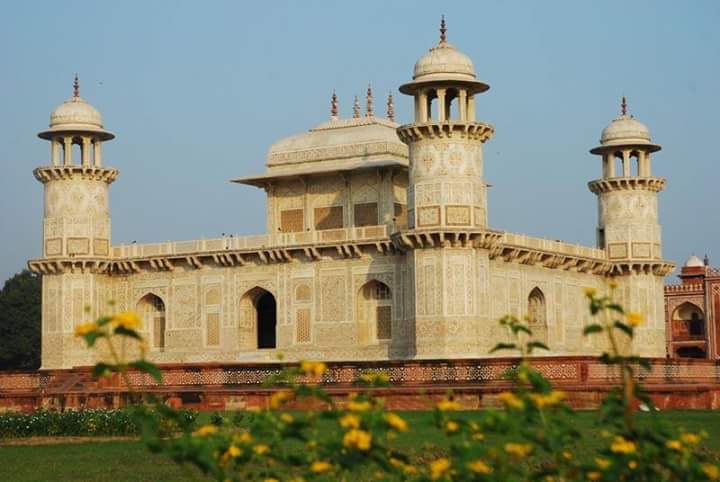
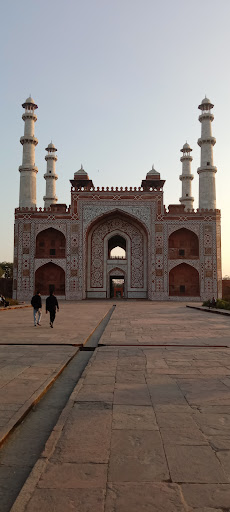
The Mausoleum of Etimad ud Daulah was built by Nur Jahan, the wife of Jahangir. It is also called the "Baby Taj", as its unique architectural style was later replicated in the world-famous Taj Mahal. It is evident that the Mughal art of carvings reached its zenith in the construction of this tomb. The side view shows the magnificent architecture of this mausoleum, with detailed inlay carvings that distinguish it. Tomb of Etimad ud Daulah Tomb: This is the resting place of Nur Jahan's father, Mirza Ghiyas Beg, who was given the title of Etimad ud Daulah (Pillar of the State). The fine latticework allows ample light for illumination. The entrance gate of the Tomb of Etimad ud Daulah is made of red stone, following the pattern adopted in the construction of other Mughal monuments. Beautiful gardens decorate the area around the gate. From the interior, the intricate design of the entrance gate is even more prominent. White marble has been skillfully embedded in red stone, giving the structure an imposing but charming look. Another Building of Tomb of Etimad ud Daulah Yamuna River: The river Yamuna is visible in this photo, on whose banks the mausoleum was erected. This is another of its similarities with the Taj Mahal, one of the wonders of the world. Wall of Mausoleum of Etimad ud Daulah Outer wall: A closer inspection reveals the dedication with which the artisans must have worked. Stones of different colours have been utilized in creating symmetric geometrical patterns that mesmerise that attract tourists and locals alike. Inlay work on Tomb of Etimad ud Daulah Inlay work: The inlay work is what bestows a separate identity on the tomb, and signifies a landmark shift in Mughal architecture. These inlay motifs were later employed in the Taj Mahal to great effect. Paintings on Tomb of Etimad ud Daulah Wall paintings: If the outside of the tomb is impressive, the inside is even more so. Dazzling colours and motifs adorn the inside walls and roof of the mausoleum, along with many paintings that are skillfully done. The Tomb of Itmad ud Daulah is the monument is a highly ornate edifice. This mausoleum is considered to be an imminent precursor of the Taj Mahal as far as the carvings and the inlay work are concerned. The structure of Itmad ud Daulah is much different from the earlier Mugal tombs built during this period and has a lot of inlay carvings. The importance of this monument in Agra, Uttar pradesh is just next to Taj Mahal and Agra Fort. This tomb, built in the famed Char Bagh style is not a very large structure. The main chamber of Itmad ud Daulah is richly decorated with mosaics and semi precious stones inlaid in the white marble. The theme of wine flask with snakes as handles is a recurring one on the engraved walls of this chamber. The marble screens of geometric lattice work allows some gentle lighting. The Tomb of Itmad ud Daulah was built by Nur Jahan, wife of Jahangir, for her father Mirza Ghiyas-ud-din. This tomb in Agra is believed to have inspired the design of Taj Mahal. Ghiyas-ud-din died in 1622 and Nur Jahan built this mausoleum for her father. The tomb of Itmad ud Daulah is built entirely of white marble. Located on the left bank of river Yamuna, this mausoleum is set in a large garden with water course and walkways. The base of this tomb is about 50 sq. m in area and is one meter high. On each corners of this tomb there are towers which are about 13 meters high. The Tomb of Itmad ud Daulah is popularly known as...
Read moreMy Experience at Itmad-ud-Daula
When I visited Itmad-ud-Daula’s tomb in Agra, I felt as if I had stepped into a chapter of Mughal history. This monument, often called the “Baby Taj”, may not be as huge as the Taj Mahal, but its delicate beauty and artistic charm left me mesmerized. It is located on the banks of the Yamuna River, away from the heavy crowds, and the peaceful environment immediately caught my heart.
The tomb was built by Noor Jahan in memory of her father, Mirza Ghiyas Beg, who was given the title Itmad-ud-Daula. As I walked closer, the monument appeared like a jewel box, shining with white marble. Unlike the red sandstone structures of Akbar’s era, this tomb is entirely made of white marble, decorated with pietra dura (precious stone inlay work). The walls were glowing under the sun, filled with colorful floral designs, geometrical patterns, and fine calligraphy. Each detail spoke about the perfection of Mughal craftsmanship.
Stepping through the grand gateway, I was welcomed by lush Mughal-style gardens, divided into four parts, known as the Charbagh. The greenery, pathways, and water channels gave me a sense of calmness and balance. Walking on those pathways, I imagined how royals must have once strolled here centuries ago.
Inside the tomb, the atmosphere was quiet and sacred. The central chamber housed the marble cenotaphs of Mirza Ghiyas Beg and his wife. The interior walls were decorated with paintings, intricate carvings, and motifs of flowers, wine vases, and cypress trees, symbolizing paradise. The play of natural light through the lattice screens (jaalis) created a magical effect. I stood there for a long time, admiring how this monument marked the beginning of a new architectural style that later reached its peak in the Taj Mahal.
One of the most beautiful moments was standing near the Yamuna River, watching the reflection of the tomb in the calm water. The silence, broken only by the sound of birds, gave the place a spiritual charm. Unlike the crowded Taj Mahal, here I could feel history at a slower, deeper pace.
Visiting Itmad-ud-Daula was not just about seeing another monument; it was about understanding the roots of Mughal architecture and the love of a daughter for her father. I realized why this monument is called the “Baby Taj” — it is like a precious jewel that prepared the foundation for the grand wonder of the world.
Conclusion
My experience at Itmad-ud-Daula was unforgettable. It was a journey into history, art, and love. The fine craftsmanship, peaceful gardens, and elegant marble work made me appreciate the Mughal era’s brilliance even more. If the Taj Mahal is a grand epic, then Itmad-ud-Daula is a beautiful poem...
Read more🌟 Architectural Splendor: Idmat-ud-Daula is a true masterpiece of Mughal architecture, leaving visitors in awe of its intricate design and delicate craftsmanship. The minarets, arched entrances, and marble inlay work showcase the rich heritage of Agra. 🕌✨
🌟 Historical Significance: This mausoleum holds immense historical importance as it is believed to be the resting place of Mirza Ghiyas Beg, the grandfather of Mumtaz Mahal. It's fascinating to explore the connection between Idmat-ud-Daula and the iconic Taj Mahal, which was inspired by its design. 🏰📜
🌟 Serene Ambiance: Upon entering the premises, a sense of tranquility washes over you. The well-maintained gardens, adorned with beautiful flowers and fountains, create a peaceful environment for visitors to relax and soak in the surroundings. 🌷🌳😌
🌟 Architectural Details: The intricate marble carvings and exquisite inlay work at Idmat-ud-Daula are truly breathtaking. The delicate floral motifs, geometric patterns, and inscriptions tell a story of skilled craftsmanship and attention to detail. Every corner reveals a new artistic wonder! 🌸🔍🎨
🌟 Scenic Location: Situated on the banks of the Yamuna River, Idmat-ud-Daula offers picturesque views of the river and the cityscape. It's a perfect spot to capture memorable photographs and witness the enchanting sunset over the horizon. 🌅📸
🌟 Informative Guides: The knowledgeable guides at Idmat-ud-Daula enhance the visitor experience by providing fascinating insights into the history, architecture, and legends associated with the monument. Their passion and expertise make the tour truly enriching. 📚🧑💼🔍
🌟 Accessibility and Amenities: The monument is easily accessible, and facilities such as clean restrooms, seating areas, and well-marked pathways make the visit comfortable for all. The site is well-maintained, reflecting the commitment of the management to offer a pleasant experience. ♿🚻✅
🌟 Cultural Heritage: Idmat-ud-Daula stands as a testament to the rich cultural heritage of Agra and India as a whole. Exploring its beauty not only educates but also fosters a deeper appreciation for the country's architectural legacy. 🇮🇳🏛️
🌟 Must-Visit Destination: Whether you are a history enthusiast, an architecture lover, or simply seeking a serene escape, Idmat-ud-Daula is a must-visit destination in Agra. It captivates the heart and leaves a lasting impression of the grandeur of the Mughal era. ❤️✨
Visit Idmat-ud-Daula and immerse yourself in the charm of this architectural marvel, where history, art, and tranquility...
Read more