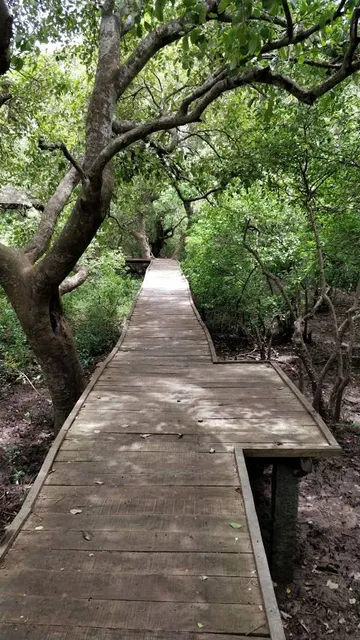
The two stars I am giving here to the wildlife and 2 people who helped me to get some more information. Otherwise, this place is under the danger of human activities destructive to biodiversity. I was fascinated after seeing the reviews of thia place and wanted to see those crabs, mudskipper, some birds, and fishing cat (if luck allows). But I was disappointed by the public approach. Most of the public coming there to make loud noises and get their photos. No one is there to keep the place quiet. Though the plastic is not allowed, I coud see many things like bottle (plastic and glass), wrappers, papers thrown in the mangrove. Again a disappointment. There is no one who can at least show the crabs and mudskipers enthusiastically to the children. After long discussion I had a word with forest officer Mahesh there. And he informed me about core area permission is required, if I wish to watch the proper forest. Mr. Shrinu actually helped me to have a look at mudskipper. They are so camouflaged there, that only keen eyes can notice. Thanks to him for the sighting. Trees, need to have the name plates on them or at least some board near them. Because the foot bridge is used in the film, many youths/ couples are coming here and spending time. No problem with that, but I hope they also watch the diversity and maintain the uniqueness of this place. Reception should be able to give proper information about camera etc. And someone should encourage people to watch a few species. People who can not speak Telugu, like me face more problems. That is also okay, but guidlines can be bold and in English. That will help us. Information brochure should be asked or given by the reception. When I went to keep my camera, I had to ask them to give me a copy of it. It needs to be other way around. About the boat ride, it needed minimum 12 seats. No one was going there to ask about the ride. That was sad, I could have seen some birds at least. A proper information board can help for boating related questions too. Overall, beutiful place but need a maintenance. Kudos to those crabs, mudskipers. I will post their...
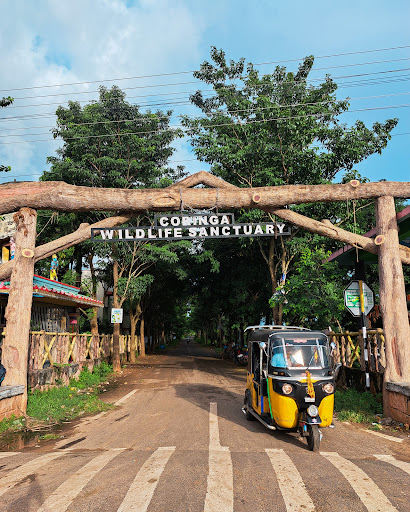
Read moreCoringa Wildlife Sanctuary, situated near Kakinada in Andhra Pradesh, India, is a hidden gem for nature lovers and bird enthusiasts. My visit to this coastal sanctuary left me with a profound appreciation for its serene mangrove ecosystem and the diverse birdlife that thrives there.
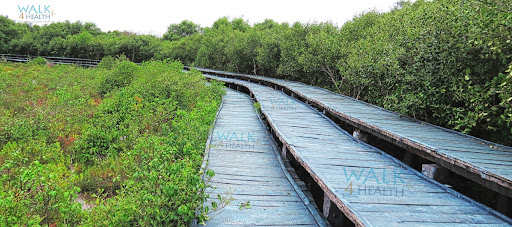
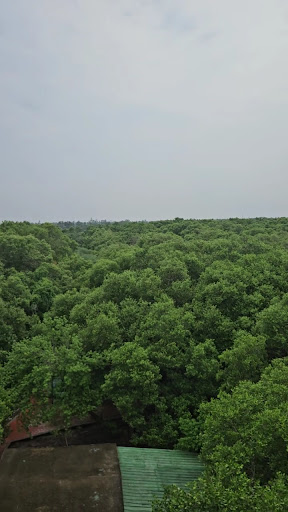
The sanctuary's mangrove forests, tidal wetlands, and serene backwaters create a unique and tranquil environment. The picturesque boardwalks and boat rides offered within the sanctuary allow visitors to explore its natural beauty while minimizing human impact on the delicate ecosystem.
Coringa is renowned for its avian diversity, making it a haven for birdwatchers. During my visit, I had the privilege of spotting various migratory birds, waders, and waterfowl, including flamingos, pelicans, and herons. The sight of these graceful creatures in their natural habitat was a remarkable and humbling experience.
The sanctuary's biodiversity extends beyond birds, as it's also home to various species of fish, crustaceans, and other wildlife. The opportunity to witness these unique creatures in their natural habitat underscores the importance of preserving such ecosystems.
Coringa Wildlife Sanctuary is not only a place for appreciating the natural world but also an educational and conservation center. The sanctuary's efforts to raise awareness about the importance of mangroves and wetlands in protecting coastal regions are commendable.
In summary, a visit to Coringa Wildlife Sanctuary is an opportunity to reconnect with nature, appreciate the beauty of coastal ecosystems, and witness the vibrant birdlife of the region. It's a destination that serves as a reminder of the need to protect and conserve such precious natural habitats. I highly recommend it to nature enthusiasts and anyone seeking a peaceful escape into the heart of...
Read moreTitle: A Must-Visit for Nature Lovers
Rating: 4/5 stars
Review:
Coringa Wildlife Sanctuary is a hidden gem in Andhra Pradesh. It is a mangrove forest that is home to a variety of wildlife, including birds, reptiles, and mammals. The sanctuary is also an important nesting ground for sea turtles.
I visited Coringa Wildlife Sanctuary during the monsoon season, and it was absolutely magical. The mangroves were lush and green, and the air was filled with the sound of birdsong. We saw a variety of birds, including herons, egrets, storks, and pelicans. We also saw a few crocodiles sunning themselves on the banks of the river.
The best way to experience Coringa Wildlife Sanctuary is to take a boat ride. This will give you a chance to see the mangroves from a different perspective and to spot some of the wildlife that lives in the water.
If you are looking for a place to escape the hustle and bustle of city life, then Coringa Wildlife Sanctuary is the perfect place for you. It is a beautiful and tranquil place where you can reconnect with nature.
Pros:
Beautiful mangrove forest Diverse wildlife Important nesting ground for sea turtles Boat rides available Peaceful and tranquil
Cons:
Can be muddy during the monsoon season Mosquitoes can be a problem during the summer. Not very accessible by public transportation.
Overall:
Coringa Wildlife Sanctuary is a must-visit for nature lovers. It is a beautiful and tranquil place where you can escape the hustle and bustle of city life. I highly recommend visiting during the monsoon season to see the mangroves at their most lush and green.
Tips:
Wear long pants and shoes that you don't mind getting muddy. Bring insect repellent. Take a boat ride to see the mangroves from a different perspective. Be respectful of the wildlife and do not...
Read more