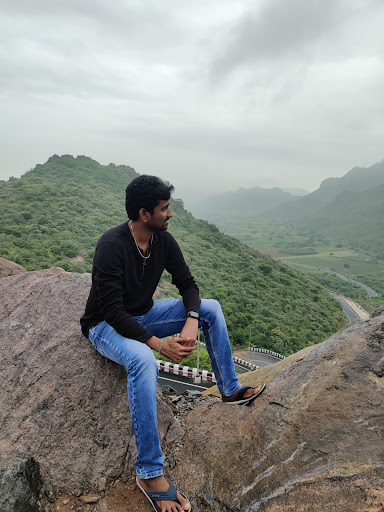
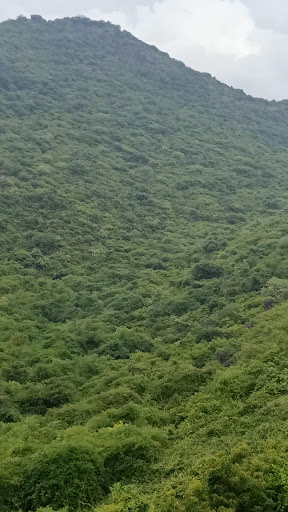
Kondaveedu is the largest hill fort in present Andhra Pradesh state, situated about 27 kms southwest of Guntur city. This fort is in the Kondaveedu hills range. Prolayavemareddy started construction of an impregnable fort at Kondaveedu in about 1335 AD, later his son Anavotha Reddy completed and shifted his capital from Addanki to Kondaveedu in the year 1355 AD. At present, there are so many monuments, though they may be small, but they are of immense historical and cultural value. Kondaveedu fort commands a picturesque view from Nemmalla buruju(bastion), south of Nemmala buruju hills sprawling over three kilometers up to NH5 with green forest. Apart from Nemmalla buruju there are 22 buruju’s, some of which are Tara buruju or Chukkala konda buruju, Jetty buruju, A.Ramanal buruju, Sajjamahal buruju, B.khilla buruju, Miriala chattu buruju, Pamu kuduru buruju, Allavari buruju. These bastions are built on hillocks connecting with a long chain of wall. Of all the Bastions Taraburuju is most impressive eye catching and an icon of Kondaveedu fort. As we know, that Kondaveedu fort was built in hills which are more or less in an oval shape. By being laid a ghat road to this fort, easy access is now available, with this Kondaveedu is going to be a popular holiday destination. It is famous for lakes, forest with 56 kinds of herbal plants, hills and a beautiful description of the fort was made by the great poets like Srinatha and later in 20th century by Duvuri Ramireddy in their writings. once we enter the fort, either from the east or west we indispensably encounter with enchanting water tanks namely Muttyalamma cheruvu(Kunalamma), Puttalamma cheruvu, Vedulla cheruvu. If we walk through this valley feast our eyes on the beauty all-round us.
Reddy kings having found that Addanki was weak from the point of strategy, they at once shifted the capital to Kondaveedu. Considering the importance of water they gave much stress on water harvesting and conservation in this hill fort. The construction of three water tanks within the fort provides valuable knowledge regarding the engineering skills available in 14th century. These three tanks were naturally formed in a rough manner among hills. Reddy kings got them cut 15 to 20 feet deep, collecting water from the hills around them. These efforts not only meet the drinking water needs of the people in the contonment but also helped the survival of the live stock; even today the tourists and livestock quench their thirst in these tanks in mid summer. This is really a classic example of an ancient ingenuity in designing water harvesting structure to meet the needs of the people living in the fort. Reddy kings adopted similar water harvesting techniques in their other forts like Vinukonda, Bellamkonda, Kondapalli and so on.
Hill fortress are located in hills and rocky areas, in such forts water is scarce in those days. Then how could be possible for a garrison of several hundred men live at the top of these hills throughout the year without sufficient supply of drinking water? If we observe in Kondaveedu and their other forts, the water supply arrangements, the Reddy kings utilized all depressions, relatively shallow, wide and flat, cavities, deep fissures, fractures, where water can be stored were used and in the flat areas the ground was excavated in the form of reservoir and entirely artificial works were built. It means that in hills water resources were appreciable and the said kings took all possible steps to get rid of the seasonal...
Read more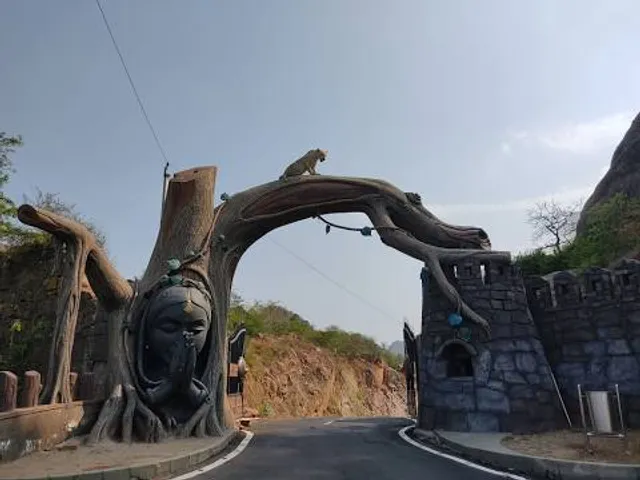
 Learn more insights from Wanderboat AI.