Sri Uma-Kotilingeswara Temple in Rajahmundry gearing up for upcoming Pushkaras
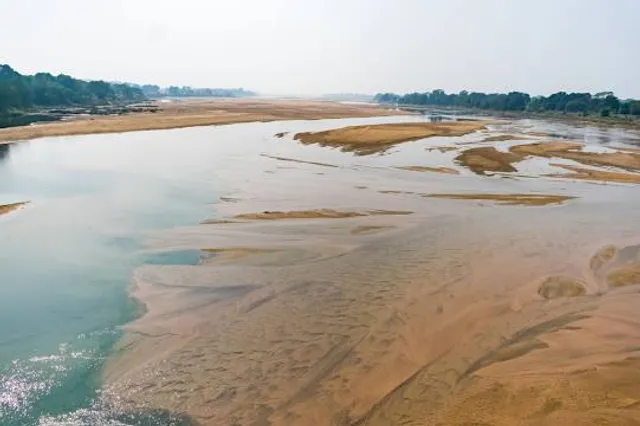
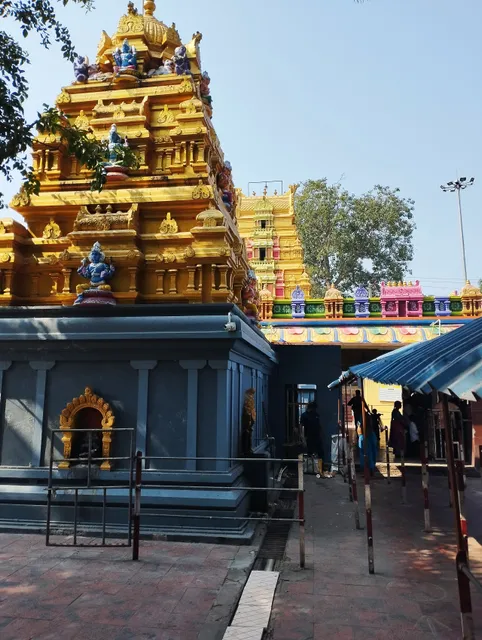
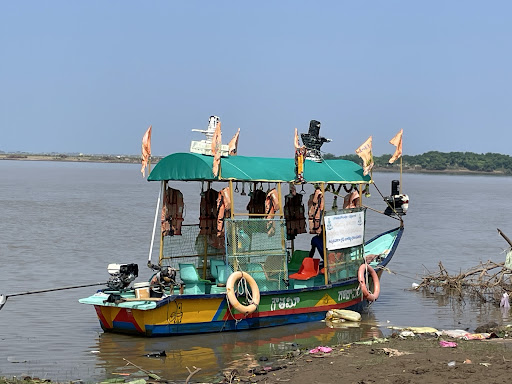
Ancient Kotilingeswara Swamy temple in Rajahmundry is getting ready to welcome millions of pilgrims for the upcoming Pushkaras. The temple and the bathing ghat are the most famous spots for Pushkara pilgrims during all known Pushkaras in the past. More than 1.5 crore people had taken holy bath at this temple ghat during the last pushkaras and it is estimated that the number would be doubled this time. The bathing ghat is also extended to more than 1.5km which makes it the longest bathing ghat in the entire country. The ghat is going to be a centre of attraction during the upcoming pushkaras and also for many festivals and cultural activities in the future.

The temple is one of the ancient Shiva temples in Rajahmundry and is considered to be constructed during Chalukya period around 10th Century AD. It is also believed that Lord Rama installed this Shiva Linga here during his Vanavasam in Dandakaranya (currently Rampachodavaram-Bhadrachalam forest . A sitarama temple is also located in the temple premises and therefore the temple is also known as “Uma Rama Kotilingeswara Temple”.
The temple was later reconstructed by Vijayanagara rulers and Hampi Veerupaksha peetam as mentioned on the main gopura of the temple. It was later maintained and patronized by local people during British reign with a donation of 50 acres of land to this temple. The temple is completely modernized during recent years especially during the last pushkaras.
There is however some uncertainty in the attribution of name Kotilingala to this temple. According to Puranas, it is believed that Ravana established 10 million Shiva lingas near Godavari at this temple. According to another story, heavenly gods established 10 million Shiva lingas all over the country and it is the 10 millionth temple. However, it is more convincing to believe the historians who say that there was vibrant trade on boats from here to regions like Kotilinga and Eturi Nagaram in Telangana from ages and therefore it is called Kotilingala Revu.
Maha Siva Ratri, Kartika Masam and Devi Navaraatrulu (Dasara) are celebrated grandly at this temple and many devotees take a holy bath in river Godavari and...
Read moreCoins of Satavahana kings have also been found at Kotilingala. A few of these are copper and potin coins bearing the legend "Rano Siri Chimuka Satavahanasa". Some scholars such as A. M. Sastry and K. D. Bajpai have identified the issuer of these coins with Simuka, who is considered as the founder of the Satavahana dynasty based on the Puranic genealogies. However, others such as P. L. Gupta and I. K. Sarma have disputed this identification, arguing that the Kotilingala coins belonged to a later ruler with a similar or same name. P.V.P. Sastry, who first discovered these coins and attributed them to Simuka in 1978, also changed his view and later stated that Chimuka or Chhimuka of Kotilingala was not same as the Simuka mentioned in Nanegath inscription.
Other coins include those issued by Kanha and Satakarni.The inscriptions of the early Satavahanas have been found only in present-day Maharashtra based on which western Deccan has been proposed as the original home of the Satavahanas. However, the discovery of coins at Kotilingala and other sites in present-day AP and Telangana has prompted some historians such as M. Rama Rao to theorize that the eastern Deccan was also a part of the early Satavahana territory. V. V. Krishna Sastry theorized that the site was once a stronghold of the early Satavahanas. D. R. Reddy and S. Reddy proposed that Kotilingala was the original homeland of the Satavahanas. However, the Satavahana coin samples from Kotilingala are small in size, and it is not known where these coins were minted. S. Chattopadhyaya argues that coins can travel via trade, and this is not conclusive evidence of the early Satavahana presence in eastern Deccan.The archaeological evidence at Kotilingala suggests existence of...
Read moreNestled on the banks of the mighty Godavari River in Rajahmundry, Kotilingala Revu is a place steeped in history and serenity. Legend says the celestial beings (Devas) attempted to install a crore (ten million) Shiva Lingas here, but fell one short. Lord Brahma himself then installed the final Linga, known as Sri Umakotilingeswara Swamy, which is the main attraction.
The meandering river ghats with sizable steps lead down to the water, creating a picturesque setting. Kotilingala Revu is a popular spot for devotees seeking blessings. You'll see them performing puja (prayers) and holy dips in the Godavari's waters, believed to be particularly auspicious.
The serene atmosphere attracts not only devotees but also nature lovers and those seeking peace. Early mornings and evenings come alive with the chanting of hymns, creating a truly spiritual ambiance. During festivals like Maha Shivaratri, the ghats transform into a vibrant scene with special pujas, processions with decorated idols, and a festive fervour that fills the air.
Whether you're a pilgrim seeking blessings or a traveler yearning for tranquility, Kotilingala Revu offers a unique experience that blends rich history, spiritual connection, and the natural beauty of the...
Read more