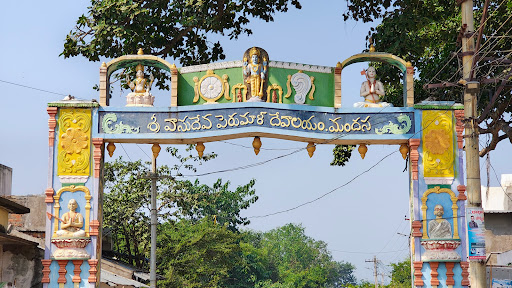
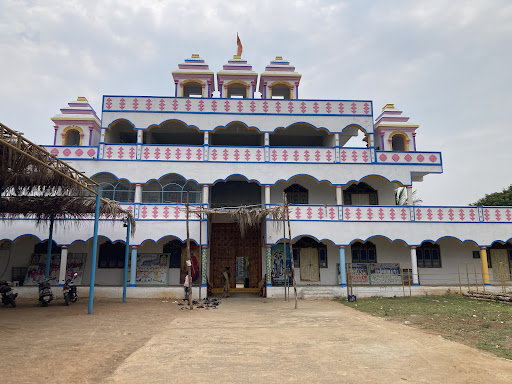
మందస పట్టణం ఒకప్పటి పేరు మంజూష. 18వ శతాబ్దంలో రాజా హరిహర రాజమణిదేవ్ అక్కడ ఒక ఆలయం నిర్మించి అందులో వాసుదేవుని ప్రతిష్ఠించాడు. చక్కని శిల్ప నైపుణ్యంతో నిర్మించిన ఈ ఆలయం అనంతర కాలంలో అనేక ఉపాలయాలతో అభివృద్ధి చెందింది. ఇది ఆంధ్రప్రదేశలోనే ఉందంటూ ఆ విశేషాలను తెలియజేస్తున్నారు...
ఒకప్పుడు ఆ పట్టణాన్ని మంజూష అనేవాళ్ళు. ఇప్పుడా పట్టణాన్ని మందస అని పిలుస్తున్నారు. శ్రీకాకుళం జిల్లాలో సోంపేట నుంచి 26 కి.మీ., పలాస నుంచి 11 కి.మీ.ల దూరంలో ఉంది ఈ ఊరు. పచ్చటి ప్రకృతిని ఒడిసి పట్టుకొని, ఒక భరిణెలో భద్రపరిచి పెట్టిన ప్రదేశం గాబట్టే ఈ పట్టణానికి మంజూష అని పేరు వచ్చిందంటారు. మహేంద్రగిరి కొండలు, పక్కనే గలగలా పారుతున్న మహేంద్ర తనయ, సున్నముద్ది నదులు, సుందర తీర పరిసరాలతో చూపరులకు ఆహ్లాదాన్నందిస్తుంది మందస. కళింగ వాస్తు సంప్రదాయంలో నిర్మించిన వాసుదేవాలయం, జమీందారీ ఠీవీకి అద్దంపడుతున్న రాజప్రాసాదం, కోటగోడలకు మందస ప్రసిద్ధిగాంచింది.
ఒక్కసారి చరిత్రలోకి తొంగిచూస్తే, మందస నిజంగానే చారిత్రక మంజూషేననిపిస్తుంది. ఎప్పుడో క్రీ.శ. 1206వ సంవత్సరంలో ఉత్తరాది నుంచి వలస వచ్చిన చంద్ర వంశానికి చెందిన రాజా వామనసింగ్ దేవ్ ఇక్కడొక చిన్న రాజ్యాన్ని స్థాపించాడన్న చారిత్ర కాధారాలు మందసకు ప్రాధాన్యతను సంతరించిపెట్టాయి.
క్రీ.శ. 1206-1227 మధ్య ఆయన మందస రాజ్యాన్ని పరిపాలించారు. ఆయన తరువాత 43వ రాజైన రాజా హరిహర రాజమణిదేవ్ క్రీ.శ. 1744లో ఒక ఆలయం నిర్మించి అందులో వాసుదేవుని ప్రతిష్టించాడు. అటు తరువాత పాండవు లకు, వెంకటేశ్వరస్వామికి, వరాహస్వామికి కూడా అక్కడే ఆలయాలు వెలిశాయి.
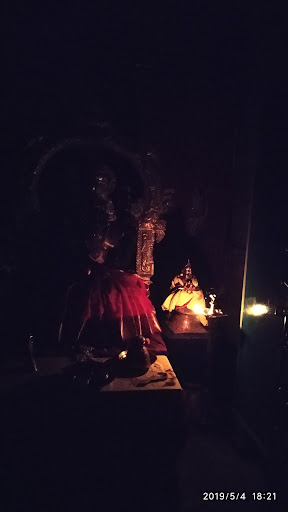
మందస వాసుదేవాలయంలో ప్రతీదీ గర్భాలయం, అర్ధ మండపం, మహా (జగమోహన) మండపం గోడలు, పైకప్పులు అణువణువూ అందంగా అలంకార శిల్పంతో అలరారుతోంది. నక్షత్రాకారపు విశాలమైన ప్రదక్షిణాపథం (ఉపపీఠం)పై నిర్మించబడిన ఈ ఆలయం అధిష్ఠానం, స్తంభవర్గం (గోడలు), చూరు (ప్రస్తరం), ఎనిమిది వరుసలతోనున్న విమానం, దానిపైన గంటాకారంలోనున్న శిఖరం చూపరులను ఇట్టే ఆకర్షిస్తాయి. దేవాలయ గోడలపై వివిధ విన్యాసాలు, దేవతామూర్తులున్న దేవకోష్ఠాలు, రకరకాల భంగిమల్లో ఉన్న శృంగార మైధున శిల్పాలు శిల్పుల పనితనానికి అద్దం పడతాయి. గర్భాలయంలో మూలమూర్తి వాసుదేవుడు కాగా, అమ్మవారిని మాఖిల్ల మోండ అని పిలుస్తారు. 44వ తరానికి చెందిన రాజా హరిశరణ్ రాజమణి రాజ్దేవ్ (1761-79) మందసలో చండీశ్వరాలయాన్ని నిర్మించి చక్కటి మామాడి తోటల్ని కూడా పెట్టించాడు.
తరువాతి రాజైన లక్ష్మణరాజ మణిదేవ్ (క్రీ.శ. 1779-1823) ఇరుగుపొరుగు రాజులతో పాటు ముస్లింలు కూడా మందసపై చీటికి మాటికి దాడులు చేస్తుండడంతో భద్రతా చర్యల్లో భాగంగా క్రీ.శ. 1779లో ఒక కోటను కట్టించారు. చక్కటి ఆర్చీలు, పోర్టికోలు, బాల్కనీలతో పాటు బురుజులు కూడా ఉన్న ఈ కోటలో క్రీ.శ. 18వ శతాబ్దికి చెందిన వర్ణ చిత్రాలున్న ఇటలీ దేశపు గాజు పలకలను కూడా చూడవచ్చు.
తరువాత పాలనా పగ్గాలు చేతబూనిన రాజా శ్రీనివాస రాజమణి రాజ్దేవ్ మందసలో రకరకాల రుచుల మామిడి మొక్కలతో ఒక విశాలమైన తోటను పెట్టించి దానికి జగన్నాథ వల్లభ గార్డెన్స అని పేరు పెట్టగా ఇప్పటివాళ్ళు ఆ తోటను రక్తచందన తోట అని పిలుస్తున్నారు. ఇతడు స్థానిక ఆనందగిరి కొండపైన గరుడ-గోవిందాలయం, హరిపురంలో ట్రావెలర్స్ బంగ్లా, హన్సరలి గ్రామం దగ్గర సున్నముద్ది నదిపై ఆనకట్టను నిర్మించాడు. పండితుడైన శ్రీనివాసరాజ- అమరుశతకం, మితాక్షర, భాగవతాలను ఒరియాలోకి అనువదించడమే కాక, ముక్త లతావళి అనే గ్రంథాన్ని రచించాడు కూడా. ఆంధ్ర భాషా విశారద, తర్క వేదాంత కవిగా బిరుదులు పొందిన 47వ తరం రాజైన రాజా జగన్నాథ్ రాజమణి రాజ్దేవ్ (1860-1890)ను క్వీన ఎలిజబెత 1877 జనవరి 1వ తేదీన, సీఐఈ (కంపానియన ఆఫ్ ది మోస్ట్ ఎమినెంట్ ఆర్డర్ ఆఫ్ ది ఇండియన ఎంపైర్) బిరుదుతో సత్కరించగా, అప్పటి ఇండియన వైస్రాయ్ లార్డ్ ధఫెరిన అదే సంవత్సరం ఆగస్టు 2వ తేదీన రెండు ఫిరంగులను అతనికి బహుమానంగా పంపించాడు. ఈయన నరసింహ, దుర్గాలయాలను నిర్మించటమే కాక, వాసుదేవాలయం ధ్వజస్తంభానికి లోహపు రేకుల్ని తొడిగి, స్థానిక చేతి కళాఖండాల్ని లండనలో ప్రదర్శించి అవార్డులు దక్కించుకొన్నాడు. గంజాం జిల్లాలో మొదటి ఇంగ్లీషు స్కూలును ఏర్పాటు చేసి ప్రిన్స ఆఫ్ వేల్స్ పేరిట ఉపకార వేతనాలనిచ్చాడు. అనేక ఒరియా, ఇంగ్లీషు, తెలుగు పుస్తకాలకు నిలయమై, పురాతన గ్రంథాలయంగా పేరుగాంచిన ‘మంజూష’ అనే లైబ్రరీని ఏర్పాటు చేసి జగన్నాథ్ రాజమణి రాజ్దేవ్ తెలుగువారి చరిత్రలో రాజస్థానీ-ఒరియా కళాకాంతుల్ని, సాహితీ సౌరభాల్ని నింపి...
Read more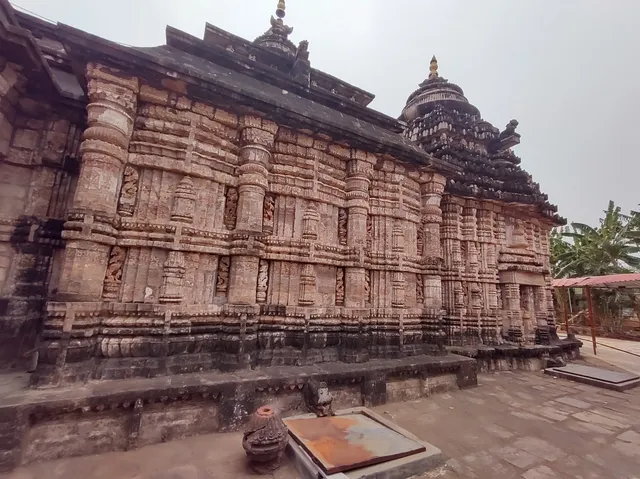
 Learn more insights from Wanderboat AI.