HTML SitemapExplore
logo
Find Things to DoFind The Best Restaurants

Yaganti Temple — Attraction in Andhra Pradesh

Name
Yaganti Temple
Description
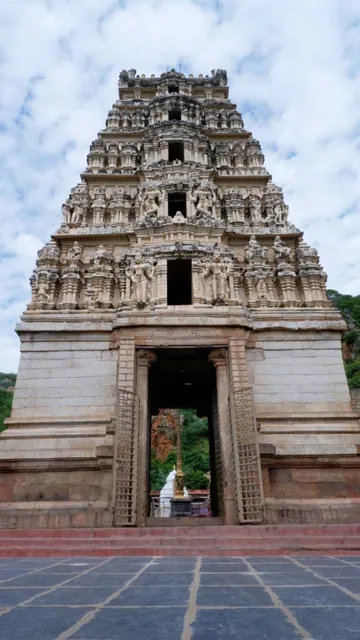
Yaganti Temple or Sri Yaganti Uma Maheswara Temple is a temple of Shiva in Nandyal district in the India state of Andhra Pradesh. It was built according to Vaishnavaite traditions.
Nearby attractions
Shri Uma Maheshwara Swamy Temple
Temple Gopuram, Yaganti Rd, Yaganti, Andhra Pradesh 518124, India
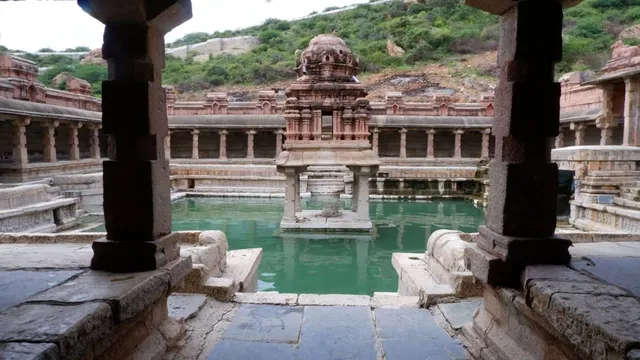
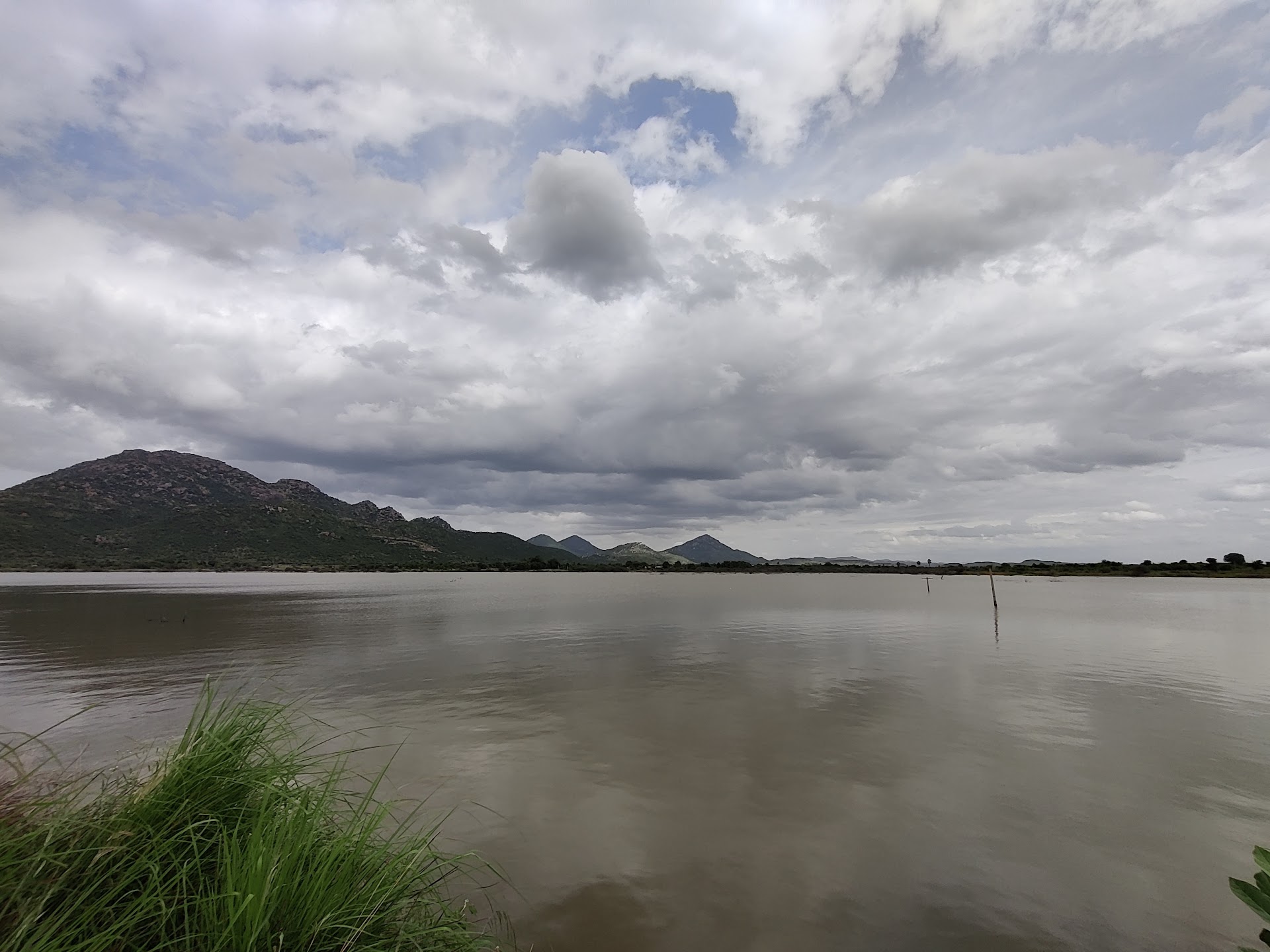
Yaganti koneru
942Q+6PH, Yaganti, Andhra Pradesh 518124, India
Nearby restaurants
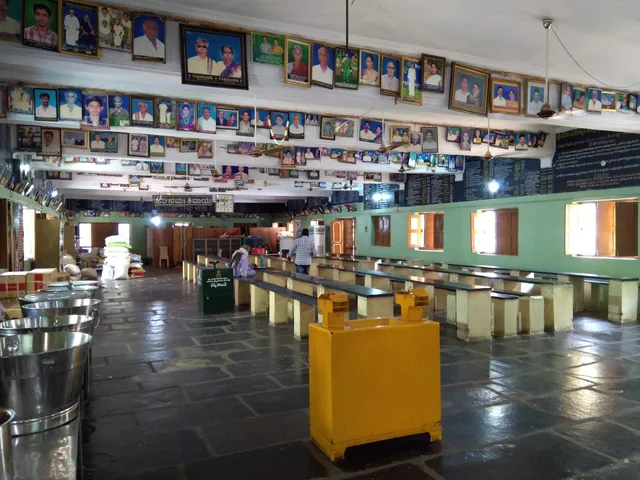
అన్నదాన సత్రం Sri Umamaheswara Nitya Annadana Samstha
84XR+X43, Yaganti, Andhra Pradesh 518124, India
Nearby hotels
Related posts
Keywords
Yaganti Temple tourism.Yaganti Temple hotels.Yaganti Temple bed and breakfast. flights to Yaganti Temple.Yaganti Temple attractions.Yaganti Temple restaurants.Yaganti Temple travel.Yaganti Temple travel guide.Yaganti Temple travel blog.Yaganti Temple pictures.Yaganti Temple photos.Yaganti Temple travel tips.Yaganti Temple maps.Yaganti Temple things to do.
Yaganti Temple things to do, attractions, restaurants, events info and trip planning
Yaganti Temple
IndiaAndhra PradeshYaganti Temple

Basic Info

Yaganti Temple

Yaganti Rd, Banaganapalli, Yaganti, Andhra Pradesh 518124, India
4.7(6.9K)
Open 24 hours
Save
spot

Ratings & Description

Info

Yaganti Temple or Sri Yaganti Uma Maheswara Temple is a temple of Shiva in Nandyal district in the India state of Andhra Pradesh. It was built according to Vaishnavaite traditions.

Cultural
Accessibility
attractions: Shri Uma Maheshwara Swamy Temple, Yaganti koneru, restaurants: అన్నదాన సత్రం Sri Umamaheswara Nitya Annadana Samstha
logoLearn more insights from Wanderboat AI.

Plan your stay

hotel
Pet-friendly Hotels in Andhra Pradesh
Find a cozy hotel nearby and make it a full experience.
hotel
Affordable Hotels in Andhra Pradesh
Find a cozy hotel nearby and make it a full experience.
hotel
The Coolest Hotels You Haven't Heard Of (Yet)
Find a cozy hotel nearby and make it a full experience.
hotel
Trending Stays Worth the Hype in Andhra Pradesh
Find a cozy hotel nearby and make it a full experience.

Reviews

Nearby attractions of Yaganti Temple

Shri Uma Maheshwara Swamy Temple

Yaganti koneru

Shri Uma Maheshwara Swamy Temple

Shri Uma Maheshwara Swamy Temple

4.6

(233)

Open until 7:30 PM
Click for details
Yaganti koneru

Yaganti koneru

4.6

(53)

Open until 8:30 PM
Click for details

Nearby restaurants of Yaganti Temple

అన్నదాన సత్రం Sri Umamaheswara Nitya Annadana Samstha

అన్నదాన సత్రం Sri Umamaheswara Nitya Annadana Samstha

అన్నదాన సత్రం Sri Umamaheswara Nitya Annadana Samstha

4.6

(13)

Click for details
Get the Appoverlay
Get the AppOne tap to find yournext favorite spots!
Wanderboat LogoWanderboat

Your everyday Al companion for getaway ideas

CompanyAbout Us
InformationAI Trip PlannerSitemap
SocialXInstagramTiktokLinkedin
LegalTerms of ServicePrivacy Policy

Get the app

© 2025 Wanderboat. All rights reserved.
logo

Reviews of Yaganti Temple

4.7
(6,901)
avatar
4.0
4y

Must visit place to archeology lovers..

3 caves 👌 Yaganti Uma Mahshwara swamy temple is situated aloft the Yerramalla hills in kurnool district at a distance of 90 km from district headquarters. Near by town is Banaganapalli which is 11 km away from Yaganti.

History of the Temple: The Ancient Yaganti temple dates back to the 5th and 6th centuries, Since then temple construction work is initiated by various Pallava, Chola, Chalukya and Vijayanagara rulers. Finally completed in 15th Century by Harihara Bukka Raya of the Sangama Dynasty of Vijayanagara Empire. It was built according to Vaishnavaite traditions. Temple houses the Idol of Shiva and Parvathi fused together(Ardhanareeshwara pose)

Legend of the Temple:

Legent has it that sage Agastya wanted to build a temple for Lord Venkateswara on this site. However, the statue that was made could not be installed as the toe nail of the idol got broken. The sage was upset over this and performed a penance for Shiva. When Shiva appeared, he said the place suits Shiva better as it resembles Kailash. Agastya then requested Shiva to give the devotees a Parvathi Goddess as Lord Uma Maheswara in a single stone, which Shiva obliged.

According to another Legend, Chitteppa, a devotee of Shiva, was worshiping Shiva and Shiva appeared to him as a tiger. Chitteppa understood that it was Lord Shiva in tiger form, and shouted Neganti Shivanu ne kanti (meaning in telugu is I saw Shiva I saw), and danced with joy. over a period of time Neganti become Yaganti.

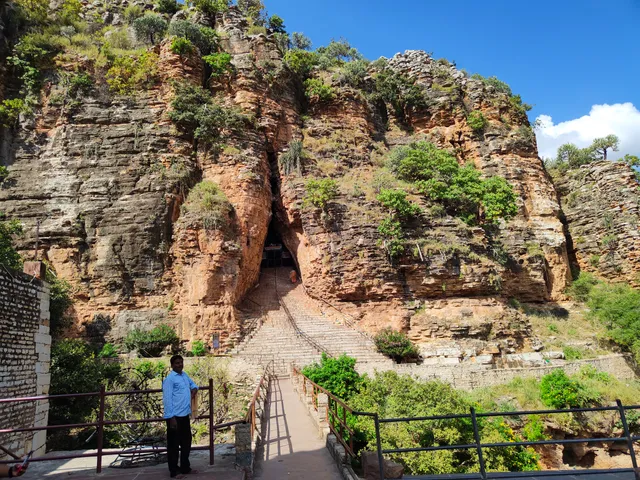
This temple is known for, Pushkarini: A Pond of water in the temple premises. Water flows into this Pushkarini from the bottom of hill through the mouth of a Nandi (bull). No one knows how the water reaches the pond all year round. Devotees find that a holy bath in Pushkarini is highly beneficial. After taking a bath in Pushkarini, they pay tributes to Lord Shiva. Agastya Cave: This is the cave where Agastya performed his penance for Shiva. To reach top one has to climb 120 steps Venkateshwara Cave: The sage Agastya wanted to build a temple for Lord Venkateswara on this site. However, the statue that was made could not be installed as the toe nail of the idol got broken. The damaged idol of Lord Venkateswara is present in this cave. Compared to Agastya cave it is easy to climb though the steps are steep. Veera Brahmenra Swamy Cave: This is the cave where saint Sree Potuluri Veera Brahmendra swamy wrote some of his Kala Gnaanam (prophecy). The height of the cave is less and one needs to bend half over to enter it. Growing Nandi: The devotees believe that the Nandi idol in front of the temple is continuously increasing its size. It is said that people used to do Pradakshinas (rounds) around it in the past. Now it is not possible to do Pradakshinam as Nandi grown all four sides. This Nandi is Growing 1 Inch in Every 20 Years. According to Potuluri Veera Brahmendra swamy, the Basavanna (stone nandi) of Yaganti will come alive and shout when Kali Yuga ends. Sri Abhayanjanya Swamy Temple: One can see this temple when you are coming out from exit gate. It is just below the Agastya Cave Absence of Crows: Legend has it that while the Sage Agastya was performing his penance, crows disturbed him and he cursed that the crows cannot enter the place. Yaganti Temple Akasha Deepam: Every day temple priest used to the lit lamp using 4 litres of oil and 2 mt thick wicks, in the evening on a ledge behind Veerabhadra Swamy Temple. The lamp glows from 6 am – 6 pm in the open air on top of the hill.

Temple Timings: Morning 06:00 to 13:00 hrs Evening 15:00 to 20:00 hrs

Entry Fee: 5 INR per person for Sarva Darshan

Nearby Attractions: Ravvala Konda, where Veera Brahmendra swamy wrote kalagnanam Nawab Palace, where Tollywood famous movie Arundathi shooted Achamamba House, Where Veera Brahmendra swamy Lived Nela Matam, Which is first Matam of Lord Veera...

   Read more
avatar
5.0
40w

Frequently Asked Questions (FAQs) about Yaganti Temple :

General Information Q: Where is Yaganti Temple located? A: Yaganti Temple is located in the Kurnool district of Andhra Pradesh, India.

Q: What deity is Yaganti Temple dedicated to? A: Lord Shiva.

Q: What is the main attraction of Yaganti Temple? A: The growing Nandi idol and the cave temples.

Q: Is Yaganti Temple a historical site? A: Yes, it has a rich history dating back to the Vijayanagara Empire.

Q: What are the three cave temples within Yaganti? A: They are Sri Agastya Cave, Sri Venkateswara Cave, and Sri Veerabrahmam Cave.

Q: Is there an entrance fee for Yaganti Temple? A: Entry to the temple is generally free, but there may be parking or vehicle toll charges.

Q: What are the best times to visit Yaganti Temple? A: Mornings and evenings, when the weather is cooler.

Q: Is photography allowed inside the temple? A: Photography restrictions may vary; it's best to check with temple authorities.

Q: What is the significance of the Nandi idol? A: It is believed to be growing in size, according to local legends.

Q: Is there a pond within the temple premises? A: Yes, there is a pond where devotees can take a dip. Accessibility and Facilities

Q: Is Yaganti Temple accessible by public transport? A: Yes, buses and other public transport options are available to reach the temple.

Q: Is there parking available at Yaganti Temple? A: Yes, ample parking space is available.

Q: Are there restroom facilities at the temple? A: Yes, clean toilet facilities are available.

Q: Is drinking water available at the temple? A: Yes, drinking water facilities are provided.

Q: Are there food stalls or restaurants near the temple? A: Yes, local food vendors are usually present.

Q: Is the temple wheelchair accessible? A: The main temple is accessible, but the cave temples involve climbing stairs, which may not be wheelchair accessible.

Q: Are there accommodations available near Yaganti Temple? A: Yes, there are some accommodations available in nearby towns.

Q: How far is Yaganti Temple from Kurnool city? A: It is approximately 100 kilometers from Kurnool city.

Religious and Cultural Aspects Q: What is the legend behind the growing Nandi idol? A: It is believed that the sage Agastya predicted the Nandi would grow until the end of Kali Yuga.

Q: What is the significance of the Agastya Cave? A: It is believed that Sage Agastya performed penance in this cave.

Q: What is the significance of the Venkateswara Cave? A: It houses an idol of Lord Venkateswara.

Q: What is the significance of the Veerabrahmam Cave? A: It is associated with the saint Veerabrahmam.

Q: What is the main festival celebrated at Yaganti Temple? A: Maha Shivaratri is the main festival.

Q: What are the common rituals performed at Yaganti Temple? A: Abhishekam, archana, and offering prayers to Lord Shiva and Nandi.

Q: What is the belief about crows not entering Yaganti? A: It is believed that due to Sage Agastya's penance, crows do not enter the temple premises.

Q: What is the architectural style of Yaganti Temple? A: It reflects the Vijayanagara architectural style.

Q: Are there any specific dress codes to be followed? A: It is advisable to wear modest and traditional clothing.

Q: Is Yaganti considered a sacred site? A: Yes, it is a highly revered and sacred site for Hindus.

Q: What is the spiritual atmosphere like at Yaganti Temple? A: It is known for its serene and peaceful spiritual atmosphere.

Planning Your Visit Q: How much time should I allocate for a visit to Yaganti Temple? A: Plan for at least 2-3 hours to explore the temple complex.

Q: Is it advisable to hire a guide at Yaganti Temple? A: A guide can provide valuable insights into the temple's history...

   Read more

avatar
5.0
1y

Yaganti Temple (Uma Maheswar temple) is located in Yaganti, Andhra Pradesh at a distance of 48 Kms from nandyala, 80 Kms from Kurnool and 280 Kms from Hyderabad Airport. Yaganti Temple is not only a site of historical and mythological significance but also boasts exceptional architectural marvels and sacred features.

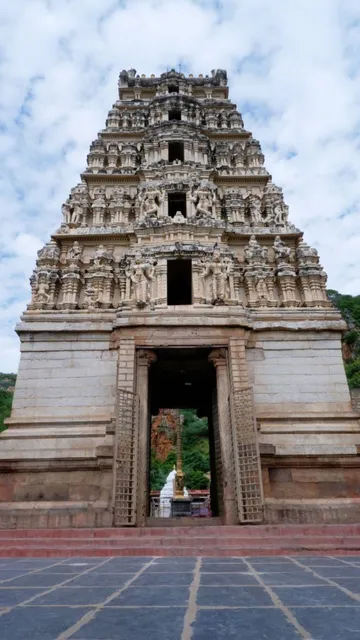
Constructed in the 15th century by King Harihara Bukka Raya of the Sangama Dynasty, a part of the Vijayanagara Empire, this temple stands as a testament to the architectural prowess of its time.

One has to climb several steps past the temple tank to reach Garbagruha. One can pay a nominal fee of Rs 75 per head to do pooja by entering garbagudi. Lord Veerabadra big idol - More than Six feet tall.

As per the legend Sage Agastya, aspired to build a temple for Lord Venkateswara on this very site. However, a hurdle arose when the idol created for Lord Venkateswara had a broken toe nail, making it impossible to install. Disheartened by this setback, Sage Agastya embarked on a penance for Lord Shiva. Responding to his devotion, Lord Shiva appeared and suggested that the place was more suited to Him, resembling the sacred abode of Kailash. Upon Agastya’s request, Shiva took the form of Lord Uma Maheswara, with Goddess Parvathi, in a single stone, fulfilling the sage’s desire.

As per another Legend, Chitteppa, an ardent worshiper of Shiva. In a divine encounter, Shiva appeared before him in the form of a tiger. Recognizing the divine presence, Chitteppa jubilantly exclaimed, “Neganti Shivanu ne kanti,” meaning “I saw Shiva, I saw!” He danced with joy, and nearby lies a cave known as Chitteppa’s Cave, bearing testimony to this remarkable event.

As per another Legend, while the Sage Agastya was performing his penance, crows disturbed him and he cursed that the crows cannot enter the place. As the crow is the Vahana for Lord Shani, it is believed that Shani cannot enter this place

It is worth noting that the saint Lord Veerabrahmendra Swami resided at this sacred site for a period and authored his prophetic work known as “Kalagnanam,” further adding to the temple’s historical legacy.

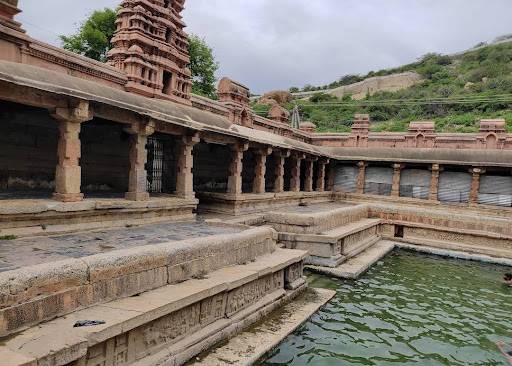
A striking feature of the temple is its Pushkarini, a small pond located on the temple premises.What sets this Pushkarini apart is the source of its water. Fresh and sweet, the water flows from the hills into the Pushkarini through the mouth of a Nandi, the sacred bull. The perpetuity of this water source throughout the year remains a mystery, adding an air of wonder to the temple’s surroundings. Devotees who take a holy bath in the Pushkarini believe it to be highly beneficial, and it is customary to offer tributes to Lord Shiva after this purifying ritual.

The temple complex is not limited to the shrine alone. It also features several caves, each with itsunique significance. Agastya Cave , Venkateswara Cave and Veera Brahmam Cave are worth visiting.

One of the most intriguing features of the temple is the monolithic Nandi statue, carved out of a single rock. This Nandi is said to be continuously growing, mystifying both devotees and scientists. Archaeological Survey of India explains this in scientific terms. Their research brought out that the Nandi is carved out on a rock with the properties of enlarging over time. They found that the rock grows at the rate of 1 inch per 20 years (10 mm per 8 years) reducing the space around it each time. Looks like the temple is no more just a place of worship but also a place where you experience science in nature!

The primary and most significant festival celebrated at the Yaganti Temple is Maha Shivratri. Temple timings : 6 AM to 1 PM &...

   Read more
Page 1 of 7
Previous
Next

Posts

Bala V KrishnaBala V Krishna
Must visit place to archeology lovers.. 3 caves 👌 Yaganti Uma Mahshwara swamy temple is situated aloft the Yerramalla hills in kurnool district at a distance of 90 km from district headquarters. Near by town is Banaganapalli which is 11 km away from Yaganti. History of the Temple: The Ancient Yaganti temple dates back to the 5th and 6th centuries, Since then temple construction work is initiated by various Pallava, Chola, Chalukya and Vijayanagara rulers. Finally completed in 15th Century by Harihara Bukka Raya of the Sangama Dynasty of Vijayanagara Empire. It was built according to Vaishnavaite traditions. Temple houses the Idol of Shiva and Parvathi fused together(Ardhanareeshwara pose) Legend of the Temple: Legent has it that sage Agastya wanted to build a temple for Lord Venkateswara on this site. However, the statue that was made could not be installed as the toe nail of the idol got broken. The sage was upset over this and performed a penance for Shiva. When Shiva appeared, he said the place suits Shiva better as it resembles Kailash. Agastya then requested Shiva to give the devotees a Parvathi Goddess as Lord Uma Maheswara in a single stone, which Shiva obliged. According to another Legend, Chitteppa, a devotee of Shiva, was worshiping Shiva and Shiva appeared to him as a tiger. Chitteppa understood that it was Lord Shiva in tiger form, and shouted Neganti Shivanu ne kanti (meaning in telugu is I saw Shiva I saw), and danced with joy. over a period of time Neganti become Yaganti. This temple is known for, 1. Pushkarini: A Pond of water in the temple premises. Water flows into this Pushkarini from the bottom of hill through the mouth of a Nandi (bull). No one knows how the water reaches the pond all year round. Devotees find that a holy bath in Pushkarini is highly beneficial. After taking a bath in Pushkarini, they pay tributes to Lord Shiva. 2. Agastya Cave: This is the cave where Agastya performed his penance for Shiva. To reach top one has to climb 120 steps 3. Venkateshwara Cave: The sage Agastya wanted to build a temple for Lord Venkateswara on this site. However, the statue that was made could not be installed as the toe nail of the idol got broken. The damaged idol of Lord Venkateswara is present in this cave. Compared to Agastya cave it is easy to climb though the steps are steep. 4. Veera Brahmenra Swamy Cave: This is the cave where saint Sree Potuluri Veera Brahmendra swamy wrote some of his Kala Gnaanam (prophecy). The height of the cave is less and one needs to bend half over to enter it. 5. Growing Nandi: The devotees believe that the Nandi idol in front of the temple is continuously increasing its size. It is said that people used to do Pradakshinas (rounds) around it in the past. Now it is not possible to do Pradakshinam as Nandi grown all four sides. This Nandi is Growing 1 Inch in Every 20 Years. According to Potuluri Veera Brahmendra swamy, the Basavanna (stone nandi) of Yaganti will come alive and shout when Kali Yuga ends. 6. Sri Abhayanjanya Swamy Temple: One can see this temple when you are coming out from exit gate. It is just below the Agastya Cave 7. Absence of Crows: Legend has it that while the Sage Agastya was performing his penance, crows disturbed him and he cursed that the crows cannot enter the place. 8. Yaganti Temple Akasha Deepam: Every day temple priest used to the lit lamp using 4 litres of oil and 2 mt thick wicks, in the evening on a ledge behind Veerabhadra Swamy Temple. The lamp glows from 6 am – 6 pm in the open air on top of the hill. Temple Timings: Morning 06:00 to 13:00 hrs Evening 15:00 to 20:00 hrs Entry Fee: 5 INR per person for Sarva Darshan Nearby Attractions: 1. Ravvala Konda, where Veera Brahmendra swamy wrote kalagnanam 2. Nawab Palace, where Tollywood famous movie Arundathi shooted 3. Achamamba House, Where Veera Brahmendra swamy Lived 4. Nela Matam, Which is first Matam of Lord Veera Brahmendra swamy
P jaganP jagan
Frequently Asked Questions (FAQs) about Yaganti Temple : General Information * Q: Where is Yaganti Temple located? * A: Yaganti Temple is located in the Kurnool district of Andhra Pradesh, India. * Q: What deity is Yaganti Temple dedicated to? * A: Lord Shiva. * Q: What is the main attraction of Yaganti Temple? * A: The growing Nandi idol and the cave temples. * Q: Is Yaganti Temple a historical site? * A: Yes, it has a rich history dating back to the Vijayanagara Empire. * Q: What are the three cave temples within Yaganti? * A: They are Sri Agastya Cave, Sri Venkateswara Cave, and Sri Veerabrahmam Cave. * Q: Is there an entrance fee for Yaganti Temple? * A: Entry to the temple is generally free, but there may be parking or vehicle toll charges. * Q: What are the best times to visit Yaganti Temple? * A: Mornings and evenings, when the weather is cooler. * Q: Is photography allowed inside the temple? * A: Photography restrictions may vary; it's best to check with temple authorities. * Q: What is the significance of the Nandi idol? * A: It is believed to be growing in size, according to local legends. * Q: Is there a pond within the temple premises? * A: Yes, there is a pond where devotees can take a dip. Accessibility and Facilities * Q: Is Yaganti Temple accessible by public transport? * A: Yes, buses and other public transport options are available to reach the temple. * Q: Is there parking available at Yaganti Temple? * A: Yes, ample parking space is available. * Q: Are there restroom facilities at the temple? * A: Yes, clean toilet facilities are available. * Q: Is drinking water available at the temple? A: Yes, drinking water facilities are provided. Q: Are there food stalls or restaurants near the temple? A: Yes, local food vendors are usually present. Q: Is the temple wheelchair accessible? A: The main temple is accessible, but the cave temples involve climbing stairs, which may not be wheelchair accessible. Q: Are there accommodations available near Yaganti Temple? A: Yes, there are some accommodations available in nearby towns. Q: How far is Yaganti Temple from Kurnool city? A: It is approximately 100 kilometers from Kurnool city. Religious and Cultural Aspects Q: What is the legend behind the growing Nandi idol? A: It is believed that the sage Agastya predicted the Nandi would grow until the end of Kali Yuga. Q: What is the significance of the Agastya Cave? A: It is believed that Sage Agastya performed penance in this cave. Q: What is the significance of the Venkateswara Cave? A: It houses an idol of Lord Venkateswara. Q: What is the significance of the Veerabrahmam Cave? A: It is associated with the saint Veerabrahmam. Q: What is the main festival celebrated at Yaganti Temple? A: Maha Shivaratri is the main festival. Q: What are the common rituals performed at Yaganti Temple? A: Abhishekam, archana, and offering prayers to Lord Shiva and Nandi. Q: What is the belief about crows not entering Yaganti? A: It is believed that due to Sage Agastya's penance, crows do not enter the temple premises. Q: What is the architectural style of Yaganti Temple? A: It reflects the Vijayanagara architectural style. Q: Are there any specific dress codes to be followed? A: It is advisable to wear modest and traditional clothing. Q: Is Yaganti considered a sacred site? A: Yes, it is a highly revered and sacred site for Hindus. Q: What is the spiritual atmosphere like at Yaganti Temple? A: It is known for its serene and peaceful spiritual atmosphere. Planning Your Visit Q: How much time should I allocate for a visit to Yaganti Temple? A: Plan for at least 2-3 hours to explore the temple complex. Q: Is it advisable to hire a guide at Yaganti Temple? A: A guide can provide valuable insights into the temple's history and legends.
Shabarish BoggarapuShabarish Boggarapu
Yaganti Temple: A Spiritual and Architectural Marvel Yaganti Temple, located in the Kurnool district of Andhra Pradesh, is dedicated to Lord Shiva and is officially known as Sri Yaganti Uma Maheswara Temple. It is a significant pilgrimage site with historical, spiritual, and architectural importance. Key Highlights of Yaganti Temple 1. Historical Significance The temple was constructed during the 5th and 6th centuries by the Pallava kings and later renovated by the Vijayanagara rulers. It reflects the exquisite Dravidian style of architecture, with intricate carvings and sculptures. 2. The Growing Nandi A unique feature of the temple is its growing Nandi (bull statue). Devotees believe the Nandi idol has been gradually increasing in size over centuries, as foretold in local legends. 3. Sacred Caves The temple complex is surrounded by natural caves, including: Agastya Cave: Where Sage Agastya is said to have meditated. Venkateswara Cave: Houses an incomplete idol of Lord Venkateswara, believed to have been abandoned due to mystical reasons. 4. Yaganti Pushkarini A sacred water pond located within the temple complex. It is believed that water flows from the nearby hills into the pond and never dries up, regardless of the season. 5. Mythology and No Crows According to legend, Sage Agastya cursed the crows for disturbing his meditation, resulting in no crows being seen in or around the temple premises. Festivals at Yaganti Temple 1. Maha Shivaratri Significance: The most prominent festival, celebrated in honor of Lord Shiva. Highlights: Rituals, night-long prayers, and bhajans. When: February or March (Hindu lunar calendar). 2. Karthika Masam Significance: A holy month dedicated to Lord Shiva (October-November). Highlights: Devotees light oil lamps, and special prayers are conducted daily. 3. Annual Brahmotsavam Significance: Celebrates the divine presence of Lord Shiva and Goddess Parvati. Highlights: Chariot processions, cultural programs, and traditional rituals. 4. Ugadi (Telugu New Year) Significance: Marks the beginning of the Telugu New Year. Highlights: Festive poojas and blessings for prosperity. 5. Navaratri Significance: Dedicated to Goddess Parvati, celebrated for nine days. Highlights: Daily rituals, poojas, and devotional songs. Unique Experiences Yaganti Temple is a blend of spirituality, mythology, and natural beauty. The serene environment and ancient architecture make it a must-visit destination for pilgrims and history enthusiasts alike. Location Address: Yaganti Village, Banaganapalli Mandal, Nandyal District, Andhra Pradesh, India. Distance from Major Cities: Kurnool: 75 km Bangalore: 330 km Hyderabad: 290 km Temple Timings Opening Hours: 6:00 AM – 1:00 PM, 3:00 PM – 8:00 PM. Best Time to Visit: Winter months (November to February): Pleasant weather enhances the experience. Nearby Attractions 1. Belum Caves (50 km): India's second-largest cave system. 2. Ahobilam Temple (90 km): Famous for Lord Narasimha worship. 3. Orvakal Rock Gardens (60 km): A scenic geological marvel. Tips for Visitors Wear comfortable clothing suitable for a temple visit. Carry water and snacks as nearby amenities are limited. Photography inside the temple premises is restricted.
See more posts
See more posts
hotel
Find your stay

Pet-friendly Hotels in Andhra Pradesh

Find a cozy hotel nearby and make it a full experience.

Must visit place to archeology lovers.. 3 caves 👌 Yaganti Uma Mahshwara swamy temple is situated aloft the Yerramalla hills in kurnool district at a distance of 90 km from district headquarters. Near by town is Banaganapalli which is 11 km away from Yaganti. History of the Temple: The Ancient Yaganti temple dates back to the 5th and 6th centuries, Since then temple construction work is initiated by various Pallava, Chola, Chalukya and Vijayanagara rulers. Finally completed in 15th Century by Harihara Bukka Raya of the Sangama Dynasty of Vijayanagara Empire. It was built according to Vaishnavaite traditions. Temple houses the Idol of Shiva and Parvathi fused together(Ardhanareeshwara pose) Legend of the Temple: Legent has it that sage Agastya wanted to build a temple for Lord Venkateswara on this site. However, the statue that was made could not be installed as the toe nail of the idol got broken. The sage was upset over this and performed a penance for Shiva. When Shiva appeared, he said the place suits Shiva better as it resembles Kailash. Agastya then requested Shiva to give the devotees a Parvathi Goddess as Lord Uma Maheswara in a single stone, which Shiva obliged. According to another Legend, Chitteppa, a devotee of Shiva, was worshiping Shiva and Shiva appeared to him as a tiger. Chitteppa understood that it was Lord Shiva in tiger form, and shouted Neganti Shivanu ne kanti (meaning in telugu is I saw Shiva I saw), and danced with joy. over a period of time Neganti become Yaganti. This temple is known for, 1. Pushkarini: A Pond of water in the temple premises. Water flows into this Pushkarini from the bottom of hill through the mouth of a Nandi (bull). No one knows how the water reaches the pond all year round. Devotees find that a holy bath in Pushkarini is highly beneficial. After taking a bath in Pushkarini, they pay tributes to Lord Shiva. 2. Agastya Cave: This is the cave where Agastya performed his penance for Shiva. To reach top one has to climb 120 steps 3. Venkateshwara Cave: The sage Agastya wanted to build a temple for Lord Venkateswara on this site. However, the statue that was made could not be installed as the toe nail of the idol got broken. The damaged idol of Lord Venkateswara is present in this cave. Compared to Agastya cave it is easy to climb though the steps are steep. 4. Veera Brahmenra Swamy Cave: This is the cave where saint Sree Potuluri Veera Brahmendra swamy wrote some of his Kala Gnaanam (prophecy). The height of the cave is less and one needs to bend half over to enter it. 5. Growing Nandi: The devotees believe that the Nandi idol in front of the temple is continuously increasing its size. It is said that people used to do Pradakshinas (rounds) around it in the past. Now it is not possible to do Pradakshinam as Nandi grown all four sides. This Nandi is Growing 1 Inch in Every 20 Years. According to Potuluri Veera Brahmendra swamy, the Basavanna (stone nandi) of Yaganti will come alive and shout when Kali Yuga ends. 6. Sri Abhayanjanya Swamy Temple: One can see this temple when you are coming out from exit gate. It is just below the Agastya Cave 7. Absence of Crows: Legend has it that while the Sage Agastya was performing his penance, crows disturbed him and he cursed that the crows cannot enter the place. 8. Yaganti Temple Akasha Deepam: Every day temple priest used to the lit lamp using 4 litres of oil and 2 mt thick wicks, in the evening on a ledge behind Veerabhadra Swamy Temple. The lamp glows from 6 am – 6 pm in the open air on top of the hill. Temple Timings: Morning 06:00 to 13:00 hrs Evening 15:00 to 20:00 hrs Entry Fee: 5 INR per person for Sarva Darshan Nearby Attractions: 1. Ravvala Konda, where Veera Brahmendra swamy wrote kalagnanam 2. Nawab Palace, where Tollywood famous movie Arundathi shooted 3. Achamamba House, Where Veera Brahmendra swamy Lived 4. Nela Matam, Which is first Matam of Lord Veera Brahmendra swamy
Bala V Krishna

Bala V Krishna

hotel
Find your stay

Affordable Hotels in Andhra Pradesh

Find a cozy hotel nearby and make it a full experience.

Get the Appoverlay
Get the AppOne tap to find yournext favorite spots!
Frequently Asked Questions (FAQs) about Yaganti Temple : General Information * Q: Where is Yaganti Temple located? * A: Yaganti Temple is located in the Kurnool district of Andhra Pradesh, India. * Q: What deity is Yaganti Temple dedicated to? * A: Lord Shiva. * Q: What is the main attraction of Yaganti Temple? * A: The growing Nandi idol and the cave temples. * Q: Is Yaganti Temple a historical site? * A: Yes, it has a rich history dating back to the Vijayanagara Empire. * Q: What are the three cave temples within Yaganti? * A: They are Sri Agastya Cave, Sri Venkateswara Cave, and Sri Veerabrahmam Cave. * Q: Is there an entrance fee for Yaganti Temple? * A: Entry to the temple is generally free, but there may be parking or vehicle toll charges. * Q: What are the best times to visit Yaganti Temple? * A: Mornings and evenings, when the weather is cooler. * Q: Is photography allowed inside the temple? * A: Photography restrictions may vary; it's best to check with temple authorities. * Q: What is the significance of the Nandi idol? * A: It is believed to be growing in size, according to local legends. * Q: Is there a pond within the temple premises? * A: Yes, there is a pond where devotees can take a dip. Accessibility and Facilities * Q: Is Yaganti Temple accessible by public transport? * A: Yes, buses and other public transport options are available to reach the temple. * Q: Is there parking available at Yaganti Temple? * A: Yes, ample parking space is available. * Q: Are there restroom facilities at the temple? * A: Yes, clean toilet facilities are available. * Q: Is drinking water available at the temple? A: Yes, drinking water facilities are provided. Q: Are there food stalls or restaurants near the temple? A: Yes, local food vendors are usually present. Q: Is the temple wheelchair accessible? A: The main temple is accessible, but the cave temples involve climbing stairs, which may not be wheelchair accessible. Q: Are there accommodations available near Yaganti Temple? A: Yes, there are some accommodations available in nearby towns. Q: How far is Yaganti Temple from Kurnool city? A: It is approximately 100 kilometers from Kurnool city. Religious and Cultural Aspects Q: What is the legend behind the growing Nandi idol? A: It is believed that the sage Agastya predicted the Nandi would grow until the end of Kali Yuga. Q: What is the significance of the Agastya Cave? A: It is believed that Sage Agastya performed penance in this cave. Q: What is the significance of the Venkateswara Cave? A: It houses an idol of Lord Venkateswara. Q: What is the significance of the Veerabrahmam Cave? A: It is associated with the saint Veerabrahmam. Q: What is the main festival celebrated at Yaganti Temple? A: Maha Shivaratri is the main festival. Q: What are the common rituals performed at Yaganti Temple? A: Abhishekam, archana, and offering prayers to Lord Shiva and Nandi. Q: What is the belief about crows not entering Yaganti? A: It is believed that due to Sage Agastya's penance, crows do not enter the temple premises. Q: What is the architectural style of Yaganti Temple? A: It reflects the Vijayanagara architectural style. Q: Are there any specific dress codes to be followed? A: It is advisable to wear modest and traditional clothing. Q: Is Yaganti considered a sacred site? A: Yes, it is a highly revered and sacred site for Hindus. Q: What is the spiritual atmosphere like at Yaganti Temple? A: It is known for its serene and peaceful spiritual atmosphere. Planning Your Visit Q: How much time should I allocate for a visit to Yaganti Temple? A: Plan for at least 2-3 hours to explore the temple complex. Q: Is it advisable to hire a guide at Yaganti Temple? A: A guide can provide valuable insights into the temple's history and legends.
P jagan

P jagan

hotel
Find your stay

The Coolest Hotels You Haven't Heard Of (Yet)

Find a cozy hotel nearby and make it a full experience.

hotel
Find your stay

Trending Stays Worth the Hype in Andhra Pradesh

Find a cozy hotel nearby and make it a full experience.

Yaganti Temple: A Spiritual and Architectural Marvel Yaganti Temple, located in the Kurnool district of Andhra Pradesh, is dedicated to Lord Shiva and is officially known as Sri Yaganti Uma Maheswara Temple. It is a significant pilgrimage site with historical, spiritual, and architectural importance. Key Highlights of Yaganti Temple 1. Historical Significance The temple was constructed during the 5th and 6th centuries by the Pallava kings and later renovated by the Vijayanagara rulers. It reflects the exquisite Dravidian style of architecture, with intricate carvings and sculptures. 2. The Growing Nandi A unique feature of the temple is its growing Nandi (bull statue). Devotees believe the Nandi idol has been gradually increasing in size over centuries, as foretold in local legends. 3. Sacred Caves The temple complex is surrounded by natural caves, including: Agastya Cave: Where Sage Agastya is said to have meditated. Venkateswara Cave: Houses an incomplete idol of Lord Venkateswara, believed to have been abandoned due to mystical reasons. 4. Yaganti Pushkarini A sacred water pond located within the temple complex. It is believed that water flows from the nearby hills into the pond and never dries up, regardless of the season. 5. Mythology and No Crows According to legend, Sage Agastya cursed the crows for disturbing his meditation, resulting in no crows being seen in or around the temple premises. Festivals at Yaganti Temple 1. Maha Shivaratri Significance: The most prominent festival, celebrated in honor of Lord Shiva. Highlights: Rituals, night-long prayers, and bhajans. When: February or March (Hindu lunar calendar). 2. Karthika Masam Significance: A holy month dedicated to Lord Shiva (October-November). Highlights: Devotees light oil lamps, and special prayers are conducted daily. 3. Annual Brahmotsavam Significance: Celebrates the divine presence of Lord Shiva and Goddess Parvati. Highlights: Chariot processions, cultural programs, and traditional rituals. 4. Ugadi (Telugu New Year) Significance: Marks the beginning of the Telugu New Year. Highlights: Festive poojas and blessings for prosperity. 5. Navaratri Significance: Dedicated to Goddess Parvati, celebrated for nine days. Highlights: Daily rituals, poojas, and devotional songs. Unique Experiences Yaganti Temple is a blend of spirituality, mythology, and natural beauty. The serene environment and ancient architecture make it a must-visit destination for pilgrims and history enthusiasts alike. Location Address: Yaganti Village, Banaganapalli Mandal, Nandyal District, Andhra Pradesh, India. Distance from Major Cities: Kurnool: 75 km Bangalore: 330 km Hyderabad: 290 km Temple Timings Opening Hours: 6:00 AM – 1:00 PM, 3:00 PM – 8:00 PM. Best Time to Visit: Winter months (November to February): Pleasant weather enhances the experience. Nearby Attractions 1. Belum Caves (50 km): India's second-largest cave system. 2. Ahobilam Temple (90 km): Famous for Lord Narasimha worship. 3. Orvakal Rock Gardens (60 km): A scenic geological marvel. Tips for Visitors Wear comfortable clothing suitable for a temple visit. Carry water and snacks as nearby amenities are limited. Photography inside the temple premises is restricted.
Shabarish Boggarapu

Shabarish Boggarapu

See more posts
See more posts