Many believe the samadhis of Jesal and Toral will unite forever some day
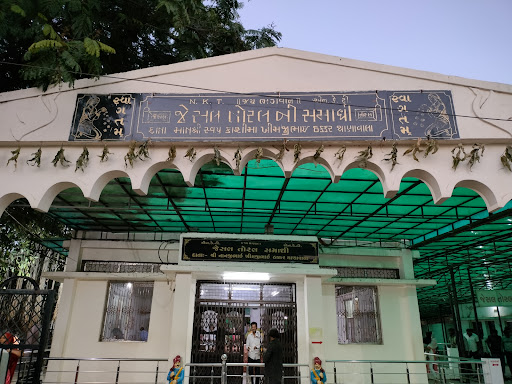
This is not a love story. But it is a story of love. The Jesal-Toral shrine in the small town of Anjar in Gujarat's Kutch district tells the tale of a rare association between a dacoit and a queen. Its significance in the new century is explained in the folklore surrounding the Kutch earthquakes of 1957 and 2001.
Now, as another anniversary of the last earthquake approaches, indignant locals and pilgrims wonder why a shrine that attracts more than 2,000 people every day should be still awaiting "relief work".
Apparently, though the roof caved in during the 2001 earthquake, the twin samadhis inside survived. All the people who were inside escaped unhurt even as the neighbourhood mourned the many faces of death. A popular myth here is that during these earthquakes, the samadhis - otherwise a few metres away from each other - touched one another.
They drifted apart again later, but the distance between them has been shrinking every year. Tectonic movement is not an explanation people here are willing to buy, because they believe that when the land is finally rid of misfortune, the samadhis will reunite forever.
That's perhaps a myth. "But the real story that dates back to 1526 A.D. is documented history," says Darshana Dholakia, lecturer at Lalan College, Bhuj, who has researched the subject. Jesal, a young Kutchi Rajput, was a dreaded dacoit.
His brother's wife once chided him that if he was truly brave, he should prove it by stealing Toral, an extraordinary mare belonging to a Saurashtra king. In the process of stealing Toral, Jesal's hand got caught in a nail and his agonised cries brought the king running outside.
Asked what he wanted, Jesal said "Toral", not knowing that the queen too had the same name. The king, a devout daani (donor) who had sworn never to disappoint anyone, gave him three Torals - his queen, the mare and a sword by that name. But on the boat journey back home, Jesal realised that Toral was not an ordinary woman.
He was tormented by guilt at having taken away someone who, out of loyalty, did not even question her husband's decision. It is said that the enlightened company of Queen Toral, remembered in Gujarati literature as a devotional poet who composed and sang songs, transformed Jesal completely and the two began spreading the message of God.
Their inseparable companionship as teacher and disciple is talked about, but in cautious tones. No one, not even the local scholars, wants to discuss the Jesal-Toral alliance as a man-woman relationship. "Even the Gujarati film Jesal-Toral did not suggest any such angle," recalls photographer Vinay Thacker, who started his career in 1976 by selling photos of the twin samadhis outside the shrine.
However, people do accept their unusual affinity, which even death couldn't change. It is said that when Jesal undertook samadhi, he called out to Toral from his grave to join him. Toral, who was travelling, heard his voice, came back to Anjar and immediately took samadhi.
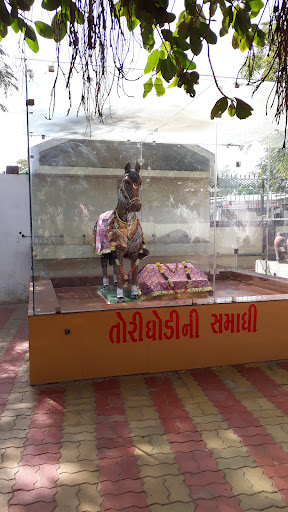
Toral, the mare, too was buried outside the temple. A green and magenta chaddar now covers the equestrian grave. The destroyed roof of the shrine has been temporarily replaced with an asbestos sheet.
But that hasn't stopped the huge throng of pilgrims who pour out endless tales of miracles attributed to the blessings of Jesal-Toral. Thacker believes that his photography has been blessed by the shrine. An old priestess recalls how she stood unmoving, hands folded during both the earthquakes at the samadhis. "Toral rani saved me, I didn't even sustain a scratch," she says. A woman from Patna says she gave birth to two sons after 16 years of marriage, following a visit to the...
Read more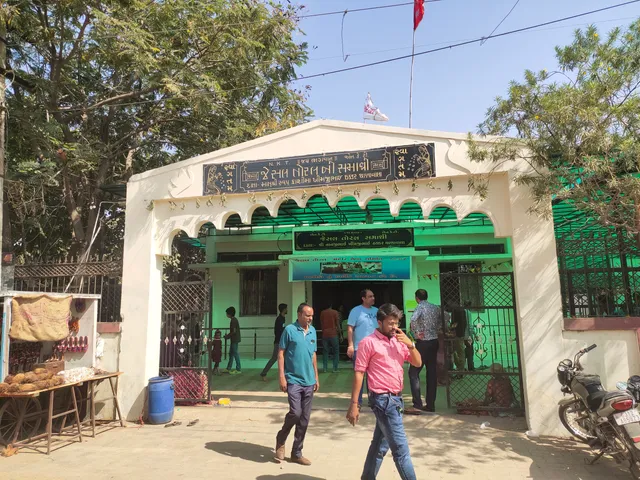
 Learn more insights from Wanderboat AI.