Ita Fort things to do, attractions, restaurants, events info and trip planning
Basic Info
Ita Fort
3JRJ+VP7, Arunachal Pradesh, Itanagar, 791111
3.8(651)
Closed
Save
spot
spot
Ratings & Description
Info
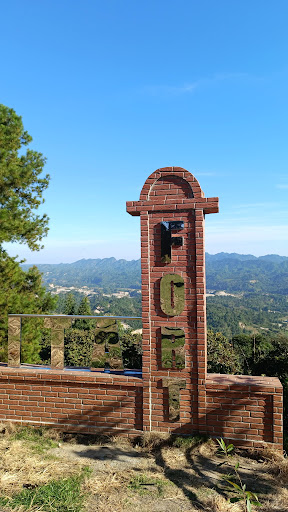
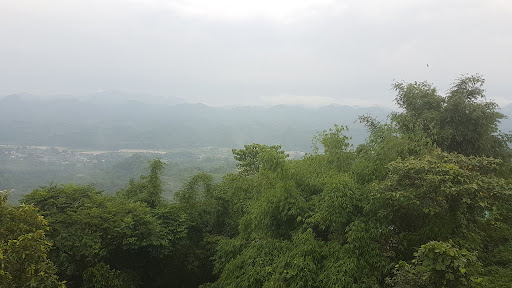
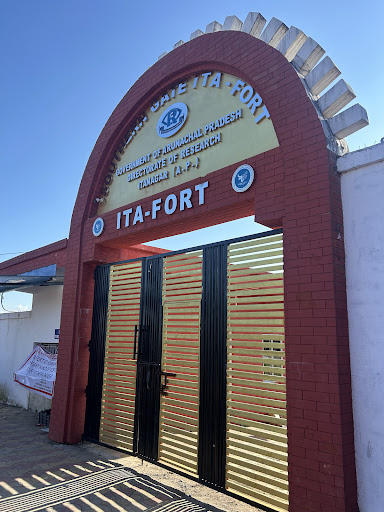
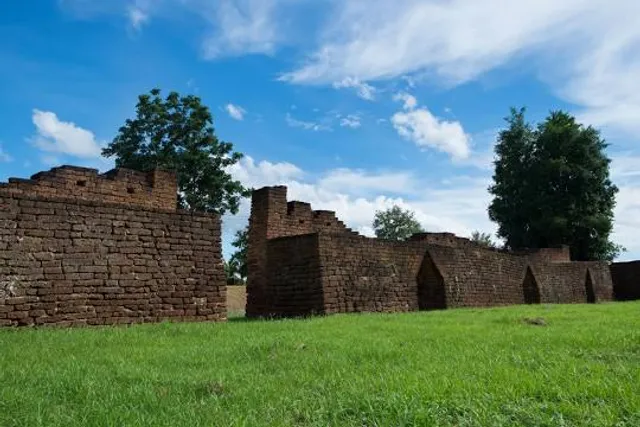
The Ita Fort is an historical site in Itanagar, Arunachal Pradesh, India. Its name is "Fort of Bricks" in Assamese. It also lends its name to the city Itanagar, the capital of Arunachal Pradesh. The Ita Fort is generally assumed to have been built by the Sutiya kings in the 14th or 15th century.
Cultural
Scenic
Outdoor
Family friendly
Off the beaten path
attractions: , restaurants: LIBI’S KITCHEN, local businesses:
 Learn more insights from Wanderboat AI.
Phone
+91 11 2371 5084
Open hoursSee all hours
Thu10:30 AM - 6 PMClosed
Plan your stay

Pet-friendly Hotels in Arunachal Pradesh
Find a cozy hotel nearby and make it a full experience.

Affordable Hotels in Arunachal Pradesh
Find a cozy hotel nearby and make it a full experience.

The Coolest Hotels You Haven't Heard Of (Yet)
Find a cozy hotel nearby and make it a full experience.

Trending Stays Worth the Hype in Arunachal Pradesh
Find a cozy hotel nearby and make it a full experience.
Reviews
Nearby restaurants of Ita Fort
LIBI’S KITCHEN
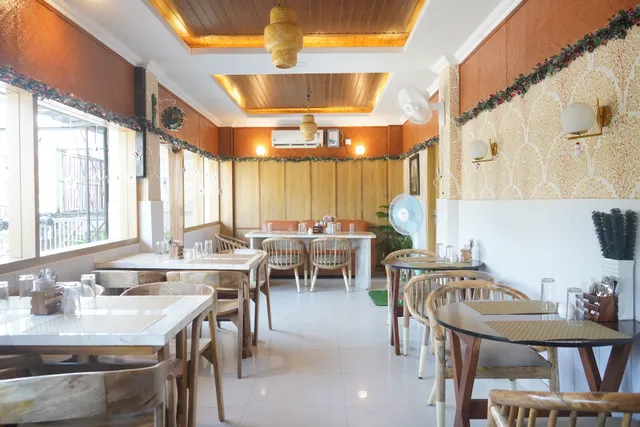
LIBI’S KITCHEN
4.3
(55)
Closed
Click for details