Tawang Monastery is a Buddhist monastery located in Tawang, Arunachal Pradesh, India. It is the largest monastery in the country. It is situated in the valley of the Tawang Chu, in close proximity to the Chinese and Bhutanese border. Tawang Monastery is known in Tibetan as Gaden Namgyal Lhatse, which translates to "the divine paradise of complete victory". It was founded by Merak Lama Lodre Gyatso in 1680–1681 in accordance with the wishes of the 5th Dalai Lama, Ngawang Lobsang Gyatso. It belongs to the Gelug school of Vajrayana Buddhism and had a religious association with Drepung Monastery of Lhasa, which continued during the period of British rule. Tawang Monastery is known in Tibetan as Gaden Namgyal Lhatse, which translates to "the divine paradise of complete victory". It was founded by Merak Lama Lodre Gyatso in 1680–1681 in accordance with the wishes of the 5th Dalai Lama, Ngawang Lobsang Gyatso. It belongs to the Gelug school of Vajrayana Buddhism and had a religious association with Drepung Monastery of Lhasa, which continued during the period of British rule.
The monastery is three stories high. It is enclosed by a 925 feet (282 m) long compound wall. Within the complex there are 65 residential buildings. The library of the monastery has valuable old scriptures, mainly Kangyur and Tengyur.
The full name of the monastery is Tawang Galdan Namgye Lhatse. Ta means "horse" and wang means "chosen", which together forms the word Tawang, meaning "the location selected by horse". Furthermore, Gadan means "paradise", Namgyal means "complete victory" and Lhatse means "divine". Thus, the full meaning of Tawang Galdan Namgye Lhatse is "the site chosen by the horse is the divine paradise of complete victory".1] The monastery was founded by Merek Lama Lodre Gyamsto in 1680–81 at the behest of the 5th Dalai Lama, who was his contemporary.[210] When Merek Lama was experiencing difficulties in building the monastery at the chosen location of Tsosum, the ancient name for Tawang, the 5th Dalai Lama issued directives to the people of the area to provide him all help. To fix the perimeter of the Dzong, the Dalai Lama had also given a ball of yarn, the length of which was to form the limit of the monastery.[11]
Prior to the dominance of the Gelug sect of Buddhism in Tawang, the Nyingmapa or the Black Hat sect of Buddhism was dominant and this resulted in their hegemony and even hostile approach towards the founder, Merek Lama. This problem was compounded by the Drukpas of Bhutan, who also belonged to the Nyingmapa sect, who even tried to invade and take control of Tawang. Hence, when the Tawang monastery was built like a fort structure, a strategic location was chosen from the defense point of view.[3] In 1844, Tawang Monastery had entered into two agreements with the East India Company. One agreement, signed on 24 February, pertained to surrender by the Monpas of their right to the Karlapara Duar in return for an annual fee (posa) of Rs 5,000, and another, dated 28 May, related to the Shardukpens to abide by any order of the British administration in India in return for an annual fee of Rs 2,526 and seven annas.[12] Tawang officials used to travel almost to the plains of Assam to collect monastic contributions.[13] According to Pandit Nain Singh of the Trignometrical Survey of India, who visited the monastery in 1874–75, the monastery had a parliamentary form of administration, known as the Kato, with the Chief Lamas of the monastery as its members. It was not dependent on the Dzonpan (head of Tsona Monastery) and Government of Lhasa, and this aspect was supported by G.A. Nevill who had visited the monastery in 1924.[14] Until 1914, this region of India was under the control of Tibet. However, under the Simla Agreement of 1913-14, the area came under the control of the British Raj.[15 Tibet gave up several hundred square miles of its territory, including the whole of the Tawang region and the monastery, to the British.[16] This disputed territory was the bone of contention for the 1962 India...
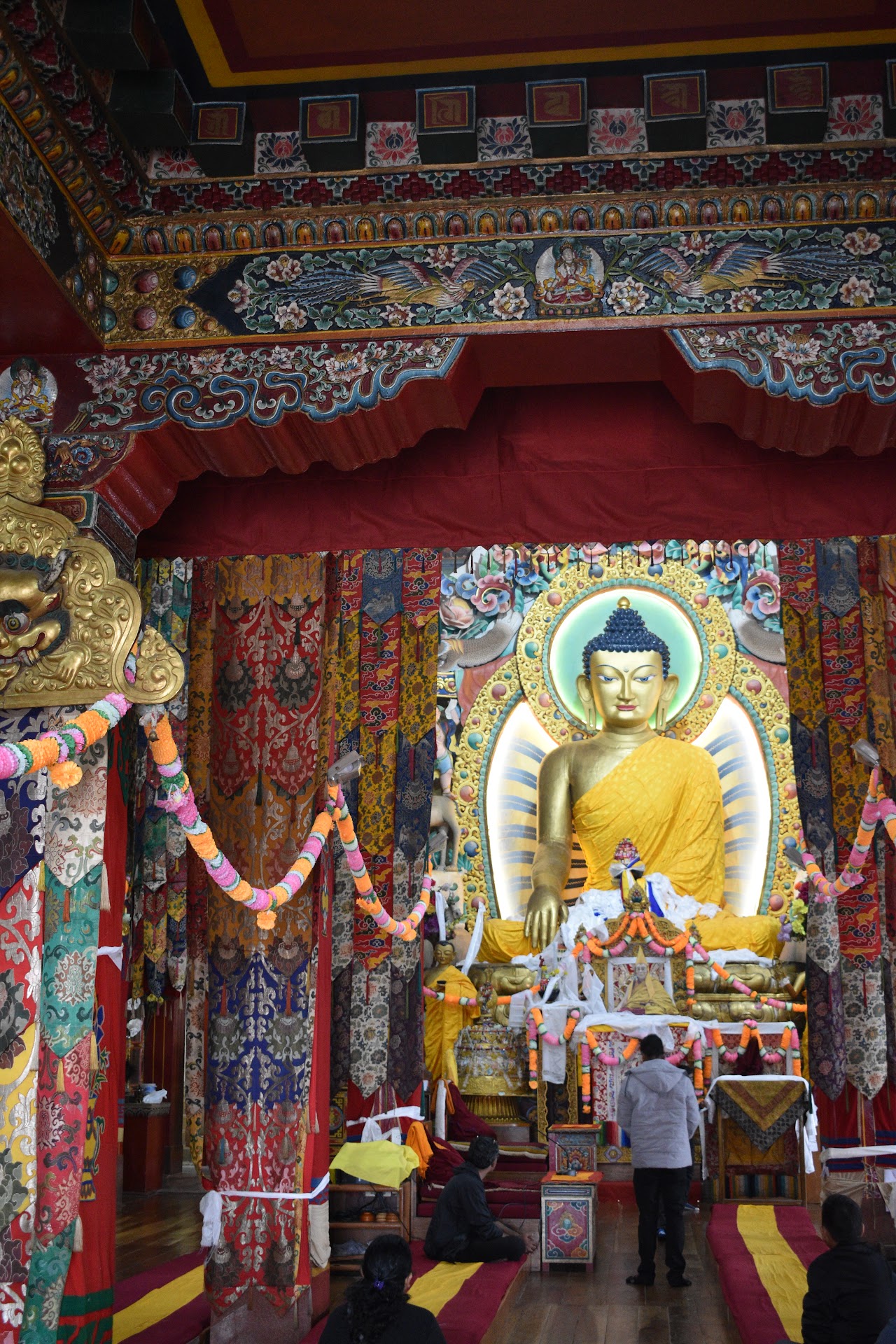
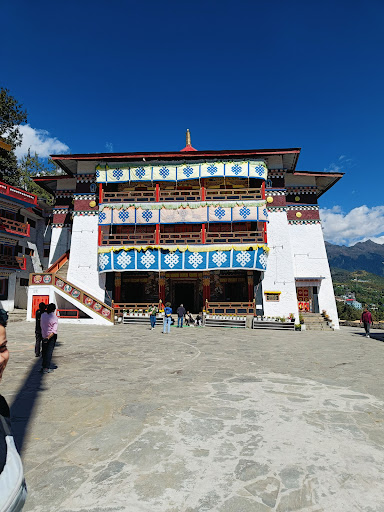
Read moreTawang Monastery is an important seat of Mahayana Buddhism. It was built in 17th century by Mera Lama Lodre Gyaltso who is considered as a contemporary of the 5th Dalai Lama. known as "Galden Namgyel Lhatse", Tawang Monastery is one of the most important element in social and religious life of the Monpas – the predominant tribe in this region. Being Asia’s second largest monastery (after the Potala Palace in Lhasa) and India’s largest which controls 17 Gompas,it is the most imposing building complex in the whole of Tawang. Situated on top of a hill, the monastery is visible from the almost all corners of Tawang town. Once you are up into the monastery premises you can enjoy a panoramic view of the town and valleys around. The first building at the entrance is a big library which has an impressive collection of ancient books and manuscripts. As you make your way up the lane, on your right, you can see the school building meant for the education of young monks. On the left are scores of buildings which mainly serve as residential quarters for the 2000 odd residents of the monastery. After the school building you come across a courtyard with the imposing three-storied Dukhang (main prayer hall). it has a 28 ft high golden statue of Lord Buddha.The murals on the walls of the hall are a must see. I was lucky to visit the monastery in the Buddhist holy month of Vesakha – the month of birth, death and enlightenment of Lord Buddha. The hall was beautifully decorated and special prayers were being conducted. The monks speak fluent English and Hindi and are more than happy to answer your queries. The museum stands opposite to the prayer hall at the other end of the courtyard. It has a wonderful collection of artefacts related to the history of Tibetan Buddhism, rare manuscripts and articles related to the day to day life in a monastery. On the left of the square is a 2 storied building with the lamp room of the monastery on its terrace. In one of the rooms here, we found a monk who was making pretty statuettes with a mixture of flour and fat. Once painted, these are offered to the Lord as a part of the ongoing rituals.On the right of the prayer hall, there is a room with giant prayer wheels where a group of ladies chant prayers all day long on behalf of the devotees. Due to the kind intervention of our local acquaintance, who is a Monpa, we could visit the monastery’s kitchen to enjoy the special Tibetan butter tea and got a chance to visit the VIP visitor’s room where dignitaries are received. To visit attractions in Tawang and its surroundings, make sure to venture out as early as possible. Sunrise takes place as early as 4: 30 am in summers and bathes the entire valley in its golden light. The best views are possible in the morning. By afternoon, the glorious vistas are covered by clouds.Also note that a visit to Arunachal Pradesh requires the Inner Line Permit. A visit to the Tawang Monastery can be rated as one of the topmost must do’s in the bucket list of a traveller in India. Its serene atmosphere and the warmth exuded by its people make it a treat...
Read moreTawang Monastery - A Serene Gem in the Himalayas
Tawang Monastery, nestled amidst the breathtaking landscapes of the Eastern Himalayas in Arunachal Pradesh, India, is a place of spiritual serenity and natural beauty. Having had the opportunity to visit this ancient monastery, I can confidently say that it is an awe-inspiring and unforgettable experience.
First and foremost, the setting of Tawang Monastery is nothing short of spectacular. Surrounded by towering snow-capped peaks and lush green valleys, the monastery offers panoramic views that are truly mesmerizing. The journey to reach the monastery is an adventure in itself, with winding roads that offer glimpses of stunning vistas at every turn.
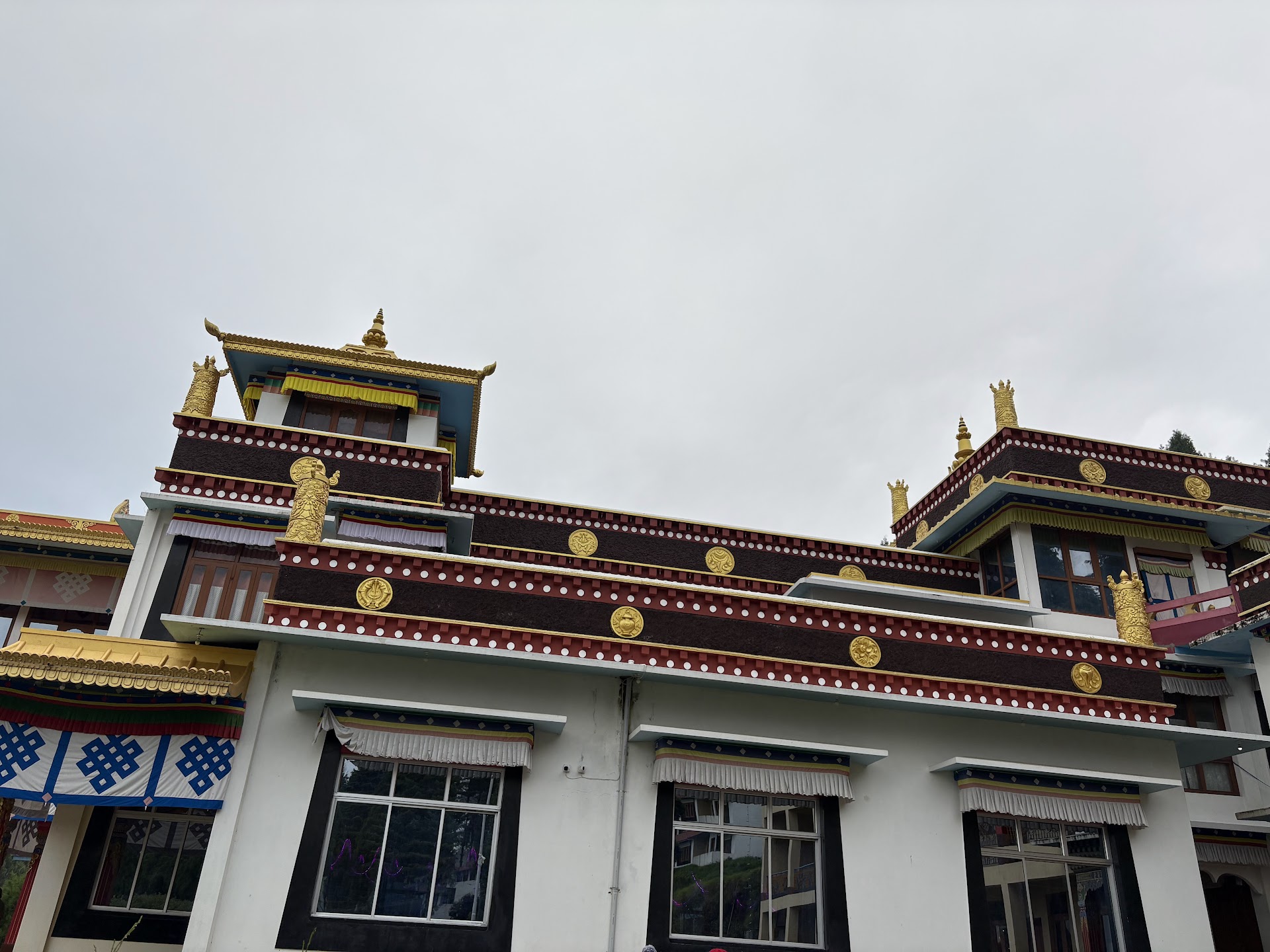
Upon entering the premises of Tawang Monastery, one is immediately struck by the air of tranquility and spirituality that permeates the atmosphere. The monastery, believed to be over 400 years old, exudes a sense of timelessness and history. The architecture is a remarkable blend of Tibetan and Indian influences, with intricate designs, vibrant murals, and ornate prayer wheels adorning the buildings. Exploring the various halls and chambers within the monastery allows visitors to delve deeper into the rich cultural heritage of the region.
One of the highlights of Tawang Monastery is the impressive three-story assembly hall, also known as the Dukhang. This grand hall houses a massive statue of Lord Buddha, flanked by equally impressive statues of Guru Padmasambhava and Buddha's disciples. The sight of these towering figures is both humbling and awe-inspiring. The serene atmosphere within the Dukhang encourages visitors to sit, meditate, and reflect on their own spiritual journey.
In addition to its cultural and spiritual significance, Tawang Monastery offers a sense of peace and tranquility that is increasingly rare to find in today's fast-paced world. The surrounding landscape, with its pristine lakes, cascading waterfalls, and verdant forests, provides ample opportunities for nature lovers and adventure enthusiasts to immerse themselves in the beauty of the Himalayas.
It is worth mentioning that Tawang Monastery is a significant pilgrimage site for Tibetan Buddhists, attracting devotees from all over the world. As such, it is advisable to visit during non-peak hours to fully appreciate the serenity and avoid crowds.
In conclusion, Tawang Monastery is a true gem nestled in the Himalayas, offering a unique blend of spirituality, history, and natural beauty. The monastery's magnificent architecture, serene ambiance, and breathtaking surroundings make it a must-visit destination for those seeking a transformative and enriching experience. A visit to Tawang Monastery is an opportunity to connect with ancient traditions, find inner peace, and witness the majestic splendor of the...
Read more