HTML SitemapExplore
logo
Find Things to DoFind The Best Restaurants

Basistha Temple — Attraction in Assam

Name
Basistha Temple
Description
Nearby attractions
Nearby restaurants
JULI RESTURANT
TEMPLE RD, Basistha, Guwahati, Assam 781029, India
Fork And Spoon
H no.1, Temple Road, opp. forests beat office, Basistha, Guwahati, Assam 781029, India
Prasad Restaurant
4Q3P+CFR, Borsojai, Basistha, Guwahati, Assam 781029, India
B.B. Hotel.
Mandir, near Police petrol post, Basistha, Guwahati, Assam 781029, India
Nearby hotels
Related posts
Keywords
Basistha Temple tourism.Basistha Temple hotels.Basistha Temple bed and breakfast. flights to Basistha Temple.Basistha Temple attractions.Basistha Temple restaurants.Basistha Temple travel.Basistha Temple travel guide.Basistha Temple travel blog.Basistha Temple pictures.Basistha Temple photos.Basistha Temple travel tips.Basistha Temple maps.Basistha Temple things to do.
Basistha Temple things to do, attractions, restaurants, events info and trip planning
Basistha Temple
IndiaAssamBasistha Temple

Basic Info

Basistha Temple

Temple, Basistha, Guwahati, Assam 781029, India
4.5(3K)$$$$
Open 24 hours
Save
spot

Ratings & Description

Info

Cultural
Outdoor
Scenic
Family friendly
Off the beaten path
attractions: , restaurants: JULI RESTURANT, Fork And Spoon, Prasad Restaurant, B.B. Hotel.
logoLearn more insights from Wanderboat AI.
Phone
+91 60028 19866

Plan your stay

hotel
Pet-friendly Hotels in Assam
Find a cozy hotel nearby and make it a full experience.

hotel
Affordable Hotels in Assam
Find a cozy hotel nearby and make it a full experience.

hotel
The Coolest Hotels You Haven't Heard Of (Yet)
Find a cozy hotel nearby and make it a full experience.

hotel
Trending Stays Worth the Hype in Assam
Find a cozy hotel nearby and make it a full experience.

Reviews

Nearby restaurants of Basistha Temple

JULI RESTURANT

Fork And Spoon

Prasad Restaurant

B.B. Hotel.

JULI RESTURANT

JULI RESTURANT

5.0

(1)

Click for details

Fork And Spoon

Fork And Spoon

4.5

(5)

Click for details
Prasad Restaurant

Prasad Restaurant

3.5

(1)

Click for details
B.B. Hotel.

B.B. Hotel.

1.0

(1)

Click for details
Get the Appoverlay
Get the AppOne tap to find yournext favorite spots!
Wanderboat LogoWanderboat

Your everyday Al companion for getaway ideas

CompanyAbout Us
InformationAI Trip PlannerSitemap
SocialXInstagramTiktokLinkedin
LegalTerms of ServicePrivacy Policy

Get the app

© 2025 Wanderboat. All rights reserved.
logo

Reviews of Basistha Temple

4.5
(2,958)
avatar
4.0
2y

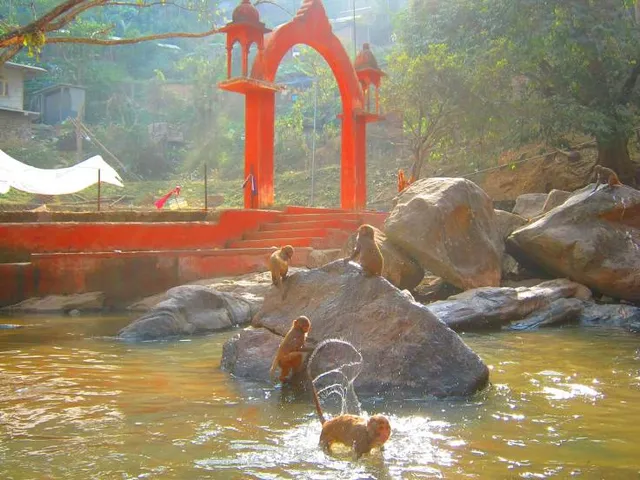
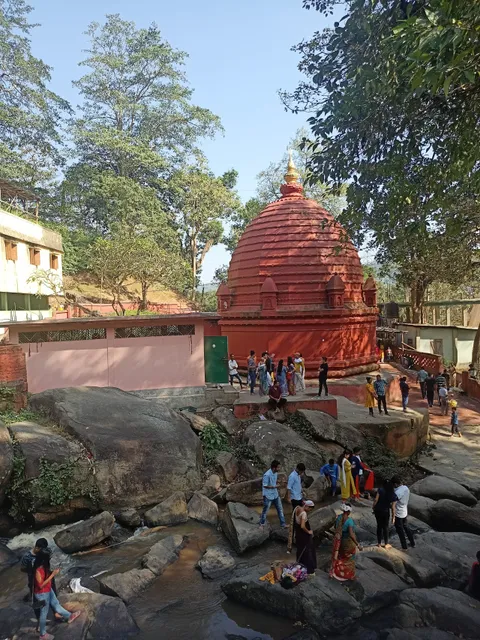
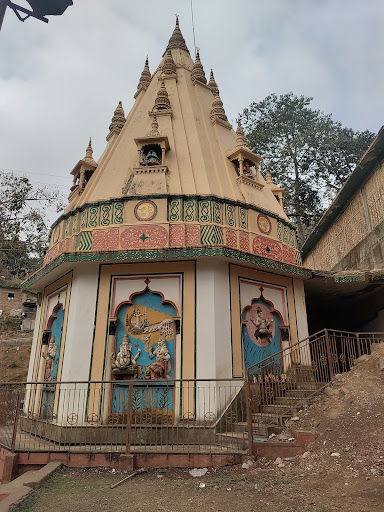
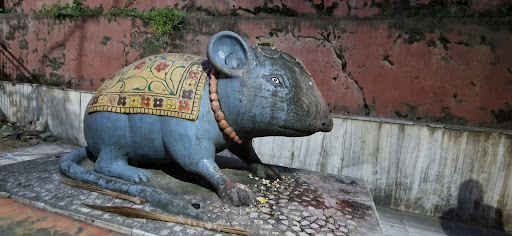
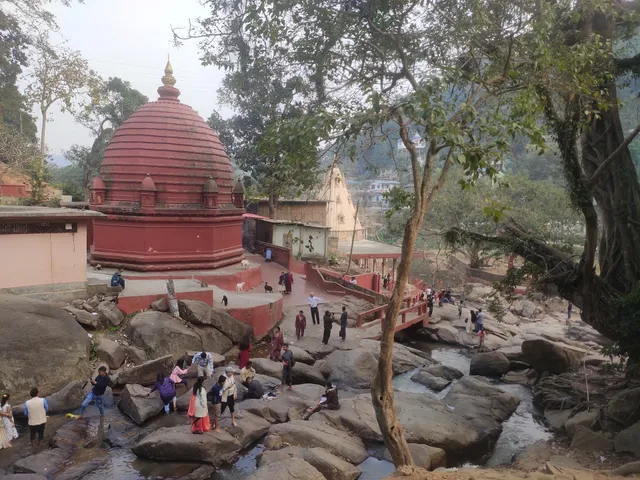
Bashishtha (or Vashishtha) Ashram and temple in Guwahati, Assam is an important landmark in the religious map of Assam. As per mythology, the great sage Bashishtha lived here in a cave and performed 'Tapasya' (religious rites) as it is a sacred place having the 'Triveni Sangam' (tri-confluence) of 3 rivers viz. Sandhya, Lalita/Laria and Kanta. Historically, the Ahom kings of Assam built a temple over the cave of Bashishtha. Later, the old temple was destroyed most probably by earthquake (the region is earthquake-prone), and much later a new temple was constructed at the same spot. Now there is a second temple dedicated to Lord Shiva, Goddess Durga and Lord Ganesha near the main temple. The place is naturally beautiful with hills all around. Three small mountain springs cascade down the rocky hills just behind the Bashishtha temple. These three springs are called Sandhya, Laria/Lalita and Kanta. They meet below to form the Triveni Sangam, and then flow down as a single stream named Bashishtha Ganga which ultimately flows into the great river Brahmaputra. The Bashishtha temple has a hall (Mandapa) in front and a cylindrical tall tower behind. The sanctum, which is few feet below the floor of the hall, is octagonal and it houses a big rock believed to be the combined form of Sage Bashishtha and Lord Shiva. It also houses a rock believed to be Goddess Tara (a form of Kali), and a Shiva Lingam which usually remain submerged in water. Outside the temple one can see the broken stone pieces of the older temple with a beautiful stone statue of Lord Rama/Vishnu. The second temple situated a step below the main temple houses in its octagonal sanctum a big rock believed to be a Shiva Lingam and two stone statues in high relief - one of Goddess Durga with 10 arms, and the other of Lord Ganesha. This temple, which has a big hall or Mandapa, has some beautiful stucco images of Lord Ganesha in different postures and forms in high relief work. In front of the hall, on one side there is a huge statue of a mouse, the Vahana (vehicle) of Lord Ganesha and the full size statue of the Sage Bashishtha in standing posture on the other side. The whole place has a strong holy flavour, and should be in the list of "must see" in Guwahati tour of everyone,...

   Read more
avatar
4.0
19w

The Basistha Temple in Guwahati has received mixed reviews regarding recent improvements. While the approach and entrance are generally considered clean and well-maintained, with a reduction in touts, the condition of the stream and surrounding areas has been criticized for litter and reduced water flow. Monkeys are also noted as a common presence and potential nuisance.

Positive aspects:

Improved cleanliness and order:

Reviews highlight a cleaner entrance and a more organized parking situation (though it's now paid).

Friendly staff:

The priests are generally described as friendly and not demanding money.

Spiritual atmosphere:

The temple's location and surroundings are praised for their serene and tranquil atmosphere, making it a good place for meditation and spiritual reflection.

Historical and cultural significance:

The temple's history as the ashram of the sage Basistha and its location amidst natural beauty add to its appeal.

Natural beauty:

The presence of a river, hills, and greenery around the temple is a major draw for visitors.

Areas needing improvement:

Water quality: Some reviewers have noted a reduction in the stream's flow and a decline in the water's cleanliness, making it unappealing for drinking directly.

Cleanliness of surrounding areas: Litter and waste are mentioned as concerns in areas near the temple and stream.

Monkey nuisance: Monkeys are a common sight and can be a nuisance to visitors.

Development and maintenance: Some reviews suggest that the temple and its surroundings could be better developed and maintained to enhance the visitor experience.

Accessibility: One review notes the lack of a wheelchair-accessible entrance.

Overall:

The Basistha Temple offers a peaceful and spiritually enriching experience, particularly for those seeking a connection with nature and history. However, improvements are needed in areas like cleanliness, water management, and monkey control to enhance the overall visitor experience and maintain the...

   Read more
avatar
5.0
2y

The Basistha Temple, nestled amidst lush greenery in Guwahati, India, offers a captivating spiritual retreat. The serene ambiance and the gentle sound of the Bhrahmaputra River flowing nearby create a tranquil atmosphere perfect for meditation and self-reflection.

The temple's historical significance, dating back to the Vedic period, adds to its allure. The architecture, showcasing a blend of Assamese and Hindu styles, is a sight to behold. The intricate carvings and sculptures on the walls depict stories from ancient scriptures, transporting visitors to a bygone era.

The temple's inner sanctum houses the deity Lord Shiva, and the rituals performed by the priests exude devotion and tradition. Witnessing the aarti (prayer ceremony) in the evenings fills the heart with a sense of divine connection.

The well-maintained premises offer a pleasant experience, with neatly landscaped gardens and clean pathways. The temple authorities have taken initiatives to preserve its heritage, making it a delight to explore.

Tourists and devotees alike throng to Basistha Temple, particularly during festivals like Shivratri and Ambubachi Mela. While this adds to the festive spirit, it can lead to overcrowding, making it challenging to have a calm and unhurried visit.

The temple's surroundings provide an opportunity for nature lovers to enjoy picturesque views and take peaceful strolls. The nearby waterfall and the cave known as 'Gupta-Basistha' are additional attractions worth exploring.

To enhance the overall experience, a few amenities could be improved, such as more seating areas for visitors to rest and contemplate.

Despite these minor drawbacks, Basistha Temple is a haven of spirituality, culture, and history. It offers a profound experience for those seeking solace and a chance to connect with the divine. Whether you are a devotee or an explorer, a visit to this temple is sure to leave a lasting impression on your...

   Read more
Page 1 of 7
Previous
Next

Posts

Asis ChatterjeeAsis Chatterjee
Bashishtha (or Vashishtha) Ashram and temple in Guwahati, Assam is an important landmark in the religious map of Assam. As per mythology, the great sage Bashishtha lived here in a cave and performed 'Tapasya' (religious rites) as it is a sacred place having the 'Triveni Sangam' (tri-confluence) of 3 rivers viz. Sandhya, Lalita/Laria and Kanta. Historically, the Ahom kings of Assam built a temple over the cave of Bashishtha. Later, the old temple was destroyed most probably by earthquake (the region is earthquake-prone), and much later a new temple was constructed at the same spot. Now there is a second temple dedicated to Lord Shiva, Goddess Durga and Lord Ganesha near the main temple. The place is naturally beautiful with hills all around. Three small mountain springs cascade down the rocky hills just behind the Bashishtha temple. These three springs are called Sandhya, Laria/Lalita and Kanta. They meet below to form the Triveni Sangam, and then flow down as a single stream named Bashishtha Ganga which ultimately flows into the great river Brahmaputra. The Bashishtha temple has a hall (Mandapa) in front and a cylindrical tall tower behind. The sanctum, which is few feet below the floor of the hall, is octagonal and it houses a big rock believed to be the combined form of Sage Bashishtha and Lord Shiva. It also houses a rock believed to be Goddess Tara (a form of Kali), and a Shiva Lingam which usually remain submerged in water. Outside the temple one can see the broken stone pieces of the older temple with a beautiful stone statue of Lord Rama/Vishnu. The second temple situated a step below the main temple houses in its octagonal sanctum a big rock believed to be a Shiva Lingam and two stone statues in high relief - one of Goddess Durga with 10 arms, and the other of Lord Ganesha. This temple, which has a big hall or Mandapa, has some beautiful stucco images of Lord Ganesha in different postures and forms in high relief work. In front of the hall, on one side there is a huge statue of a mouse, the Vahana (vehicle) of Lord Ganesha and the full size statue of the Sage Bashishtha in standing posture on the other side. The whole place has a strong holy flavour, and should be in the list of "must see" in Guwahati tour of everyone, religious or not.
Amar NathAmar Nath
The Basistha Temple in Guwahati has received mixed reviews regarding recent improvements. While the approach and entrance are generally considered clean and well-maintained, with a reduction in touts, the condition of the stream and surrounding areas has been criticized for litter and reduced water flow. Monkeys are also noted as a common presence and potential nuisance. Positive aspects: Improved cleanliness and order: Reviews highlight a cleaner entrance and a more organized parking situation (though it's now paid). Friendly staff: The priests are generally described as friendly and not demanding money. Spiritual atmosphere: The temple's location and surroundings are praised for their serene and tranquil atmosphere, making it a good place for meditation and spiritual reflection. Historical and cultural significance: The temple's history as the ashram of the sage Basistha and its location amidst natural beauty add to its appeal. Natural beauty: The presence of a river, hills, and greenery around the temple is a major draw for visitors. Areas needing improvement: Water quality: Some reviewers have noted a reduction in the stream's flow and a decline in the water's cleanliness, making it unappealing for drinking directly. Cleanliness of surrounding areas: Litter and waste are mentioned as concerns in areas near the temple and stream. Monkey nuisance: Monkeys are a common sight and can be a nuisance to visitors. Development and maintenance: Some reviews suggest that the temple and its surroundings could be better developed and maintained to enhance the visitor experience. Accessibility: One review notes the lack of a wheelchair-accessible entrance. Overall: The Basistha Temple offers a peaceful and spiritually enriching experience, particularly for those seeking a connection with nature and history. However, improvements are needed in areas like cleanliness, water management, and monkey control to enhance the overall visitor experience and maintain the temple's sanctity.
Rajdeep DuttaRajdeep Dutta
Nestled on the outskirts of Guwahati, amidst lush greenery and flowing streams, the Basistha Temple is more than just a place of worship — it’s a mystical retreat where history, mythology, and nature blend seamlessly. This 8th-century Shiva temple isn’t just another ancient shrine; it’s a spiritual oasis with a fascinating backstory. The Legend Behind the Temple The temple is believed to have been founded by the great sage Vasishtha (Basistha in Assamese), one of the Saptarishis of Hindu tradition. According to mythology, Vasishtha chose this serene location to meditate, and the Basistha Ashram that stands nearby is said to be where he spent his final days. Legend has it that he even attained moksha (liberation) here! Adding to the mystique, the temple stands on the banks of three mystical streams — Sandhya, Lalita, and Kanta — which are said to merge and form the mighty Bharalu River. The peaceful sound of these streams makes the temple even more enchanting. Why Visit Basistha Temple? 1. A Natural Escape – Surrounded by forests and hills, the temple offers a tranquil atmosphere — perfect for those seeking spiritual solace or simply a break from the city’s chaos. 2. Architectural Simplicity, Divine Grandeur – Unlike heavily ornamented temples, Basistha’s charm lies in its rustic stone-built structure, exuding an aura of timeless devotion. 3. Wild Encounters! – The temple sits at the entrance of the Garbhanga Reserve Forest, home to wild elephants! Spotting one on your visit? Now that’s divine intervention! Final Verdict? Whether you’re a devotee, a history enthusiast, or a nature lover, the Basistha Temple offers a rare mix of mythology, serenity, and adventure — a perfect place to lose yourself and find peace.
See more posts
See more posts
hotel
Find your stay

Pet-friendly Hotels in Assam

Find a cozy hotel nearby and make it a full experience.

Bashishtha (or Vashishtha) Ashram and temple in Guwahati, Assam is an important landmark in the religious map of Assam. As per mythology, the great sage Bashishtha lived here in a cave and performed 'Tapasya' (religious rites) as it is a sacred place having the 'Triveni Sangam' (tri-confluence) of 3 rivers viz. Sandhya, Lalita/Laria and Kanta. Historically, the Ahom kings of Assam built a temple over the cave of Bashishtha. Later, the old temple was destroyed most probably by earthquake (the region is earthquake-prone), and much later a new temple was constructed at the same spot. Now there is a second temple dedicated to Lord Shiva, Goddess Durga and Lord Ganesha near the main temple. The place is naturally beautiful with hills all around. Three small mountain springs cascade down the rocky hills just behind the Bashishtha temple. These three springs are called Sandhya, Laria/Lalita and Kanta. They meet below to form the Triveni Sangam, and then flow down as a single stream named Bashishtha Ganga which ultimately flows into the great river Brahmaputra. The Bashishtha temple has a hall (Mandapa) in front and a cylindrical tall tower behind. The sanctum, which is few feet below the floor of the hall, is octagonal and it houses a big rock believed to be the combined form of Sage Bashishtha and Lord Shiva. It also houses a rock believed to be Goddess Tara (a form of Kali), and a Shiva Lingam which usually remain submerged in water. Outside the temple one can see the broken stone pieces of the older temple with a beautiful stone statue of Lord Rama/Vishnu. The second temple situated a step below the main temple houses in its octagonal sanctum a big rock believed to be a Shiva Lingam and two stone statues in high relief - one of Goddess Durga with 10 arms, and the other of Lord Ganesha. This temple, which has a big hall or Mandapa, has some beautiful stucco images of Lord Ganesha in different postures and forms in high relief work. In front of the hall, on one side there is a huge statue of a mouse, the Vahana (vehicle) of Lord Ganesha and the full size statue of the Sage Bashishtha in standing posture on the other side. The whole place has a strong holy flavour, and should be in the list of "must see" in Guwahati tour of everyone, religious or not.
Asis Chatterjee

Asis Chatterjee

hotel
Find your stay

Affordable Hotels in Assam

Find a cozy hotel nearby and make it a full experience.

Get the Appoverlay
Get the AppOne tap to find yournext favorite spots!
The Basistha Temple in Guwahati has received mixed reviews regarding recent improvements. While the approach and entrance are generally considered clean and well-maintained, with a reduction in touts, the condition of the stream and surrounding areas has been criticized for litter and reduced water flow. Monkeys are also noted as a common presence and potential nuisance. Positive aspects: Improved cleanliness and order: Reviews highlight a cleaner entrance and a more organized parking situation (though it's now paid). Friendly staff: The priests are generally described as friendly and not demanding money. Spiritual atmosphere: The temple's location and surroundings are praised for their serene and tranquil atmosphere, making it a good place for meditation and spiritual reflection. Historical and cultural significance: The temple's history as the ashram of the sage Basistha and its location amidst natural beauty add to its appeal. Natural beauty: The presence of a river, hills, and greenery around the temple is a major draw for visitors. Areas needing improvement: Water quality: Some reviewers have noted a reduction in the stream's flow and a decline in the water's cleanliness, making it unappealing for drinking directly. Cleanliness of surrounding areas: Litter and waste are mentioned as concerns in areas near the temple and stream. Monkey nuisance: Monkeys are a common sight and can be a nuisance to visitors. Development and maintenance: Some reviews suggest that the temple and its surroundings could be better developed and maintained to enhance the visitor experience. Accessibility: One review notes the lack of a wheelchair-accessible entrance. Overall: The Basistha Temple offers a peaceful and spiritually enriching experience, particularly for those seeking a connection with nature and history. However, improvements are needed in areas like cleanliness, water management, and monkey control to enhance the overall visitor experience and maintain the temple's sanctity.
Amar Nath

Amar Nath

hotel
Find your stay

The Coolest Hotels You Haven't Heard Of (Yet)

Find a cozy hotel nearby and make it a full experience.

hotel
Find your stay

Trending Stays Worth the Hype in Assam

Find a cozy hotel nearby and make it a full experience.

Nestled on the outskirts of Guwahati, amidst lush greenery and flowing streams, the Basistha Temple is more than just a place of worship — it’s a mystical retreat where history, mythology, and nature blend seamlessly. This 8th-century Shiva temple isn’t just another ancient shrine; it’s a spiritual oasis with a fascinating backstory. The Legend Behind the Temple The temple is believed to have been founded by the great sage Vasishtha (Basistha in Assamese), one of the Saptarishis of Hindu tradition. According to mythology, Vasishtha chose this serene location to meditate, and the Basistha Ashram that stands nearby is said to be where he spent his final days. Legend has it that he even attained moksha (liberation) here! Adding to the mystique, the temple stands on the banks of three mystical streams — Sandhya, Lalita, and Kanta — which are said to merge and form the mighty Bharalu River. The peaceful sound of these streams makes the temple even more enchanting. Why Visit Basistha Temple? 1. A Natural Escape – Surrounded by forests and hills, the temple offers a tranquil atmosphere — perfect for those seeking spiritual solace or simply a break from the city’s chaos. 2. Architectural Simplicity, Divine Grandeur – Unlike heavily ornamented temples, Basistha’s charm lies in its rustic stone-built structure, exuding an aura of timeless devotion. 3. Wild Encounters! – The temple sits at the entrance of the Garbhanga Reserve Forest, home to wild elephants! Spotting one on your visit? Now that’s divine intervention! Final Verdict? Whether you’re a devotee, a history enthusiast, or a nature lover, the Basistha Temple offers a rare mix of mythology, serenity, and adventure — a perfect place to lose yourself and find peace.
Rajdeep Dutta

Rajdeep Dutta

See more posts
See more posts