HTML SitemapExplore
logo
Find Things to DoFind The Best Restaurants

Dibru Saikhowa National Park — Attraction in Assam

Name
Dibru Saikhowa National Park
Description
Dibru-Saikhowa National Park is a national park located in Dibrugarh and Tinsukia districts, Assam, India. It was designated a Biosphere Reserve in July 1997 with an area of 765 km², including a core area of 340 km² and a buffer zone of 425 km².
Nearby attractions
Nearby restaurants
Nearby hotels
Related posts
Keywords
Dibru Saikhowa National Park tourism.Dibru Saikhowa National Park hotels.Dibru Saikhowa National Park bed and breakfast. flights to Dibru Saikhowa National Park.Dibru Saikhowa National Park attractions.Dibru Saikhowa National Park restaurants.Dibru Saikhowa National Park travel.Dibru Saikhowa National Park travel guide.Dibru Saikhowa National Park travel blog.Dibru Saikhowa National Park pictures.Dibru Saikhowa National Park photos.Dibru Saikhowa National Park travel tips.Dibru Saikhowa National Park maps.Dibru Saikhowa National Park things to do.
Dibru Saikhowa National Park things to do, attractions, restaurants, events info and trip planning
Dibru Saikhowa National Park
IndiaAssamDibru Saikhowa National Park

Basic Info

Dibru Saikhowa National Park

M997+J27, Laika Gaon, Assam 786150, India
4.3(408)
Closed
Save
spot

Ratings & Description

Info

Dibru-Saikhowa National Park is a national park located in Dibrugarh and Tinsukia districts, Assam, India. It was designated a Biosphere Reserve in July 1997 with an area of 765 km², including a core area of 340 km² and a buffer zone of 425 km².

Outdoor
Adventure
Scenic
Family friendly
Pet friendly
Off the beaten path
attractions: , restaurants:
logoLearn more insights from Wanderboat AI.
Website
assamtourismonline.com
Open hoursSee all hours
Sat9 AM - 5 PMClosed

Plan your stay

hotel
Pet-friendly Hotels in Assam
Find a cozy hotel nearby and make it a full experience.
hotel
Affordable Hotels in Assam
Find a cozy hotel nearby and make it a full experience.
hotel
The Coolest Hotels You Haven't Heard Of (Yet)
Find a cozy hotel nearby and make it a full experience.
hotel
Trending Stays Worth the Hype in Assam
Find a cozy hotel nearby and make it a full experience.

Reviews

Get the Appoverlay
Get the AppOne tap to find yournext favorite spots!
Wanderboat LogoWanderboat

Your everyday Al companion for getaway ideas

CompanyAbout Us
InformationAI Trip PlannerSitemap
SocialXInstagramTiktokLinkedin
LegalTerms of ServicePrivacy Policy

Get the app

© 2025 Wanderboat. All rights reserved.
logo

Posts

Let's GoLet's Go
DIBRU SAIKHOWA NATIONAL PARK Wish to see asylum for some imperiled species and wealthy in fish assorted variety. National Park situated in Dibrugarh, Tinsukia areas, Assam called Dibru-Saikhowa National Park. It is one of only a handful few staying ensured destinations in the Endemic Bird Area of the Assamese Plains. It was assigned a Biosphere Reserve in July 1997. It is situated at around 12 km (7.5 mi) north of Tinsukia town. The recreation center is limited by the Brahmaputra and Lohit Rivers in the north and Dibru stream in the south. It, for the most part, comprises of clammy blended semi-evergreen woods, damp blended deciduous backwoods, canebrakes, and prairies. It is the biggest salix marsh timberland in north-eastern India, with a tropical storm atmosphere with a blistering and wet summer and cool and typically dry winter. Flora: The woods of Dibru-Saikhowa comprises of semi-evergreen timberlands, deciduous, littoral and bog backwoods and patches of wet evergreen woodlands. The national park is about 35.84% clammy blended backwoods, 9.50% corrupted woods and 21.25% field. Fauna: Warm-blooded creatures: 36 well-evolved creature species have been recorded, of which 12 are recorded in Schedule 1 of the Wildlife (Protection) Act of 1972. Species incorporate Bengal tiger, Indian panther, obfuscated panther, wilderness feline, sloth bear, dhole, little Indian civet, and so on… Reptiles: Two types of screen reptile, eight turtle species, and eight snake species have been recorded. Birds: recorded incorporate more prominent aide, ferruginous pochard, Jerdon’s babbler, dark-breasted parrotbill, swamp babbler, puff-throated babbler, Jerdon’s shrubbery visit, rufous-rumped grassbird, and so on… Initially made to help preserve the natural surroundings of the uncommon white-winged wood duck, the recreation center is likewise home to other uncommon animals, for example, water wild ox, dark-breasted parrotbill, tiger and topped langur. The recreation center additionally has some eco-lodges. Nearby Places:  Charaideo, Talatal Ghar, Sibsagar. Best Time to visit: November to April is the perfect time for a visit to Dibru-Saikhowa national park. Peak Season: December to February. How to Reach By Air: The closest air terminal is arranged Mohanbari, Dibrugarh, which is 40 km. away from the recreation center. The other air terminal is situated at Guwahati, 500 km. By Rail: Distance from Tinsukia railroad station to Guijan and Dhola section point is 10 km and 50 individually. By Road: Regular transports employ to and from Tinsukia, which is all around associated with all the real urban areas of Assam. Popular Restaurants: Tai Tou Maet, Black Forest, Thai Cinnamon, Dim Yum Cafe, Royal Kitchen, Laziz PizzaManimuni Plus, Meat and Eat etc
Kunal BhoirKunal Bhoir
Dibru-Saikhowa is a safe haven for many extremely rare and endangered species of wild life including over 300 avifauna both endangered and migratory, as well as various species of shrubs, herbs and rare medicinal plants. The Dibru- Saikhowa National Park, Assam is also an ideal place for various adventure sports. The rugged landscape of the forest is ideal for trekking and mountain hiking trips. Though the park was primarily meant for the conservation of White winged wood duck in its natural habitat, it is also the famous for its bright colored wild horses known as Feral Horses. Though the park was primarily meant for the conservation of White winged wood duck in its natural habitat, it is also the famous for its bright colored wild horses known as Feral Horses. Dominant fauna Mammals – Feral Horses, Hoolock gibbon, Capped langur, Slow loris, Water buffalo, Tiger, Elephant, Gangetic river dolphin, , Leopard, Clouded Leopard, Jungle Cat, Sloth Bear, Dhole, Small Indian Civet, Malayan Giant Squirrel, Chinese Pangolin, Gangetic Dolphin, Slow Loris, Pig Tailed Macaque, Assamese Macaque, Rhesus Macaque, Capped Langur, Wild Boar, Sambar, and Hog Deer, barking Deer etc. Birds – White-winged wood duck, Spot billed pelican, White bellied heron, Pallah’s fishing eagle, Pale capped pigeon, Swamp francolin, Geyleg goose, Brahmini duck, Bar-headed goose, Pelican, Lesser Adjutant Stork, Great Grebe, Indian Shag, Grey Heron, Purple Heron, Night Heron, Yellow Bittern, Open bill Stork, Black Stork, Crested Serpent Eagle, Spot Billed Pelican, Greater Spotted Eagle, Bengal Florican etc. Best Time to Visit November to April is the best season to visit Dibru Saikhowa National Park. How to Reach By Air – Nearest airport is Mohanbari (Dibrugarh) airport, about 40 Km from the Dibru-Saikhowa National Park. Mohanbari (Dibrugarh) airport is well connected by road to Dibru-Saikhowa National Park. By Rail – Nearest railway station is Dibrugarh railway station. Dibrugarh railway station is well connected by road to Dibru-Saikhowa National Park. By Road – Dibru-Saikhowa National Park is well connected to Major Cities and Places by road network. Buses can be taken to the town of Tinsukia which is well connected with Dibrugarh town by NH. 37 and the distance is 55 km. There are a number of government and privately operated vehicles that go to Dibru-Saikhowa National Park at frequent intervals.
Rinto ChaudhuryRinto Chaudhury
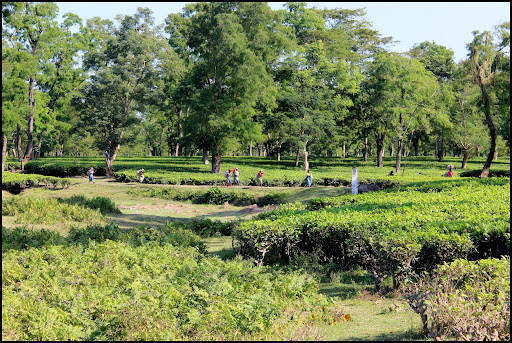
Dibru-Saikhowa National Park is a national park located in Dibrugarh and Tinsukia districts, Assam, India. It was designated a Biosphere Reserve in July 1997 with an area of 765 km2 (295 sq mi), including a core area of 340 km2 (130 sq mi) and a buffer zone of 425 km2 (164 sq mi. It is located at about 12 km (7.5 mi) north of Tinsukia town at an average elevation of 118 m (387 ft), ranging from 110 to 126 m (361 to 413 ft). The park is bounded by the Brahmaputra and Lohit Rivers in the north and Dibru River in the south. It mainly consists of moist mixed semi-evergreen forests, moist mixed deciduous forests, canebrakes and grasslands. It is the largest salix swamp forest in north-eastern India, with a tropical monsoon climate with a hot and wet summer and cool and usually dry winter. Annual rainfall ranges from 2,300 to 3,800 mm (91 to 150 in). It is a haven for many endangered species and rich in fish diversity It is located at about 12 km (7.5 mi) north of Tinsukia town at an average elevation of 118 m (387 ft), ranging from 110 to 126 m (361 to 413 ft). The park is bounded by the Brahmaputra and Lohit Rivers in the north and Dibru River in the south. It mainly consists of moist mixed semi-evergreen forests, moist mixed deciduous forests, canebrakes and grasslands. It is the largest salix swamp forest in north-eastern India, with a tropical monsoon climate with a hot and wet summer and cool and usually dry winter. Annual rainfall ranges from 2,300 to 3,800 mm (91 to 150 in). It is a haven for many endangered species and rich in fish diversity.[1][2] In December 2020, Gauhati highcourt stayed a permission given to Oil India Limited for hydrocarbon exploration at seven locations inside the protected area.
See more posts
See more posts
hotel
Find your stay

Pet-friendly Hotels in Assam

Find a cozy hotel nearby and make it a full experience.

DIBRU SAIKHOWA NATIONAL PARK Wish to see asylum for some imperiled species and wealthy in fish assorted variety. National Park situated in Dibrugarh, Tinsukia areas, Assam called Dibru-Saikhowa National Park. It is one of only a handful few staying ensured destinations in the Endemic Bird Area of the Assamese Plains. It was assigned a Biosphere Reserve in July 1997. It is situated at around 12 km (7.5 mi) north of Tinsukia town. The recreation center is limited by the Brahmaputra and Lohit Rivers in the north and Dibru stream in the south. It, for the most part, comprises of clammy blended semi-evergreen woods, damp blended deciduous backwoods, canebrakes, and prairies. It is the biggest salix marsh timberland in north-eastern India, with a tropical storm atmosphere with a blistering and wet summer and cool and typically dry winter. Flora: The woods of Dibru-Saikhowa comprises of semi-evergreen timberlands, deciduous, littoral and bog backwoods and patches of wet evergreen woodlands. The national park is about 35.84% clammy blended backwoods, 9.50% corrupted woods and 21.25% field. Fauna: Warm-blooded creatures: 36 well-evolved creature species have been recorded, of which 12 are recorded in Schedule 1 of the Wildlife (Protection) Act of 1972. Species incorporate Bengal tiger, Indian panther, obfuscated panther, wilderness feline, sloth bear, dhole, little Indian civet, and so on… Reptiles: Two types of screen reptile, eight turtle species, and eight snake species have been recorded. Birds: recorded incorporate more prominent aide, ferruginous pochard, Jerdon’s babbler, dark-breasted parrotbill, swamp babbler, puff-throated babbler, Jerdon’s shrubbery visit, rufous-rumped grassbird, and so on… Initially made to help preserve the natural surroundings of the uncommon white-winged wood duck, the recreation center is likewise home to other uncommon animals, for example, water wild ox, dark-breasted parrotbill, tiger and topped langur. The recreation center additionally has some eco-lodges. Nearby Places:  Charaideo, Talatal Ghar, Sibsagar. Best Time to visit: November to April is the perfect time for a visit to Dibru-Saikhowa national park. Peak Season: December to February. How to Reach By Air: The closest air terminal is arranged Mohanbari, Dibrugarh, which is 40 km. away from the recreation center. The other air terminal is situated at Guwahati, 500 km. By Rail: Distance from Tinsukia railroad station to Guijan and Dhola section point is 10 km and 50 individually. By Road: Regular transports employ to and from Tinsukia, which is all around associated with all the real urban areas of Assam. Popular Restaurants: Tai Tou Maet, Black Forest, Thai Cinnamon, Dim Yum Cafe, Royal Kitchen, Laziz PizzaManimuni Plus, Meat and Eat etc
Let's Go

Let's Go

hotel
Find your stay

Affordable Hotels in Assam

Find a cozy hotel nearby and make it a full experience.

Get the Appoverlay
Get the AppOne tap to find yournext favorite spots!
Dibru-Saikhowa is a safe haven for many extremely rare and endangered species of wild life including over 300 avifauna both endangered and migratory, as well as various species of shrubs, herbs and rare medicinal plants. The Dibru- Saikhowa National Park, Assam is also an ideal place for various adventure sports. The rugged landscape of the forest is ideal for trekking and mountain hiking trips. Though the park was primarily meant for the conservation of White winged wood duck in its natural habitat, it is also the famous for its bright colored wild horses known as Feral Horses. Though the park was primarily meant for the conservation of White winged wood duck in its natural habitat, it is also the famous for its bright colored wild horses known as Feral Horses. Dominant fauna Mammals – Feral Horses, Hoolock gibbon, Capped langur, Slow loris, Water buffalo, Tiger, Elephant, Gangetic river dolphin, , Leopard, Clouded Leopard, Jungle Cat, Sloth Bear, Dhole, Small Indian Civet, Malayan Giant Squirrel, Chinese Pangolin, Gangetic Dolphin, Slow Loris, Pig Tailed Macaque, Assamese Macaque, Rhesus Macaque, Capped Langur, Wild Boar, Sambar, and Hog Deer, barking Deer etc. Birds – White-winged wood duck, Spot billed pelican, White bellied heron, Pallah’s fishing eagle, Pale capped pigeon, Swamp francolin, Geyleg goose, Brahmini duck, Bar-headed goose, Pelican, Lesser Adjutant Stork, Great Grebe, Indian Shag, Grey Heron, Purple Heron, Night Heron, Yellow Bittern, Open bill Stork, Black Stork, Crested Serpent Eagle, Spot Billed Pelican, Greater Spotted Eagle, Bengal Florican etc. Best Time to Visit November to April is the best season to visit Dibru Saikhowa National Park. How to Reach By Air – Nearest airport is Mohanbari (Dibrugarh) airport, about 40 Km from the Dibru-Saikhowa National Park. Mohanbari (Dibrugarh) airport is well connected by road to Dibru-Saikhowa National Park. By Rail – Nearest railway station is Dibrugarh railway station. Dibrugarh railway station is well connected by road to Dibru-Saikhowa National Park. By Road – Dibru-Saikhowa National Park is well connected to Major Cities and Places by road network. Buses can be taken to the town of Tinsukia which is well connected with Dibrugarh town by NH. 37 and the distance is 55 km. There are a number of government and privately operated vehicles that go to Dibru-Saikhowa National Park at frequent intervals.
Kunal Bhoir

Kunal Bhoir

hotel
Find your stay

The Coolest Hotels You Haven't Heard Of (Yet)

Find a cozy hotel nearby and make it a full experience.

hotel
Find your stay

Trending Stays Worth the Hype in Assam

Find a cozy hotel nearby and make it a full experience.

Dibru-Saikhowa National Park is a national park located in Dibrugarh and Tinsukia districts, Assam, India. It was designated a Biosphere Reserve in July 1997 with an area of 765 km2 (295 sq mi), including a core area of 340 km2 (130 sq mi) and a buffer zone of 425 km2 (164 sq mi. It is located at about 12 km (7.5 mi) north of Tinsukia town at an average elevation of 118 m (387 ft), ranging from 110 to 126 m (361 to 413 ft). The park is bounded by the Brahmaputra and Lohit Rivers in the north and Dibru River in the south. It mainly consists of moist mixed semi-evergreen forests, moist mixed deciduous forests, canebrakes and grasslands. It is the largest salix swamp forest in north-eastern India, with a tropical monsoon climate with a hot and wet summer and cool and usually dry winter. Annual rainfall ranges from 2,300 to 3,800 mm (91 to 150 in). It is a haven for many endangered species and rich in fish diversity It is located at about 12 km (7.5 mi) north of Tinsukia town at an average elevation of 118 m (387 ft), ranging from 110 to 126 m (361 to 413 ft). The park is bounded by the Brahmaputra and Lohit Rivers in the north and Dibru River in the south. It mainly consists of moist mixed semi-evergreen forests, moist mixed deciduous forests, canebrakes and grasslands. It is the largest salix swamp forest in north-eastern India, with a tropical monsoon climate with a hot and wet summer and cool and usually dry winter. Annual rainfall ranges from 2,300 to 3,800 mm (91 to 150 in). It is a haven for many endangered species and rich in fish diversity.[1][2] In December 2020, Gauhati highcourt stayed a permission given to Oil India Limited for hydrocarbon exploration at seven locations inside the protected area.
Rinto Chaudhury

Rinto Chaudhury

See more posts
See more posts

Reviews of Dibru Saikhowa National Park

4.3
(408)
avatar
5.0
4y

DIBRU SAIKHOWA NATIONAL PARK

Wish to see asylum for some imperiled species and wealthy in fish assorted variety. National Park situated in Dibrugarh, Tinsukia areas, Assam called Dibru-Saikhowa National Park. It is one of only a handful few staying ensured destinations in the Endemic Bird Area of the Assamese Plains. It was assigned a Biosphere Reserve in July 1997. It is situated at around 12 km (7.5 mi) north of Tinsukia town. The recreation center is limited by the Brahmaputra and Lohit Rivers in the north and Dibru stream in the south. It, for the most part, comprises of clammy blended semi-evergreen woods, damp blended deciduous backwoods, canebrakes, and prairies. It is the biggest salix marsh timberland in north-eastern India, with a tropical storm atmosphere with a blistering and wet summer and cool and typically dry winter.

Flora: The woods of Dibru-Saikhowa comprises of semi-evergreen timberlands, deciduous, littoral and bog backwoods and patches of wet evergreen woodlands. The national park is about 35.84% clammy blended backwoods, 9.50% corrupted woods and 21.25% field.

Fauna:

Warm-blooded creatures: 36 well-evolved creature species have been recorded, of which 12 are recorded in Schedule 1 of the Wildlife (Protection) Act of 1972. Species incorporate Bengal tiger, Indian panther, obfuscated panther, wilderness feline, sloth bear, dhole, little Indian civet, and so on…

Reptiles: Two types of screen reptile, eight turtle species, and eight snake species have been recorded.

Birds: recorded incorporate more prominent aide, ferruginous pochard, Jerdon’s babbler, dark-breasted parrotbill, swamp babbler, puff-throated babbler, Jerdon’s shrubbery visit, rufous-rumped grassbird, and so on…

Initially made to help preserve the natural surroundings of the uncommon white-winged wood duck, the recreation center is likewise home to other uncommon animals, for example, water wild ox, dark-breasted parrotbill, tiger and topped langur. The recreation center additionally has some eco-lodges.

Nearby Places:  Charaideo, Talatal Ghar, Sibsagar.

Best Time to visit: November to April is the perfect time for a visit to Dibru-Saikhowa national park.

Peak Season: December to February.

How to Reach

By Air: The closest air terminal is arranged Mohanbari, Dibrugarh, which is 40 km. away from the recreation center. The other air terminal is situated at Guwahati, 500 km.

By Rail: Distance from Tinsukia railroad station to Guijan and Dhola section point is 10 km and 50 individually.

By Road: Regular transports employ to and from Tinsukia, which is all around associated with all the real urban areas of Assam.

Popular Restaurants: Tai Tou Maet, Black Forest, Thai Cinnamon, Dim Yum Cafe, Royal Kitchen, Laziz PizzaManimuni Plus,...

   Read more
avatar
4.0
3y

FloraEdit

The forest of Dibru-Saikhowa consists of semi-evergreen forests, deciduous, littoral and swamp forests and patches of wet evergreen forests. The national park is about 35.84% moist mixed forest, 9.50% degraded forest and 21.25% grassland. Major tree species of the area are tetrasperma, Dillenia indica, Bischofia javanica, Bombax ceiba, Lagerstroemia parviflora, Terminalia myriocarpa, Mesua ferrea, Dalbergia sissoo, and Ficus. Arundo donax, Imperata cylindrica, Phragmites karka, Saccharum ravennae are principal types of grasses in the national park.[5] 35 species of epiphytic orchids and 8 species of terrestrial orchid are recorded.[6]

FaunaEdit

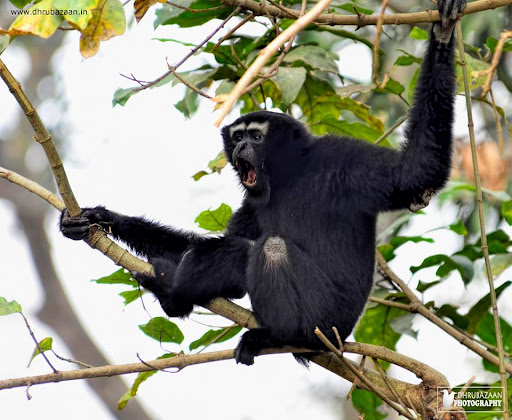
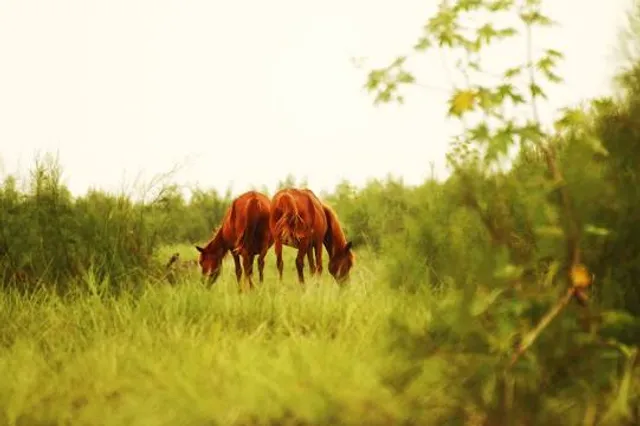
Mammals: 36 mammal species have been recorded, of which 12 are listed in Schedule 1 of the Wildlife (Protection) Act of 1972.[7] Species include Bengal tiger, Indian leopard, clouded leopard, jungle cat, sloth bear, dhole, small Indian civet, Malayan giant squirrel, Chinese pangolin, Ganges dolphin, slow loris, pig tailed macaque, Assamese macaque, rhesus macaque, capped langur, Hoolock gibbon, Asian elephant, wild boar, Sambar deer, hog deer, barking deer, Asiatic water buffalo,[8] and feral horse.[9] The park is one of the few places in the world which is home to feral horses. They are descendants of horses who bolted out of stables set up by the British Army in and around Tinsukia during World War II.[10]

Reptiles: two species of monitor lizard, eight turtle species and eight snake species have been recorded.[citation needed]

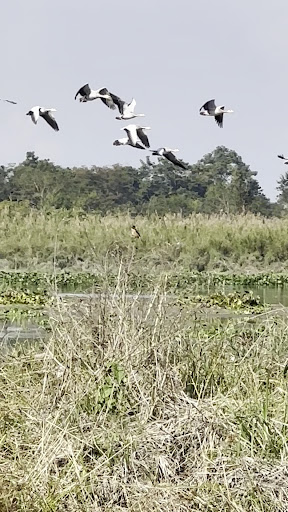
Birds recorded include greater adjutant, ferruginous pochard, Jerdon's babbler, black-breasted parrotbill, marsh babbler, puff-throated babbler, Jerdon's bushchat, rufous-rumped grassbird, chestnut-crowned bush warbler,[11] swamp francolin, spot-billed pelican, white-bellied heron, grey heron, purple heron, black-crowned night heron, yellow bittern, Asian openbill,lesser adjutant, white-necked stork, black stork, black-necked stork, glossy ibis, fulvous whistling-duck, bar-headed goose, greylag goose, northern pintail, common shelduck, white-winged wood duck, Indian spot-billed duck, Baer's pochard, white-tailed eagle, Pallas's fish eagle, grey-headed fish eagle, greater spotted eagle, Himalayan griffon, white-backed vulture, slender-billed vulture, osprey, crested serpent-eagle, lesser kestrel, Sarus crane, Bengal florican, brown fish owl, great pied hornbill, spotted redshank, greenshank,...

   Read more

avatar
5.0
6y

Dibru-Saikhowa is a safe haven for many extremely rare and endangered species of wild life including over 300 avifauna both endangered and migratory, as well as various species of shrubs, herbs and rare medicinal plants.

The Dibru- Saikhowa National Park, Assam is also an ideal place for various adventure sports. The rugged landscape of the forest is ideal for trekking and mountain hiking trips.

Though the park was primarily meant for the conservation of White winged wood duck in its natural habitat, it is also the famous for its bright colored wild horses known as Feral Horses.

Though the park was primarily meant for the conservation of White winged wood duck in its natural habitat, it is also the famous for its bright colored wild horses known as Feral Horses.

Dominant fauna

Mammals – Feral Horses, Hoolock gibbon, Capped langur, Slow loris, Water buffalo, Tiger, Elephant, Gangetic river dolphin, , Leopard, Clouded Leopard, Jungle Cat, Sloth Bear, Dhole, Small Indian Civet, Malayan Giant Squirrel, Chinese Pangolin, Gangetic Dolphin, Slow Loris, Pig Tailed Macaque, Assamese Macaque, Rhesus Macaque, Capped Langur, Wild Boar, Sambar, and Hog Deer, barking Deer etc.

Birds – White-winged wood duck, Spot billed pelican, White bellied heron, Pallah’s fishing eagle, Pale capped pigeon, Swamp francolin, Geyleg goose, Brahmini duck, Bar-headed goose, Pelican, Lesser Adjutant Stork, Great Grebe, Indian Shag, Grey Heron, Purple Heron, Night Heron, Yellow Bittern, Open bill Stork, Black Stork, Crested Serpent Eagle, Spot Billed Pelican, Greater Spotted Eagle, Bengal Florican etc.

Best Time to Visit

November to April is the best season to visit Dibru Saikhowa National Park.

How to Reach

By Air – Nearest airport is Mohanbari (Dibrugarh) airport, about 40 Km from the Dibru-Saikhowa National Park. Mohanbari (Dibrugarh) airport is well connected by road to Dibru-Saikhowa National Park.

By Rail – Nearest railway station is Dibrugarh railway station. Dibrugarh railway station is well connected by road to Dibru-Saikhowa National Park.

By Road – Dibru-Saikhowa National Park is well connected to Major Cities and Places by road network. Buses can be taken to the town of Tinsukia which is well connected with Dibrugarh town by NH. 37 and the distance is 55 km.

There are a number of government and privately operated vehicles that go to Dibru-Saikhowa National Park at...

   Read more
Page 1 of 7
Previous
Next