Orang National Park, often called the "Mini Kaziranga" due to its similar landscape and wildlife, offers a rich and rewarding wildlife experience in Assam, India. While smaller than its more famous counterpart, Orang packs a punch in terms of biodiversity and offers a more intimate and less crowded safari experience. The park's landscape is characterized by [describe the landscape - e.g., grasslands, swamps, and riverine forests, similar to Kaziranga]. This diverse habitat supports a variety of wildlife, making it a haven for nature enthusiasts. [Mention some of the key species found in the park - e.g., Indian rhinoceros, tiger, leopard, elephant, various deer species, numerous bird species]. The park is particularly known for its rhino population, and like Kaziranga, it plays a vital role in their conservation. Exploring Orang National Park typically involves jeep safaris, which provide the primary means of wildlife viewing. [Describe the safari experience - e.g., How long are the safaris? How close do you get to the animals? Are there knowledgeable guides who can provide information about the flora and fauna?]. The thrill of encountering a rhino, a tiger, or an elephant in its natural habitat is a truly memorable experience. [Mention any specific features of the park that stand out - e.g., watchtowers for elevated viewing, river cruises (if available), a visitor center with educational exhibits]. [Mention any research or conservation efforts being conducted in the park]. [Mention some practical considerations for visitors - e.g., best time to visit (typically during the dry season), what to bring (comfortable clothing, binoculars, camera), accommodation options near the park, permit requirements and booking procedures for safaris]. [Mention any ethical guidelines for wildlife viewing - e.g., maintaining a safe distance, minimizing noise, respecting the animals' natural behavior]. Orang National Park offers a fantastic opportunity to experience the wildlife of Assam in a less crowded and more accessible setting than Kaziranga. It's a great choice for wildlife enthusiasts, photographers, and anyone who appreciates the beauty and diversity of the natural world. Its compact size makes it ideal for those who want a focused and rewarding wildlife experience without the vastness and crowds of some...
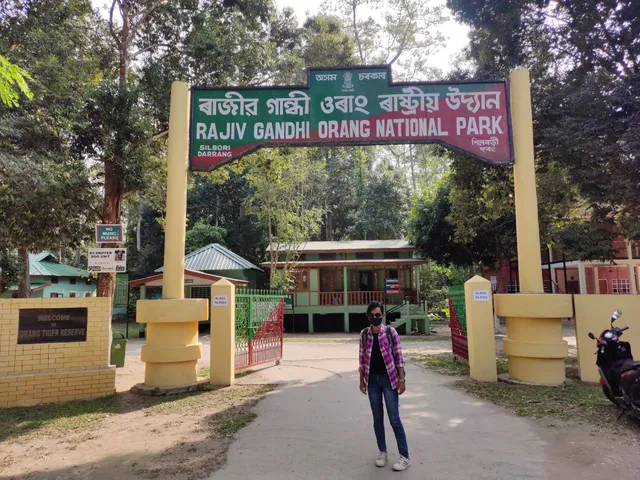
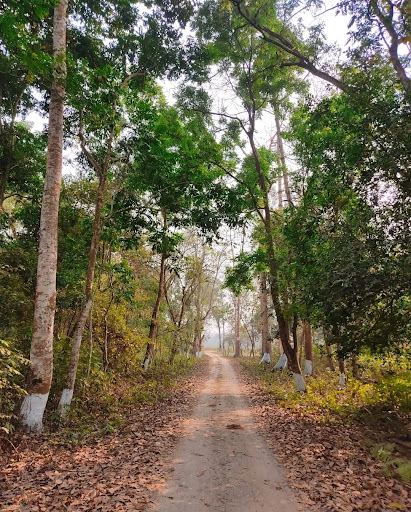
Read moreOrang National Park, located in the Darrang and Sonitpur districts of Assam, India, is a haven for biodiversity enthusiasts and nature lovers alike. Spanning over an area of approximately 79 square kilometers, this national park is celebrated for its rich and diverse ecosystem, encompassing dense forests, marshes, grasslands, and the majestic Brahmaputra River flowing alongside its boundaries.
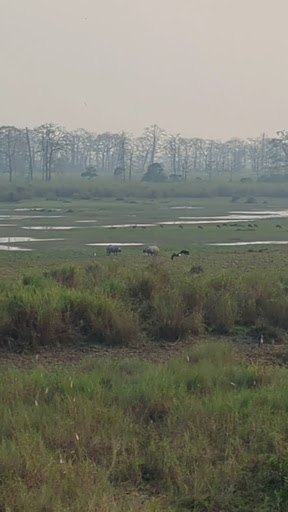
One of the park's defining features is its wetland habitats, which provide a crucial refuge for various species of flora and fauna, including the endangered Indian one-horned rhinoceros, which is the park's flagship species. Orang National Park also shelters other notable mammals such as elephants, tigers, wild boars, sambar deer, and water buffaloes.
Birdwatchers flock to Orang to catch glimpses of the park's avian residents, which include a plethora of migratory and resident bird species. Among them are the Bengal florican, the great Indian hornbill, the spot-billed pelican, and the ruddy shelduck, making it a paradise for bird enthusiasts.
Apart from its charismatic megafauna and avifauna, Orang National Park is home to a diverse array of reptiles, amphibians, and fish species, contributing to its ecological significance. The park's marshy grasslands are inhabited by species like the endangered Ganges River dolphin, the Indian python, king cobra, and various species of turtles and frogs.
Visitors to Orang National Park can explore its natural wonders through guided safaris, boat rides along the Brahmaputra River, and nature walks, offering opportunities for immersive wildlife encounters and birdwatching experiences. Additionally, the park's picturesque landscapes and tranquil ambiance make it an ideal destination for eco-tourism and nature photography.
Despite its relatively smaller size compared to other national parks in India, Orang's ecological importance and remarkable biodiversity make it a gem worth preserving. Conservation efforts aimed at protecting its delicate ecosystem and promoting sustainable tourism are essential for ensuring the continued survival of its wildlife and maintaining its status as a biodiversity hotspot...
Read moreOrang National park is the oldest game reserve of the State just on the northern bank of river Brahmaputra with an area of 78.80 sq. kms and it is an important breeding ground for varieties of Fishes.
It is located on the north bank of the Brahmaputra River in the Darrang and Sonitpur districts of Assam, India. It was established as a sanctuary in 1985 and declared a National Park on 13 April 1999. It is also known as the mini Kaziranga National Park (IUCN site) since the two parks have a similar landscape made up of marshes, streams and grasslands and are inhabited by the Great Indian One-Horned Rhinoceros. The park has a rich flora and fauna, including Great Indian One-Horned Rhinoceros, pigmy hog, elephants, wild buffalo and tigers. It is the only stronghold of rhinoceros on the north bank of the Brahmaputra river. Some important species of the critically endangered and endangered category are the following.
The pygmy hog, a small wild pig, is critically endangered, C2a(ii) ver 3.1 as per IUCN listing, and is limited to about 75 animals in captivity, confined to a very few locations in and around north-western Assam, including the Orang National Park where it has been introduced.9] Other mammals reported are the blind Gangetic dolphin, Indian pangolin, hog deer (Axis porcinus), rhesus macaque, Bengal porcupine, Indian fox, small Indian civet, otter, leopard cat (Prionailurus bengalensis), fishing cat (Felis viverrina) and jungle cat (Felis chaus).[4[8]
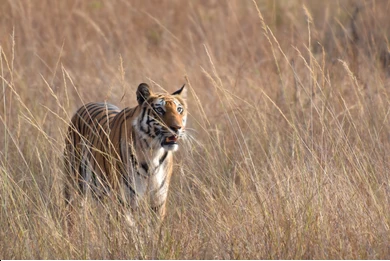
The royal Bengal tiger (Panthera tigris tigris), categorized as endangered on the IUCN Red List (IUCN, 2008), has an estimated population of about 19 (data source:Forest Department of Assam; census year 2000, based on pug marks) in the park.[7]
The great Indian one-horned rhinoceros (Rhinoceros unicornis) even though well conserved now in many national parks and in captivity, is still in the endangered list of IUCN and its population is estimated at 68, as per census carried out by the forest...
Read more