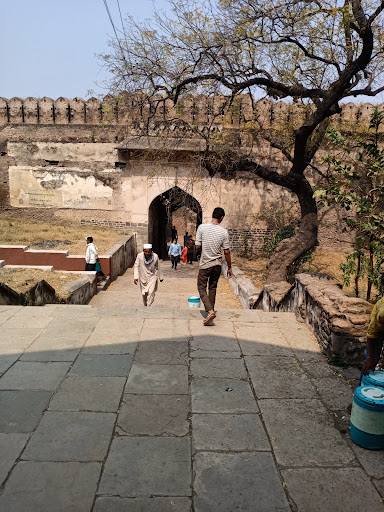
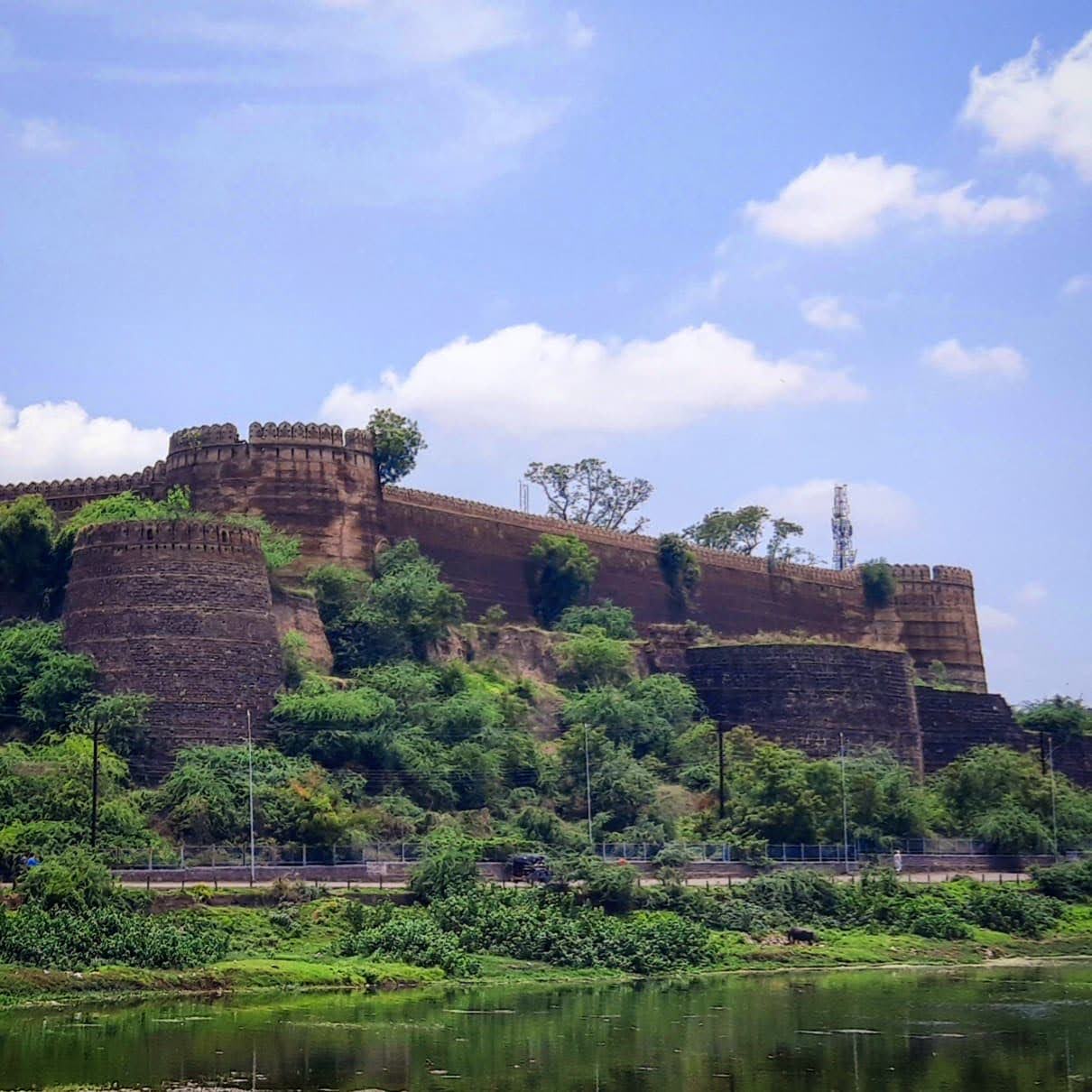
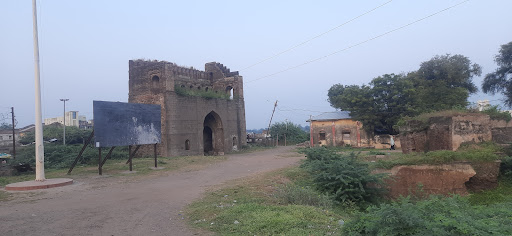
Balapur Fort is a significant historical fort located in the town of Balapur, in the Akola district of Maharashtra, India. It's a notable example of Mughal architecture and military engineering.
Here's a detailed look at Balapur Fort:
History and Construction:
Mughal Origins: The construction of Balapur Fort was initiated by Mirza Azam Shah, the son of Mughal Emperor Aurangzeb, in 1721 AD.
Completion: The fort was completed later, in 1757 AD, by Ismaeel Khan, who was the Nawab of Elichpur (present-day Achalpur in Amravati District).
Strategic Importance: During the Mughal period, Balapur was a crucial military station, and the fort played a vital role in the region's defense. Its strategic location and formidable design made it a key asset.
Historical Events: The fort has witnessed several historical events, including its capture by the British East India Company during the Battle of Balapur in 1803, part of the Second Anglo-Maratha War. It also suffered damage from a major flood known as 'dhvdya pur' over a century ago, which was later repaired.
Earlier Presence: Historical records also suggest that in 1616, Shah Nawaz Khan, the Subedar of Berar, was camping at Balapur. Later, Aurangzeb's appointed Governor of the Deccan, Raja Jaisingh, constructed a beautiful 'chhatri' (umbrella-shaped pavilion) at Balapur.
Architecture and Features:
Strategic Location: The fort is uniquely situated on elevated ground at the confluence of two rivers, Man and Bhains (or Mhais). During the monsoon season, the fort becomes almost entirely surrounded by floodwater, except for one accessible point, enhancing its natural defense.
Fortifications: Balapur Fort is renowned for its robust fortifications, featuring very high walls and bastions built with excellent brickwork of its time. It is considered one of the strongest forts in the Vidarbha and Khandesh regions of Maharashtra.
Triple Gateways: A distinctive feature is its three gateways, one within the other, designed to enhance defensive capabilities. This complex architecture facilitated the discharge of missiles and other ammunition from within, making it highly impenetrable.
Inner and Outer Forts: The outer or lower fort is described as a decagon with a bastion at each angle. Rising above it is the inner fort, which is a pentagon, also with a bastion at each angle. The innermost walls are remarkably thick (3 meters) and have numerous slits at three different angles for firing.
Inside the Fort: Within the fort premises, there are three wells and a mosque, reflecting the cultural blend of the Mughal era.
Bala Devi Temple: Just below the fort, on its southern side, is the ancient Bala Devi Temple, from which the town of Balapur is believed to have derived its name. This temple holds significant religious importance.
Architectural Style: The fort showcases a distinctive Mughal architectural style, blending Islamic and possibly some Hindu elements in its design.
Current Condition and Tourist Information:
Preserved: Balapur Fort is generally in a reasonably good condition and is well-maintained, thanks to the archaeological department and Maharashtra tourism efforts. It even houses some government offices today.
Accessibility: The fort is easily accessible by road from Akola, located approximately 26 km away. It's also about 25 km from Shegaon. If traveling from Nagpur, the distance is around 250 km.
Timings: Balapur Fort is typically open to visitors daily from 9 AM to 6 PM.
Entry Fee: While some sources mention an entry fee of INR 50 for adults and INR 25 for children, other recent sources state no entry fees. It's advisable to check locally or on official tourism websites for the most current information before visiting.
Best Time to Visit: The ideal time to visit is from October to March, when the weather is pleasant for exploration.
Things to See: Visitors can explore the fort's expansive grounds, its impressive gateways, bastions, and inner structures. The panoramic views of the surrounding countryside and the Man and...
Read more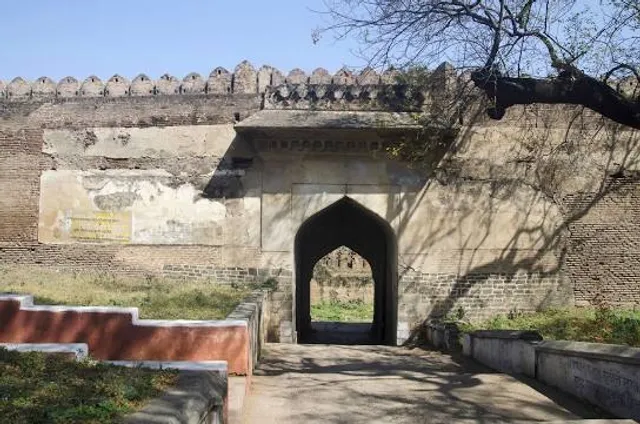
 Learn more insights from Wanderboat AI.