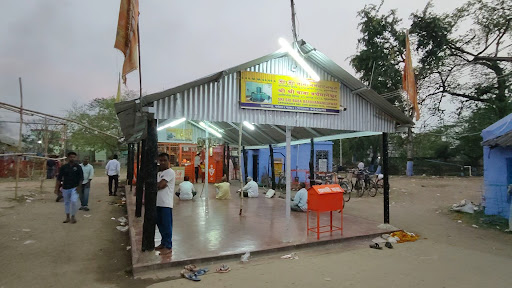
Review of Bardhamaneswar Temple (Mota Baba), Bardhaman
The Bardhamaneswar Temple, affectionately known as "Mota Baba" (meaning "Fat Father" or "Big Father" due to the colossal size of its presiding deity), is a prominent and deeply revered Shiva temple located in Alamganj, Bardhaman, West Bengal. This ancient shrine is not just a place of worship but a significant historical and spiritual landmark that draws devotees and curious visitors alike.
A Glimpse into History
The history of Bardhamaneswar Temple is as fascinating as it is ancient. The colossal Shiva Lingam housed within the temple is believed by historians to date back to the Kushan period, possibly around the 7th or 8th century AD, making it approximately 2000 years old. This remarkable idol was discovered relatively recently, in 1972, during excavation work for a pond in the Bikharibagan area of Alamganj. Legends intertwine with its origins, with some popular beliefs suggesting that the Shiva Lingam was worshipped by the famous merchant Chand Sadagar of Manasamangal fame, and even by Emperor Kanishka himself.
The Colossal Shiva Lingam
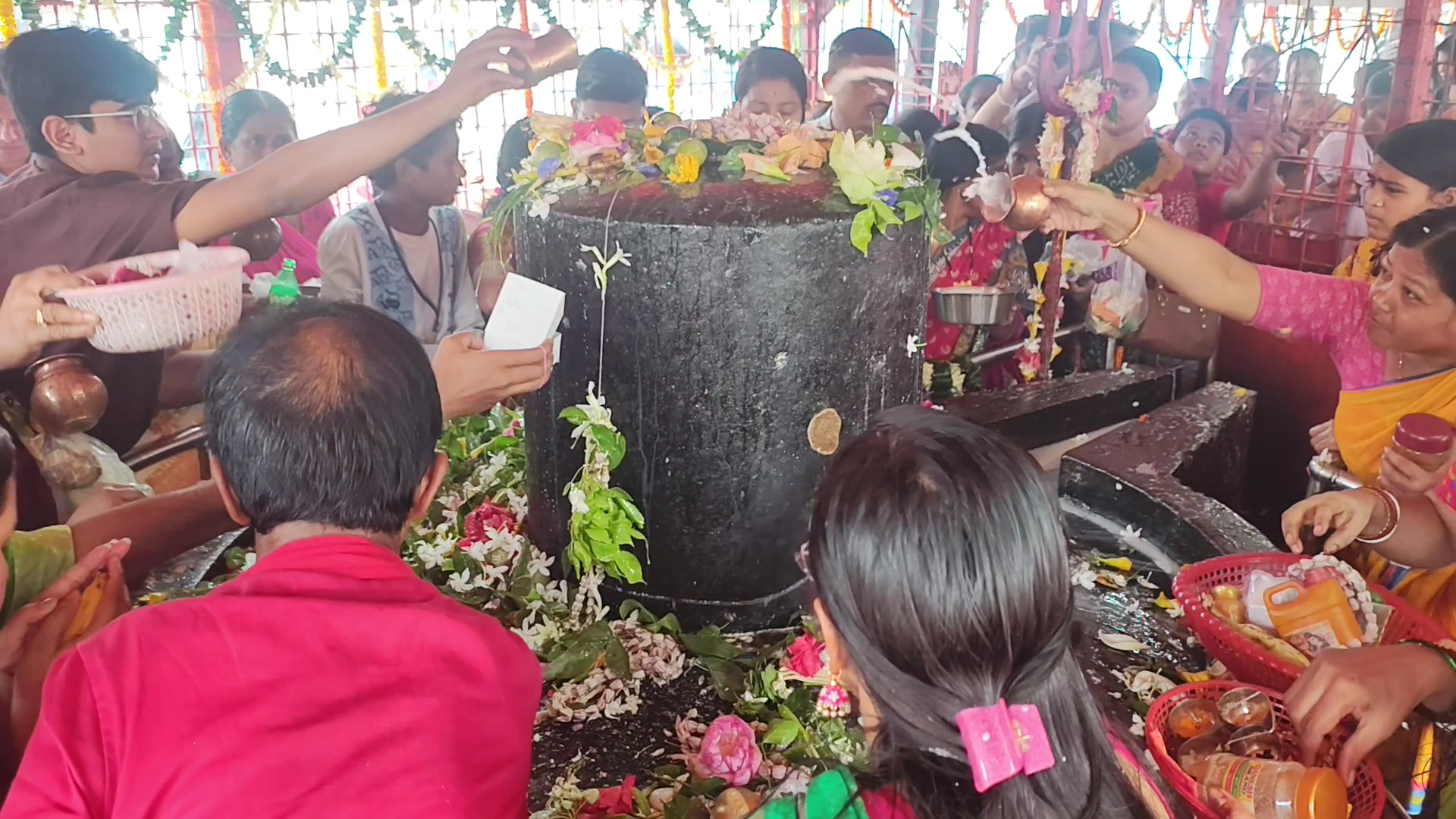
The most striking feature of the Bardhamaneswar Temple is undoubtedly its massive Shiva Lingam. It is considered one of the largest Shiva Lingams in Asia, weighing an astonishing 13 tons (though some sources mention 110 tons, the 13-ton figure appears more consistently for the unearthed idol) and standing approximately 6 feet tall. Its Gouripotta (the base of the Lingam) has an impressive circumference of 18 feet. This sheer size contributes significantly to its local moniker, "Mota Baba" or "Mota Shib," and leaves visitors in awe of its grandeur and historical significance.
Religious Significance and Atmosphere
Bardhamaneswar Temple holds immense religious importance for the local populace and devotees from far and wide. It is a vibrant pilgrimage site, especially during major festivals like Maha Shivratri and throughout the holy month of Shravan (July-August), when thousands of devotees throng the temple to offer prayers and perform Jalabhishek (offering water to the deity), often carrying water from the Ganges. The temple is also associated with a popular local belief that it has the power to grant the desires of childless women seeking offspring.
The atmosphere within the temple complex is generally described as peaceful and calm, offering a serene environment for worship and contemplation. Despite the large crowds on auspicious days, the spiritual energy is palpable, creating a deep emotional connection for worshippers.
Architecture and Maintenance
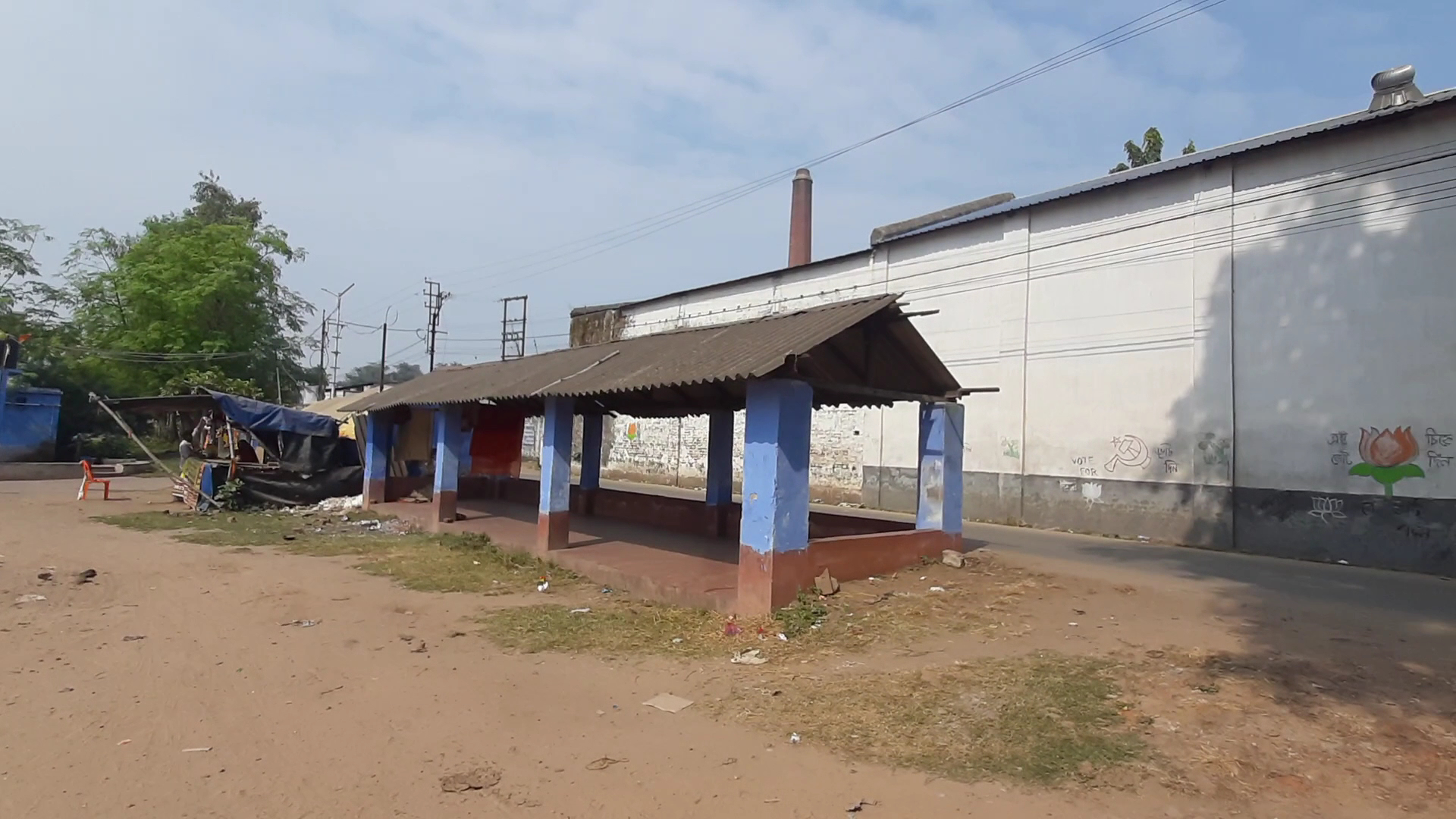
The temple, in its current state, maintains a simple and unadorned appearance, preserving its original character with minimal modern renovations. While this simplicity adds to its authenticity, some visitor reviews suggest the need for better maintenance and improvements to the temple premises and surrounding areas, such as beautifying the adjacent pond, to enhance the overall visitor experience and create a more divine ambiance.
Conclusion
The Bardhamaneswar Temple (Mota Baba) is more than just a place of worship; it's a living testament to ancient history, a repository of deep spiritual beliefs, and a marvel of sheer scale. Its colossal Shiva Lingam, rich historical narratives, and profound religious significance make it a must-visit destination for anyone interested in exploring the cultural heritage, spiritual traditions, and unique historical sites of Bardhaman. A visit here offers a unique blend of historical intrigue and...
Read more
 Learn more insights from Wanderboat AI.