HTML SitemapExplore
logo
Find Things to DoFind The Best Restaurants

Chausath Yogini Temple — Attraction in Bheraghat

Name
Chausath Yogini Temple
Description
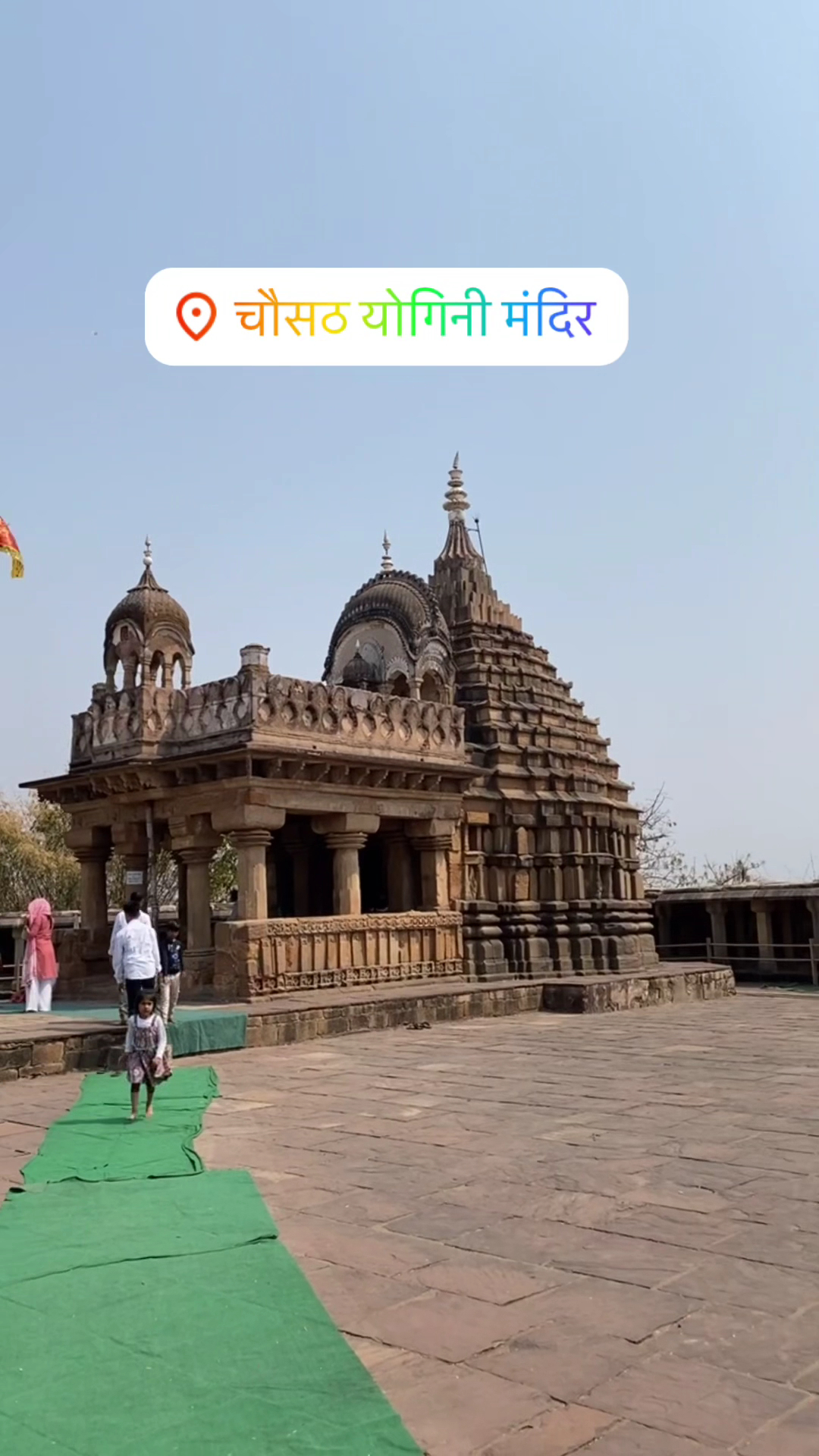
The Chausath Yogini Temple, Mitaoli, also known as Ekattarso Mahadeva Temple, is an 11th-century temple in Morena district in the Indian state of Madhya Pradesh. Build during Kachchhapaghata reign, it is one of the well-preserved Yogini temples in India.
Nearby attractions
Bhedaghat Boating Point
4RM2+958, Bhedaghat, Madhya Pradesh 483053, India
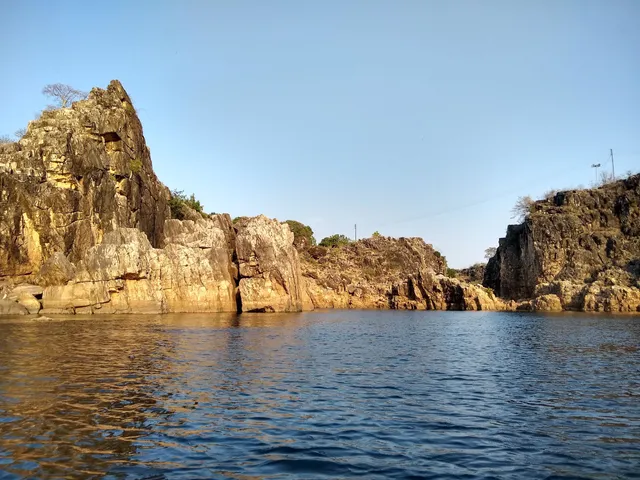
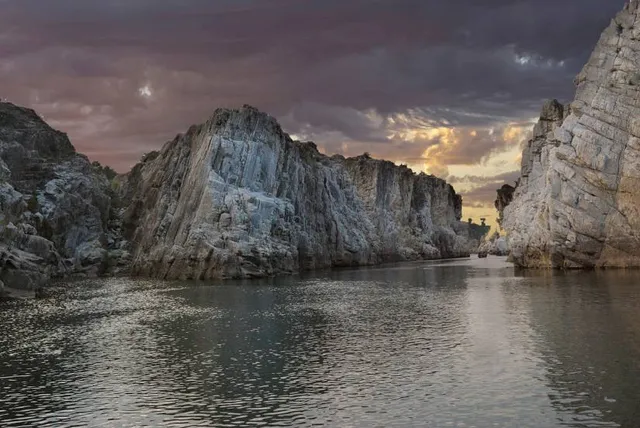
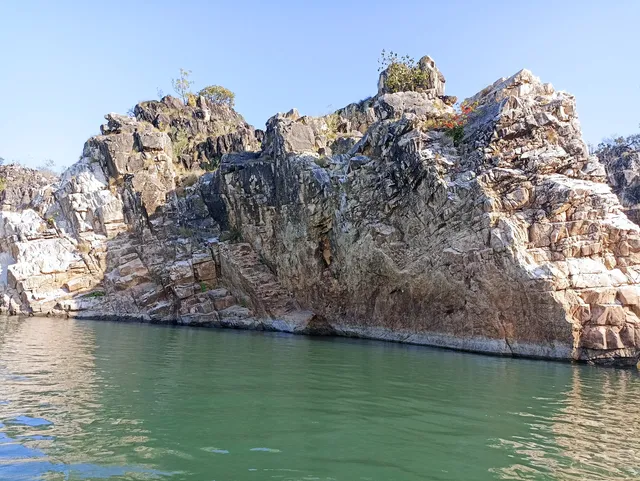
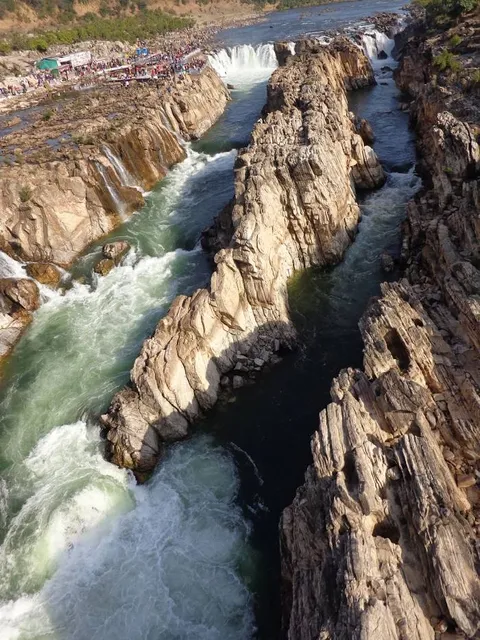
Marble Rocks
Narmada River, Gwari, Madhya Pradesh 483053, India
Panchwati garden bhedaghat
4RM2+7MM, Bhedaghat, Madhya Pradesh 483053, India
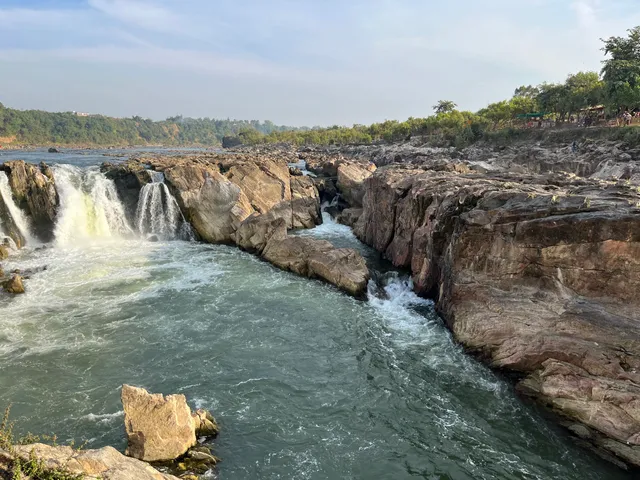
Dhuandhar Waterfall - Narmada Ropeway (Bhedhaghat side)
4RH5+2HP, Jabalpur, Madhya Pradesh 483053, India
Nearby restaurants
Related posts
Keywords
Chausath Yogini Temple tourism.Chausath Yogini Temple hotels.Chausath Yogini Temple bed and breakfast. flights to Chausath Yogini Temple.Chausath Yogini Temple attractions.Chausath Yogini Temple restaurants.Chausath Yogini Temple travel.Chausath Yogini Temple travel guide.Chausath Yogini Temple travel blog.Chausath Yogini Temple pictures.Chausath Yogini Temple photos.Chausath Yogini Temple travel tips.Chausath Yogini Temple maps.Chausath Yogini Temple things to do.
Chausath Yogini Temple things to do, attractions, restaurants, events info and trip planning
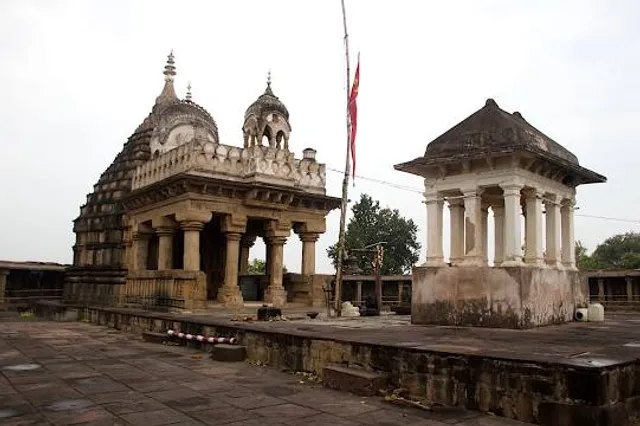
Chausath Yogini Temple
IndiaMadhya PradeshBheraghatChausath Yogini Temple

Basic Info

Chausath Yogini Temple

4RH2+WH5, Bheda Ghat, Panchvati Garden Bhedaghat, Bhedaghat, Madhya Pradesh 483053, India
4.6(1.1K)
Open 24 hours
Save
spot

Ratings & Description

Info

The Chausath Yogini Temple, Mitaoli, also known as Ekattarso Mahadeva Temple, is an 11th-century temple in Morena district in the Indian state of Madhya Pradesh. Build during Kachchhapaghata reign, it is one of the well-preserved Yogini temples in India.

Cultural
Scenic
Off the beaten path
attractions: Bhedaghat Boating Point, Marble Rocks, Panchwati garden bhedaghat, Dhuandhar Waterfall - Narmada Ropeway (Bhedhaghat side), restaurants:
logoLearn more insights from Wanderboat AI.

Plan your stay

hotel
Pet-friendly Hotels in Bheraghat
Find a cozy hotel nearby and make it a full experience.
hotel
Affordable Hotels in Bheraghat
Find a cozy hotel nearby and make it a full experience.
hotel
The Coolest Hotels You Haven't Heard Of (Yet)
Find a cozy hotel nearby and make it a full experience.
hotel
Trending Stays Worth the Hype in Bheraghat
Find a cozy hotel nearby and make it a full experience.

Reviews

Nearby attractions of Chausath Yogini Temple

Bhedaghat Boating Point

Marble Rocks

Panchwati garden bhedaghat

Dhuandhar Waterfall - Narmada Ropeway (Bhedhaghat side)

Bhedaghat Boating Point

Bhedaghat Boating Point

4.6

(3K)

Open until 7:00 PM
Click for details
Marble Rocks

Marble Rocks

4.6

(1.4K)

Open 24 hours
Click for details
Panchwati garden bhedaghat

Panchwati garden bhedaghat

4.5

(12)

Open 24 hours
Click for details
Dhuandhar Waterfall - Narmada Ropeway (Bhedhaghat side)

Dhuandhar Waterfall - Narmada Ropeway (Bhedhaghat side)

4.6

(1.2K)

Open until 6:00 PM
Click for details
Get the Appoverlay
Get the AppOne tap to find yournext favorite spots!
Wanderboat LogoWanderboat

Your everyday Al companion for getaway ideas

CompanyAbout Us
InformationAI Trip PlannerSitemap
SocialXInstagramTiktokLinkedin
LegalTerms of ServicePrivacy Policy

Get the app

© 2025 Wanderboat. All rights reserved.
logo

Reviews of Chausath Yogini Temple

4.6
(1,065)
avatar
5.0
32w

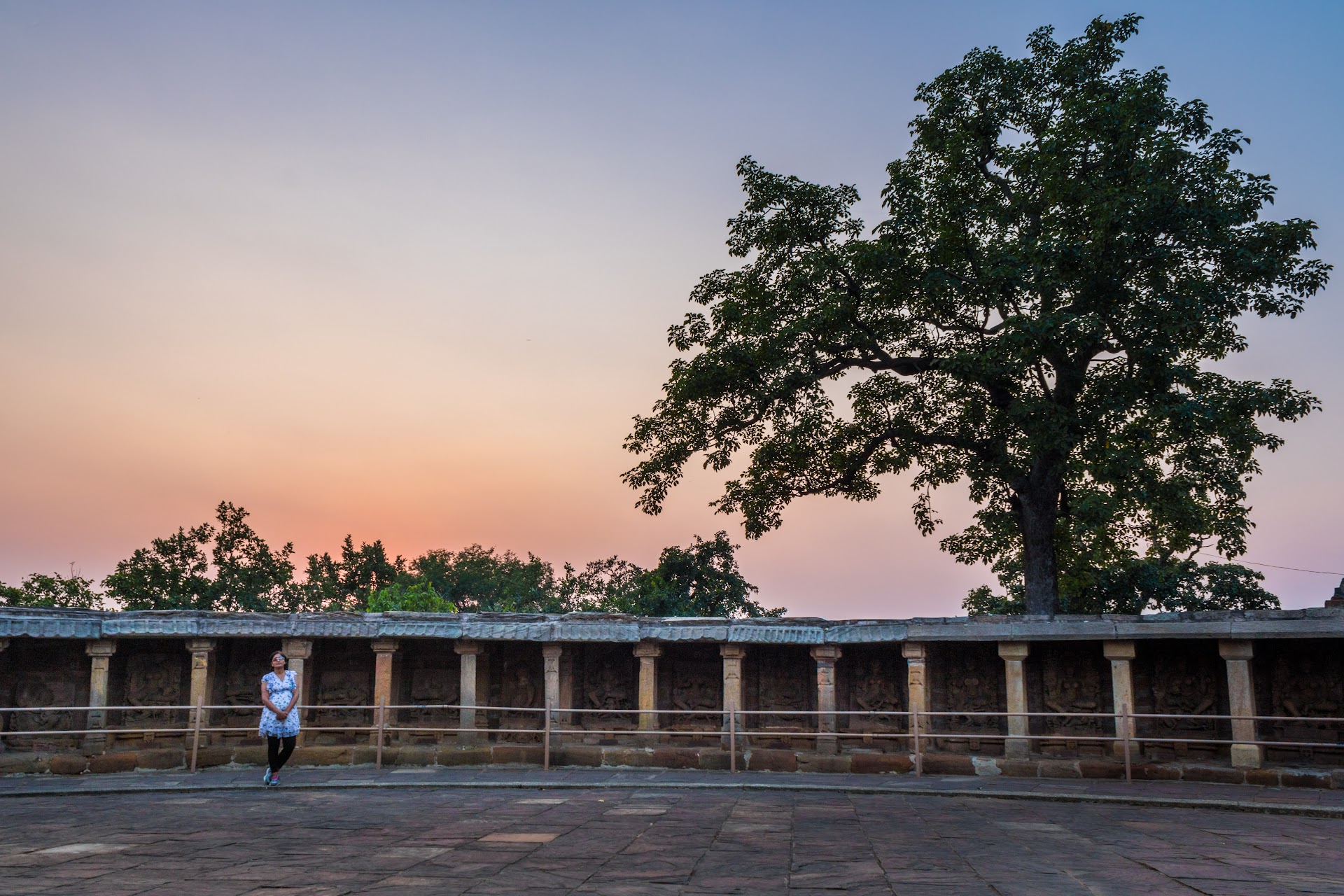
The Chausath Yogini Temple, located near Bhedaghat in Jabalpur district, Madhya Pradesh, India, is a 10th-century tantric shrine dedicated to the 64 (chausath) yoginis, mystical female deities associated with Goddess Durga. Perched atop a hill overlooking the Narmada River, this ancient circular temple is one of India’s few surviving yogini temples, offering a blend of spiritual significance, architectural brilliance, and scenic views.

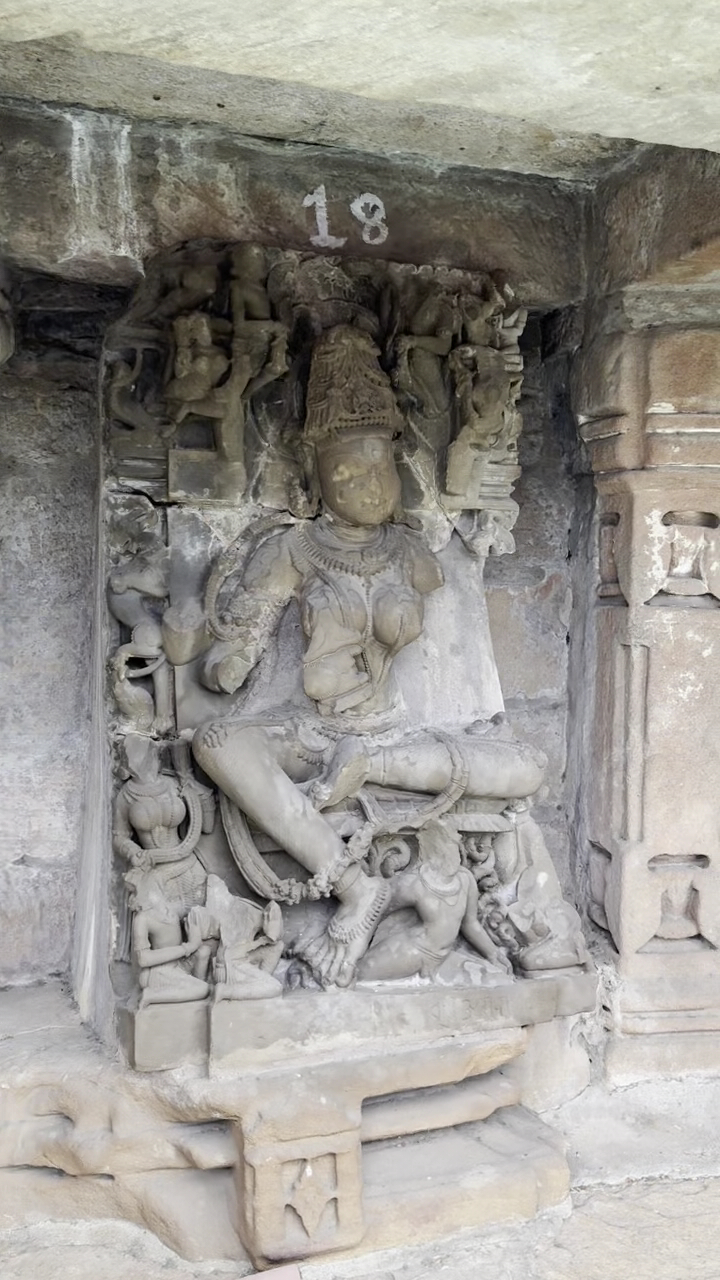
History Built around 950-1000 CE by the Kalachuri dynasty, the temple reflects the tantric worship traditions of medieval India, where yoginis were revered as divine energies. Its circular, hypaethral (open-roofed) design is typical of yogini temples, symbolizing cosmic unity. The temple predates nearby Bhedaghat’s tourism fame, with inscriptions and sculptures suggesting royal patronage. Though partially damaged over centuries, it was restored by the Archaeological Survey of India (ASI) in the 20th century, preserving 64 yogini idols, each unique. Its historical significance lies in showcasing tantric Hinduism’s esoteric practices, distinct from mainstream temple traditions.

Location The temple is situated on a hill in Bhedaghat village, 2 km from Dhuandhar Waterfalls and 1.5 km from the Marble Rocks boating point, 25-30 km west of Jabalpur city. It’s 23 km from Jabalpur Railway Station and 40 km from Dumna Airport, accessible via NH-30. A steep climb of 100-150 steps leads to the temple, offering panoramic views of the Narmada River. Taxis (Rs. 400-600) or autos from Jabalpur reach Bhedaghat, with e-rickshaws (Rs. 20-50) available to the temple’s base.

Facilities and Amenities Available Temple Complex: A circular courtyard with 64 niches housing yogini idols, a central Shiva shrine, and a Gauri Shankar temple. Stone benches offer rest. Viewing Area: Hilltop location provides scenic views of the Narmada and Bhedaghat’s marble cliffs. Parking: Free parking at the hill’s base (Rs. 20-50 during peak times). Food and Drink: No stalls at the temple; carry water and snacks. Nearby Bhedaghat (2 km) has eateries (Rs. 50-200). Restrooms: None on-site; basic facilities at Dhuandhar or boating points. Other: No Wi-Fi, cloakrooms, or guides. Local priests may explain rituals (donations appreciated, Rs. 20-100). ASI signage provides historical context.

Best Time to Visit November to March is ideal, with pleasant weather (15°C-30°C) easing the steep climb and enhancing views. Monsoons (July-September) make the hill lush but slippery, requiring caution on steps. Summers (April-June, up to 45°C) are taxing due to heat and exposed terrain—early mornings (6:00 AM-9:00 AM) are best. Festivals like Navratri (September-October) see small gatherings, adding spiritual vibrancy.

Timings Open daily from 6:00 AM to 6:00 PM, managed by the ASI. Puja rituals occur mornings (6:30 AM-8:00 AM) and evenings (5:00 PM-5:30 PM), though the temple is accessible all day. Sunset visits offer cooler temperatures and scenic lighting for photography.

Entry Fees: Entry: Free, as maintained by the ASI. Parking: Rs. 20-50 at the hill’s base, if charged. Donations: Optional for priest-led rituals (approx Rs. 100-500). Photography: Free, but avoid disturbing...

   Read more
avatar
5.0
5y

Chausath Yogini Temple, circular in plan like other Yogini temples

The Chausath Yogini Temple, Morena, also known as Ekattarso Mahadeva Temple, is an 11th-century temple located in Morena district in the Indian state of Madhya Pradesh. It is one of the few such Yogini temples in the country which is in a good condition. The temple is formed by a circular wall with 64 chambers and an open mandapa in the centre, separated by a courtyard which is circular in shape, where Shiva is deified.1] The temple has been declared an ancient historical monument by the Archaeological Survey of India.

History


Chausath Yogini Temple on hilltop

The Chausath Yogini temple is in Mitaoli village (also spelled Mitawali or Mitavali), near Padaoli in Morena district 40 kilometres (25 mi) from Gwalior.[21] According to an inscription dated to 1323 CE (Vikram Samvat 1383),[4] the temple was built by the Kachchhapaghata king Devapala (r. c. 1055 – 1075).[5] It is said that the temple was the venue of providing education in astrology and mathematics based on the transit of the Sun.[2[6]

The Archaeological Survey of India has declared the temple an ancient and historical monument under Act No. LXXI of 1951, dt.28/11/1951.[2]

Features


Central Sanctorum


Inner corridor with subsidiary shrines deified now Shiva Lingams

The temple is located on a hill which is about 100 feet (30 m) in height[7] and there are 100 steps to climb leading to the entrance of the temple. It is externally circular in shape with a radius of 170 feet (52 m)[7] and within its interior part it has 64 small chambers, each with a mandapa which is open and a facia of pilasters and pillars. The roof of the entire structure is flat including that of another east facing circular temple within the outer circular wall. A large passage or courtyard lies between the outer enclosure and the central temple which is dedicated to Lord Shiva.[2] There is an open porch entrance to this temple.[1] The exterior surface of the outer wall has carvings of Hindu deities.[3] Each of the 64 chambers in the outer circle has an image of Shiva deified in it. However, recent investigations have confirmed that originally these had a Yogini image deified in them and hence the temple is known as Chausath Yogini Temple ('Chausath' here means "Sixty four"[8] ). It is said that the roof over the 64 chambers and the central shrine had towers or shikharas which were probably removed during later modifications.[2]

Within the main central shrine there are slab coverings which have perforations in them to drain rainwater to a large underground storage. The pipe lines from the roof lead the rain water to the storage are also visible. The temple needs conservation measures to preserve the ancient monument in good shape.[3]

The design of the temple has withstood earthquake shocks, without any damage to its circular structural features, in the past several centuries. The temple is in the Seismic Zone III. This fact was cited when the issue of safety from earthquake effect of the Parliament House which is also a circular structure, similar to the Chausath Yogini Temple, was debated in the...

   Read more
avatar
4.0
4y

The Chausath (64) Yogini Temple at Hirapur, Odisha

In the medieval times (‪800 – 1300‬ AD) in certain parts of India, Goddess was worshipped in sixty four (64) forms known as Yoginis whose reference has also been found in various Puranic literature.1.Chhaya, 2. Maya, 3. Narayani, 4. Brahmayani, 5. Bhairavi, 6. Maheswari,7. Rudrayani, 8. Baseli,9. Tripura,10. Ugratara, 11. Charchika, 12. Tarini,13. Ambika Kumari, 14. Bhagabati, 15. Nila,16. Kamala, 17. Santi, 18. Kanti, 19. Ghatabari,20. Chamunda, 21. Chandrakanti, 22. Madhavi,23. Kachikeswari, 24. Anala, 25. Rupa,26. Barahi , 27. Nagari , 28. Khechari ,29. Bhuchari, 30. Betali, 31. Kalinjari,32. Sankha, 33. Rudrakali, 34. Kalavati, 35. Kankali, 36. Bukuchai, 37. Bali, 38. Dohini,39. Dwarini, 40. Sohini, 41. Sankata Tarini, 42. Kotalai, 43. Anuchhaya, 44. Kechamukhi Samuha, 45. Ullaka, 46. Samasila, 47. Mudha, 48 Dakhinai, 49. Gopali, 50. Mohini,51. Kamasena, 52. Kapali, 53. Uttarayani,54. Trailokya Byapini, 55. Trilochana,56. Nimai , 57. Dakeswari , 58. Kamala ,59. Ramayani, 60. Anadi Shakti,61. Balakshatrayani, 62. Brahmani, 63. Dharani 64. Matangi.

The 64 Yogini Temple in Hirapur, Odisha, also known as the “Mahamaya Temple”, has an ambiance that is quite charged. The temple emits overwhelming energies that can be realised by those to whom She chooses to grant. Mahamaya, the dark and the most beautiful with eyes that sees the soul in you, is the presiding deity of this open sky circular temple. In many such temples, an open shrine in the center of the circle dedicated to either Shiva or Bhairava. At the 64 Hirapur, the center is the Chandi Mandappa where the Chandi path is recited to please the Yoginis.In Yogini worship, the Tantrik symbol is a chakra with 64 spokes in the wheel. Each spoke represents one Yogini a form of Shakti. In most of the well-conserved temples, the sculptures of Yoginis are intact and none of them are erotic as in other temples. This is because this cult did not believe in sexual union as a path to self discovery. When you see them close these bejewelled women look so alive and completely immersed in themselves enjoying the music, the dance, the sringaar, the life to it’s core. And then there are some who are the warriors drinking the blood of asuras in human skulls. A pleasant reminder to us women on the way we need to live our lives. Be Bold, Be Beautiful, Be True, Be Fearless, Be a Protector, Be The...

   Read more
Page 1 of 7
Previous
Next

Posts

Indranil BhattacharjeeIndranil Bhattacharjee
The Chausath Yogini Temple, located near Bhedaghat in Jabalpur district, Madhya Pradesh, India, is a 10th-century tantric shrine dedicated to the 64 (chausath) yoginis, mystical female deities associated with Goddess Durga. Perched atop a hill overlooking the Narmada River, this ancient circular temple is one of India’s few surviving yogini temples, offering a blend of spiritual significance, architectural brilliance, and scenic views. History Built around 950-1000 CE by the Kalachuri dynasty, the temple reflects the tantric worship traditions of medieval India, where yoginis were revered as divine energies. Its circular, hypaethral (open-roofed) design is typical of yogini temples, symbolizing cosmic unity. The temple predates nearby Bhedaghat’s tourism fame, with inscriptions and sculptures suggesting royal patronage. Though partially damaged over centuries, it was restored by the Archaeological Survey of India (ASI) in the 20th century, preserving 64 yogini idols, each unique. Its historical significance lies in showcasing tantric Hinduism’s esoteric practices, distinct from mainstream temple traditions. Location The temple is situated on a hill in Bhedaghat village, 2 km from Dhuandhar Waterfalls and 1.5 km from the Marble Rocks boating point, 25-30 km west of Jabalpur city. It’s 23 km from Jabalpur Railway Station and 40 km from Dumna Airport, accessible via NH-30. A steep climb of 100-150 steps leads to the temple, offering panoramic views of the Narmada River. Taxis (Rs. 400-600) or autos from Jabalpur reach Bhedaghat, with e-rickshaws (Rs. 20-50) available to the temple’s base. Facilities and Amenities Available Temple Complex: A circular courtyard with 64 niches housing yogini idols, a central Shiva shrine, and a Gauri Shankar temple. Stone benches offer rest. Viewing Area: Hilltop location provides scenic views of the Narmada and Bhedaghat’s marble cliffs. Parking: Free parking at the hill’s base (Rs. 20-50 during peak times). Food and Drink: No stalls at the temple; carry water and snacks. Nearby Bhedaghat (2 km) has eateries (Rs. 50-200). Restrooms: None on-site; basic facilities at Dhuandhar or boating points. Other: No Wi-Fi, cloakrooms, or guides. Local priests may explain rituals (donations appreciated, Rs. 20-100). ASI signage provides historical context. Best Time to Visit November to March is ideal, with pleasant weather (15°C-30°C) easing the steep climb and enhancing views. Monsoons (July-September) make the hill lush but slippery, requiring caution on steps. Summers (April-June, up to 45°C) are taxing due to heat and exposed terrain—early mornings (6:00 AM-9:00 AM) are best. Festivals like Navratri (September-October) see small gatherings, adding spiritual vibrancy. Timings Open daily from 6:00 AM to 6:00 PM, managed by the ASI. Puja rituals occur mornings (6:30 AM-8:00 AM) and evenings (5:00 PM-5:30 PM), though the temple is accessible all day. Sunset visits offer cooler temperatures and scenic lighting for photography. Entry Fees: Entry: Free, as maintained by the ASI. Parking: Rs. 20-50 at the hill’s base, if charged. Donations: Optional for priest-led rituals (approx Rs. 100-500). Photography: Free, but avoid disturbing worshippers.
Arun SadhArun Sadh
The Chausath Yogini Temple in Bhedaghat, near Jabalpur, Madhya Pradesh, is a remarkable testament to India’s rich spiritual and architectural heritage. Perched atop a hill overlooking the Narmada River, this ancient shrine offers not only profound historical significance but also panoramic views of the surrounding landscape. ⸻ 🏛️ Historical Significance Constructed in the 10th century by the Kalachuri dynasty, the temple is dedicated to the 64 Yoginis—female attendants of Goddess Durga. Interestingly, this temple houses 81 shrines, a deviation from the typical 64, possibly indicating royal patronage. The circular design, spanning approximately 125 feet in diameter, features a series of niches along its perimeter, each once housing a unique Yogini sculpture. These figures, though many are now damaged, display intricate carvings and are adorned with various ornaments, reflecting the artistic excellence of the era.    ⸻ 🌄 Scenic Vistas Reaching the temple involves ascending around 150 steps, a climb that rewards visitors with breathtaking views of the Narmada River and the surrounding marble rock formations. The elevated position provides a serene atmosphere, making it an ideal spot for reflection and photography. ⸻ ☀️ Visiting Tips • Best Time to Visit: The temple is best visited during the cooler months, from October to March, when the weather is pleasant.  • Avoid Peak Summer: Summers can be particularly harsh, with high temperatures making the climb strenuous.  • Footwear: As with many sacred sites, visitors are required to remove their footwear before entering the temple premises. ⸻ 🧭 Nearby Attractions While in Bhedaghat, consider exploring other nearby attractions:  • Dhuandhar Waterfalls: A spectacular waterfall on the Narmada River, known for its misty appearance. • Marble Rocks: A picturesque gorge where the river has carved through marble, offering boat rides amidst towering cliffs. ⸻ Visiting the Chausath Yogini Temple is not just a journey through history but also an opportunity to immerse oneself in the tranquil beauty of Bhedaghat. Its unique architecture, coupled with the serene surroundings, makes it a must-visit for history enthusiasts and spiritual seekers alike.
AjjuAjju
The Chausath Yogini Temple in Jabalpur, Madhya Pradesh, is a historic and sacred site renowned for its unique architecture and deep-rooted cultural significance. Constructed in the 10th century by the Kalachuri dynasty, this temple is dedicated to Goddess Durga and houses the statues of 64 Yoginis, representing different forms of the goddess. The temple's circular structure is an architecture, adorned with intricate carvings and stonework. The main *garbh griha* (sanctum sanctorum) of the temple features an exquisite idol of Lord Shiva and Goddess Parvati riding on Nandi, symbolizing their divine union and strength. This depiction is one of the key attractions of the temple, drawing devotees and history enthusiasts alike. Situated near Bhedaghat on the banks of the Narmada River, the temple is perched atop high hills, offering a breathtaking view of the surrounding landscape. The climb of 108 steps to reach the temple enhances its majestic presence and provides a spiritual experience for visitors. The temple not only serves as a place of worship for Lord Shiva and Goddess Parvati but also holds significant importance as a center for Tantric practices. During the reign of Mughal Emperor Aurangzeb, there was an attempt to demolish this ancient temple as part of his broader campaign against Hindu religious structures. Despite these efforts, the temple stands resilient, bearing witness to its enduring spiritual and historical significance. The attempts at destruction failed to diminish its importance, and it remains a testament to the cultural and architectural heritage of the region. Visiting the Chausath Yogini Temple offers a unique blend of history, spirituality, and natural beauty. The temple's serene location, overlooking the Marble Rocks and the flowing Narmada, adds to its mystique, making it a must-visit for anyone interested in exploring India's rich cultural heritage.
See more posts
See more posts
hotel
Find your stay

Pet-friendly Hotels in Bheraghat

Find a cozy hotel nearby and make it a full experience.

The Chausath Yogini Temple, located near Bhedaghat in Jabalpur district, Madhya Pradesh, India, is a 10th-century tantric shrine dedicated to the 64 (chausath) yoginis, mystical female deities associated with Goddess Durga. Perched atop a hill overlooking the Narmada River, this ancient circular temple is one of India’s few surviving yogini temples, offering a blend of spiritual significance, architectural brilliance, and scenic views. History Built around 950-1000 CE by the Kalachuri dynasty, the temple reflects the tantric worship traditions of medieval India, where yoginis were revered as divine energies. Its circular, hypaethral (open-roofed) design is typical of yogini temples, symbolizing cosmic unity. The temple predates nearby Bhedaghat’s tourism fame, with inscriptions and sculptures suggesting royal patronage. Though partially damaged over centuries, it was restored by the Archaeological Survey of India (ASI) in the 20th century, preserving 64 yogini idols, each unique. Its historical significance lies in showcasing tantric Hinduism’s esoteric practices, distinct from mainstream temple traditions. Location The temple is situated on a hill in Bhedaghat village, 2 km from Dhuandhar Waterfalls and 1.5 km from the Marble Rocks boating point, 25-30 km west of Jabalpur city. It’s 23 km from Jabalpur Railway Station and 40 km from Dumna Airport, accessible via NH-30. A steep climb of 100-150 steps leads to the temple, offering panoramic views of the Narmada River. Taxis (Rs. 400-600) or autos from Jabalpur reach Bhedaghat, with e-rickshaws (Rs. 20-50) available to the temple’s base. Facilities and Amenities Available Temple Complex: A circular courtyard with 64 niches housing yogini idols, a central Shiva shrine, and a Gauri Shankar temple. Stone benches offer rest. Viewing Area: Hilltop location provides scenic views of the Narmada and Bhedaghat’s marble cliffs. Parking: Free parking at the hill’s base (Rs. 20-50 during peak times). Food and Drink: No stalls at the temple; carry water and snacks. Nearby Bhedaghat (2 km) has eateries (Rs. 50-200). Restrooms: None on-site; basic facilities at Dhuandhar or boating points. Other: No Wi-Fi, cloakrooms, or guides. Local priests may explain rituals (donations appreciated, Rs. 20-100). ASI signage provides historical context. Best Time to Visit November to March is ideal, with pleasant weather (15°C-30°C) easing the steep climb and enhancing views. Monsoons (July-September) make the hill lush but slippery, requiring caution on steps. Summers (April-June, up to 45°C) are taxing due to heat and exposed terrain—early mornings (6:00 AM-9:00 AM) are best. Festivals like Navratri (September-October) see small gatherings, adding spiritual vibrancy. Timings Open daily from 6:00 AM to 6:00 PM, managed by the ASI. Puja rituals occur mornings (6:30 AM-8:00 AM) and evenings (5:00 PM-5:30 PM), though the temple is accessible all day. Sunset visits offer cooler temperatures and scenic lighting for photography. Entry Fees: Entry: Free, as maintained by the ASI. Parking: Rs. 20-50 at the hill’s base, if charged. Donations: Optional for priest-led rituals (approx Rs. 100-500). Photography: Free, but avoid disturbing worshippers.
Indranil Bhattacharjee

Indranil Bhattacharjee

hotel
Find your stay

Affordable Hotels in Bheraghat

Find a cozy hotel nearby and make it a full experience.

Get the Appoverlay
Get the AppOne tap to find yournext favorite spots!
The Chausath Yogini Temple in Bhedaghat, near Jabalpur, Madhya Pradesh, is a remarkable testament to India’s rich spiritual and architectural heritage. Perched atop a hill overlooking the Narmada River, this ancient shrine offers not only profound historical significance but also panoramic views of the surrounding landscape. ⸻ 🏛️ Historical Significance Constructed in the 10th century by the Kalachuri dynasty, the temple is dedicated to the 64 Yoginis—female attendants of Goddess Durga. Interestingly, this temple houses 81 shrines, a deviation from the typical 64, possibly indicating royal patronage. The circular design, spanning approximately 125 feet in diameter, features a series of niches along its perimeter, each once housing a unique Yogini sculpture. These figures, though many are now damaged, display intricate carvings and are adorned with various ornaments, reflecting the artistic excellence of the era.    ⸻ 🌄 Scenic Vistas Reaching the temple involves ascending around 150 steps, a climb that rewards visitors with breathtaking views of the Narmada River and the surrounding marble rock formations. The elevated position provides a serene atmosphere, making it an ideal spot for reflection and photography. ⸻ ☀️ Visiting Tips • Best Time to Visit: The temple is best visited during the cooler months, from October to March, when the weather is pleasant.  • Avoid Peak Summer: Summers can be particularly harsh, with high temperatures making the climb strenuous.  • Footwear: As with many sacred sites, visitors are required to remove their footwear before entering the temple premises. ⸻ 🧭 Nearby Attractions While in Bhedaghat, consider exploring other nearby attractions:  • Dhuandhar Waterfalls: A spectacular waterfall on the Narmada River, known for its misty appearance. • Marble Rocks: A picturesque gorge where the river has carved through marble, offering boat rides amidst towering cliffs. ⸻ Visiting the Chausath Yogini Temple is not just a journey through history but also an opportunity to immerse oneself in the tranquil beauty of Bhedaghat. Its unique architecture, coupled with the serene surroundings, makes it a must-visit for history enthusiasts and spiritual seekers alike.
Arun Sadh

Arun Sadh

hotel
Find your stay

The Coolest Hotels You Haven't Heard Of (Yet)

Find a cozy hotel nearby and make it a full experience.

hotel
Find your stay

Trending Stays Worth the Hype in Bheraghat

Find a cozy hotel nearby and make it a full experience.

The Chausath Yogini Temple in Jabalpur, Madhya Pradesh, is a historic and sacred site renowned for its unique architecture and deep-rooted cultural significance. Constructed in the 10th century by the Kalachuri dynasty, this temple is dedicated to Goddess Durga and houses the statues of 64 Yoginis, representing different forms of the goddess. The temple's circular structure is an architecture, adorned with intricate carvings and stonework. The main *garbh griha* (sanctum sanctorum) of the temple features an exquisite idol of Lord Shiva and Goddess Parvati riding on Nandi, symbolizing their divine union and strength. This depiction is one of the key attractions of the temple, drawing devotees and history enthusiasts alike. Situated near Bhedaghat on the banks of the Narmada River, the temple is perched atop high hills, offering a breathtaking view of the surrounding landscape. The climb of 108 steps to reach the temple enhances its majestic presence and provides a spiritual experience for visitors. The temple not only serves as a place of worship for Lord Shiva and Goddess Parvati but also holds significant importance as a center for Tantric practices. During the reign of Mughal Emperor Aurangzeb, there was an attempt to demolish this ancient temple as part of his broader campaign against Hindu religious structures. Despite these efforts, the temple stands resilient, bearing witness to its enduring spiritual and historical significance. The attempts at destruction failed to diminish its importance, and it remains a testament to the cultural and architectural heritage of the region. Visiting the Chausath Yogini Temple offers a unique blend of history, spirituality, and natural beauty. The temple's serene location, overlooking the Marble Rocks and the flowing Narmada, adds to its mystique, making it a must-visit for anyone interested in exploring India's rich cultural heritage.
Ajju

Ajju

See more posts
See more posts