Barabar Caves, located in the Jehanabad district of Bihar, India, is a remarkable archaeological site that showcases the architectural brilliance of ancient India. Having had the opportunity to explore the Barabar Caves, I am delighted to share my review based on the awe-inspiring experiences I had.
Barabar Caves holds immense historical and cultural significance. Dating back to the Mauryan Empire, these ancient rock-cut caves have stood the test of time and provide a fascinating glimpse into the architectural expertise of that era. The caves were primarily used by Jain and Buddhist monks for meditation and retreats. One of the most impressive aspects of Barabar Caves is their architectural precision. The caves are meticulously carved out of solid granite rocks, showcasing intricate details and remarkable craftsmanship. The precision with which the caves were crafted is truly awe-inspiring, with smooth surfaces, beautifully carved pillars, and ornate motifs that reflect the artistic sensibilities of the Mauryan period.
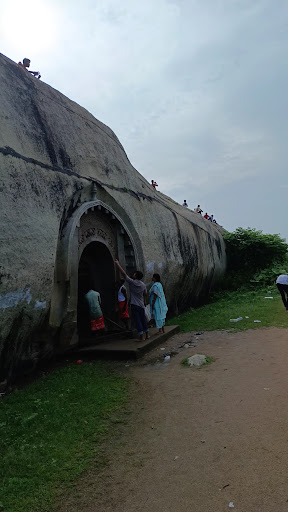
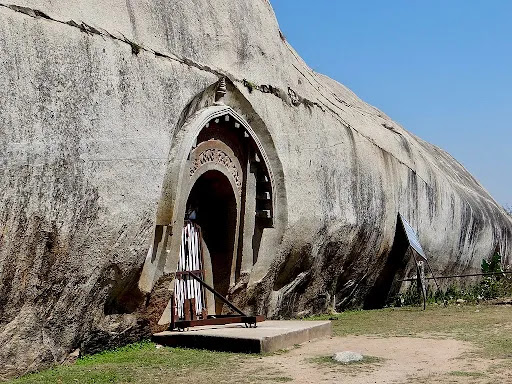
Each cave at Barabar Caves has its own unique charm and significance. The most famous caves include the Lomas Rishi Cave and the Sudama Cave. The Lomas Rishi Cave, with its stunning curved shape and polished walls, is a testament to the advanced architectural techniques employed during that time. The Sudama Cave, known for its octagonal shape and striking doorway, showcases the grandeur and beauty of ancient rock-cut architecture. Apart from their architectural marvels, Barabar Caves offer a serene and peaceful ambiance. Surrounded by lush greenery, the caves provide a tranquil environment that is ideal for introspection and reflection. Exploring the caves and witnessing the ancient inscriptions and carvings adds to the mystical allure of the place, taking visitors on a journey through time.
The conservation efforts and maintenance of Barabar Caves are commendable. The Archaeological Survey of India (ASI) has taken significant measures to preserve these ancient caves, ensuring that visitors can experience their grandeur and historical significance in its truest form. Information boards and guides at the site provide valuable insights into the caves' history and architectural features, enriching the overall experience.
It is important to note that the accessibility to some of the caves at Barabar Caves may require a moderate level of physical fitness, as they involve climbing steep steps or traversing uneven terrain. Visitors should come prepared with appropriate footwear and be cautious while exploring the site.
In conclusion, Barabar Caves is an extraordinary archaeological site that showcases the architectural brilliance of ancient India. With its rich historical and cultural significance, intricate craftsmanship, and serene ambiance, the caves offer a captivating experience for history enthusiasts, art lovers, and those seeking a deeper connection with India's ancient past. A visit to Barabar Caves is a journey back in time and an opportunity to appreciate the architectural marvels of the...
Read moreThe Barabar Caves, located in the Jehanabad district of the Indian state of Bihar, are a set of ancient rock-cut caves that hold immense historical and architectural significance. These caves date back to the Mauryan period, making them over two thousand years old. Here's a review of the Barabar Caves in 300 words:
The Barabar Caves are a testament to India's rich cultural heritage and architectural prowess. These caves consist of four main rock-cut chambers: Karan Chaupar, Lomas Rishi, Sudama, and Visva Zopri. Each cave is a marvel of ancient engineering and craftsmanship.
The most famous among them is the Lomas Rishi Cave. It is a masterpiece of rock-cut architecture and features a polished, smooth surface that resembles the wooden architecture of the Mauryan era. The facade of this cave exhibits exquisite detailing with a horseshoe-shaped entrance and intricate carvings, showcasing the skills of the artisans of that era.
One striking feature of the Barabar Caves is their association with Emperor Ashoka, who ruled during the Mauryan dynasty. These caves were dedicated to the Ajivikas, a religious sect of that time. The inscriptions in these caves bear Ashoka's edicts, highlighting his commitment to religious tolerance and his support for various belief systems.
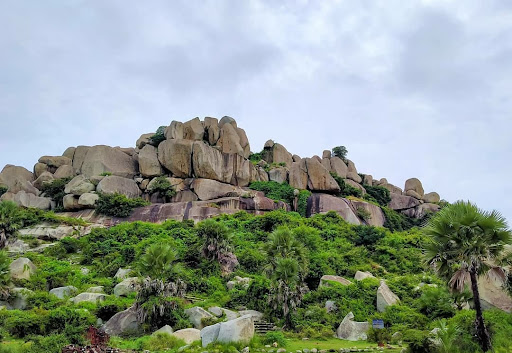
Visiting the Barabar Caves is like stepping back in time. The serene and remote location of the caves adds to their charm. Surrounded by lush greenery and away from the hustle and bustle of modern life, they offer a peaceful atmosphere for contemplation and exploration.
The historical and cultural significance of the Barabar Caves cannot be overstated. They provide a glimpse into the religious and architectural practices of ancient India. Exploring these caves allows visitors to appreciate the artistic achievements of the Mauryan period and the enduring legacy of Emperor Ashoka.
However, it's essential to note that the caves are relatively remote and may require some effort to reach. Visitors should be prepared for a short trek to access the caves, but the experience is well worth it for those interested in history and archaeology.
In conclusion, the Barabar Caves are a hidden gem in Bihar, India, offering a profound connection to the country's ancient past. Their architectural beauty and historical significance make them a must-visit destination for history enthusiasts and anyone interested in India's...
Read moreThe Barabar Hill Caves are the oldest surviving rock-cut caves in India, dating from the Maurya Empire (322–185 BCE), some with Ashokan inscriptions, located in the Makhdumpur region of Jehanabad district, Bihar, India, 24 km (15 mi) north of Gaya.1 These caves are situated in the twin hills of Barabar (four caves) and Nagarjuni (three caves); caves of the 1.6 km (0.99 mi)-distant Nagarjuni Hill are sometimes singled out as the Nagarjuni Caves. These rock-cut chambers bear dedicatory inscriptions in the name of "King Piyadasi" for the Barabar group, and "Devanampiya Dasaratha" for the Nagarjuni group, thought to date back to the 3rd century BCE during the Maurya period, and to correspond respectively to Ashoka (reigned 273–232 BCE) and his grandson, Dasharatha Maurya The sculptured surround to the entrance to the Lomas Rishi Cave is the earliest survival of the ogee shaped "chaitya arch" or chandrashala that was to be an important feature of Indian rock-cut architecture and sculptural decoration for centuries. The form was a reproduction in stone of buildings in wood and other plant materials.[2
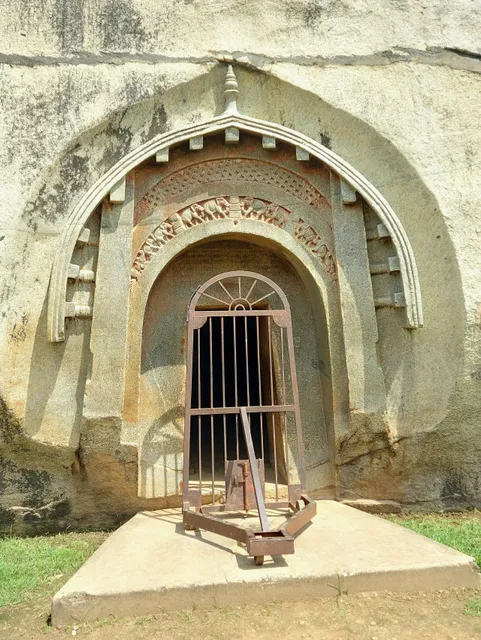
The caves were used by ascetics from the Ajivika sect,[2] founded by Makkhali Gosala, a contemporary of Gautama Buddha, the founder of Buddhism, and of Mahavira, the last and 24th Tirthankara of Jainism. The Ajivikas had many similarities with Buddhism as well as Jainism.[5] Also present at the site are several rock-cut Buddhist and Hindu sculptures and inscriptions from later periods.[1]
Most caves at Barabar consist of two chambers, carved entirely out of granite, with a highly polished internal surface, the "Mauryan polish" also found on sculptures, and exciting echo effects.[3]
The caves were featured – located in a fictitious Marabar – in the book A Passage to India by English author...
Read more