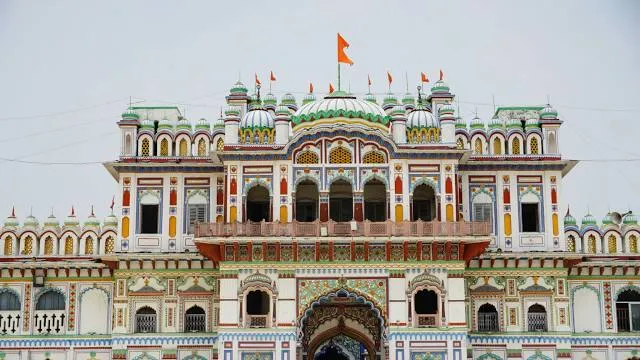
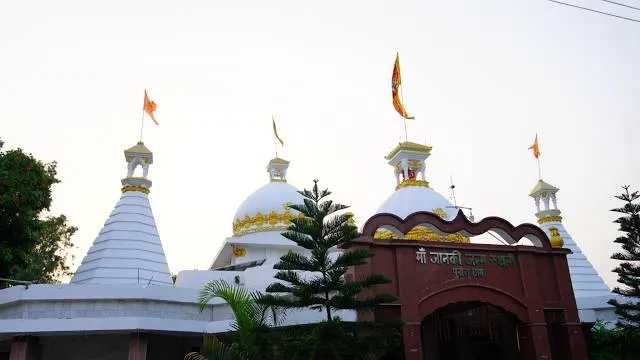
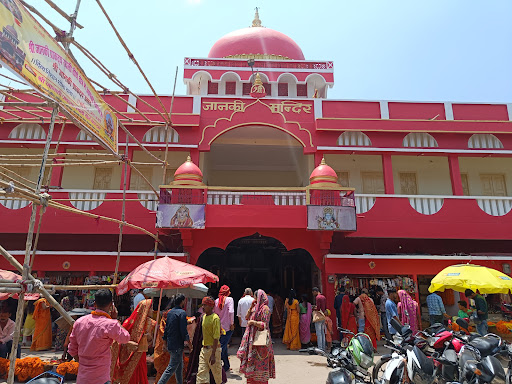
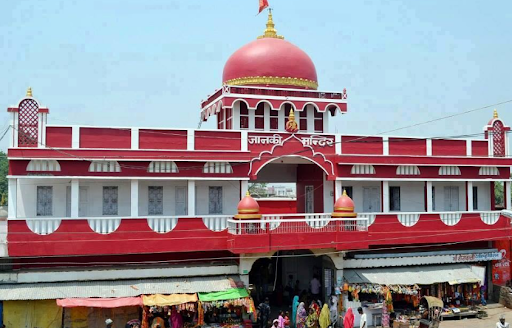
Sitamarhi is the main city of Mithila in India , which is mentioned in the mythological narrative as the birthplace of Sita . This Hindu pilgrimage recorded in Tretayugan narrative is one of the major tourist spots in Bihar . Due to the birth of Sita, the name of this city came first as Sitamarai, then Sitamahi and in time it was Sitamarhi. This city is located on the bank of Laxmana (presently Lakhandai ) river. In the Ramayana period, this Mithila was an important part of the state. This Muzaffarpur in 1908Become a part of the district. On Independence Day, on December 11, 1972, it attained independent district status. This Hindu pilgrimage recorded in Tretayugan narrative is one of the major tourist spots of Bihar. At present, it is a district headquarter and major tourist destination of Bihar state under Tirhut Commission Sitamarhi is described as mythological narrative in the form of Tretayugi town. In the Treta era, the daughter of King Janaka and goddess Sita, wife of Lord Rama , was born in Tapaura. According to mythology Mithila was cow once caused famine conditions. The priests and pundits advised King Mikhail of Mithila to run a solution in the area. It is said that Sita was born from the earth at that time when King Janak used to make a plow in the field at Taumara, Sitamarhi. Due to the birth of Sita, this city’s name was first Sitamdhai, then Sitamahi and in the end, Sitamarhi. It is such a fact that after his marriage at Sitaji’s idle site, King Janak had installed the statue of Lord Rama and Janaki. Around 500 years ago, a Saint Birbal Das of Ayodhya found godly inspiration and searched for those statues and started regular worship. This place is known today as Janaki Kund. Sitamdhi has been a part of the Tirhut in ancient times. The Carnat dynasty of Mithila rulers ruled here until Muslim rule began in this area . Later, local satraps retained their dominion here but on the arrival of the British this Bengal became a part of the province of Bihar again . Tiruput Muzaffarpur district in 1908 ADBeing part of After independence on 11 December 1972, Sitamdhi got the status of independent district, whose headquarters was built Sitamarhi. According to the description of the great Vishnu Purana , the place of the emperor’s solution-yagna-land and the passage of the Urbija Sita is located, which was situated at a distance of twenty-three miles from his Rajnagar, west. Rituals and edits of that yajna are said to be on the bank of Laksmana (presently Lakhandai) river. As a result of the solution-yagna, land-landed Sita was embroiled on Dharam, and the sky was torrential as torrential rains started, which would erase the famine’s famine, but the problem of protecting her from the newborn Sita was in front of her husband Has been present There was a need to present a verdant (wick, hut, cottage) with the thought of saving it there from rain and water. A diadem was prepared quickly at that place and the SitaHelp was kept. It is said that where the monastery was built for protection from the rain of Sita, the name of that place was first Sitamdayai, time later, Sitamahi and then Sitamarhi. Here is the village of Taora, where the Pondic sage resided in the Ramayana period. Some people consider this as the descending land of Sita. But these are all local observations. There was a thick forest in the Ramayana period where Sitamarhi and Tapaura are there. The first progenitor of Janaki’s place was a disobedient Mahatma and a perfect man. According to the description of “Vishnu Vishnu Purana”, he described the location of the present place, measuring the settlement-land of King Janak, by measuring the population of Janakpur Nepal . Behind them, they put their seat for the penance on the banks of the Laxman river under a tree at that holy place. After the devotees built a monastery there, according to the Guru tradition, that is going on till the beginning of the preceding disciples of that day. In the name of Urvija Janki in Sitamarhi, every year, a huge cattle fair is held on the occasion of Ram Navami and...
Read moreJanki Mandir, Sitamarhi: A Complete Guide
Introduction**: Location: Sitamarhi, Bihar, India. Dedicated To: Goddess Sita (Janaki), the consort of Lord Rama. Significance: Believed to be the birthplace of Goddess Sita, making it one of the most sacred pilgrimage sites for devotees of the Ramayana.
A. Mythological Significance: According to the Ramayana, Sitamarhi is the place where Goddess Sita was born. Legend says that King Janaka (Sita’s father) found her while plowing the field to perform a yajna (ritual). She emerged from the earth, and hence, she is also known as Janaki. The temple is built at the exact spot where Sita is believed to have appeared.
B. Historical Construction: The original temple is said to have been built by King Janaka himself. Over the centuries, the temple has been destroyed and rebuilt multiple times due to natural disasters and invasions. The current structure is a result of renovations carried out by various rulers and devotees.
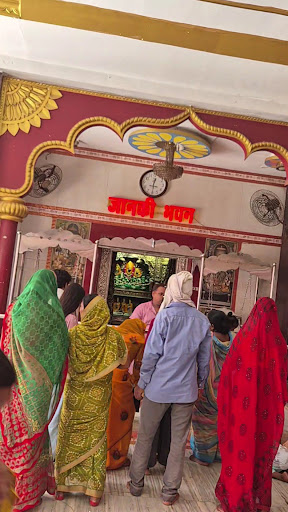
Architecture and Design: The temple showcases traditional Hindu architecture with intricate carvings and designs. The sanctum sanctorum houses the idol of Goddess Sita, along with idols of Lord Rama, Lakshman, and Hanuman. The temple complex also includes smaller shrines dedicated to other deities.
Stories Behind the Temple’s Creation:
A. Birth of Sita: The most popular legend is that Goddess Sita was found by King Janaka while plowing the field. The place where she emerged is believed to be the site of the Janki Mandir.
B. Connection to Ramayana: The temple is deeply connected to the events of the Ramayana, especially the marriage of Lord Rama and Sita. Devotees believe that visiting the temple brings blessings from Goddess Sita and Lord Rama.
C. Historical Renovations: The temple has been rebuilt and restored multiple times, with contributions from various rulers and devotees who sought to preserve its sanctity.
Festivals and Celebrations: Ram Navami: Celebrated with great fervor, marking the birth of Lord Rama. Vivah Panchami: Celebrates the marriage of Lord Rama and Sita, usually in November or December. Sita Navami: Marks the birth anniversary of Goddess Sita.
How to Reach: By Train: The nearest railway station is Sitamarhi Junction, which is well-connected to major cities like Patna and Delhi. By Road: Sitamarhi is well-connected by road to cities like Patna, Muzaffarpur, and Darbhanga. By Air: The nearest airport is Darbhanga Airport (about 70 km away).
Entry Fee and Timings: Entry Fee: Free (no entry fee). Timings: Open from 6:00 AM to 8:00 PM (may vary during festivals).
Nearby Attractions: Haleshwar Sthan: A temple dedicated to Lord Shiva, located about 3 km from Janki Mandir. Punaura Dham: Another important religious site believed to be the place where Goddess Sita spent her childhood. Janaki Kund: A sacred pond near the temple where Goddess Sita is believed to have bathed.
Tips for Visitors: Dress Modestly: As it is a religious site, dress conservatively. Footwear: Remove footwear before entering the temple premises. Photography: Avoid taking photos inside the sanctum sanctorum. Respect Local Customs: Follow the temple’s rules and traditions.
Official Resources: For more information, you can visit the official website of the Bihar Tourism Department, which provides details about Janki Mandir and other pilgrimage sites in Bihar: [Bihar Tourism Official...
This is the birthplace of Janki Mata Sita. देवी सीता मिथिला के राजा जनक की ज्येष्ठ पुत्री थीं इसलिए उन्हें 'जानकी' भी कहा जाता है। वाल्मीकि रामायण के अनुसार एक बार मिथिला में पड़े भयंकर सूखे से राजा जनक बेहद परेशान हो गए थे, तब इस समस्या से छुटकारा पाने के लिए उन्हें एक ऋषि ने यज्ञ करने और धरती पर हल चलाने का सुझाव दिया। उस ऋषि के सुझाव पर राजा जनक ने यज्ञ करवाया और उसके बाद राजा जनक धरती जोतने लगे।
तभी उन्हें धरती में से सोने की डलिया में मिट्टी में लिपटी हुई एक सुंदर कन्या मिली। उस कन्या को हाथों में लेकर राजा जनक ने उसे 'सीता' नाम दिया और उसे अपनी पुत्री के रूप में अपना लिया। यह रहस्य आज भी बरकरार है कि सीता के माता-पिता कौन हैं?
अब आप देखिए कि ऐसी महिला जिसे अपने माता-पिता के बारे में कुछ भी नहीं पता है, वह राजमहल में पली-बढ़ी। इस देश में ऐसी कई बालिकाएं हैं जिन्हें उनके माता-पिता मंदिर की देहली, अस्पताल के बाहर या कचरे के ढेर पर छोड़कर चले गए हैं। ऐसी बालिकाओं को अनाथ आश्रम में जगह मिलती है या भाग्यवश वे किसी अच्छे घर की बेटी बन जाती है। लेकिन सैकड़ों ऐसी भी हैं, जो कि सड़क पर अकेली ही भटक रही हैं। उन सभी महिलाओं को माता सीता की ओर देखना चाहिए और हौसला रखना चाहिए।
2.राम-सीता का विवाह- यदि मन में श्रेष्ठ के चयन की दृढ़ इच्छा है तो निश्चित ही ऐसा ही होगा। सीता स्वयंवर तो सिर्फ एक नाटक था। असल में सीता ने राम और राम ने सीता को पहले ही चुन लिया था। मार्गशीर्ष (अगहन) मास की शुक्ल पक्ष की पंचमी को भगवान श्रीराम तथा जनकपुत्री जानकी (सीता) का विवाह हुआ था, तभी से इस पंचमी को 'विवाह पंचमी पर्व' के रूप में मनाया जाता है।
निश्चित ही आज के दौर में किसी पुरुष में राम ढूंढना मुश्किल है लेकिन इतना भी मुश्किल नहीं। एक पत्नीव्रत धर्म का जो पालन करे और 7 वचनों को जो गंभीरता से ले, उसी से विवाह करना चाहिए। महिलाओं को विवाह तो ऐसे ही व्यक्ति से करना चाहिए, जो कि थोड़े-बहुत संस्कारों का पालन करता हो और निर्व्यसनी हो। यदि महिला आदर्श पुरुष की बजाए मॉडर्न पुरुष का चयन कर रही है तो यह रिस्क तो है ही, साथ ही वह समाज में नए प्रचलन को जन्म दे देगी। हो सकता है कि तब जिंदगी एक समझौता बन जाए।
3.असाधारण पतिव्रता- यह बहुत ही आश्चर्य है कि वनवास श्रीराम को मिला लेकिन माता सीता भी उनके साथ महलों के सारे सुख, धन और वैभव को छोड़कर चल दीं। सिर्फ इसलिए कि उन्हें अपने पतिव्रत धर्म को निभाना था। इसलिए भी कि उन्होंने 7 वचन साथ में पढ़े थे। उस काल में वन बहुत ही भयानक हुआ करता था। वहां रहना भी बहुत कठिन था लेकिन माता सीता ने राम के साथ ही रहना स्वीकार किया।
निश्चित ही पति को अपनी पत्नी के हर कदम पर साथ देना जरूरी है, उसी तरह पत्नी का भी उसके पति के हर सुख और दुख में साथ देना जरूरी है। कोई महिला यदि अपने पति के दुख में दुखी और सुखी में सुखी नहीं होती है, तो उसे सोचना चाहिए कि वह क्या है। आदर्श और उत्तम दांपत्य जीवन शिव-पार्वती और राम-सीता की तरह ही हो सकता है।
4.सिर्फ गृहिणी नहीं कामकाजी भी- माता सीता सिर्फ गृहिणी ही नहीं थीं अर्थात घर में रहकर रोटी बनाना या घर के ही कामकाज देखना। वे प्रभु श्रीराम के हर कार्य में हाथ बंटाती थीं। इस तरह वे एक कामकाजी महिला भी थीं। श्रीराम जहां रुकते थे, वहां वे 3 लोगों के रहने के लिए एक कुटिया बनाते, खुद के कपड़े बनाते, जलाने की लकड़ियां इकट्ठी करते और खाने के लिए कंद-मूल तोड़ते थे। उक्त सभी कार्यों में लक्ष्मण सहित माता सीता उनका साथ देती थीं।
5.सीता का साहस- माता सीता का जब रावण ने अपहरण कर लिया और उन्हें अशोक वाटिका में रखा तब इस कठिन परिस्थिति में उन्होंने शील, सहनशीलता, साहस और धर्म का पालन किया। इस दौरान रावण ने उन्हें साम, दाम, दंड और भेद तरह की नीति से अपनी ओर झुकाने का प्रयास किया लेकिन माता सीता नहीं झुकीं, क्योंकि उनको रावण की ताकत और वैभव के आगे अपने पति श्रीराम और उनकी शक्ति के प्रति पूरा विश्वास था। लंकाधिपति रावण ने अपहरण करके 2 वर्ष तक माता सीता को अपनी कैद में रखा था। इस कैद में माता सीता एक वाटिका की गुफा में राक्षसनियों के पहरे में रहती थीं।
6.सीता का विश्वास- हनुमान जब लंका में अशोक वाटिका पहुंचे तो वे भगवान श्रीराम की जो अंगूठी लाए थे, वह सीता को दी। सीता माता बहुत खुश हुईं। उन्होंने अपने कष्ट को व्यक्त किया और आशंका और निराशा भी जताई कि इतना विलंब कैसे हो गया राम को आने में? नाथ कहीं भूल तो नहीं गए मुझे? सीता के मन की ऐसी स्थिति जानकर हनुमान ने कहा कि राम को आने में थोड़ा विलंब हो रहा है माता, यदि आपको लग रहा है कि वे समुद्र पार कर पाएंगे या नहीं तो मैं आज ही आपको लेकर रामजी के...
Read more