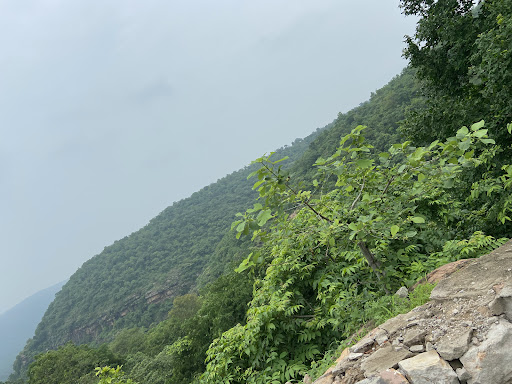
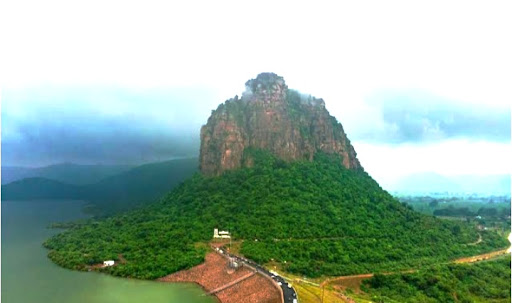
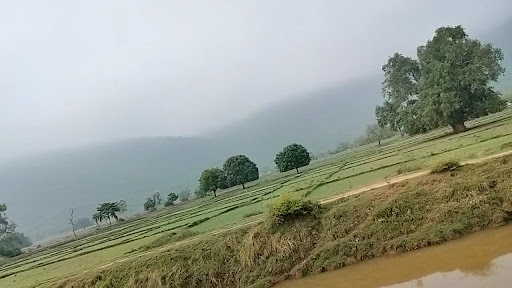
Kaimur Wildlife Sanctuary, established in 1979, is Bihar's largest wildlife sanctuary, encompassing approximately 1,505 km² across the Kaimur and Rohtas districts. Situated along the Kaimur Range, this sanctuary is renowned for its rich biodiversity, historical landmarks, and scenic beauty.
🐾 Wildlife & Biodiversity
The sanctuary hosts a diverse array of fauna, including:
Mammals: Bengal tigers, Indian leopards, sloth bears, Indian boars, Indian pangolins, sambar deer, Indian muntjacs, four-horned antelopes, chitals, and nilgais.
Birds: Over 70 resident species such as peafowl, grey partridge, Malabar pied hornbill, paradise flycatcher, and various migratory birds from Central Asia during winters, including the lesser white-fronted goose and Baer's pochard duck.
Reptiles: Cobras, kraits, and occasionally pythons.
The flora comprises tropical dry mixed deciduous forests, dry sal forests, Boswellia forests, and dry bamboo brakes.
🏞️ Natural & Historical Attractions
Waterfalls: Notable ones include Karkat Waterfall, Manjhar Kund, Dhua Kund, Tutla Bhawani Waterfall, Geeta Ghat Waterfall, Kashish Waterfall, and Telhar.
Lakes & Dams: Anupam Lake, Karamchat Dam, and Kohira Dam enhance the sanctuary's scenic charm.
Historical Sites: Rohtasgarh Fort and Shergarh Fort are nestled within the sanctuary.
Prehistoric Art: The area boasts numerous megaliths, rock paintings from prehistoric times, and ancient stone inscriptions.
📍 Location & Accessibility
By Road: Accessible from Sasaram and Bhabua.
By Rail: Nearest stations are Bhabua Road and Sasaram on the Howrah–New Delhi Grand Chord line.
By Air: The closest airport is Lal Bahadur Shastri International Airport in Varanasi, approximately 121 km away.
🕒 Visiting Information
Best Time to Visit: October to March, with November to February being ideal for wildlife sightings and pleasant weather.
Climate:
Summer: 27°C to 45°C
Winter: 6°C to 26°C
Monsoon: Frequent rains rejuvenate the landscape.
Safari Timings: Open daily from 7:00 AM to 6:00 PM.
Entry Fees:
Indian Nationals: ₹30 per person
Foreign Nationals: ₹350 per person
Permits: Obtainable at the sanctuary's entry gate.
🌿 Conservation Efforts
The Government of Bihar has plans to develop the sanctuary into a tiger reserve, aiming to bolster conservation efforts for the Bengal tiger and other species.
For a visual overview, you might find this video informative:
If you need assistance planning your visit or have further questions, feel...
Read moreThis Sanctuary is located in the famous Kaimur hills range. It is the largest sanctuary in the state and occupies an area of about 1342 km2.In the valleys of the Sanctuary there are several waterfalls, of which the finest are, Karkat Waterfall and Telhar. This sanctuary has ancient cave paintings and the oldest Fossil Park to its acclaim.
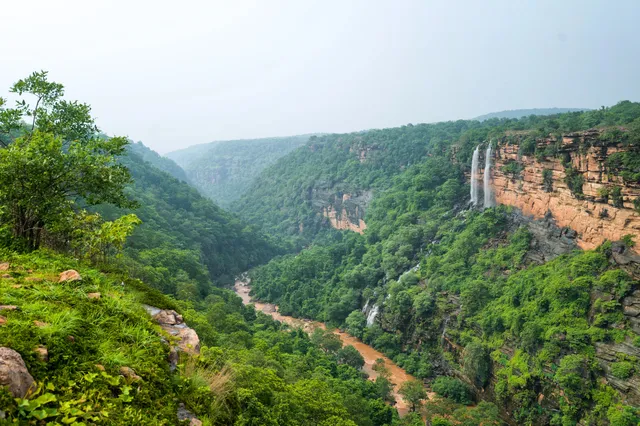
The animals making part of the habitat of the Wildlife Sanctuary are Tigers, Leopards, Wild Boars, Sloth Bear, Sambar Deer, Chitals, Four-Horned Antelope, Nilgais amongst many others. It is home to more than 70 species of resident birds, which stay here all around the year. The number increases in the migratory season i.e. during the winters, when there is an influx of birds from the Central Asia region.
Kaimoor Wild Life Sanctuary is located in two different districts named Mirzapur & Sonebhadra. Divisional head quarter at Mirzapur. The total geographical is 140.58 sq. km. It is well connected by road & rail, nearest railway station is chruk on Delhi - Howrah train root. We can accesses by road from Delhi & Lucknow by road. Distance from Lucknow is 380.00 km. (Chruk) & from Delhi 800.00 km. The nearest airport is Varanasi 100 km. away from chruk. In the sanctuary area, we can see Black Buck, Chinkara, Sambhar, Cheetal, Bear, Leopard, Wolf & Blue Bull etc. In flora Bamboo, Palas, Khair, Mahua, Dhau etc.There is very dense and good forest of Bamboo, Palas, Khair, Mahua, Dhau etc.Black buck, Chinkara, Sambhar, Cheetal, Bear, Leopard, Wolf etc.Black Buck Valley Mahuwariya Rest house, Mukha Fall, Slakhan Fossils Park, Lekhniya Painting. Kaimur Hills, Waterfalls, Fossil Park, Ancient Cave PaintingsThe head quarter of the Kaimur Wildlife Sanctuary is in Churk, Sonbhadra .Churk is at a distance of 86 kms from Mirzapur via Robertsganj either by train or road and 370 kms from Lucknow. The nearest airport is Varanasi. Churk (Sonebhdra) is the headquarters of the Kaimoor Wild Life Sanctuary. Here We can be accessed by road & rail from Mirzapur & Delhi.Visiting season starts from 15 Nov to 15 June, Best season for sighting wild life is...
Read moreKaimur Wildlife Sanctuary in Sonbhadra, Uttar Pradesh, is a hidden natural treasure for wildlife enthusiasts and nature lovers. This sanctuary is a testament to the region's biodiversity and offers a unique opportunity to connect with the wilderness.
The sanctuary is characterized by its hilly terrain and dense forests, making it an ideal habitat for various wildlife species. Visitors have the chance to spot animals such as leopards, sloth bears, and various deer species, along with a variety of bird species. The park's pristine and tranquil atmosphere adds to the charm of the experience.
One of the key highlights of Kaimur Wildlife Sanctuary is the ancient Valmiki Ashram, a sacred site that holds historical and religious significance. The park's rugged landscapes are perfect for trekking and exploration, with opportunities to discover hidden caves and waterfalls.
However, it's important to note that infrastructure within the sanctuary may be basic, so visitors should come prepared for an adventurous and rustic experience. Kaimur Wildlife Sanctuary offers a chance to escape the urban hustle and immerse oneself in the beauty of nature, making it a great destination for wildlife and nature enthusiasts in search of an authentic and...
Read more