Red Fort Darbhanga things to do, attractions, restaurants, events info and trip planning
Basic Info
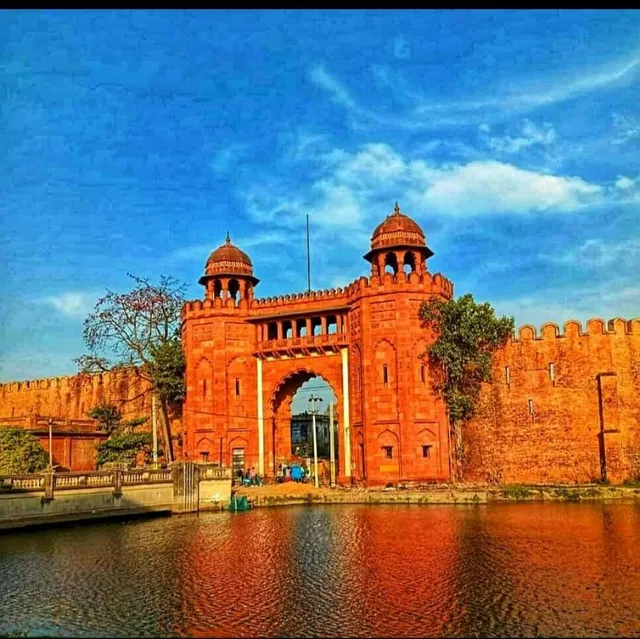
Red Fort Darbhanga
5V6V+4M2, Raj Quila Rd, Mansaar Colony, Darbhanga, Bihar 846004, India
4.3(55)
Open 24 hours
Save
spot
spot
Ratings & Description
Info
The Red Fort or Lal Qila is a historic fort in the Old Delhi neighbourhood of Delhi, India, that historically served as the main residence of the Mughal emperors. Emperor Shah Jahan commissioned construction of the Red Fort on 12 May 1638, when he decided to shift his capital from Agra to Delhi.
Cultural
Scenic
Family friendly
Off the beaten path
attractions: Shyama Mai Temple, Manokamna Mandir, restaurants: Kushal Restaurant, Rajasthan's Radhe Radhe - Tower Chowk, Bibipakar, New Rajasthan Restaurant, Domino's Pizza | Mirzapur, Darbhanga, Rajasthan's Radhe Radhe - Mirzapur, Salt and Pepper, The Drunken Chicken, Sagar Restaurant, Royal Sweets & Fastfood, local businesses:
 Learn more insights from Wanderboat AI.
Plan your stay

Pet-friendly Hotels in Bihar
Find a cozy hotel nearby and make it a full experience.

Affordable Hotels in Bihar
Find a cozy hotel nearby and make it a full experience.

The Coolest Hotels You Haven't Heard Of (Yet)
Find a cozy hotel nearby and make it a full experience.

Trending Stays Worth the Hype in Bihar
Find a cozy hotel nearby and make it a full experience.
Reviews
Nearby attractions of Red Fort Darbhanga
Shyama Mai Temple
Manokamna Mandir
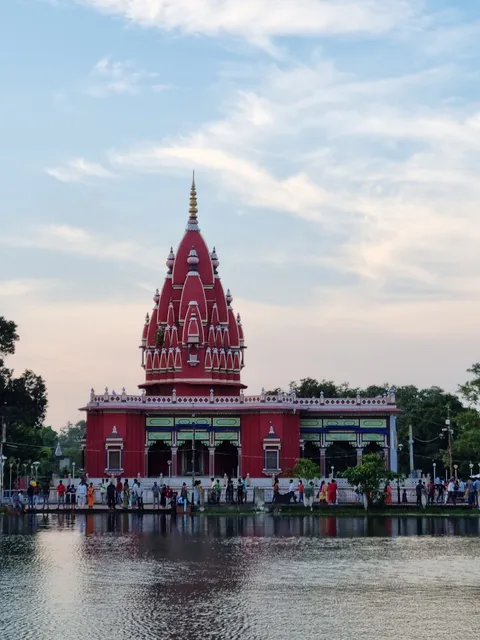
Shyama Mai Temple
4.7
(2K)
Open until 11:00 PM
Click for details
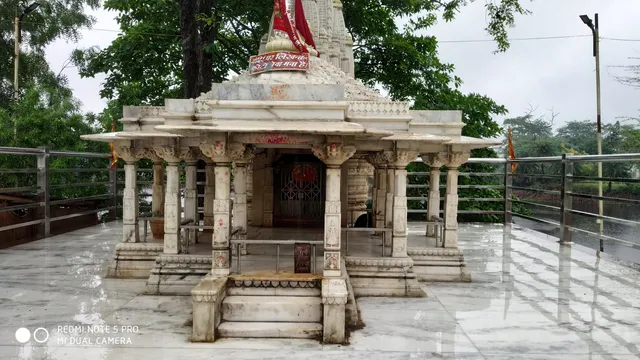
Manokamna Mandir
4.7
(816)
Open 24 hours
Click for details
Nearby restaurants of Red Fort Darbhanga
Kushal Restaurant
Rajasthan's Radhe Radhe - Tower Chowk
Bibipakar
New Rajasthan Restaurant
Domino's Pizza | Mirzapur, Darbhanga
Rajasthan's Radhe Radhe - Mirzapur
Salt and Pepper
The Drunken Chicken
Sagar Restaurant
Royal Sweets & Fastfood
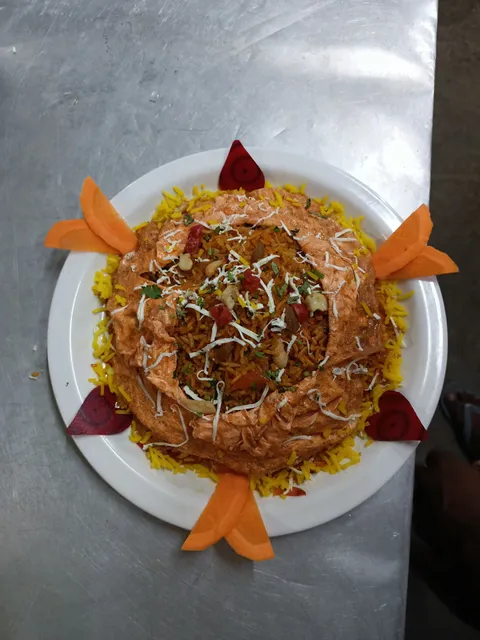
Kushal Restaurant
3.8
(137)
Open until 10:30 PM
Click for details
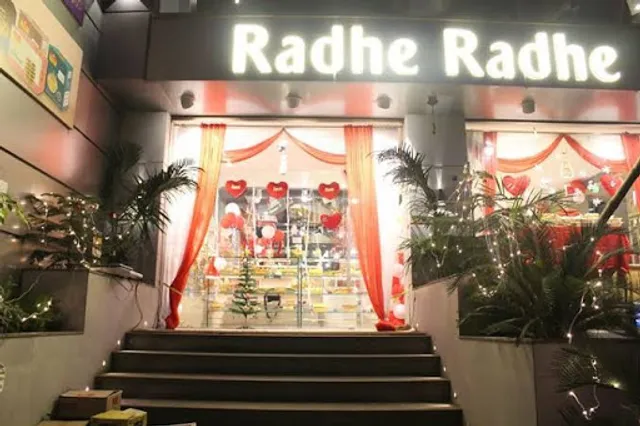
Rajasthan's Radhe Radhe - Tower Chowk
4.0
(248)
Open until 10:00 PM
Click for details
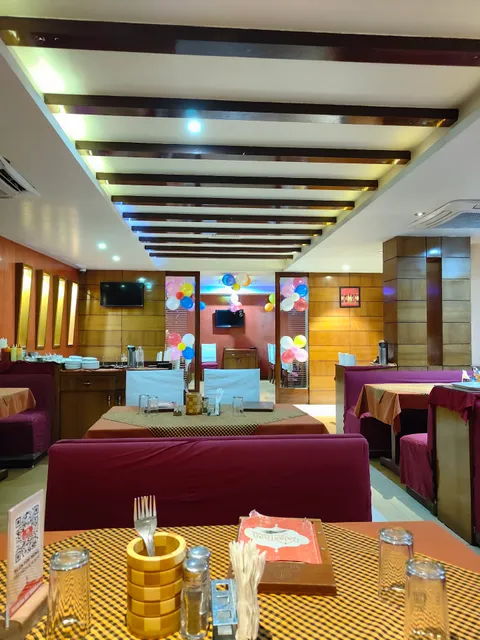
Bibipakar
3.9
(325)
Open until 10:30 PM
Click for details
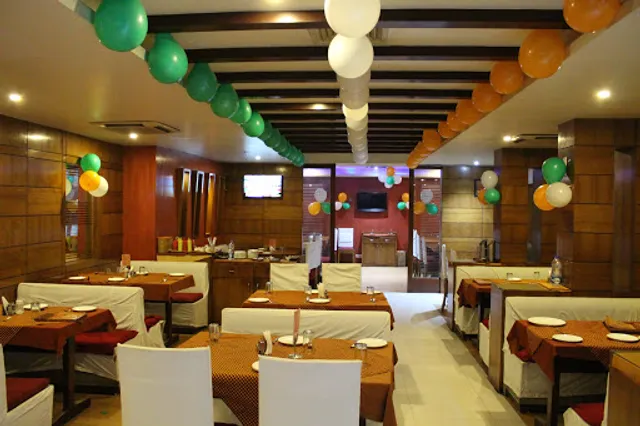
New Rajasthan Restaurant
3.9
(215)
Open until 10:00 PM
Click for details