Thawe Mata Mandir in Gopalganj is a mesmerizing temple that holds immense spiritual significance and attracts devotees from far and wide. Nestled amidst the picturesque landscapes of Bihar, this sacred shrine offers a tranquil retreat for those seeking solace and divine blessings. Having recently visited the temple, I can confidently say that it is a place of immense beauty and spiritual power.
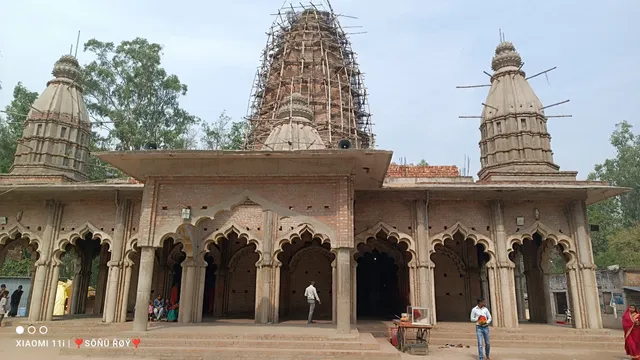
The architectural grandeur of Thawe Mata Mandir is awe-inspiring. The temple boasts intricate carvings, exquisite sculptures, and vibrant colors that adorn its walls and pillars. The craftsmanship on display is truly remarkable, reflecting the devotion and skill of the artisans who brought this temple to life. Walking through the temple complex, I felt a sense of reverence and peace enveloping me.
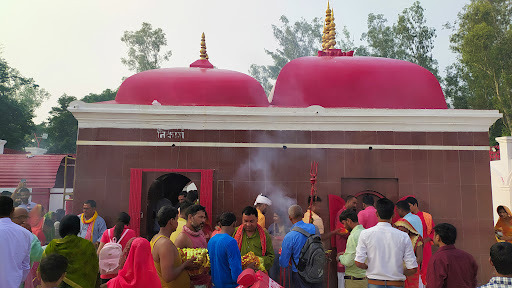
One of the highlights of my visit was witnessing the daily rituals and prayers conducted at the temple. The melodious chants, the fragrance of incense, and the rhythmic ringing of bells created an atmosphere charged with devotion and spirituality. It was a humbling experience to witness the unwavering faith of the devotees and the seamless integration of ancient rituals into their daily lives.
Thawe Mata Mandir also offers breathtaking views of the surrounding natural beauty. The temple is situated on a hill, providing panoramic vistas of lush greenery and rolling hills. The serene ambiance and fresh air further enhance the spiritual experience, allowing visitors to connect with nature and find inner peace.
The temple premises are well-maintained, with clean pathways and seating areas for visitors. The temple management ensures a smooth and organized flow of devotees, minimizing overcrowding and maintaining a peaceful atmosphere. Additionally, the presence of knowledgeable priests who readily share the temple's history and significance adds to the overall experience.
In conclusion, Thawe Mata Mandir in Gopalganj is a divine abode that offers a harmonious blend of architectural beauty, spiritual fervor, and natural splendor. It is a place where one can seek solace, find inner peace, and experience the divine presence. A visit to this temple is not only a religious journey but also a rejuvenating and enriching experience for the mind and soul. I highly recommend Thawe Mata Mandir to anyone seeking a serene and spiritually uplifting...
Read moreThere are several names and forms of Maa Shakti. Bhaktas (devotees) worship her by many names in many forms, Maa Thawewali is one of them. There are 52 “Shaktipithas” in all over India, this place is also like a “Shaktipitha”.
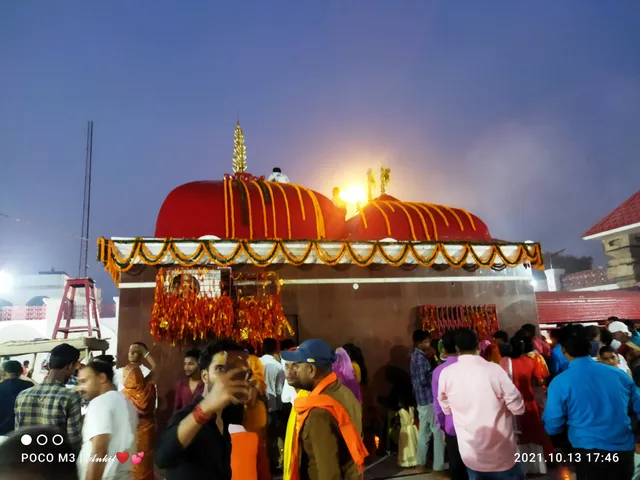
The holy place of Maa Thawewali is situated in Thawe in Gopalganj District in Bihar, India. Maa has arrived here from her another holy place Kamrup, Assam where she well known as “Maa Kamakhya” on the prayer of her great devotee “Shree Rahshu Bhagat Ji”. Maa also known as “Singhasini Devi” "Rahshu Bhawani".
In the morning between 5:00am and 7:00 am and in evening 7:00 pm (depends on season) devotees worship Maa with “Laddo”, “Peda”, “Narial” & “Chunari”.
Thawe mandir view Two days in week, Monday and Friday, are very important for worshiping to please Maa. On these days devotees gather and worship Maa in large number in comparison to other days. The special Mela is organized during two times in year, in the month of “Chaitrya” (March) and “Ashvin” (October) on the great occasion of “Navratra”.
The story of the establishment of thawe Durga Temple is quite interesting. Manan Singh, the king of the Chero dynasty, considered himself a great devotee of Mother Durga, when suddenly there was a famine in the king's kingdom. At the same time, there was a devotee of Mata Rani in Thawe. Rice started coming out when Rahshu ran pater from the tiger. That is why the people there started getting food grains. It reached the king, but the king could not believe it.The king protested against Rahshu and called him a hypocrite and asked Rahshu to call his mother here. On this, Rahshu told the king that if the mother came here, she would destroy the kingdom but did not consider it a king. At the call of Rahshu Bhagat, Goddess Maa walked from Kamakhya and reached Thawe in Gopalganj via Ami of Patna and Saran. All the buildings of the king collapsed. Then the king died. The famous Prasad of Thawe maa Bhawani...
Read moreThere are several names and forms of Maa Shakti. Bhaktas (devotees) worship her by many names in many forms, Maa Thawewali is one of them. There are 52 “Shaktipithas” in all over India, this place is also like a “Shaktipitha”.
The holy place of Maa Thawewali is situated in Thawe in Gopalganj District in Bihar, India. Maa has arrived here from her another holy place Kamrup, Assam where she well known as “Maa Kamakhya” on the prayer of her great devotee “Shree Rahshu Bhagat Ji”. Maa also known as “Singhasini Devi” "Rahshu Bhawani".
In the morning between 5:00 and 7:00 am and in evening 7:00 pm (depends on season) devotees worship Maa with “Laddo”, “Peda”, “Narial” & “Chunari”.
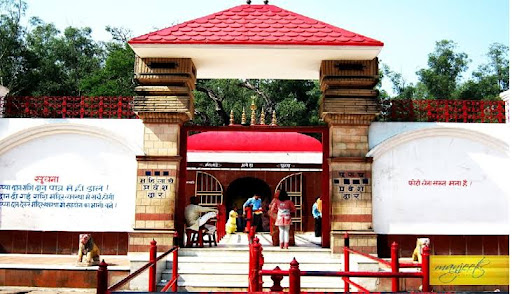
Thawe mandir view
Two days in week, Monday and Friday, are very important for worshiping to please Maa. On these days devotees gather and worship Maa in large number in comparison to other days. The special Mela is organized during two times in year, in the month of “Chaitrya” (March) and “Ashvin” (October) on the great occasion of “Navratra”.
The story of the establishment of thawe Durga Temple is quite interesting. Manan Singh, the king of the Chero dynasty, considered himself a great devotee of Mother Durga, when suddenly there was a famine in the king's kingdom. At the same time, there was a devotee of Mata Rani in Thawe. Rice started coming out when Rahshu ran pater from the tiger. That is why the people there started getting food grains. It reached the king, but the king could not believe it.The king protested against Rahshu and called him a hypocrite and asked Rahshu to call his mother here. On this, Rahshu told the king that if the mother came here, she would destroy the kingdom but did not consider it a king. At the call of Rahshu Bhagat, Goddess Maa walked from Kamakhya and reached Thawe in Gopalganj via Ami of Patna and Saran. All the buildings of the king collapsed. Then...
Read more